

Panagyurishte Travel Guide: Sights, Gold & History
In this guide▾
Panagyurishte is among those special Bulgarian towns where history comes alive at every corner. Nestled in the embrace of the Sredna Gora mountains, the town offers the perfect blend of a heroic past, cultural heritage, and beautiful nature. If you are looking for an inspiring weekend getaway destination to recharge you with patriotic spirit and tranquility, Panagyurishte is the ideal choice.

The Historical Heart of the Town: Museums and Monuments
A tour of the historical sites here inevitably starts from the centre. The town has preserved an incredible ensemble of National Revival buildings and sacred places.
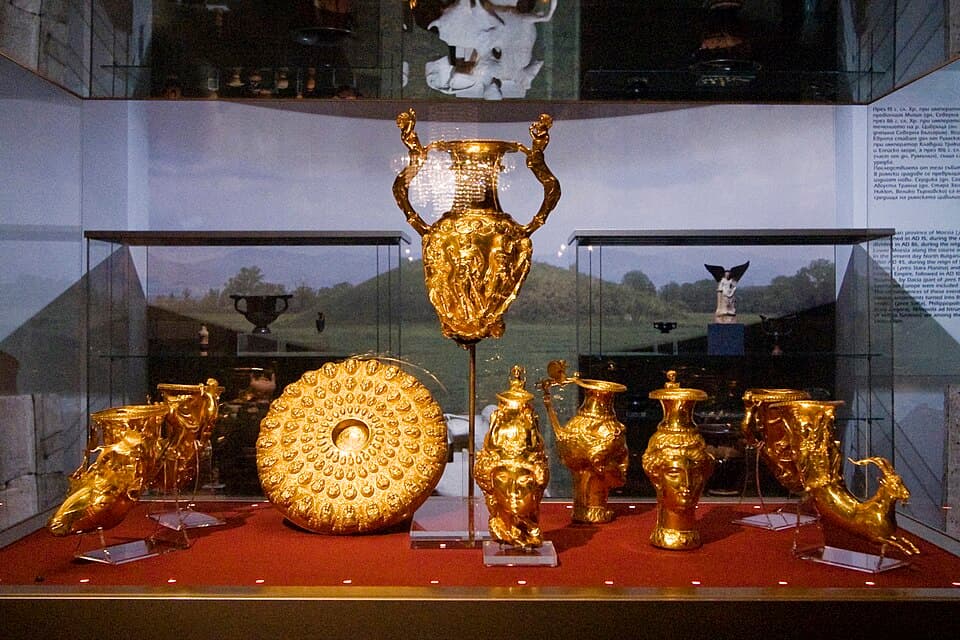
- Historical Museum Panagyurishte and the Vault: This is where you can see the renowned Panagyurishte Gold Treasure, found in 1949 by brothers digging clay at a tile works on the edge of the town. The specially built vault at the museum lets you admire the exquisite details of the nine vessels, made from 6.164 kilograms of high-carat gold. Be aware that the original is only here for about a month a year — in 2026, from 1 April to 17 May for the 150th anniversary of the April Uprising — and the rest of the time the vault shows a copy, so check with the museum before you plan around it. The treasure is a true masterpiece of Thracian art, and among the other exhibitions, you will find rich information about the April Uprising, authentic weapons, and items of local life.
- House-Museum "Rayna Knyaginya": The birthplace of Rayna Popgeorgieva (born 1856) is a symbol of Bulgarian bravery. Here you can feel the authentic atmosphere from the time when the 20-year-old head teacher of the girls' school embroidered the main flag of the insurgents with the cherished words "Liberty or Death". The house opened as a museum in 1950. Today, her monument is also located in the courtyard of the house.
- Tuteva House and Dudekova House: For lovers of National Revival architecture, these preserved homes offer a journey back in time. In the Tuteva House, the very beginning of the April Uprising was declared on 20 April 1876, making it a key stop. The Dudekova House impresses with its architecture and tells the story of the tragic events during the suppression of the uprising, when it sheltered townspeople from the attacking troops.

- Lekova House: Another gem of National Revival construction, built after the Crimean War for the merchant and rebel Ivan Lekov and known for its murals inside and out by the local painter Ivan Zograf. Here, you can see the famous painted "Wheel of Life." Vasil Levski visited the house, and after the Oborishte assembly in 1876 its commission was lodged here.
- Church of "St. George": Do not miss the town's cathedral church, at the heart of the old centre.
Tickets & Opening Hours
The museum is open Tuesday to Sunday 09:30–17:00, and on Monday from 12:00 to 17:00 (the morning is set aside for cleaning; after a public holiday the half-day moves to Tuesday). The last tickets are sold at 17:00. At weekends only the museum complex and the Rayna Knyaginya house are open — the Tuteva and Lekova houses and the Natural History Museum are weekday-only, and close for lunch 12:00–13:00. The museum is closed on 1 January and 24–25 December.
| Ticket | Adults | Pupils, students, pensioners |
|---|---|---|
| All sites — the museum complex, Tuteva and Lekova houses, Rayna Knyaginya house and Natural History Museum | €6.14 | €3.07 |
| Museum complex — the Gold Treasure vault, archaeology and April Uprising exhibitions, Dudekova and Sinya Hadzhidimitrova houses | €5.11 | €2.56 |
| The four smaller sites — Tuteva and Lekova houses, Rayna Knyaginya house, Natural History Museum | €2.56 | €1.53 |
| One site — Tuteva and Lekova houses, Rayna Knyaginya house, or the Natural History Museum | €1.53 | €1.02 |
Children under 7 and visitors with disabilities go in free. An audio guide in the vault costs €0.51, an overview talk €15.34, and a guide for all the sites €25.56 (not at weekends). Taking photos costs €5.11. Entry is free on 18 May (International Museum Day), on the Night of Museums and on the last Monday of each month (12:00–17:00). Prices checked September 2026; they can change.

The Town's Symbols from Above: Memorial Complex "Apriltsi"
You cannot miss the imposing memorial complex rising on the historic Manyovo Bardo hill. Wide stairs lead up to it, and the climb itself is absolutely worth it. From the top, a breathtaking panoramic view of the entire town and the surrounding mountain slopes unfolds. This is an excellent spot for photos and a short break.

Practical Tips for Visitors
Planning your trip is key to a relaxing time, especially when you are travelling by car or with small children.
- Parking: Finding a parking space in the centre is relatively easy. There are parking areas around the Historical Museum and the central square, and free parking can also be found in the side streets. The town has adopted a short-stay Blue Zone, but it is not yet in force in practice, so parking is still free.
- Relaxing with Children: Panagyurishte is extremely convenient for family tourism. The central part is flat and perfectly suited for walks with strollers. The city park is spacious, surrounded by greenery, and features modern playgrounds. Nearby, you will find many pleasant restaurants and pastry shops where you can stop for lunch or a sweet afternoon treat.
Ideas for Walks in the Vicinity and a Connection to Antiquity
To fully experience the spirit of the region, it is worth stepping outside the town limits.
- Historic Area of Oborishte: About 10 km north-west of town, it offers a pleasant, easy walk of about 1 km from the Oborishte hut through beautiful beech forest along the Panova River. The path leads to the monument to the assembly of April 1876, where the decision to start the uprising was made. The place is quiet and invites reflection.
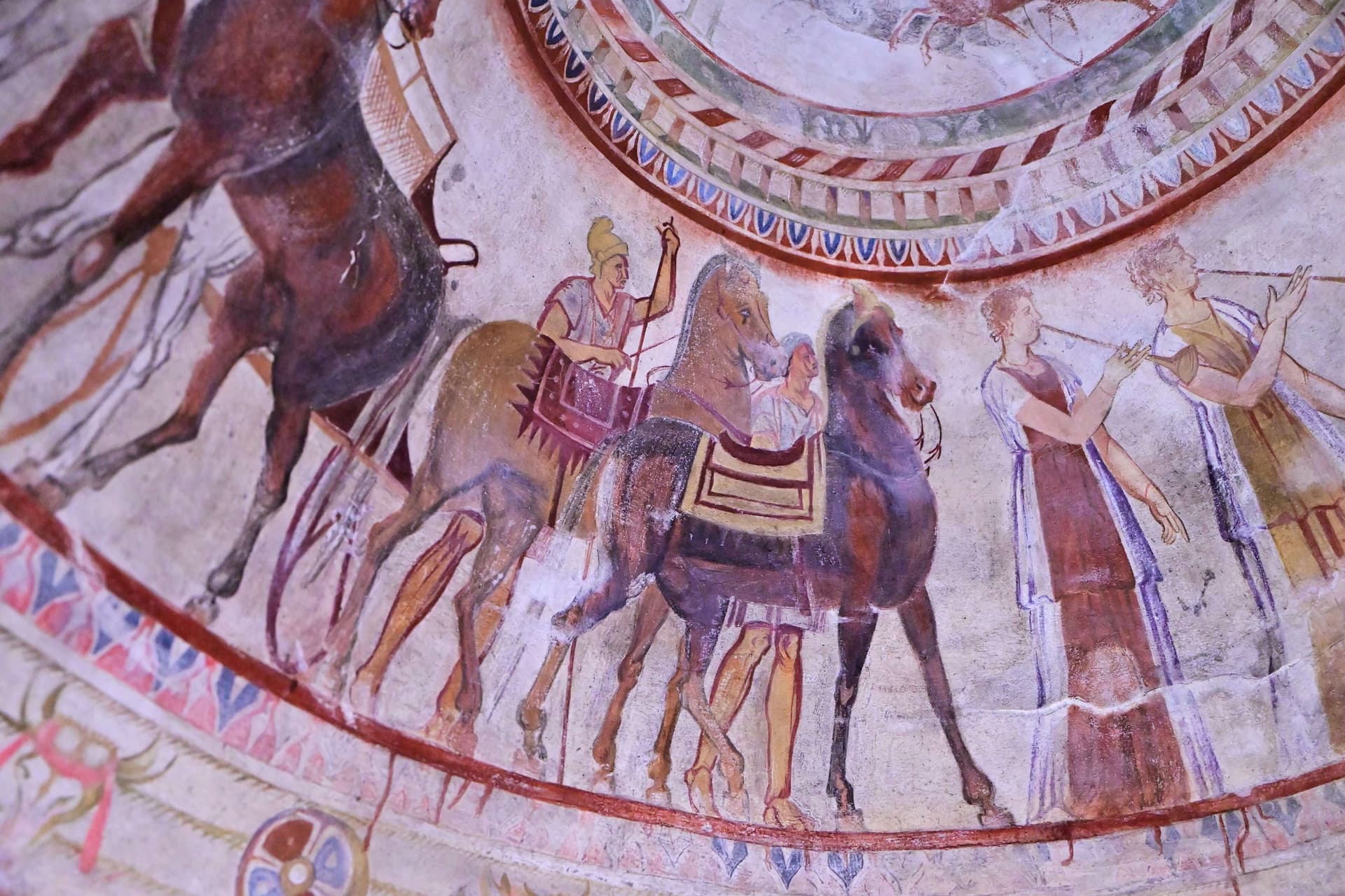
- In the Footsteps of the Thracians: Since Panagyurishte is inextricably linked to the splendour of Thracian art through its gold treasure, you will certainly find it interesting to explore the Valley of the Thracian Kings around Kazanlak, a couple of hours east. It is a logical and inspiring continuation of any tour dedicated to the ancient heritage in our lands — see our Valley of the Thracian Kings guide.
Getting There and Timing
Panagyurishte is about 90 km (1 hour 30 minutes) from Sofia and 45 km from Pazardzhik, in the hills of the Sredna Gora. It is also the end of the branch railway from Plovdiv. Koprivshtitsa, where the April Uprising began, is the natural companion on the same trip.
How long: half a day covers the Historical Museum and the Revival houses in the centre. Make it a full day with the climb to the Apriltsi memorial and the walk at Oborishte.
When to go: spring to autumn. If seeing the original gold matters to you, time your visit for the month it is in town — it moves each year, so confirm with the museum first.
Conclusion
Panagyurishte is not just a point on the map, but an emotion that lingers long after. From the gleam of Thracian gold and National Revival houses to the silence of the historic areas in the vicinity, this town has something to charm every traveller. Explore the rest of the inspiring routes across Bulgaria on the Mestala platform and plan your next adventure.
For more inspiring travel guides across Bulgaria, stay on Mestala.com!
This guide covers 8 places
Want more Mestala in your Google results?
Add mestala.com as a preferred source and our guides will show up more often when you search. Requires a Google account.
Frequently Asked Questions
What is the Panagyurishte Gold Treasure?▾
The Panagyurishte Gold Treasure is a set of nine ritual vessels made from 6.164 kilograms of high-carat gold. Dating from the 4th–3rd century BC, it is one of the most significant finds of Thracian art. It was discovered in 1949 on the edge of the town. The original spends most of its time on exhibition in Sofia or abroad and returns to the vault of the Historical Museum in Panagyurishte for about a month a year; the rest of the time the vault shows a copy.
What are the must-see sights in Panagyurishte?▾
Don't miss the Historical Museum with the Gold Treasure Vault, House-Museum "Rayna Knyaginya", the Tuteva and Dudekova Houses, Lekova House, and the Church of St. George. For a panoramic view of the town, head up to the Memorial Complex "Apriltsi" on Manyovo Bardo hill.
How do I get to the historic area of Oborishte?▾
Oborishte is about 10 km north-west of Panagyurishte. You can drive to the Oborishte hut and then follow a pleasant, roughly 1 km path through beech forest along the Panova River to the monument marking the assembly where the decision to launch the April Uprising was made.
Is Panagyurishte suitable for a family trip with children?▾
Yes, Panagyurishte is very family-friendly. The town centre is flat and stroller-accessible, the city park has modern playgrounds, and there are plenty of cafés and pastry shops around the square for relaxed breaks.
Is parking easy in central Panagyurishte?▾
Parking in the centre is relatively easy. There are parking areas around the Historical Museum and the main square, and free parking can usually be found in the surrounding side streets. The town has adopted a short-stay Blue Zone, but it is not yet in force in practice, so parking is still free (checked September 2026).
You might be interested in
Kotel and Zheravna Weekend: Revival Houses, Kotel Carpets and Medven
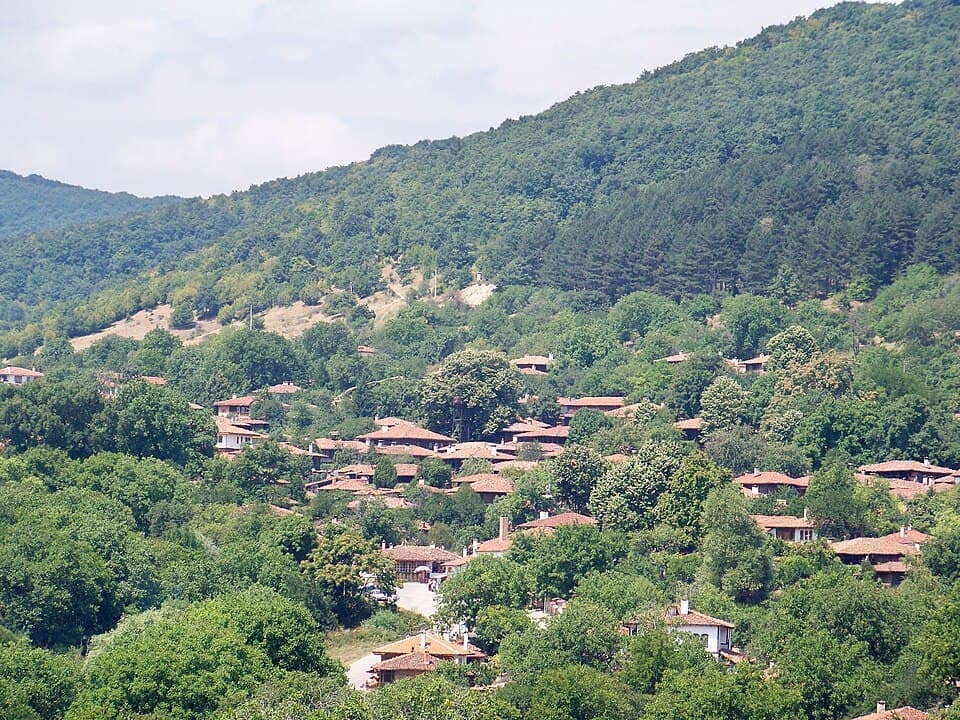
A winter weekend in Kotel and Zheravna: Rakovski's Pantheon, Kotel carpets and the natural history museum, Zheravna's 200 wooden houses and Medven — getting there from Burgas and Varna.
Troyan, Oreshak and Apriltsi Weekend: Pottery, Plum Rakia and the Central Balkan
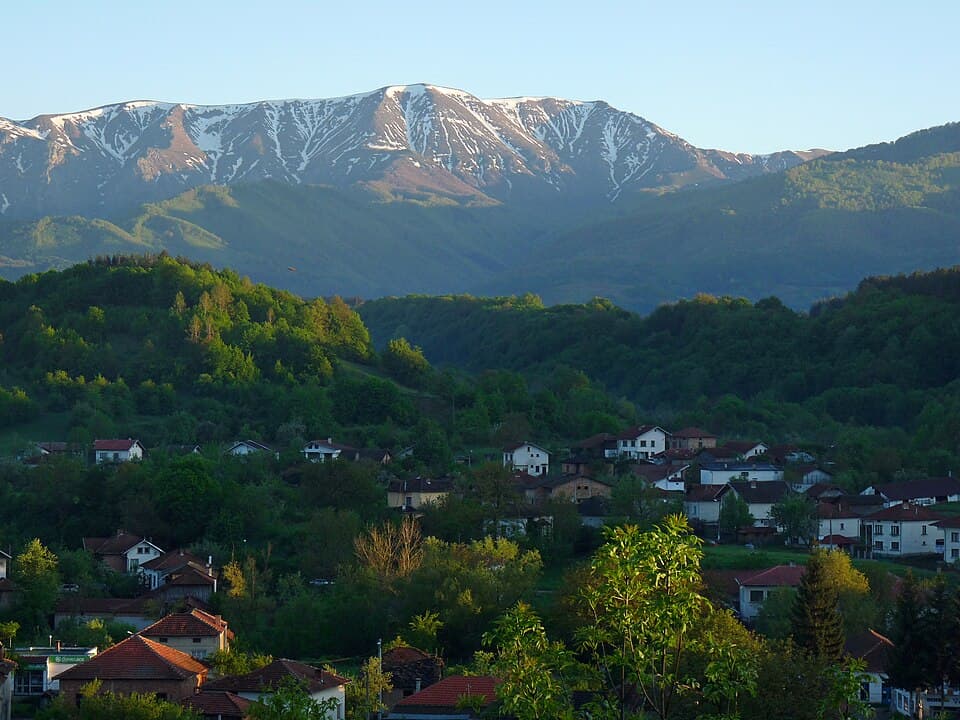
A weekend in Troyan, Oreshak and Apriltsi: Troyan pottery and plum rakia, the crafts museum, the Oreshak exhibition by Troyan Monastery, and Apriltsi as a Balkan base.
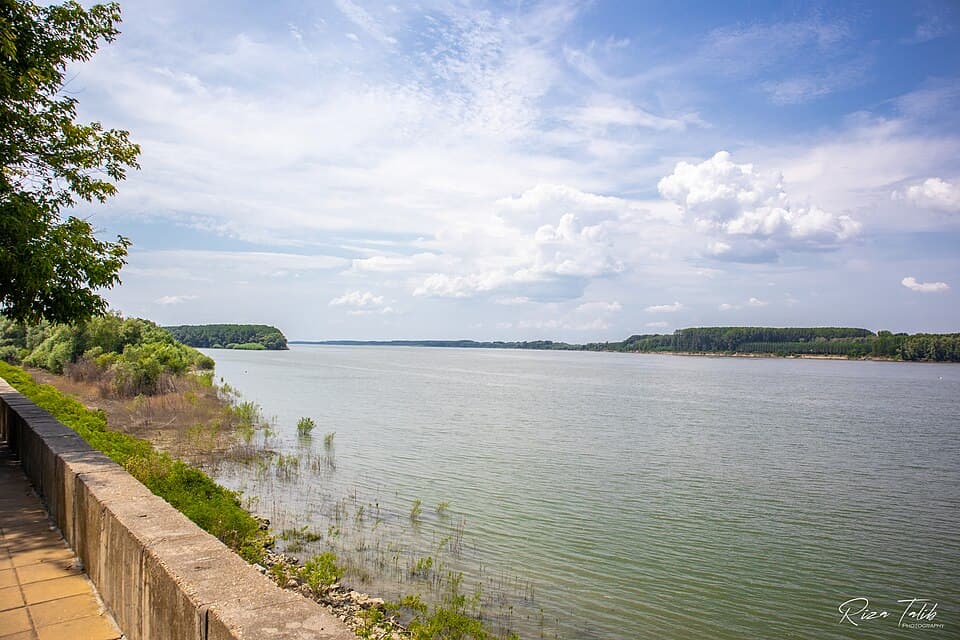
Tutrakan Weekend: the Fishermen's Quarter, the 1916 Battle and the Danube
A weekend in Tutrakan: the Fishermen's Quarter and the Danube fishing museum, the 1916 military cemetery, Danube fish — and Srebarna and Silistra for day two.
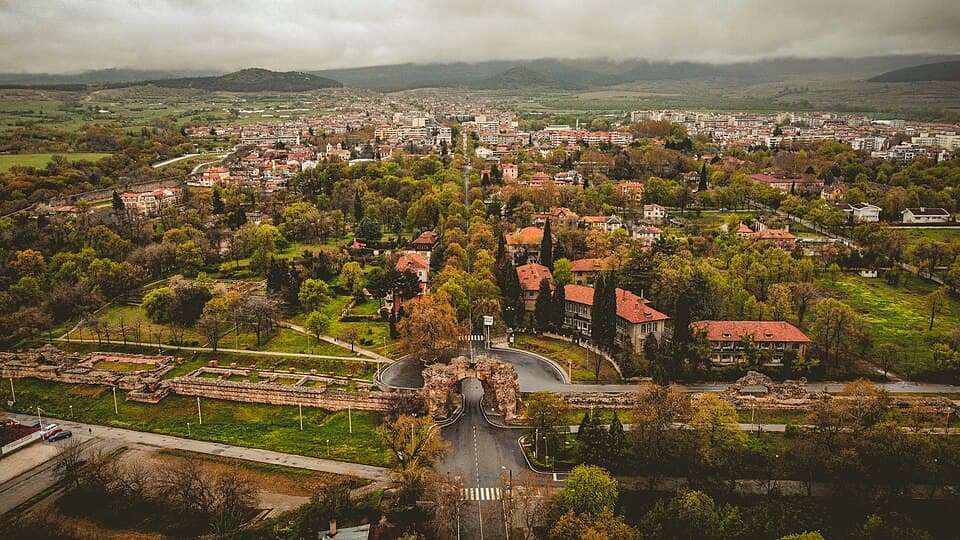
Hisarya and Pavel Banya: Spa Weekends in Sredna Gora
Hisarya or Pavel Banya for a spa weekend: Roman walls and mineral fountains, or a five-star spa base in the Rose Valley — tickets, parking, prices and which to pick.