

Tutrakan Weekend: the Fishermen's Quarter, the 1916 Battle and the Danube
In this guide▾
Tutrakan is the fishermen's town. It is a small Danube town between Ruse and Silistra, where people have lived from the river for centuries — fishing and building boats. It has a whole fishermen's quarter on the slope above the Danube, the only museum of Danube fishing in the Balkans, and the largest military cemetery in Bulgaria from the wars of unification. In the evening: fish soup and catfish with a view of Romania.
This isn't a weekend packed with sights. It is a quiet weekend by the river — and the one real overnight option for readers in Ruse and Silistra who want something other than their own town. This guide covers the practical side of a weekend in Tutrakan: how to get there, what to see, and how to combine it with Srebarna and Silistra.
🎣 Why Tutrakan for a weekend
Tutrakan sits on the Danube, halfway between Ruse and Silistra. The town climbs from the river, at about 13 m above sea level, to the plateau above it, at about 126 m. In Roman times this was the fort of Transmarisca. In 1867 Panayot Hitov's band, with Vasil Levski, crossed the Danube here. From 1913 to 1940 Tutrakan was part of Romania.
Tutrakan's people are known as the best fishermen and boat-builders on the lower Danube. So you come here for three things: the Fishermen's Quarter, the history of 1916 and Danube fish. One night is enough for all of it, and with a second day you can reach Srebarna and Silistra.
If you are after a bigger Danube town, see our guides to Ruse and to Svishtov, Nikopol and Belene.
🚗 Getting to Tutrakan
By car
- From Ruse: about 62 km, roughly 1 h 10 — on the road to Silistra, which runs parallel to the Danube.
- From Silistra: about 56 km, roughly 1 h 05.
- From Razgrad: about 67 km, roughly 1 h 10.
- From Varna: about 200 km, roughly 2 h 45.
- From Sofia: about 370 km, around 5 h 30 — too far for an ordinary weekend.
The road is paved. Winter tyres are compulsory from 15 November to 1 March, and there is often morning fog by the river. More in our driving in Bulgaria guide.
By bus
Tutrakan is a stop on the buses linking Silistra with Ruse, Sofia and Veliko Tarnovo, so there are daily services in both directions. There is also one direct bus a day from Varna. The bus station is in the eastern part of town. There is no train to Tutrakan. Our getting around Bulgaria guide explains how bus tickets work.
To Romania: there is no bridge and no regular ferry at Tutrakan. The nearest road crossing is the Danube Bridge at Ruse.
🅿️ Parking
Parking in Tutrakan is free on most streets and in most parts of town — there is no paid blue zone in the centre, and you can park on the central streets too. Hotels have their own spaces — ask when you book. The military cemetery near Shumentsi is reached by car, on the road south of town.
🏘️ The Fishermen's Quarter and the fishing museum
The Danube Fishing and Boat-Building Ethnographic Museum was founded in 1974 and is the only museum of its kind not just in Bulgaria but in the whole Balkan Peninsula. The displays fill seven halls in an early 20th-century building and trace how fish were caught and boats built on the Danube, from antiquity to the present. You will see nets, traps, tools and the boats themselves.
- Opening hours: Monday to Friday 8:00–17:00, with a lunch break from 12:00 to 13:00. On Saturday and Sunday it admits visitors from 9:30 to 17:30 between March and September; from October to February, weekend visits are by advance request only, by phone to the museum.
- Entry (from the museum's website, October 2026): adults — €2.50; pupils, students and pensioners — €1.50; guided talk — €5.
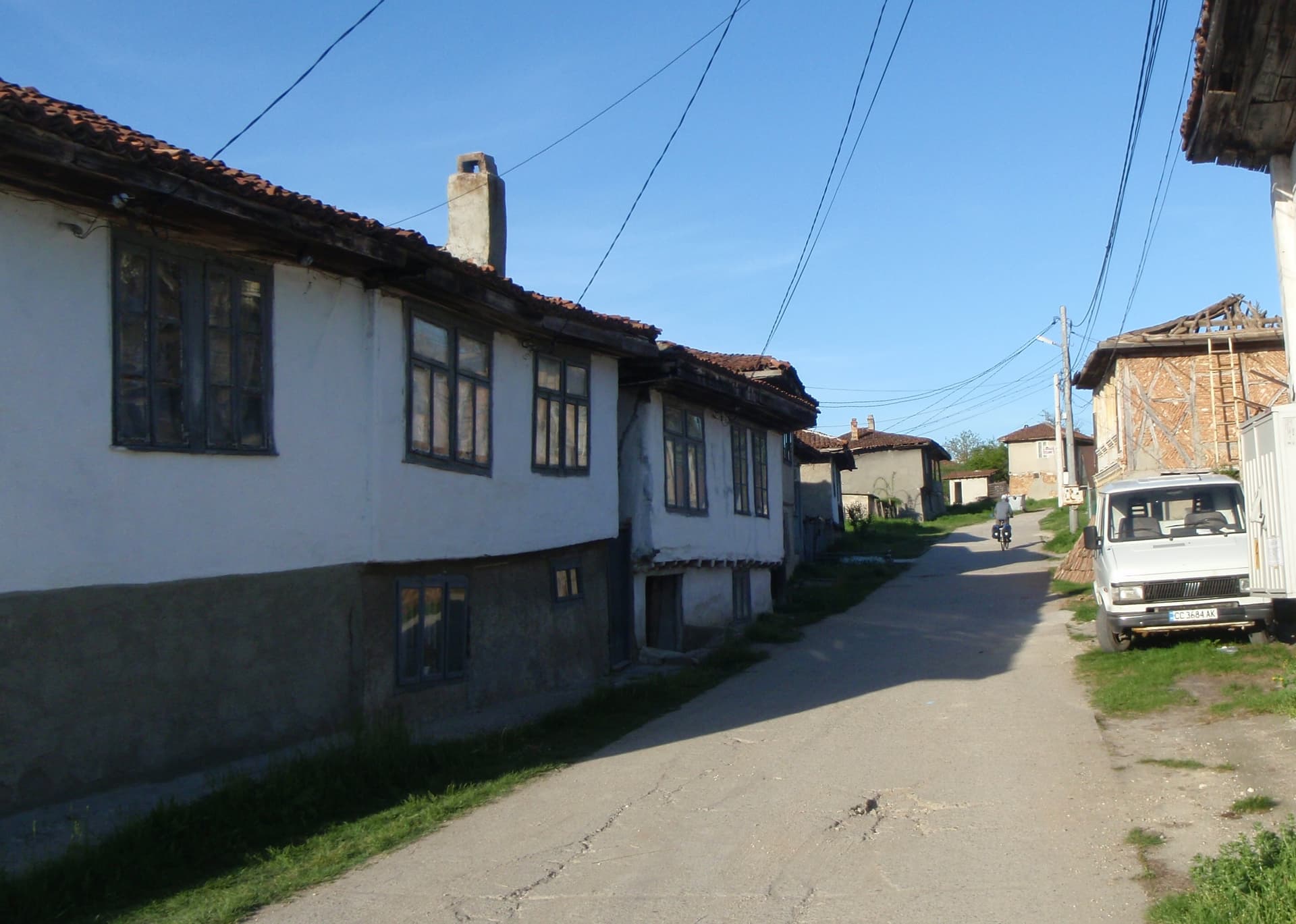
Part of the museum is the Fishermen's Quarter architectural reserve — a neighbourhood on the slope above the river, kept in its original form. The fishermen's houses are 150–200 years old, some of national importance, with nets and boat-building workshops between them. The quarter is near the Church of St Nicholas and takes about an hour on foot. The steps and cobbles are steep in places — wear comfortable shoes.
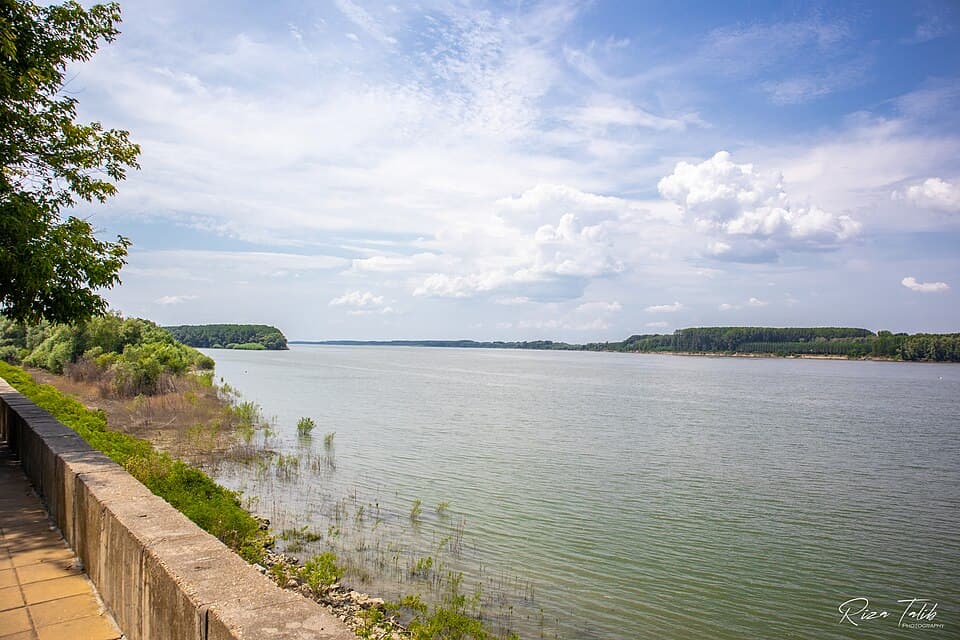
After the quarter, walk down to the riverside promenade — flat and quiet, with views across the wide Danube and the islands on the far side. It is at its best towards evening.
The town also has a history museum, devoted mainly to the 1916 battle, and an art gallery. Both open Monday to Friday 8:00–17:00, with a lunch break from 12:00 to 13:00; at weekends, by advance request (the gallery for groups only). Entry is €2.50 (students and pensioners €1.50), free for children under 7. The Fishermen's Quarter is open to all, at any hour.
🎖️ The Battle of Tutrakan and the military cemetery
On 5–6 September 1916, during the First World War, Bulgarian troops with German support took the Tutrakan fortress from the Romanian army. About 28,000 Romanian soldiers were captured. The battle, known in Bulgaria as the Tutrakan Epopee, is one of the Bulgarian army's best-remembered victories, but it came at a high cost: more than 1,500 Bulgarian soldiers killed and more than 7,000 wounded.
The military cemetery lies about 9 km south of town, near the village of Shumentsi, on the site of the former Fort No. 7. About 8,000 men are buried here — Bulgarians, Romanians, Germans and Turks, side by side. It is the largest military cemetery in Bulgaria from the wars of national unification between 1885 and 1918. The obelisk, built in 1922, carries the same words in four languages — Bulgarian, German, Turkish and Romanian: "Honour and glory to those who knew how to die heroically for their fatherland."
The cemetery itself is free to enter, every day. Next to it is the "Tutrakan Epopee – 1916" memorial complex — a new museum building with an exhibition about the battle, told with multimedia. Allow an hour or two.
- Opening hours: daily, 9:00–17:00 from October to February and 9:30–18:00 from March to September.
- Entry with a guided talk (October 2026): adults — €10; pupils, students and pensioners — €6; visitors with disabilities — €5; family ticket for up to 3 adults and 3 children aged 7–18 — €20. Children under 7 go free. Ask whether the talk can be given in English when you book. Commemorations are held here every year in early September.
🐟 Danube fish
Tutrakan is the place to eat Danube fish. Restaurants in the Fishermen's Quarter and along the promenade serve fish soup (ribena chorba), catfish, carp and zander. If you like fish, dinner here is half the reason to stay the night. More on Bulgarian cooking in our Bulgarian food guide.
⏱️ How long you need
One night is enough for Tutrakan itself. Here is how to make it a two-day Danube loop:
- Saturday: arrive by lunchtime, see the fishing museum and the Fishermen's Quarter, then the promenade in the afternoon. Dinner with fish and a night in Tutrakan.
- Sunday: in the morning, the military cemetery (on the way south), then on to Srebarna (about 50 minutes) and Silistra. From there, back to Ruse or on to Varna.
Important in winter: from October to February, Tutrakan's fishing museum and history museum take weekend visitors by advance request only — call the museum a few days ahead, or come on a Friday. The memorial complex by the military cemetery is open daily. And from October to March the Srebarna museum opens on weekdays only. On a weekend you will see the lake but not the museum. If the museum matters to you, save Srebarna for a Friday or a Monday. Details in our Silistra and Srebarna guide.
📅 When to go
- Spring and autumn — the nicest time for riverside walks. Spring is also the bird season at Srebarna.
- Summer — lively along the Danube, with outdoor restaurants.
- Early September — commemorations of the 1916 battle at the military cemetery. 21 September is the town's day.
- November and winter — very quiet, often with fog over the river. A good time if you come only for fish and history; don't expect bustle.
🏨 Where to stay
- In Tutrakan — a few small hotels and guest houses, some close to the river. Rooms start at about €40 a night for two (October 2026). Best for a quiet evening by the Danube.
- In Ruse — the widest choice, if you would rather sleep in a bigger town and come for the day. See our Ruse guide.
- In Silistra — if you want your second night next to Srebarna.
👨👩👧 Tutrakan with kids
The fishing museum interests children — boats, nets and fish traps. The military cemetery has guns and a new multimedia exhibition, better suited to school-age children. Children under 7 get into all the town's museums free. The riverside promenade is flat and fine for a pushchair; the Fishermen's Quarter isn't, because of the steps and cobbles. Srebarna, with its viewing platforms and birds, is a good next stop with children. More ideas in our Bulgaria with kids guide.
🧭 What's nearby
- The Srebarna reserve — about 50 minutes. A UNESCO-listed lake with a colony of Dalmatian pelicans.
- Silistra — about 16 km beyond Srebarna. The Roman tomb and the Medzhidi Tabia fortress are in our Silistra and Srebarna guide.
- Ruse — about 1 h 10. The largest town on the Bulgarian Danube.
- The Ivanovo rock churches and Rusenski Lom — about 1 h 40, beyond Ruse. See our Ivanovo and Rusenski Lom guide.
For a longer history weekend in the north-east, see Shumen, Madara, Pliska and Preslav.
💡 What first-timers get wrong
- Coming for an hour. Tutrakan is at its best in the evening, with fish by the river — stay the night.
- Skipping the military cemetery because it's out of town. It is 9 km away and the most powerful place in Tutrakan.
- Looking for a ferry to Romania. There isn't one here; the nearest crossing is the Danube Bridge at Ruse.
- Turning up at the fishing museum on a winter Saturday without booking. From October to February it takes weekend visitors by advance request only.
- Planning the Srebarna museum for a winter weekend. From October to March it opens on weekdays only.
- Expecting a lively town in November. Tutrakan is quiet — and that is the point.
Plan your Tutrakan weekend with Mestala.com.
This guide covers 6 places
Want more Mestala in your Google results?
Add mestala.com as a preferred source and our guides will show up more often when you search. Requires a Google account.
Frequently Asked Questions
How far is Tutrakan from Ruse?▾
About 62 km — roughly 1 h 10 by car on the road along the Danube towards Silistra. Silistra is about 56 km away. Buses between Silistra and Ruse, Sofia and Veliko Tarnovo stop in Tutrakan.
What is the Fishermen's Quarter in Tutrakan?▾
An architectural reserve by the Danube, with fishermen's houses 150–200 years old, nets and boat-building workshops. It is part of the Danube Fishing and Boat-Building Ethnographic Museum, founded in 1974 — the only museum of its kind in Bulgaria and the Balkans.
What was the Battle of Tutrakan?▾
The battle for the Tutrakan fortress in the First World War, on 5–6 September 1916. Bulgarian troops with German support took the fortress, and about 28,000 Romanian soldiers were captured. It is remembered at the military cemetery outside Tutrakan and in the town's history museum. In Bulgaria it is known as the Tutrakan Epopee.
Where is the Tutrakan military cemetery?▾
About 9 km south of town, near the village of Shumentsi, on the site of the former Fort No. 7. About 8,000 Bulgarian, Romanian, German and Turkish soldiers are buried there. The 1922 obelisk carries the same inscription in four languages. A new museum exhibition about the battle stands next to the cemetery.
Can you cross into Romania at Tutrakan?▾
No. There is no bridge and no regular ferry at Tutrakan. The nearest road crossing is the Danube Bridge at Ruse.
When should I go to Tutrakan?▾
Spring to autumn, when the Danube promenade and outdoor restaurants are at their best. November is very quiet — good if you come for fish and history. Note that from October to March the Srebarna museum opens on weekdays only.
You might be interested in
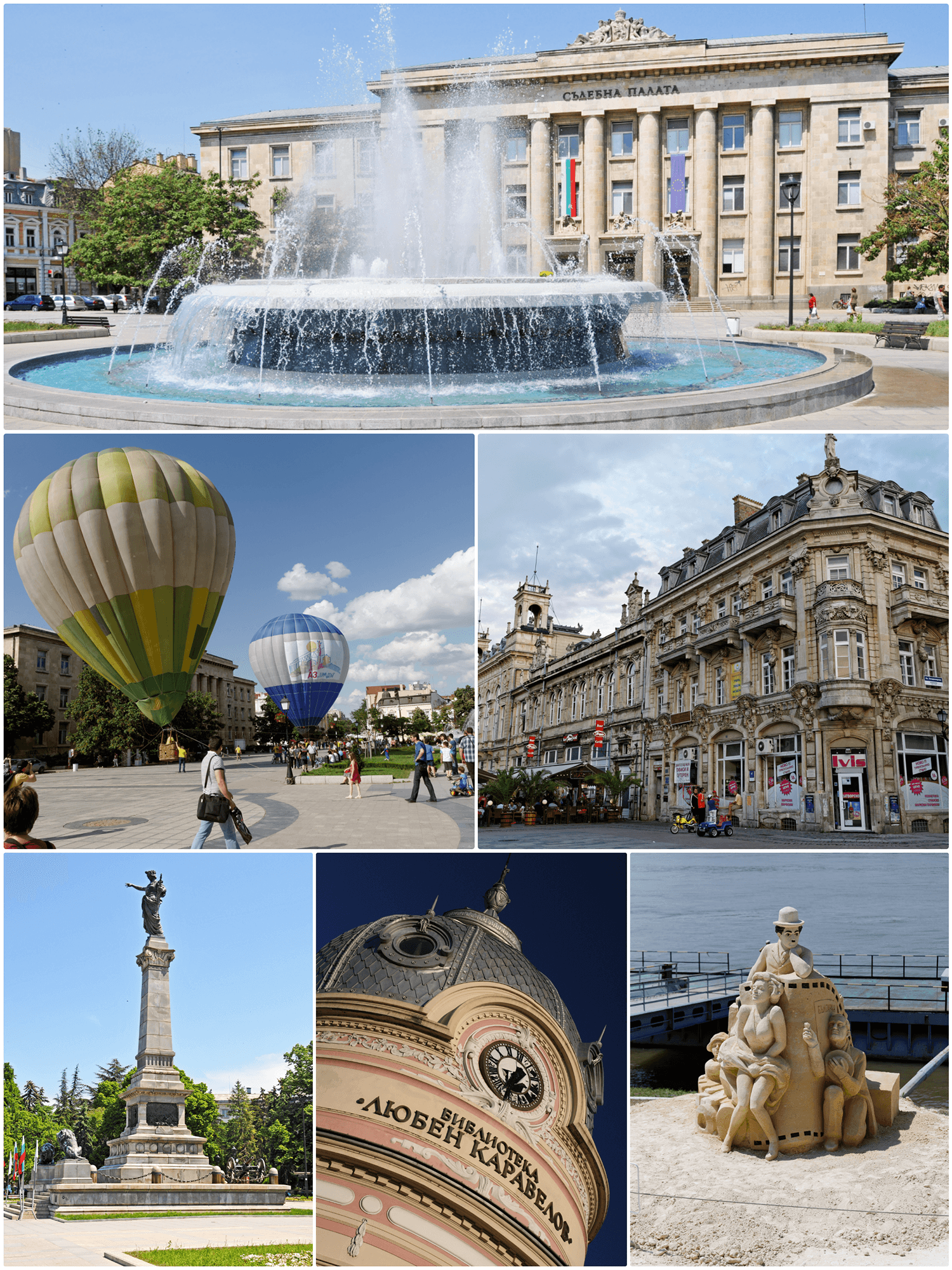
Ruse: Bulgaria's 'Little Vienna' on the Danube
A travel guide to Ruse, Bulgaria's largest Danube port and 'Little Vienna': neo-Baroque architecture, Freedom Square, the Sexaginta Prista Roman fortress, and day trips to the Ivanovo rock churches, Cherven fortress and Basarbovo monastery.
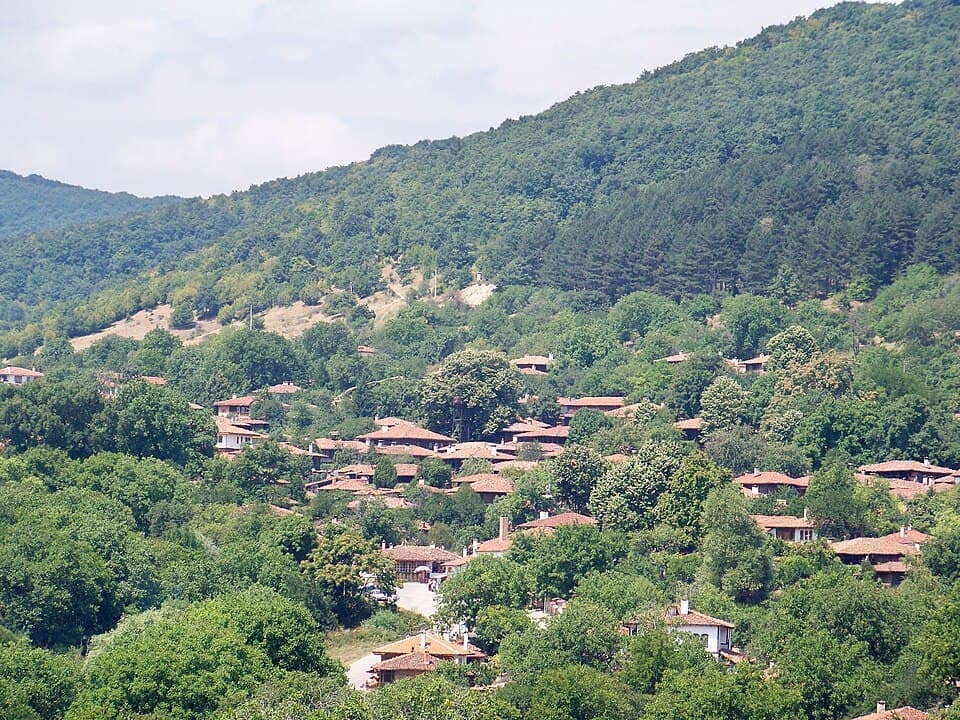
Kotel and Zheravna Weekend: Revival Houses, Kotel Carpets and Medven
A winter weekend in Kotel and Zheravna: Rakovski's Pantheon, Kotel carpets and the natural history museum, Zheravna's 200 wooden houses and Medven — getting there from Burgas and Varna.
Troyan, Oreshak and Apriltsi Weekend: Pottery, Plum Rakia and the Central Balkan
A weekend in Troyan, Oreshak and Apriltsi: Troyan pottery and plum rakia, the crafts museum, the Oreshak exhibition by Troyan Monastery, and Apriltsi as a Balkan base.
Hisarya and Pavel Banya: Spa Weekends in Sredna Gora
Hisarya or Pavel Banya for a spa weekend: Roman walls and mineral fountains, or a five-star spa base in the Rose Valley — tickets, parking, prices and which to pick.