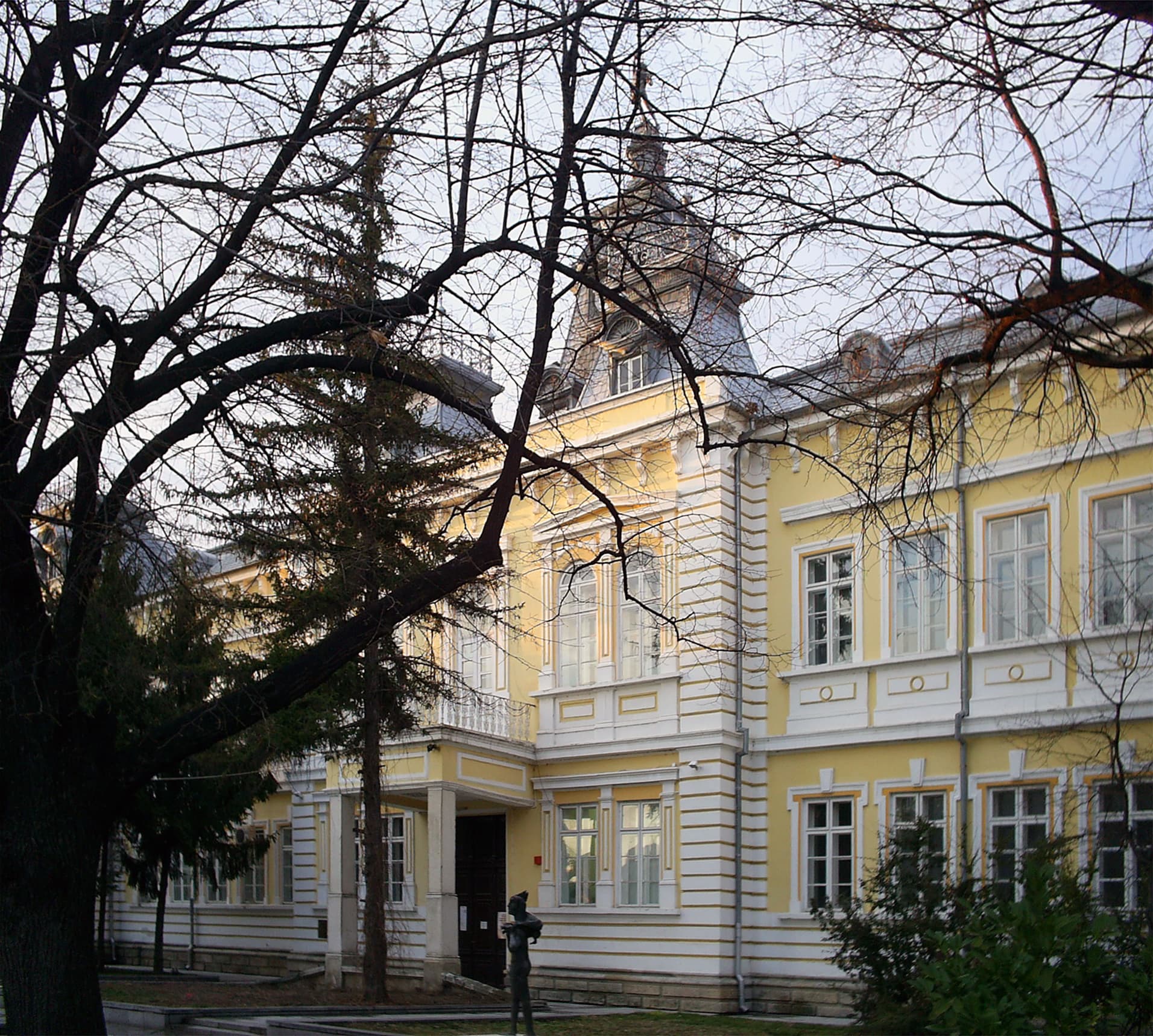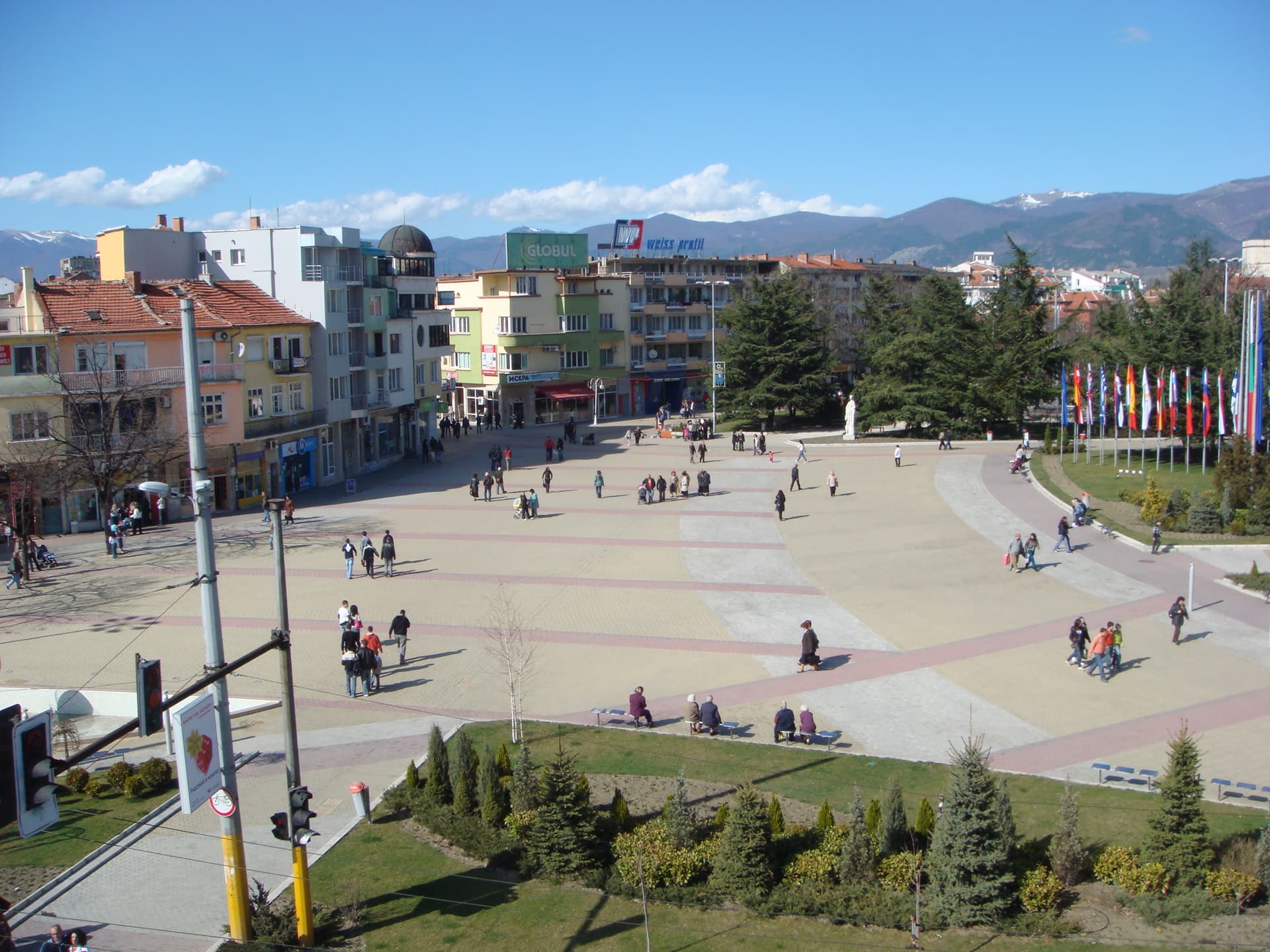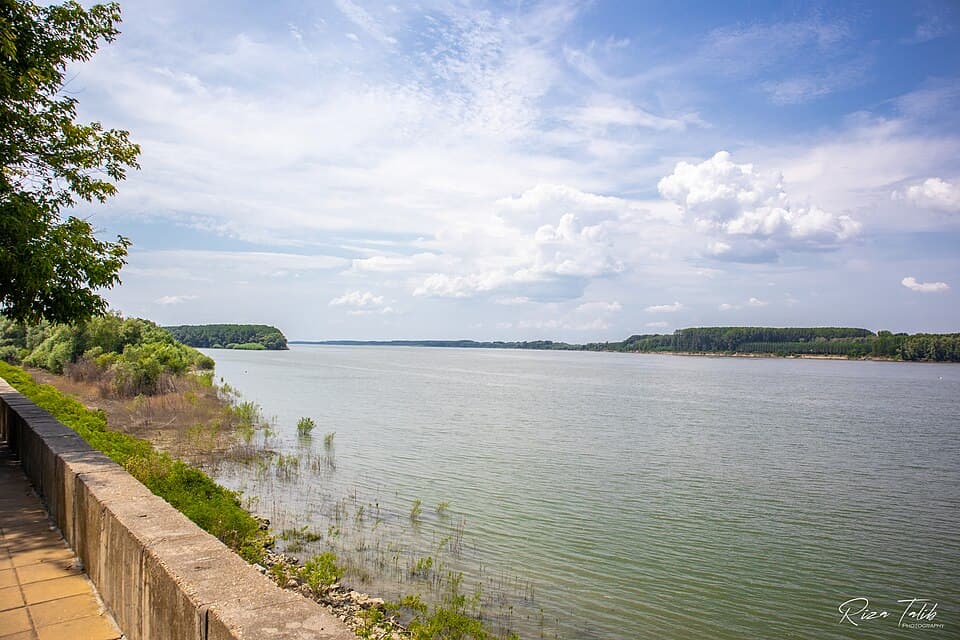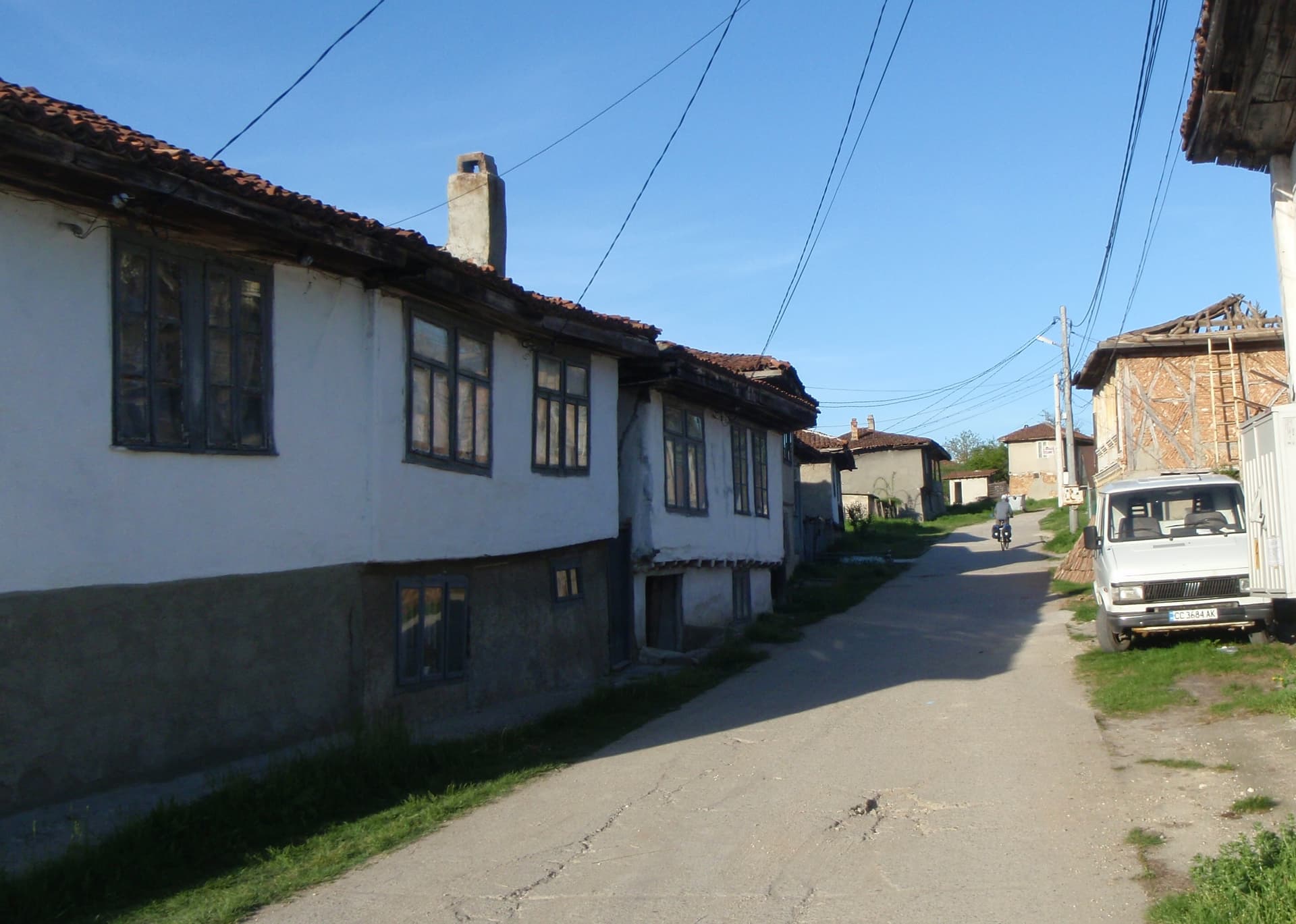
Tutrakan is a town in Silistra Province, on the bank of the Danube. It has about 6,600 inhabitants (NSI, end of 2025), and its position on the hills above the river has earned it the name "the Danube Tarnovo". The Fishermen’s Quarter and museum, the 1916 battle and the military cemetery, the fish, getting here and where to stay are in our guide below; this page is about the town’s older history and the nature around it.
In Roman times this was the fortress of Transmarisca. A stone inscription dated 18 October 294 shows that part of the 11th Claudian Legion was stationed here. The name means "the settlement beyond the marshes" — after the lowland around today’s Oltenița on the Romanian bank. Under Emperor Valens a bridge of rafts was built across the Danube here for his war against the Goths.
The town was one of the fortresses of the First Bulgarian Empire; one explanation derives its name from the Bulgar title "tarkan". In 1773 Tutrakan was taken by General Alexander Suvorov — the first time without orders. The military college sentenced him to death, but Catherine II refused to confirm the sentence, saying "Victors are not judged". In 1810 the town was taken again, by General Mikhail Kutuzov.
Tutrakan was a poor town of fishermen, craftsmen and vine-growers, but its boatyards built boats, river barges and water mills. A large church and a secular school went up in 1862, and a community centre was founded in 1873. In 1876 Tanyo Voyvoda’s band crossed the Danube near town. In the early 20th century Tutrakan was Bulgaria’s largest Danube fishing centre, and in 1940, under the Treaty of Craiova, it returned to Bulgaria.
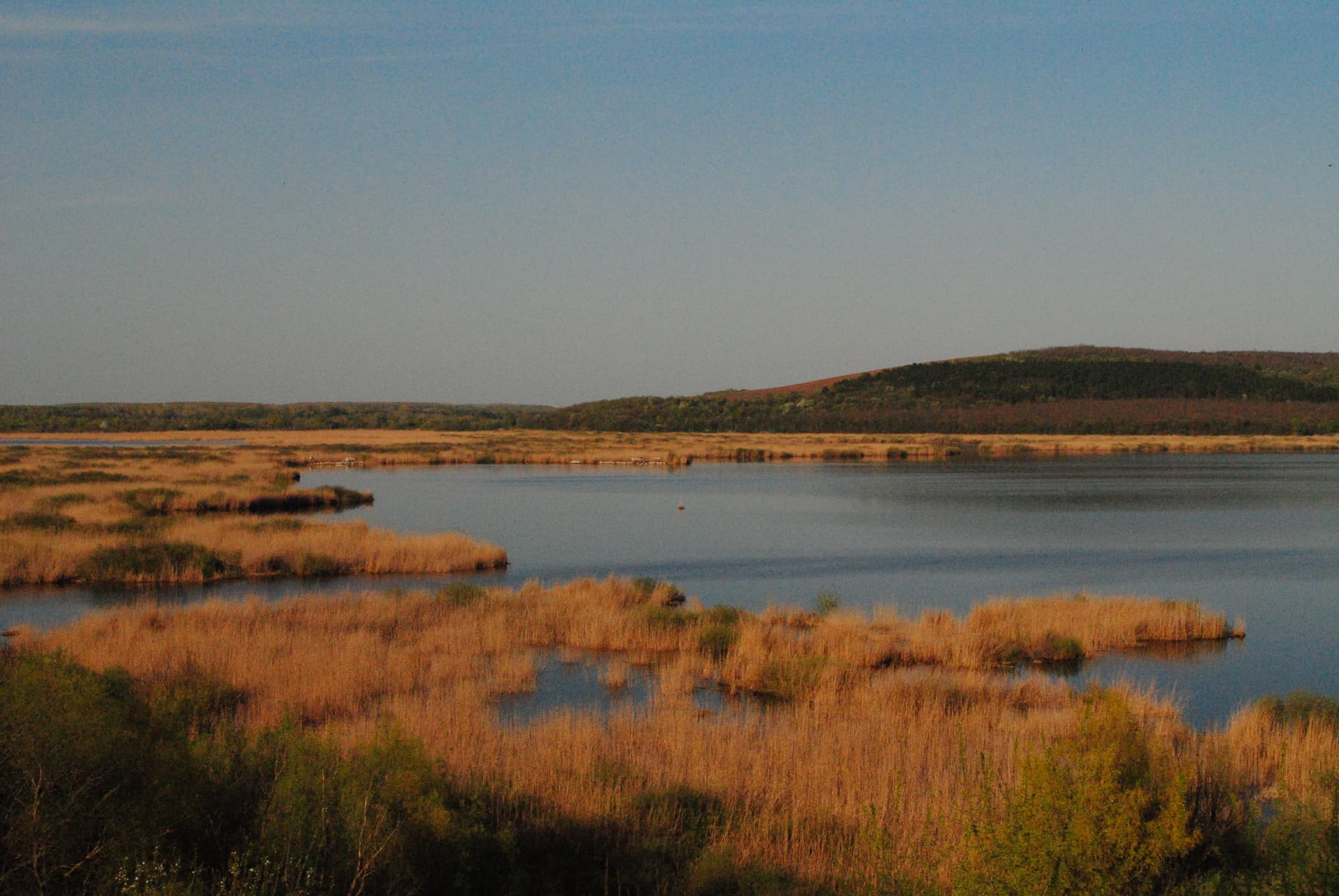
Silistra region
37.9 km away
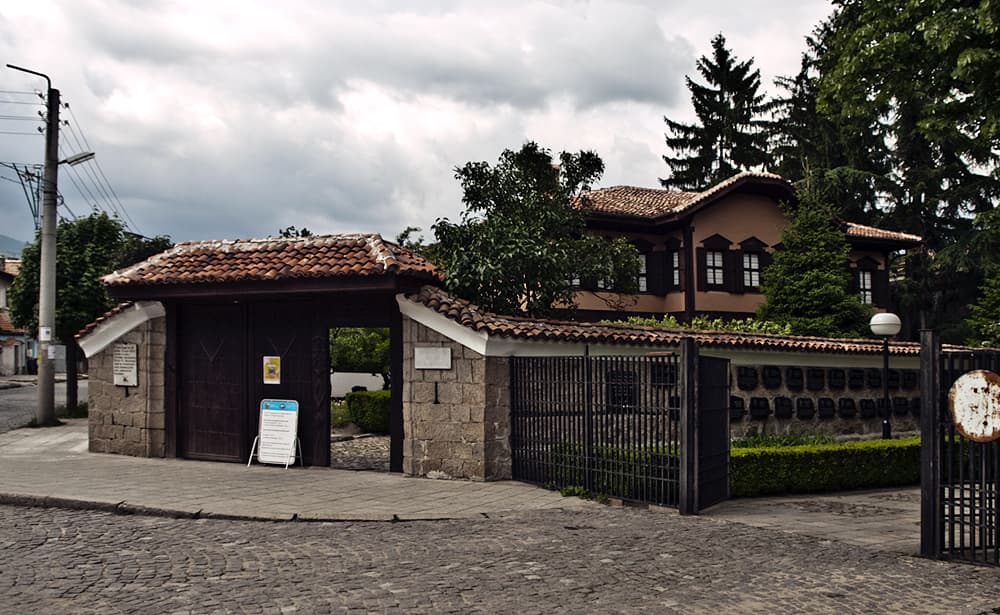
Razgrad region
40.4 km away
Tutrakan is located in Silistra, Bulgaria.
Tutrakan is most easily reached by car. Use the coordinates above to navigate, or open the location in OpenStreetMap or your preferred maps app for turn-by-turn directions. Public transport options vary by region — for remote destinations a rental car gives the most flexibility.
Tutrakan can be visited year-round, but late spring (May–June) and early autumn (September–October) offer the most pleasant weather and fewer tourists. Summer is the busiest season; winter is the quietest, with shorter daylight and possible cold weather.
Bulgarian settlements typically reward unhurried walking — historic centres, churches and monasteries, local markets, and family-run restaurants serving regional dishes. Larger towns often have museums and seasonal cultural events. The local tourist information centre is a good first stop for current opening hours and what's on.