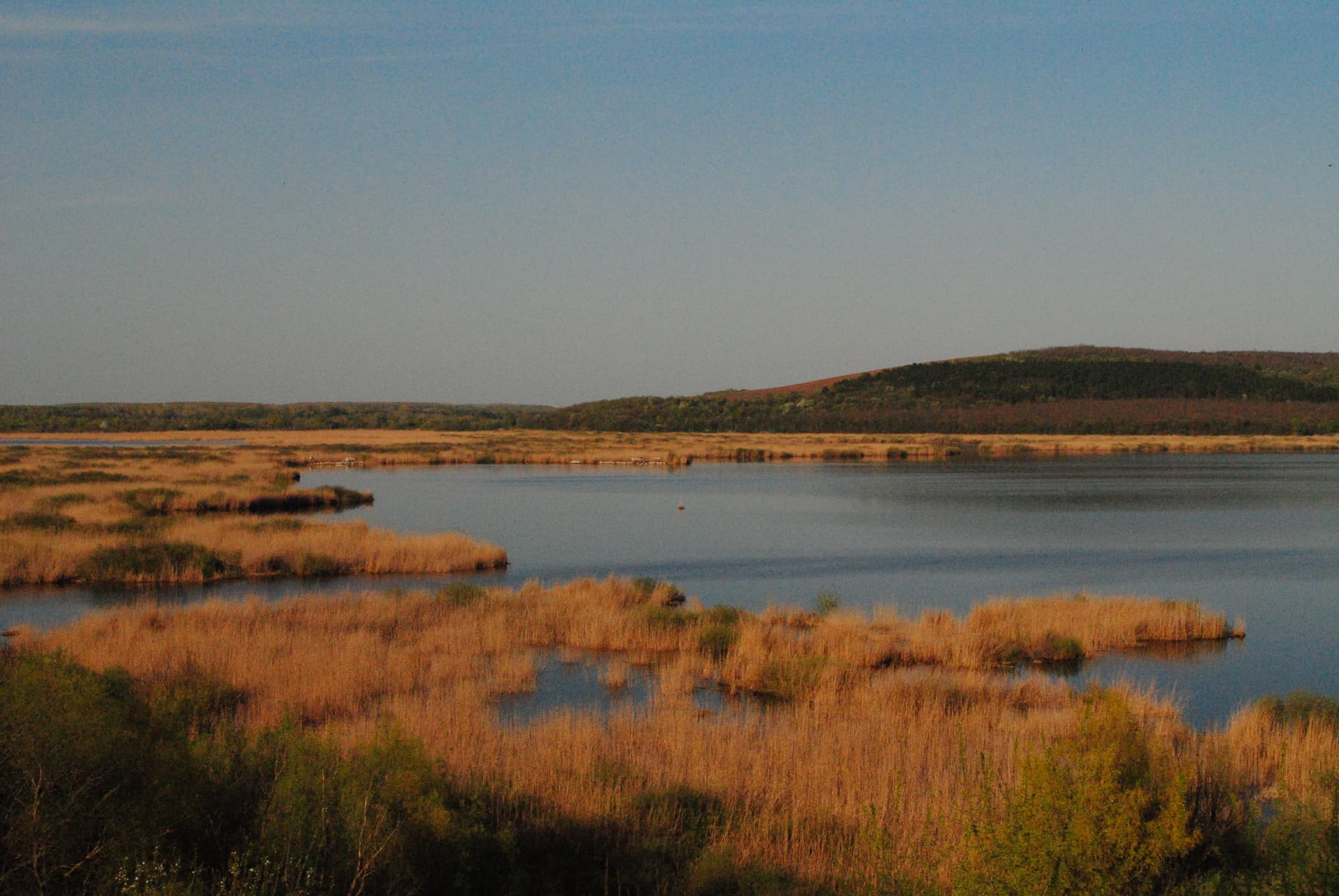
Nestled along the banks of the Danube River, just 16 km west of Silistra, Srebarna Biosphere Reserve stands as one of the most famous and ecologically significant freshwater wetlands in the world. Spanning nearly 900 hectares around Lake Srebarna, the reserve sits directly along Via Pontica—the second largest bird migration route in Europe.
The incredible birdlife of Srebarna has fascinated naturalists since the 19th century, drawing famous explorers like Felix Kanitz, Eduard Hodek, and Aleksi Petrov. After surviving dark periods of overhunting in the early 20th century, Srebarna emerged as a global model for wetland conservation:
Dense reed beds cover nearly two-thirds of the reserve, providing a safe breeding sanctuary for a breathtaking diversity of wildlife:
Visitors can experience the reserve's unique ecosystem through well-developed visitor facilities:
Silistra region
14.3 km away

Silistra region
30.1 km away
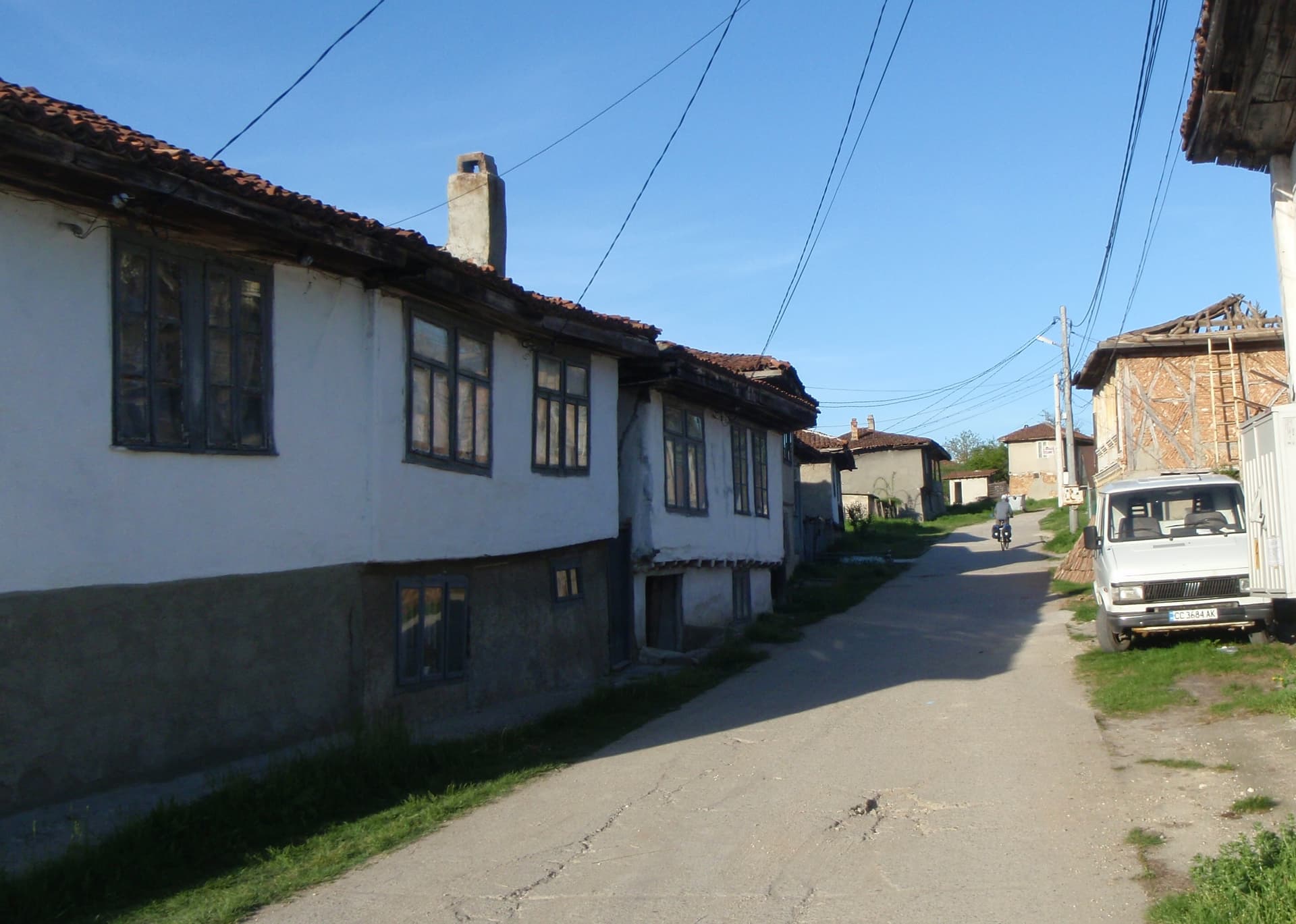
Silistra region
37.9 km away
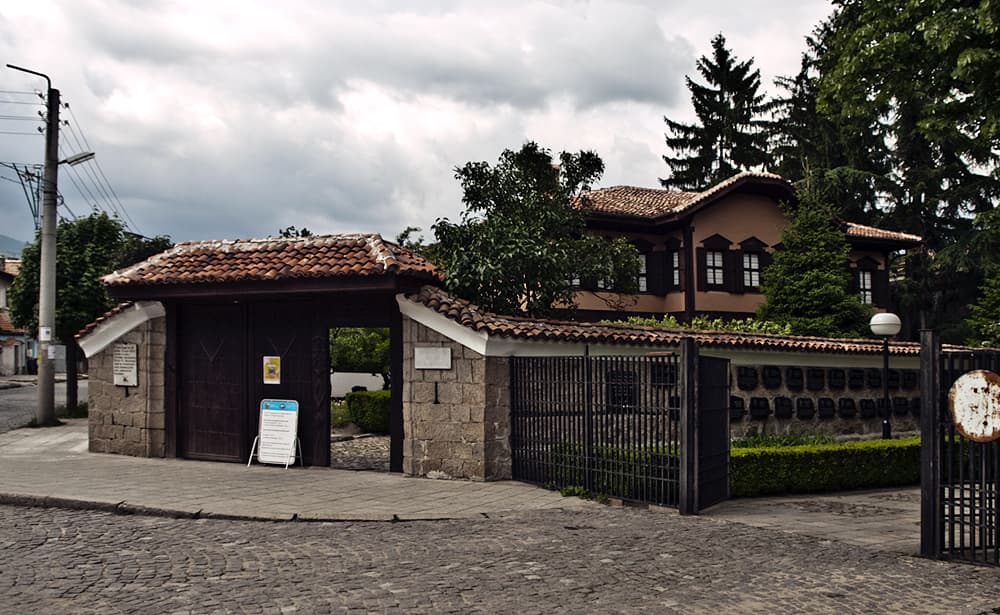
Razgrad region
48.4 km away
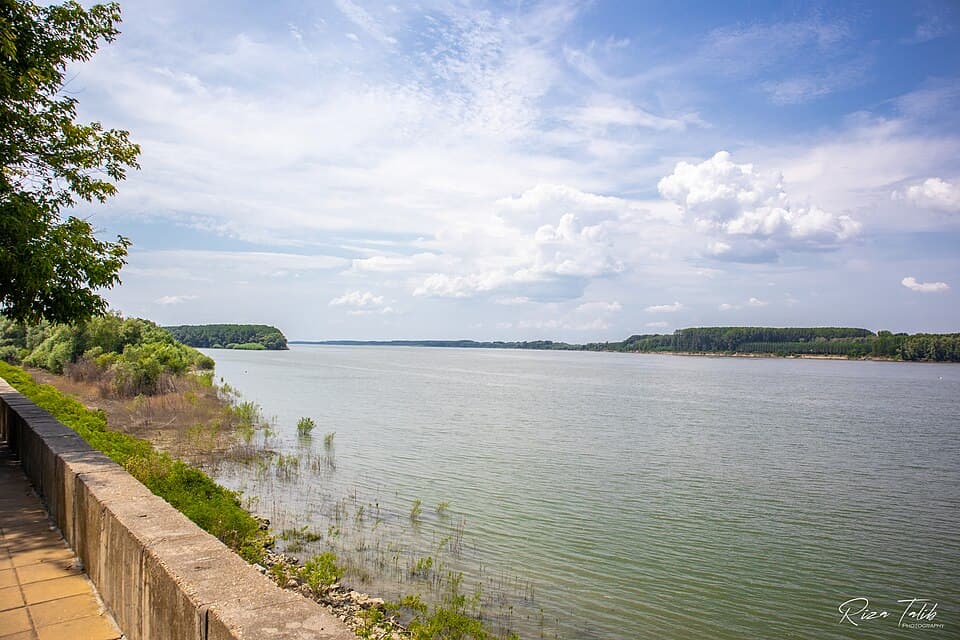
A weekend in Tutrakan: the Fishermen's Quarter and the Danube fishing museum, the 1916 military cemetery, Danube fish — and Srebarna and Silistra for day two.
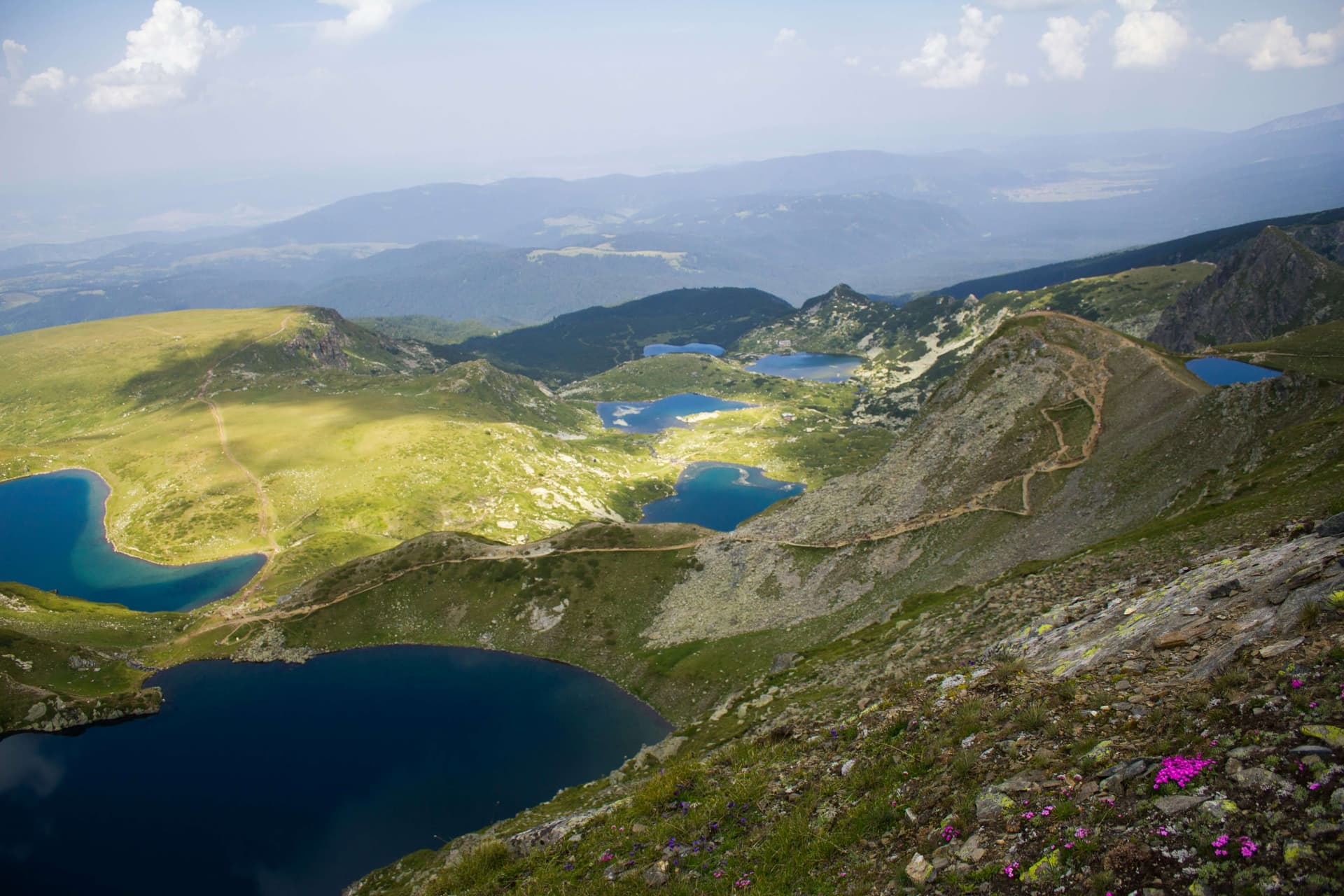
A guide to Bulgaria's three national parks and eleven nature parks — Rila, Pirin, Central Balkan, Vitosha, Vrachanski Balkan, Strandzha, Persina and the rest — what the categories mean and which to visit.
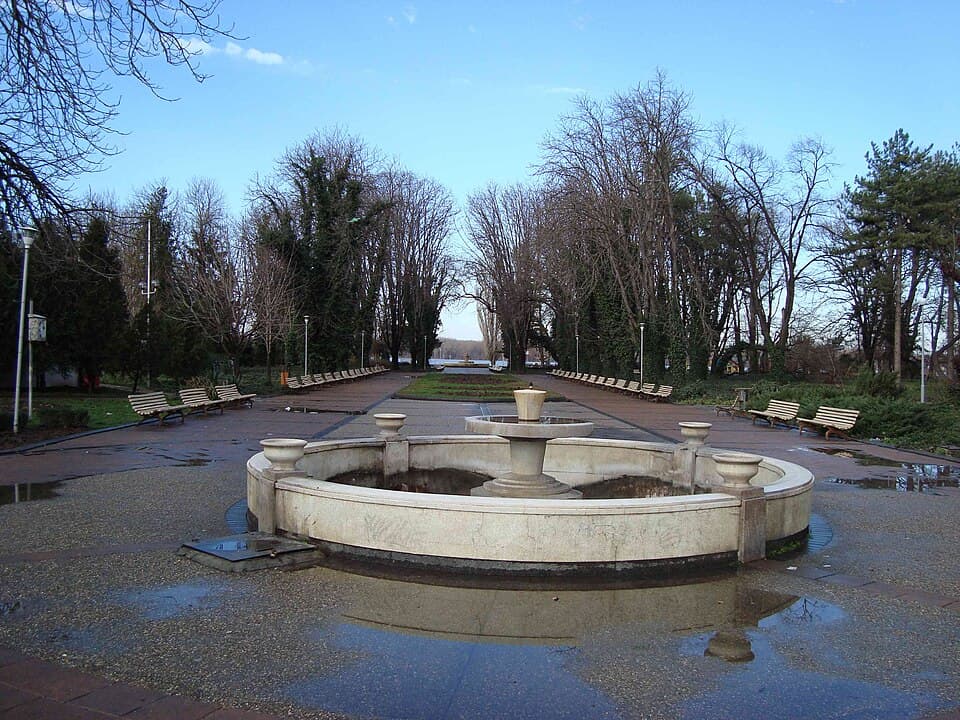
A travel guide to Bulgaria's far northeast: the Danube town of Silistra with its Roman tomb and Medzhidi Tabia fortress, and the UNESCO Srebarna Nature Reserve — a pelican-filled lake and one of Europe's great birdwatching spots.
Srebarna Nature Reserve is located in Silistra, Bulgaria.
Srebarna Nature Reserve is most easily reached by car. Use the coordinates above to navigate, or open the location in OpenStreetMap or your preferred maps app for turn-by-turn directions. Public transport options vary by region — for remote destinations a rental car gives the most flexibility.
Srebarna Nature Reserve is best walked from May through October, when the trail is clear of snow and weather is generally stable. Summer middays can be hot at lower altitudes — start early. Winter walking requires proper gear and route knowledge.
Suitability depends on the specific route. Bulgarian trails range from paved family-friendly paths to multi-day high-mountain crossings. Check the length, elevation gain, and surface before setting off. Sturdy footwear, water, and a basic map (offline or paper) are essential even on short walks.