

Shumen, Madara, Pliska and Preslav: A Weekend in Bulgaria's First Capitals
In this guide▾
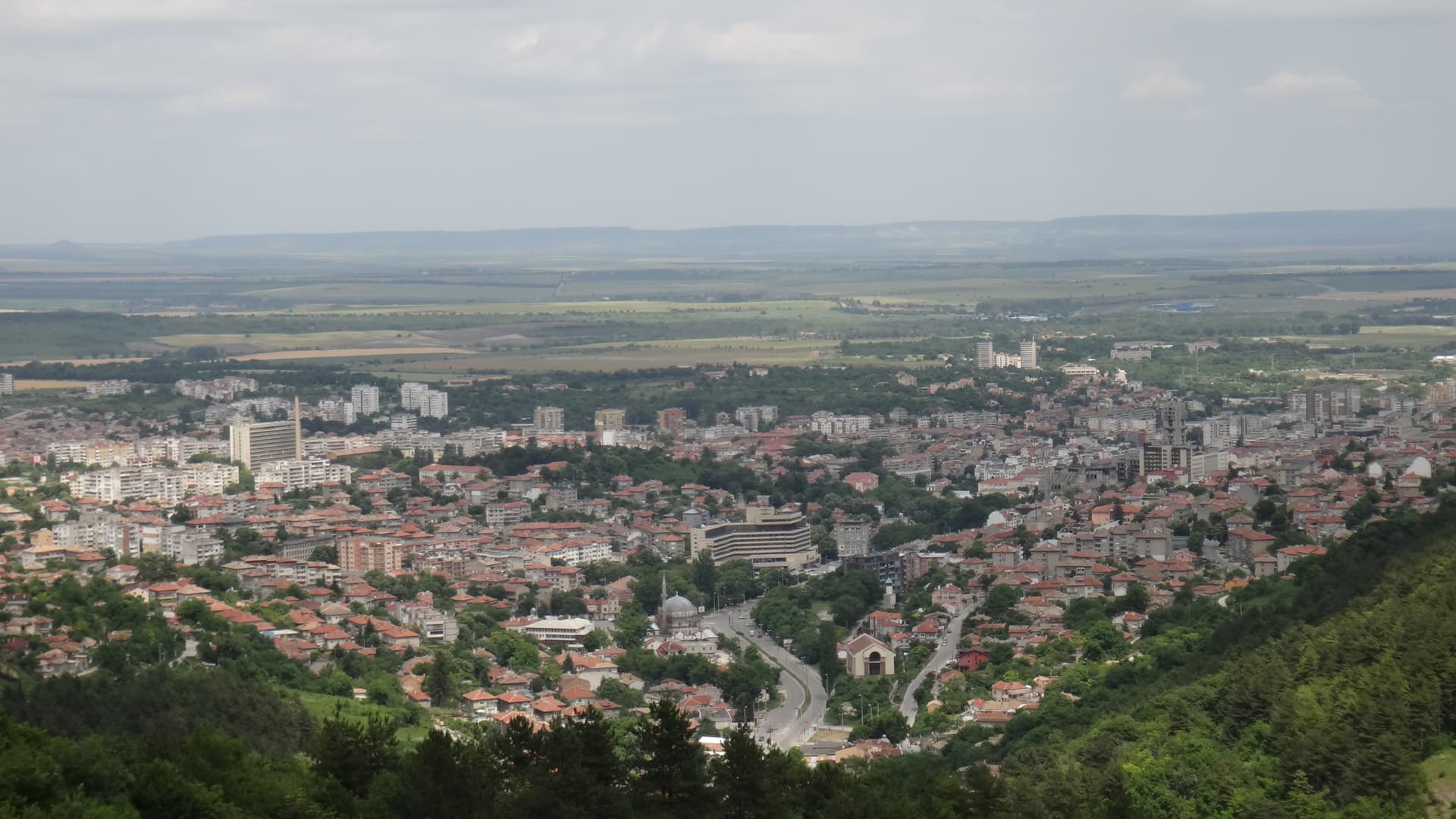
Madara, Pliska and Veliki Preslav are usually "done" in one day from Varna. That is a mistake if you want to understand them. With two nights in Shumen you have time for the Rider and the fortress on the plateau above it, for the vast site of the first capital, for the gold in the museum of the second — and for Shumen itself, which day-trip routes skip: a fortress, a monument on the plateau above the town, and Bulgaria's largest mosque.
👑 Why a weekend, not a day trip
These four places tell one story: from the founding of the state in 681 at Pliska, through the adoption of Christianity in 864, to the Golden Age of Tsar Simeon at Preslav. Madara is the sacred site between the two capitals, and Shumen is the natural base: 13 km from Madara, 20 from Pliska and 27 from Preslav.
As a day trip from Varna — covered in our day trips from Varna — you see the three sites at speed. Staying the night adds Shumen and the plateau, lets you take the museums without racing the sunset, and spares you the drive back in the dark.
🚗 Getting to Shumen
By car
- From Varna: about 80 km on the Hemus motorway, around 50 minutes.
- From Ruse: about 130 km, around 2 hours.
- From Burgas: about 150–175 km, around 2 h 15 – 2 h 30 depending on the route.
- From Veliko Tarnovo: about 150–160 km, around 2 h 15.
A vignette is required on motorways and national roads — see our driving in Bulgaria guide.
By train and bus
Shumen is on the Sofia–Varna railway line — the trains from Sofia are long but comfortable. There are also frequent buses from Varna. Madara and Kaspichan are stations on the same line, but it is a fair walk from Madara station to the Rider, and there is no convenient transport to Pliska or Preslav. Without a car, take a taxi from Shumen to the sites. Our getting around Bulgaria guide explains how tickets work.
🅿️ Parking
At the Madara Rider, Pliska, Shumen fortress and the plateau monument you can usually park by the entrance. Central Shumen is a blue zone: €0.60 an hour, Monday to Saturday from 8:00 to 19:00. Sunday is free (checked October 2026). Most hotels have their own parking — ask when you book.
🐎 Madara
The Madara Rider was carved in the 8th century into a sheer cliff, 23 m above the ground: a horseman spearing a lion, followed by a dog, with Greek inscriptions recording events between Bulgaria and Byzantium from 705 onwards. The relief is 2.6 m high and 3.1 m wide and has been on the UNESCO World Heritage list since 1979.

A staircase climbs to the viewing platform below the relief. The reserve is more than the Rider: the Nymphs' Cave beneath the cliffs, the remains of pagan sanctuaries and a monastery, and the fortress on the plateau above — more steps, but the view over the plain from there is the best in Madara. Allow 1.5–2 hours.
Ticket: €3.58 (pensioners €2.56, students €1.53); family tickets from €5.11. Open daily: April–October 8:30–19:00, shorter in winter.
🏰 Pliska — the first capital
Pliska was Bulgaria's capital from 681 to 893. The outer city covered about 23 km², ringed by an earth rampart and a ditch up to 10 m wide. The inner city was a stone fortress holding the palaces of Khan Krum and Khan Omurtag. About 1.3 km northeast of the palace is the Great Basilica — a church-and-palace complex with a basilica, an archbishop's residence and a monastery, completed around 875, after the conversion to Christianity.

Pliska is a large open site with a lot of walking and little shade. Start at the museum (opened in 2006) and its models of the palace — the ruins make much more sense afterwards. Allow at least 2 hours, and drive between the inner city and the basilica.
Ticket: €3.58 (pensioners €2.56, students €1.53); family tickets from €5.11. Open daily, with shorter hours in winter.
✨ Veliki Preslav — the Golden Age
Veliki Preslav was the capital from 893 to 971 — the city of Tsar Simeon and the Preslav Literary School. The reserve covers the inner and outer city, the palace complex and the Round (Golden) Church, once decorated with mosaics, marble and ceramic icons.

The reason not to skip the museum is the Preslav gold treasure in its treasury — one of the most valuable finds from medieval Bulgaria. It also holds the ceramic icon of St Theodore Stratilates from the Patleina monastery. Photography is not allowed in the treasury.
Ticket: one ticket for the museum and the reserve — €5 (students €2, pensioners €3, family €9); a guide is €10 and a multimedia guide €3. Prices are valid from 1 January 2026.
Winter warning: from December to March the museum opens on weekdays only (9:00–17:00); on Saturdays and Sundays it is by appointment. Phone on the Friday if you want to get in at the weekend.
🦁 Shumen: the fortress, the monument and the mosque
Shumen sits at the foot of the Shumen Plateau — a nature park of forest and trails rising 250–300 m above the town.
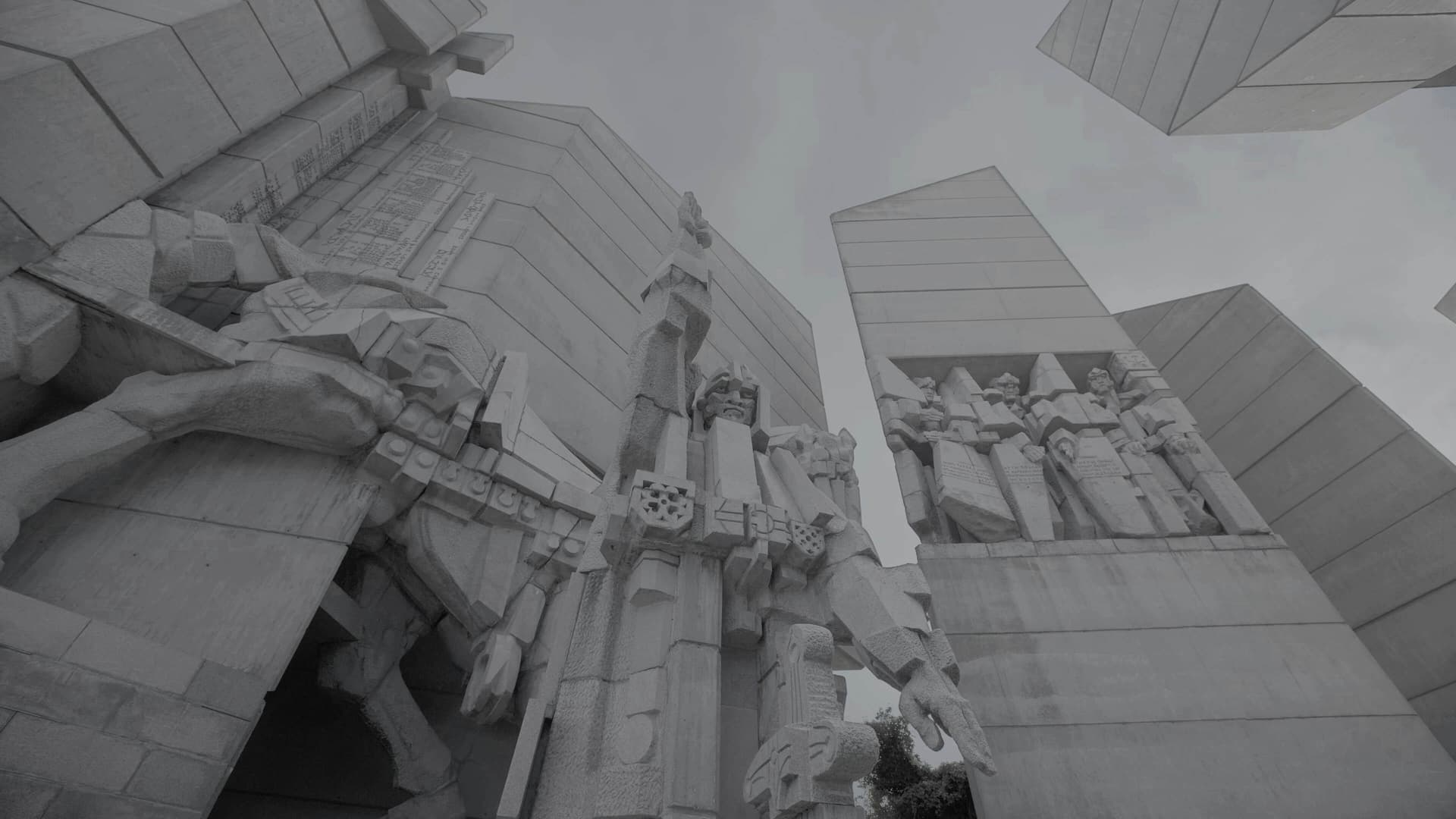
- The Founders of the Bulgarian State monument — on the plateau at 450 m, unveiled on 28 November 1981. Eight giant concrete figures of the rulers of the 7th–10th centuries — from Asparuh and Tervel to Boris and Simeon — with a lion on top. The visitor centre holds what is billed as Europe's largest outdoor mosaic triptych. Open April–October 8:30–19:00 and November–March 8:30–17:00; entry is free on the last Monday of each month. Tickets (checked October 2026): €3.07 (pensioners €2.05, children and students up to 26 €1.53, family of two adults and two children under 16 €6.65). A guided talk is €7.67 in Bulgarian or €12.78 in a foreign language, and for €0.51 you can step into a reconstructed Proto-Bulgarian yurt or have a photo taken in Proto-Bulgarian dress.
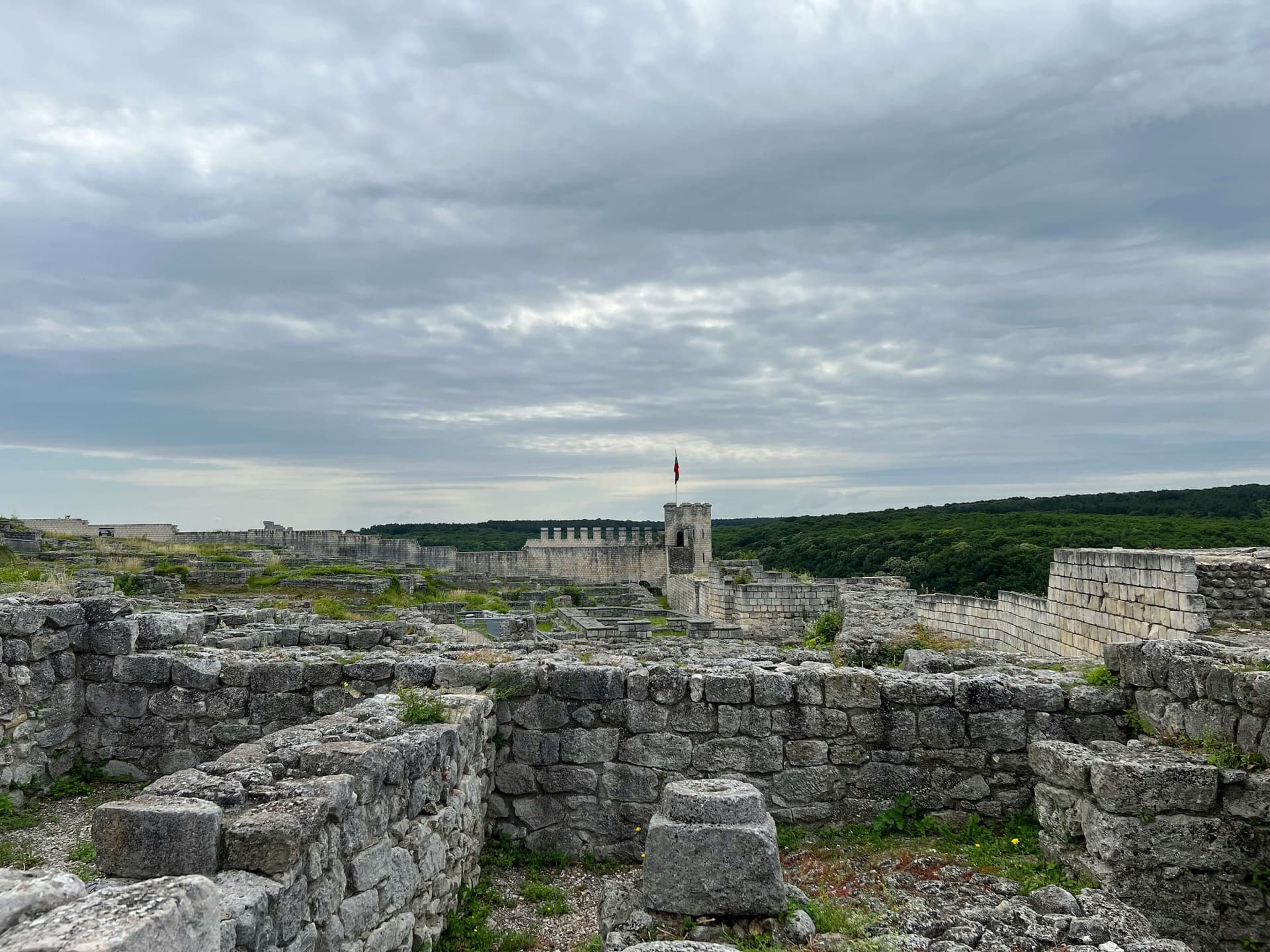
- Shumen fortress — with a history running from the Thracians to the Ottoman sieges of 1388 and 1444. Ticket €3.07 (pensioners €2.05, students €1.02); family tickets from €5.11.
- The Tombul Mosque — 18th century, the largest in Bulgaria, with an inner courtyard and a madrasa. Open 9:00–18:00 every day, all year. Entry €2.05 (students €1.02); a talk in Bulgarian is €3.07 and taking photos costs €1.02 (prices listed in leva, converted; checked October 2026).
- The Regional History Museum — the main exhibition (€3.58, pensioners €2.56, students €1.53) with finds from across the region. Weekend opening is limited in winter, so check ahead.
- The house museums — for a rainy afternoon, the museum runs four houses of notable Shumen people: the composer Pancho Vladigerov, the Hungarian revolutionary Lajos Kossuth, the playwright Dobri Voynikov and the revolutionary Panayot Volov. €2.05 each (pensioners €1.53, students €1.02), or €6.14 for all four.

The centre also has the Bezisten covered market (1529) and the clock tower (1740).
Museum extras (checked October 2026): a guided talk at any Shumen Regional History Museum site is €7.67 in Bulgarian or €10.23 in a foreign language; at Madara and Pliska an audio-video talk with a film is €7.67. Family tickets for Madara, Pliska, the main museum and the fortress are €5.11 for one adult and two children or €6.14 for two adults and one child. Under-7s go free.
⏱️ How long you need — a two-day route
Day 1 — Pliska and Madara. Pliska in the morning (2 hours, starting at the museum), then 14 km to Madara — the Rider and the plateau fortress while it is still light. Evening in Shumen.
Day 2 — Preslav and Shumen. Veliki Preslav in the morning — the museum with the treasure and the Round Church. After lunch back to Shumen (27 km): the plateau monument and the fortress. If you are heading back to Varna, Shumen to Varna is about 50 minutes.
Between December and March: swap the days or arrive on Friday so that Preslav falls on a weekday.
With one night: do Madara and Pliska on day one and Preslav on the morning of day two, and save Shumen for next time.
📅 When to go
- April–June and September–October — the best time: long days, opening hours until 19:00, and pleasant walking on the open sites.
- November — quiet and still easy; the sites close earlier, so start early.
- December–March — possible, but plan around Preslav's hours and the short days.
- Summer — Pliska is an open field with no shade; bring water and a hat and avoid midday.
🏨 Where to stay
Shumen is the only sensible base — Madara, Pliska and Preslav are villages and small towns with little choice. Shumen has hotels in the centre and near the park below the plateau, usually cheaper than Varna, especially outside summer. Hotels start at about €40 a night for two (checked October 2026); prices climb with the location and what the hotel offers.
If you are coming from Varna and only want one night, a hotel in Shumen still beats driving back in the evening — you save 50 minutes each way.
👨👩👧 With kids
The route works well for school-age children: the Rider in the cliff, the stairs to the plateau fortress, the giant figures of the monument and a "real" fortress in Shumen. At Pliska the sites are far apart — drive between them. The stairs at Madara are not pushchair-friendly. Under-7s go free at the Shumen museum sites, and there are family tickets. More ideas in our Bulgaria with kids guide.
🧭 What's nearby
- Ovech Fortress in Provadia — about 30 minutes from Shumen, an easy stop on the way back to Varna.
- Varna — if you want to finish the weekend by the sea, see our weekend in Varna.
- Ruse and the Ivanovo rock churches — about 2 hours north, if you are coming from or going back that way.
- Veliko Tarnovo — capital of the Second Bulgarian Empire, about 2 h 15 west; the natural next chapter of the story.
💡 What first-timers get wrong
- Doing all three sites in one day from Varna. It can be done, but you miss Shumen and the plateau, and rush Preslav.
- Turning up at Preslav on a winter Saturday without calling. From December to March the museum is by appointment only at weekends.
- Starting Pliska at the ruins. See the museum and its models first — otherwise the field looks like stones in the grass.
- Stopping at the Rider and not climbing to the plateau. The view from the fortress above is half of Madara.
- Arriving at 16:00 in November. Winter hours end early, and so does the light.
Plan your weekend in Bulgaria's first capitals with Mestala.com.
This guide covers 8 places
Want more Mestala in your Google results?
Add mestala.com as a preferred source and our guides will show up more often when you search. Requires a Google account.
Frequently Asked Questions
How long do I need for Shumen, Madara, Pliska and Preslav?▾
A weekend with two nights in Shumen. Day one: Pliska and Madara (14 km apart). Day two: Veliki Preslav and Shumen, with the fortress and the Founders of the Bulgarian State monument. With one night you can see three of the four, but in a rush.
How far is Shumen from Varna?▾
About 80 km on the Hemus motorway — around 50 minutes by car. Madara is about 75 km from Varna, Pliska about 70 km and Preslav about 95 km. From Shumen it is 13 km to Madara, 20 km to Pliska and 27 km to Veliki Preslav.
How much are tickets for Madara and Pliska?▾
As of October 2026, a standard ticket for Madara and for Pliska is €3.58 (pensioners €2.56, students €1.53). The Shumen Regional History Museum also sells a package ticket for all its sites — including Madara, Pliska and Shumen fortress — for €12.78, valid for 3 days. Veliki Preslav belongs to a different museum: entry is €5. Prices may change.
How much does the Founders of the Bulgarian State monument cost?▾
As of October 2026, entry to the monument on the Shumen Plateau (also known as the 1300 Years of Bulgaria monument) is €3.07 for adults, €2.05 for pensioners, €1.53 for children and students up to 26, and €6.65 for a family of two adults and two children under 16. It is open 8:30–19:00 from April to October and 8:30–17:00 from November to March.
Are the sites open at weekends in winter?▾
Madara, Pliska and Shumen fortress open daily but close earlier in winter — around 17:00. The Veliki Preslav museum, from December to March, opens on weekdays only; on Saturdays and Sundays it is by appointment by phone. If you are coming for a winter weekend, call on the Friday.
Can I do this without a car?▾
Getting to Shumen, yes: trains on the Sofia–Varna line stop there, and there are frequent buses from Varna. Madara has a station on the same line, but it is a fair walk from there to the Rider. For Pliska and Preslav you realistically need a car or a taxi from Shumen.
What is the Madara Rider?▾
An 8th-century rock relief carved 23 m up a sheer cliff near the village of Madara: a horseman spearing a lion, followed by a dog, with inscriptions in Greek. It is the only rock relief of its kind in Europe from that period, and has been on the UNESCO World Heritage list since 1979.
Is this route good for children?▾
For school-age children, yes: fortresses, ruins and stairs go down better than museum cases. At Pliska the sites are far apart, so drive between them. Children under 7 go free at Madara, Pliska and Shumen fortress.
You might be interested in
Hisarya and Pavel Banya: Spa Weekends in Sredna Gora
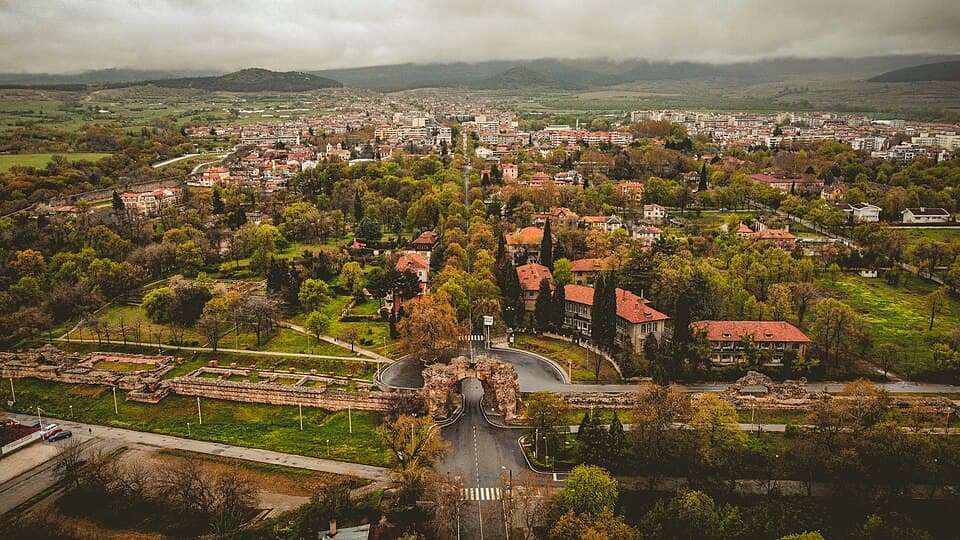
Hisarya or Pavel Banya for a spa weekend: Roman walls and mineral fountains, or a five-star spa base in the Rose Valley — tickets, parking, prices and which to pick.
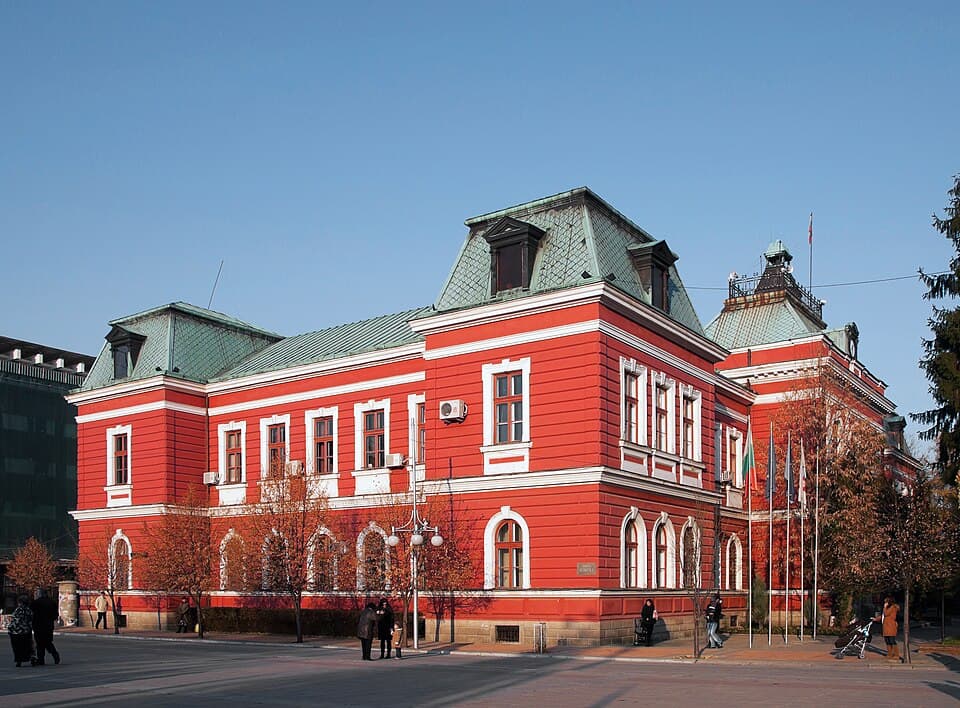
Kyustendil Weekend: Chifte Banya, Maystora and Hisarlaka
A weekend in Kyustendil: soaking in the Chifte Banya bathhouse, the Vladimir Dimitrov – Maystora gallery, Roman Pautalia, Hisarlaka fortress, Osogovo and what's nearby — getting there from Sofia.
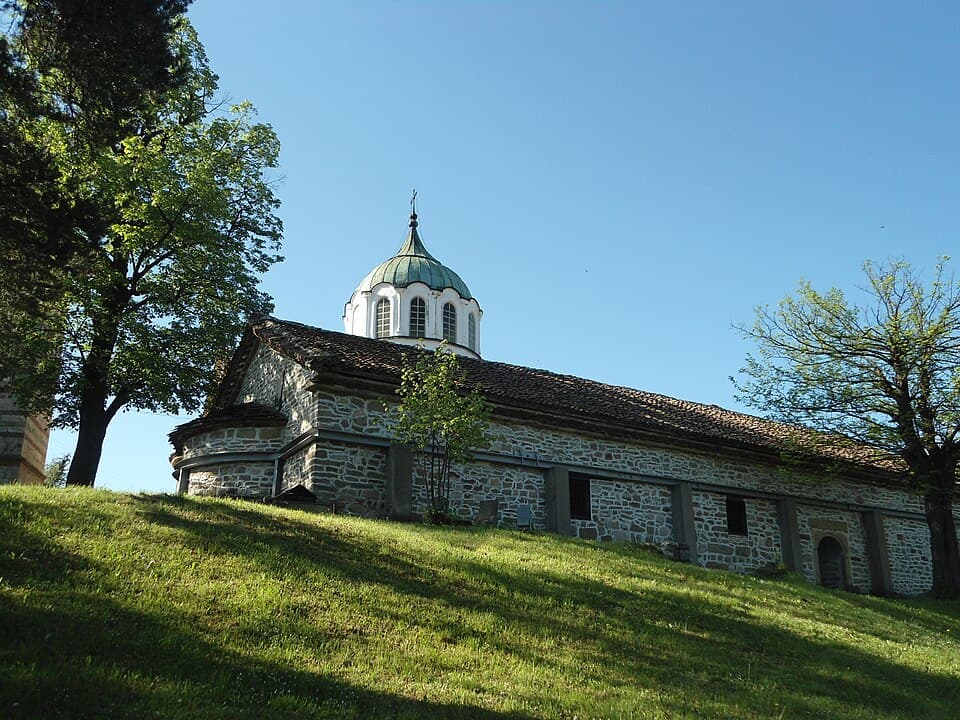
Elena, Bulgaria: A Guest-House Weekend, Elena Ham and the Elena Balkan
A weekend in Elena: the Daskalolivnitsa museum complex, Elena ham and its festival, the walk to Kapinovo Monastery, how to get there and when to go.
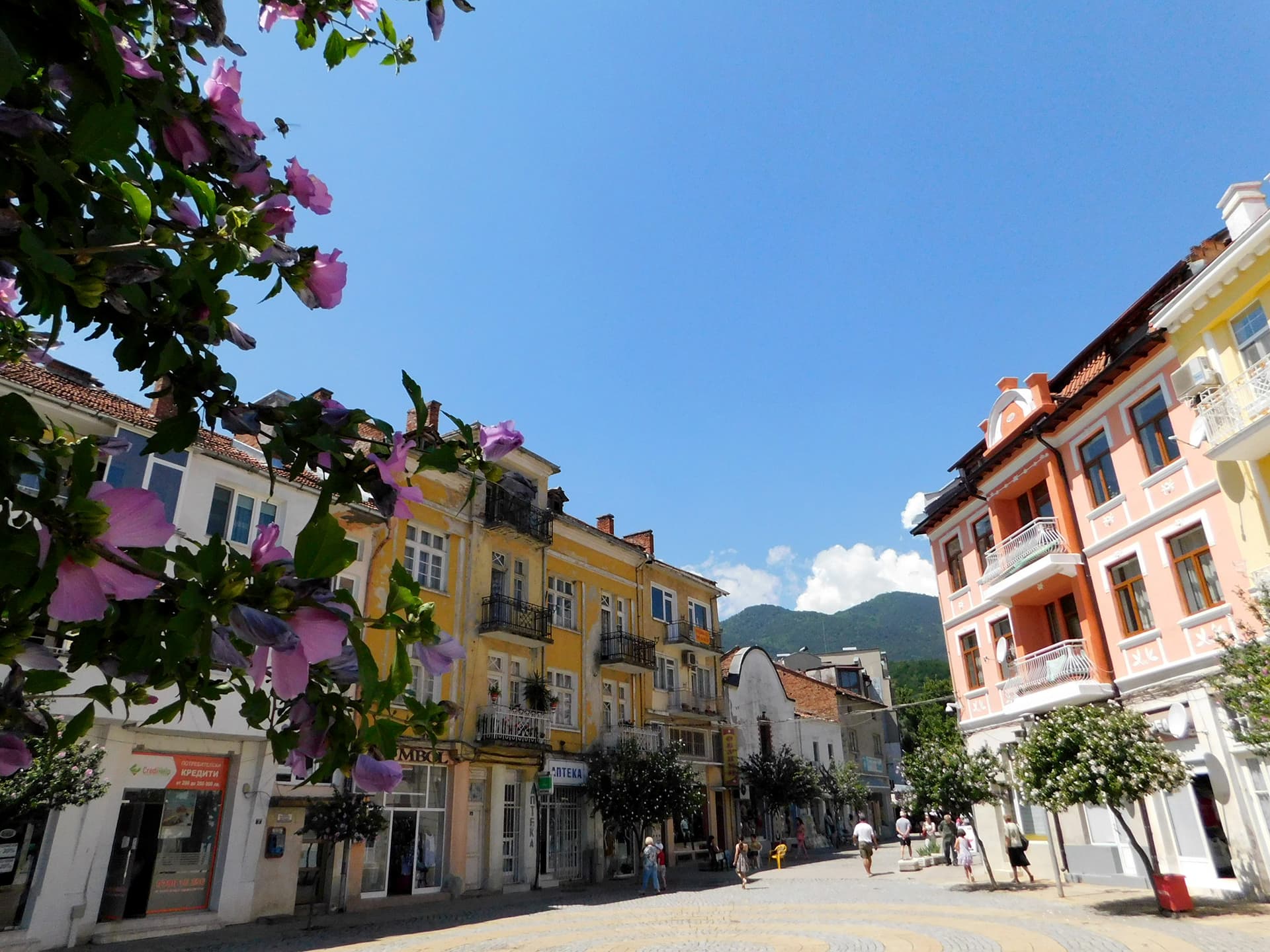
Gotse Delchev: Kovachevitsa, Leshten & the Mesta Valley
Roman ruins at Nicopolis ad Nestum, the stone villages of Kovachevitsa and Leshten, and Ognyanovo's hot springs — what to see around Gotse Delchev.