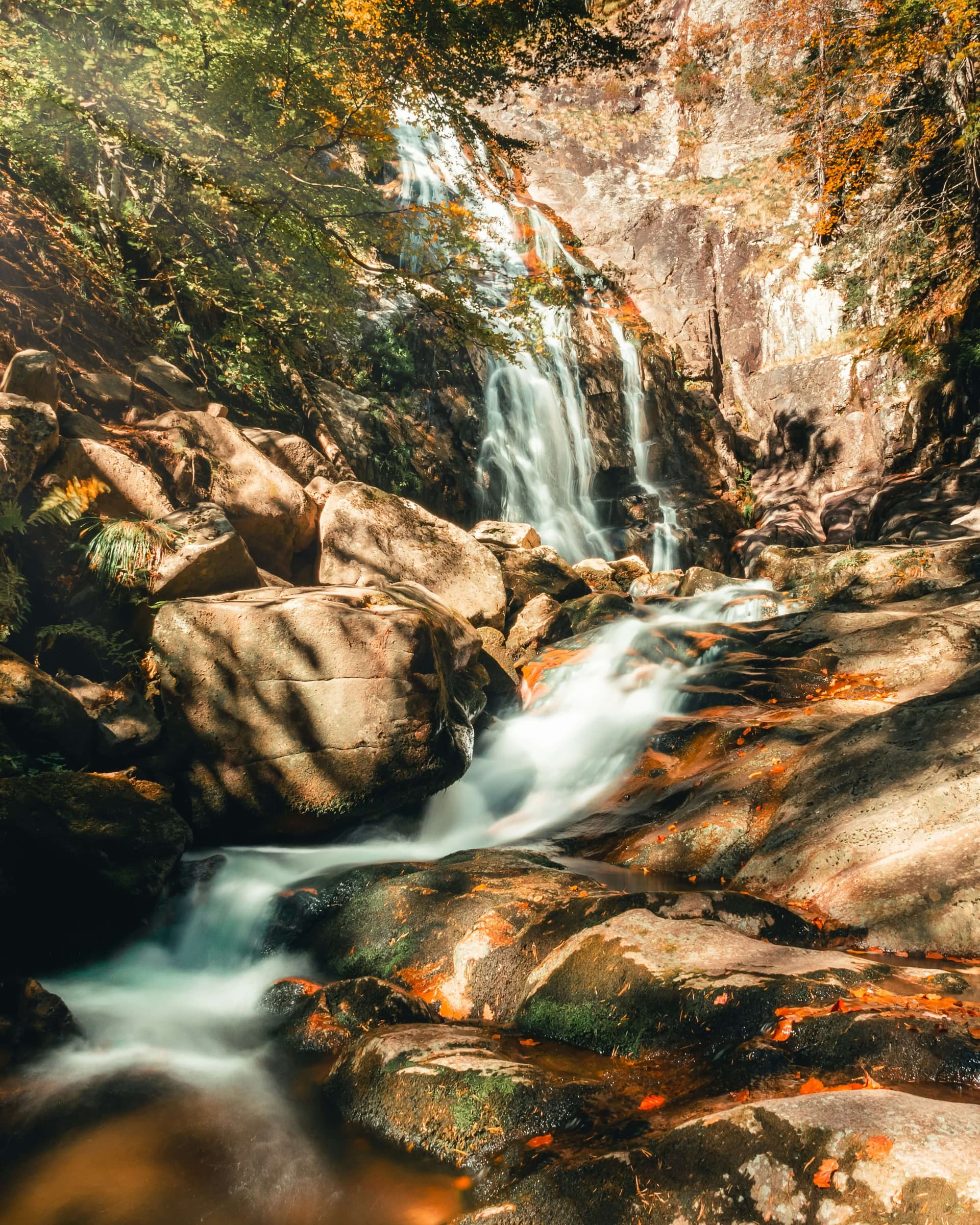
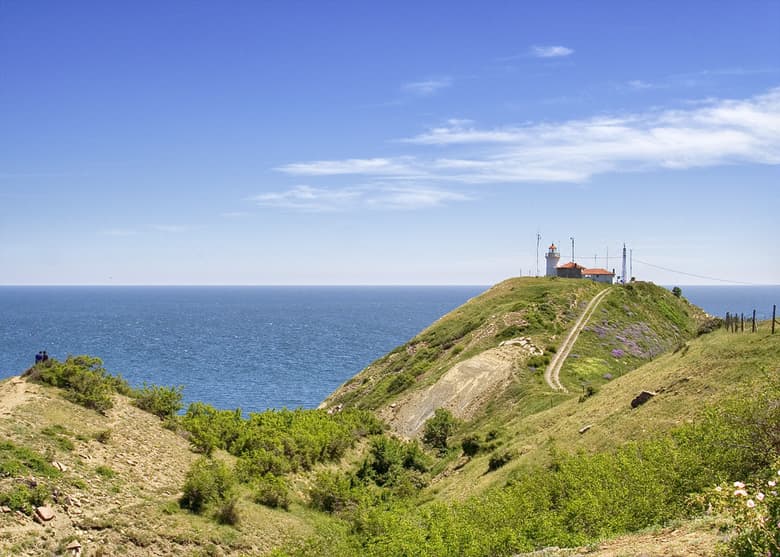
Rising directly above the city of Shumen, Shumen Plateau Nature Park is one of the most remarkable geomorphological landmarks in the Eastern Danubian Plain. Established as a protected area in 1980 to preserve its rich plant life, diverse wildlife, and iconic karst landscapes, the park covers nearly 3,900 hectares. Its proximity to the city, sweeping cliff rims, and well-maintained trail networks make it a premier destination for hiking, outdoor sports, and cultural tourism.
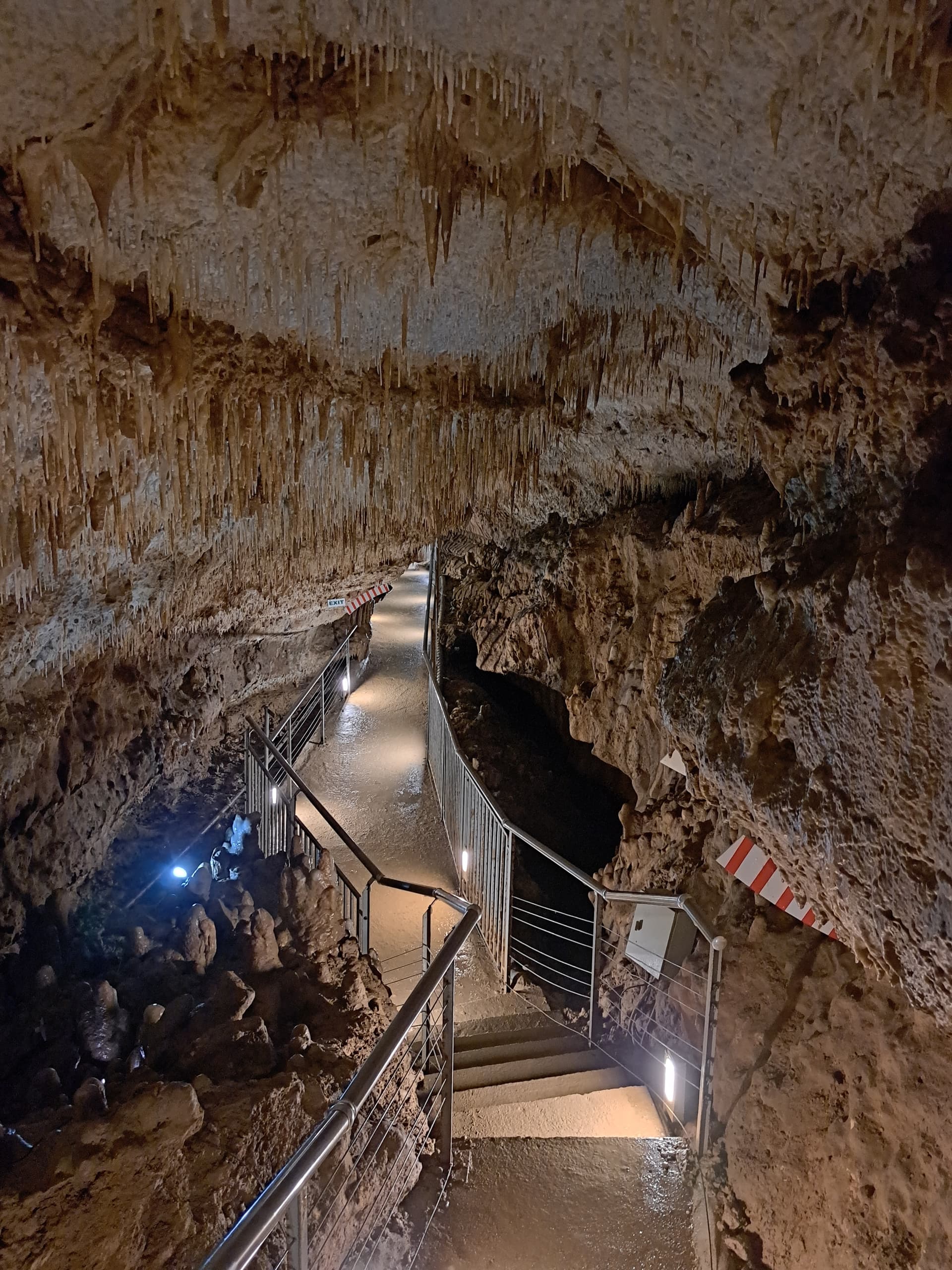
The Shumen Plateau maintains an average altitude of 350 meters, with its highest point reaching 502 meters at the "Tarnov Tabiya" site. Composed primarily of limestone, sandstone, and marl, the plateau features over 60 caves carved out by natural forces. The most famous is Biserna Cave ("Pearl Cave")—a two-story underground system spanning 2.6 kilometers in length.
Dense woodlands and shrub ecosystems cover nearly 90% of the park's total territory.
Strategically elevated and naturally fortified, the Shumen Plateau has been continuously inhabited since antiquity:
Shumen region
0.7 km away

Shumen region
1.2 km away
Shumen region
3.3 km away
Shumen region
3.7 km away
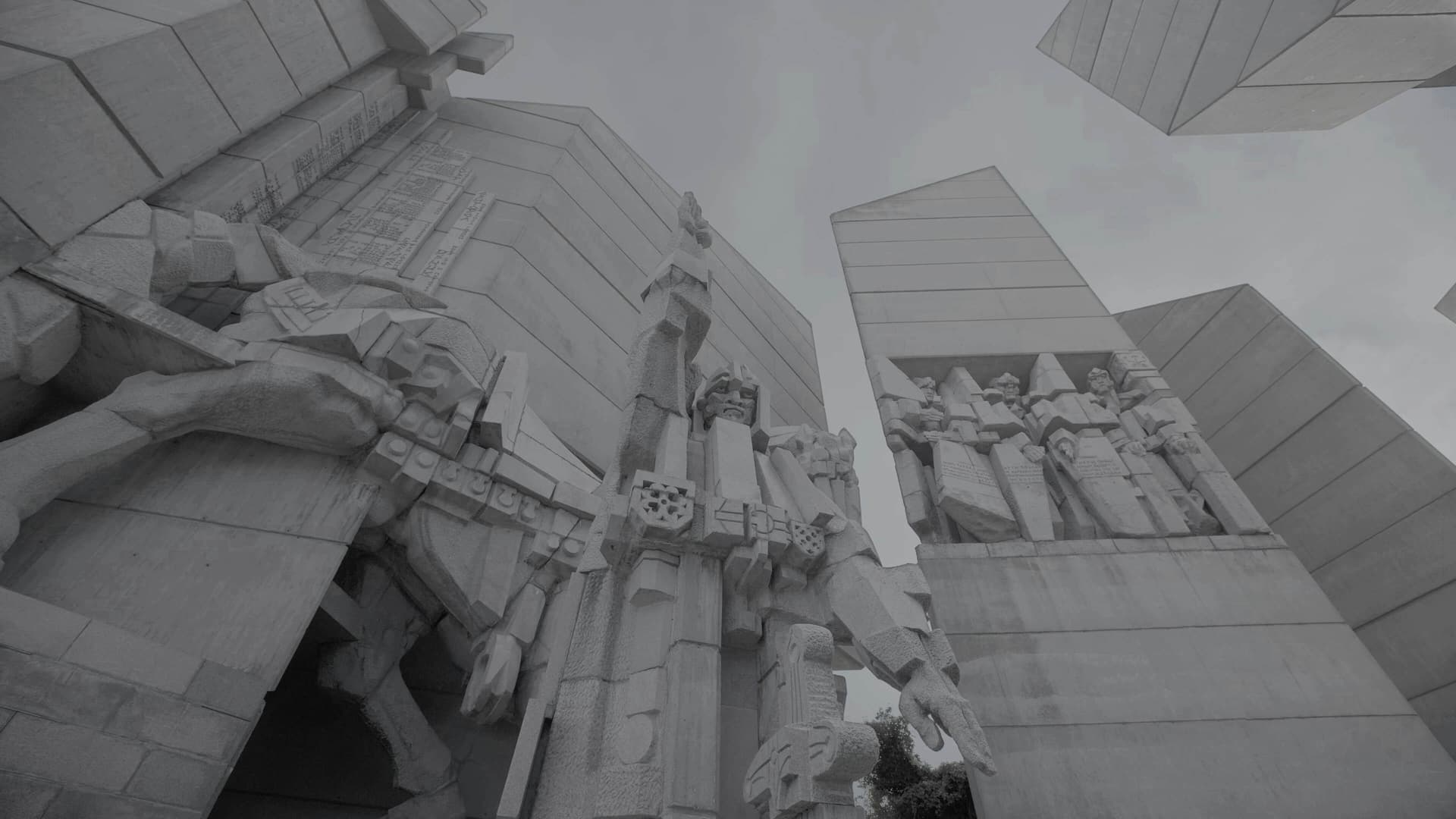
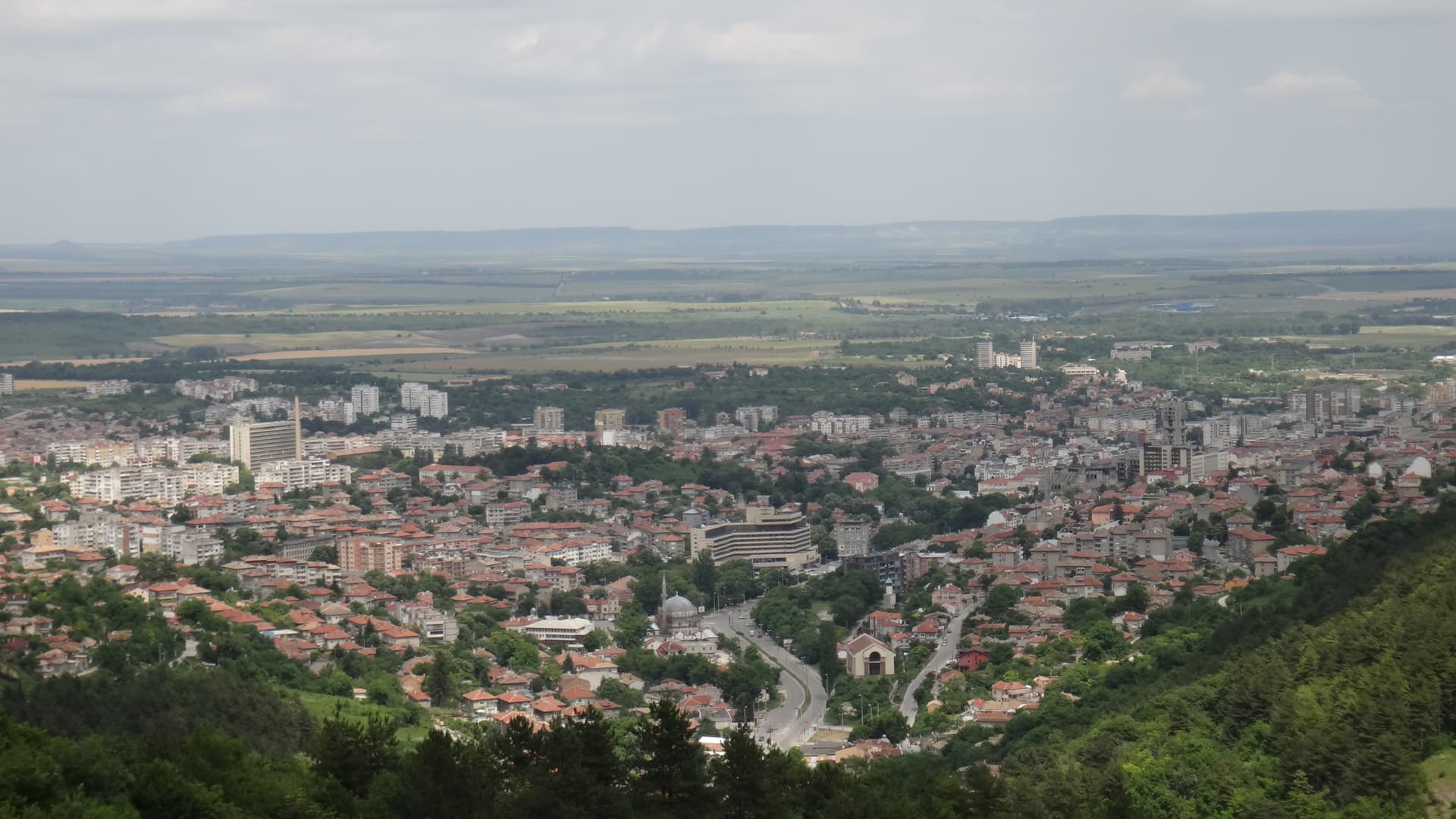
A weekend based in Shumen: the Madara Rider, Pliska, Veliki Preslav, Shumen fortress and the plateau monument — tickets, winter opening hours and a two-day route.
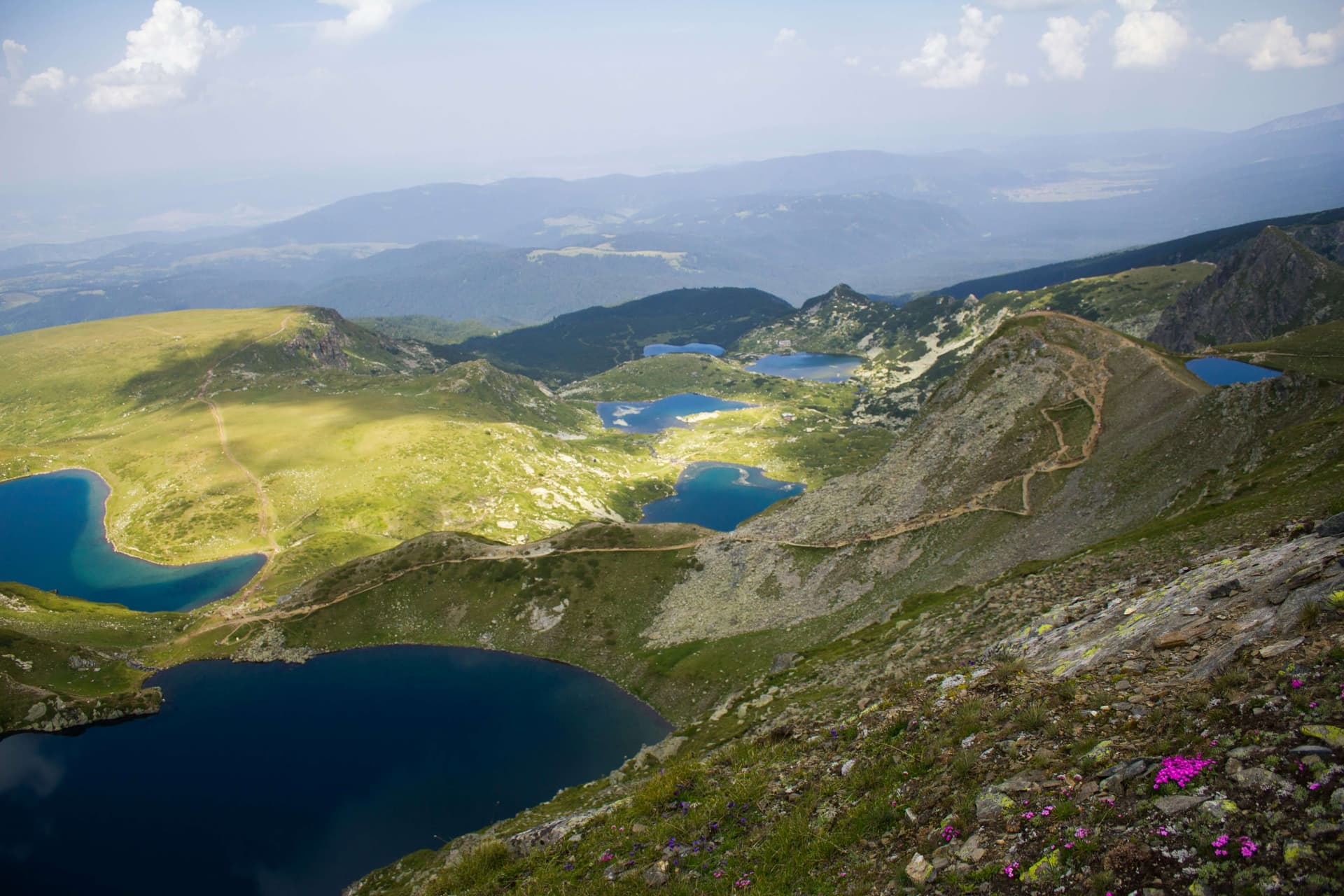
A guide to Bulgaria's three national parks and eleven nature parks — Rila, Pirin, Central Balkan, Vitosha, Vrachanski Balkan, Strandzha, Persina and the rest — what the categories mean and which to visit.
Shumen Plateau Nature Park is located in Shumen, Bulgaria.
Shumen Plateau Nature Park is most easily reached by car. Use the coordinates above to navigate, or open the location in OpenStreetMap or your preferred maps app for turn-by-turn directions. Public transport options vary by region — for remote destinations a rental car gives the most flexibility.
Shumen Plateau Nature Park is best walked from May through October, when the trail is clear of snow and weather is generally stable. Summer middays can be hot at lower altitudes — start early. Winter walking requires proper gear and route knowledge.
Suitability depends on the specific route. Bulgarian trails range from paved family-friendly paths to multi-day high-mountain crossings. Check the length, elevation gain, and surface before setting off. Sturdy footwear, water, and a basic map (offline or paper) are essential even on short walks.