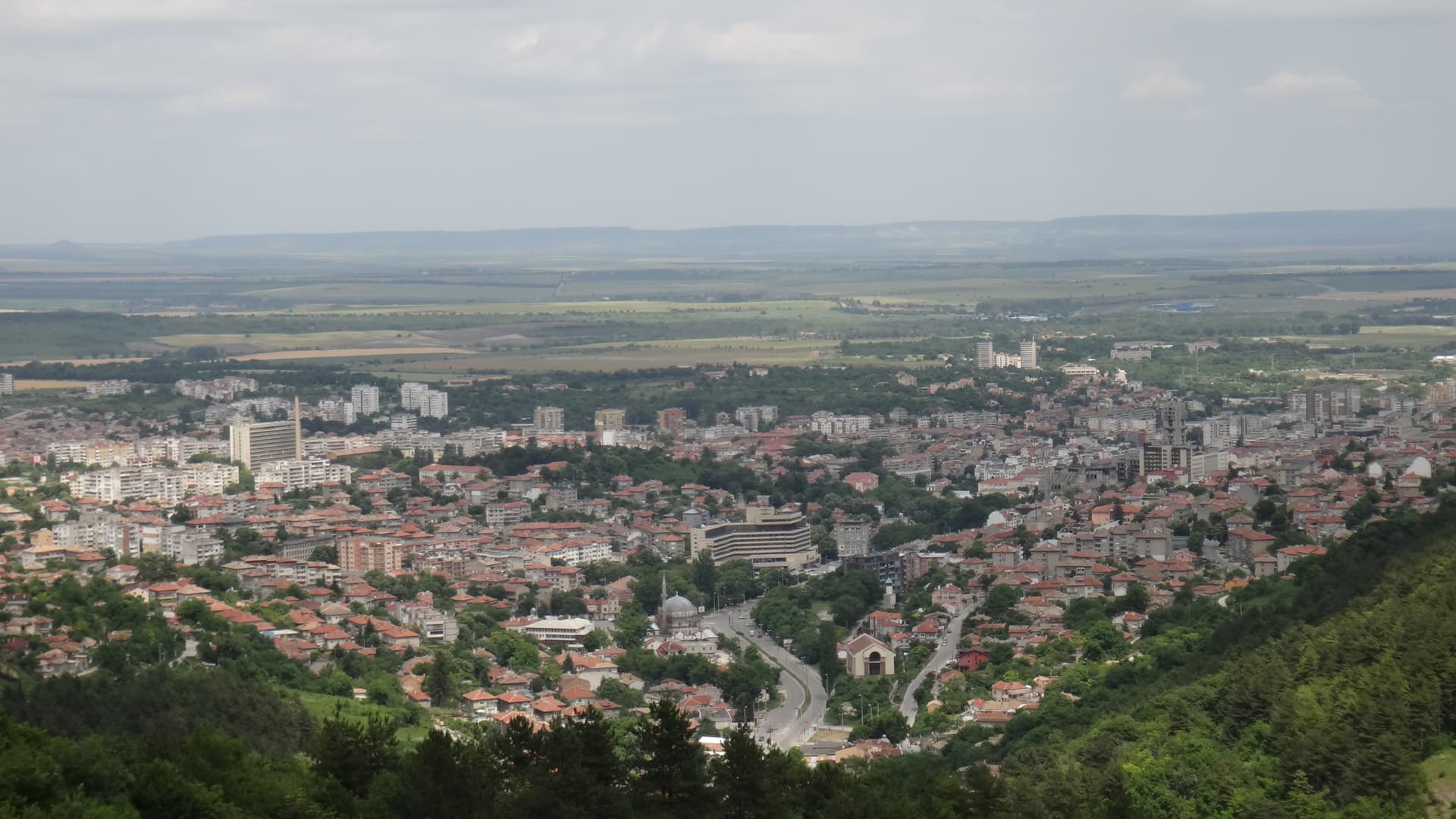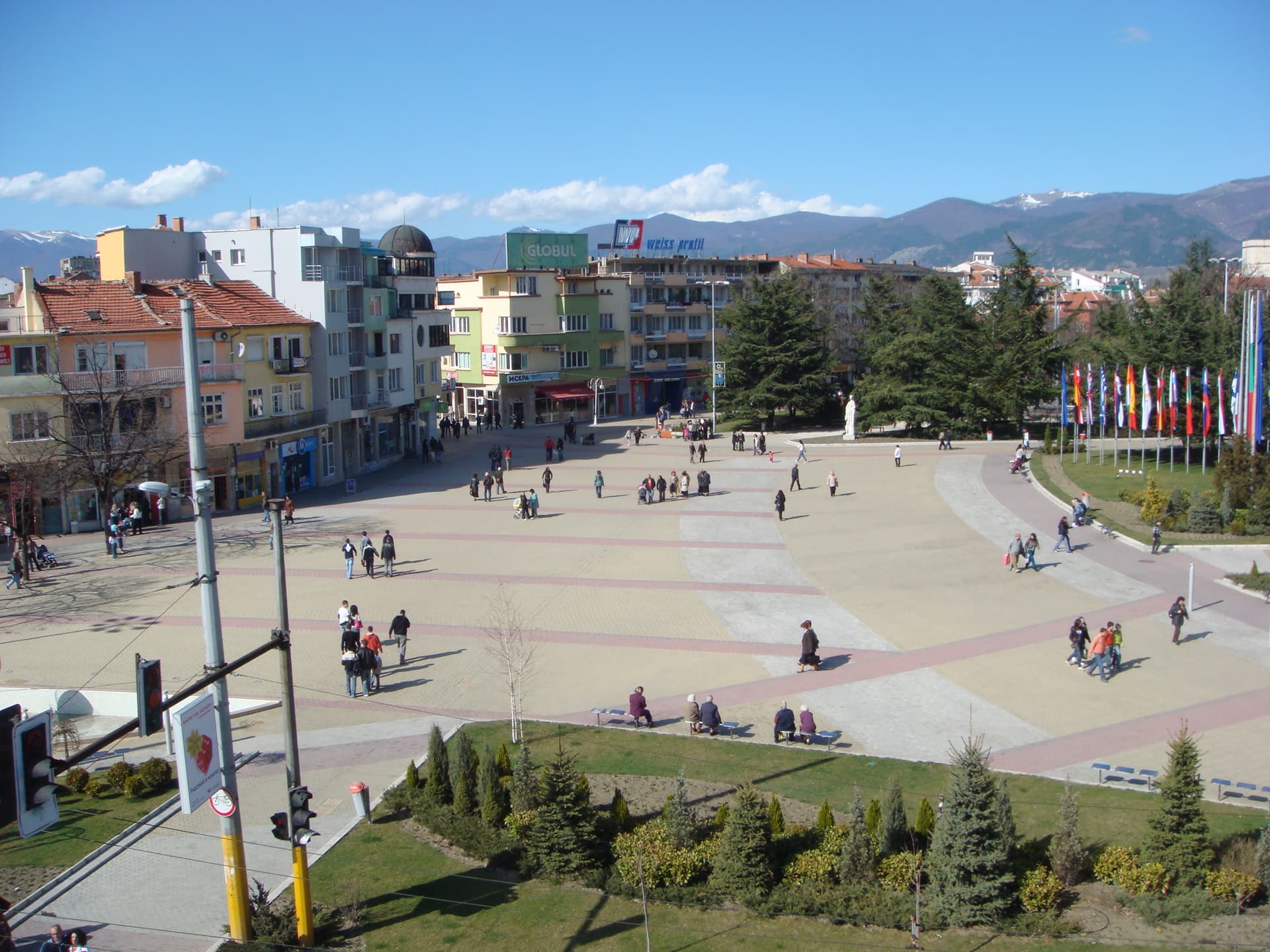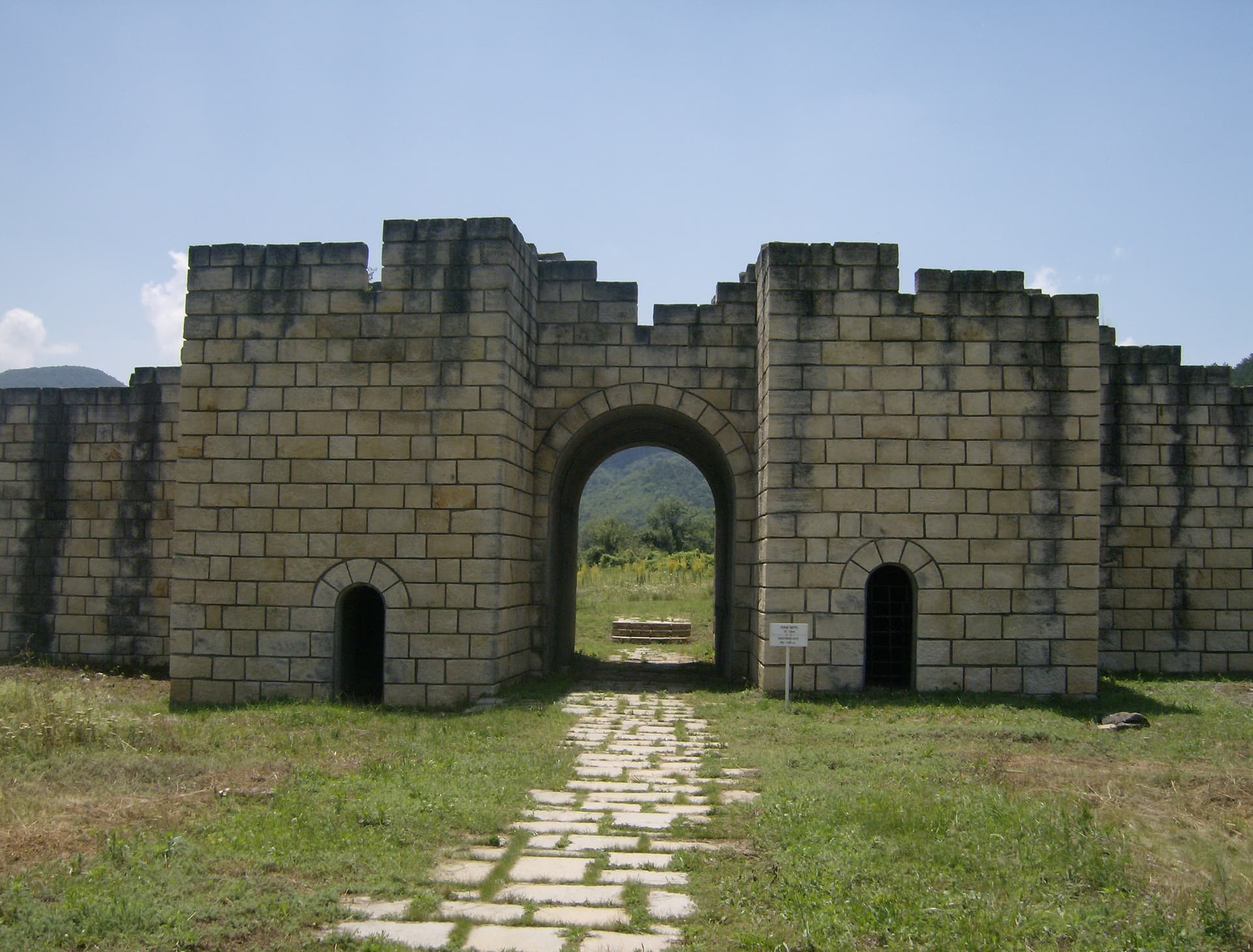
Veliki Preslav stands as a symbol of the political power and cultural zenith of medieval Bulgaria. Declared the capital in 893 AD, the city became one of the most splendid and advanced urban centers in Southeastern Europe. It was here, under the reign of Tsar Simeon the Great, that the "Golden Age" of Bulgarian literature and arts flourished.
The National Historical and Archaeological Reserve "Veliki Preslav" preserves the ruins of this once-mighty metropolis:
The city was the hub of the Preslav Literary School, where scholars like John Exarch and Constantine of Preslav translated sacred texts and established the Cyrillic alphabet. This intellectual activity turned Bulgaria into the spiritual and literary lighthouse of the Slavic world.

Shumen region
9.7 km away
Shumen region
10.0 km away
Shumen region
11.9 km away

Shumen region
13.1 km away
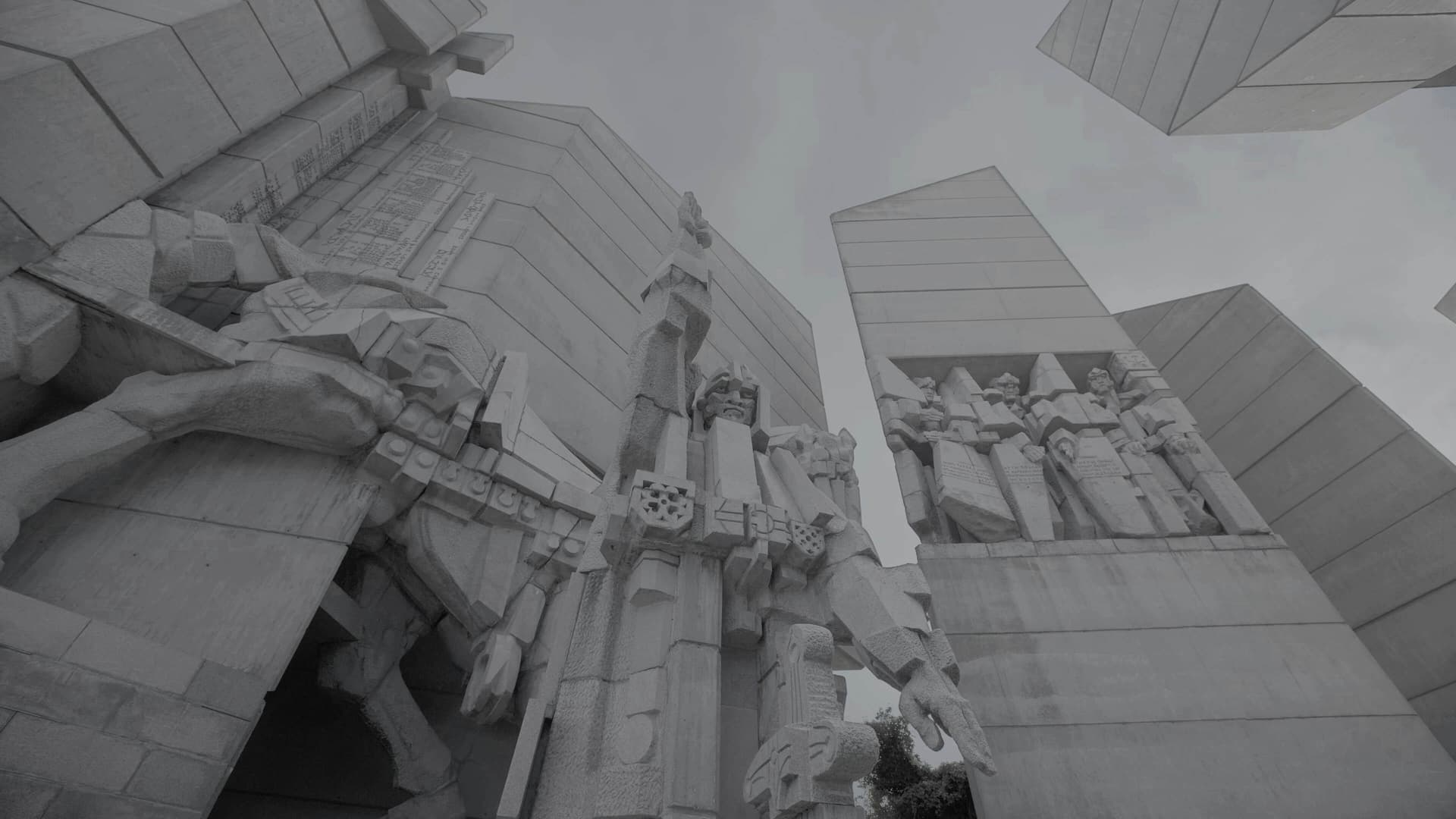
A weekend based in Shumen: the Madara Rider, Pliska, Veliki Preslav, Shumen fortress and the plateau monument — tickets, winter opening hours and a two-day route.
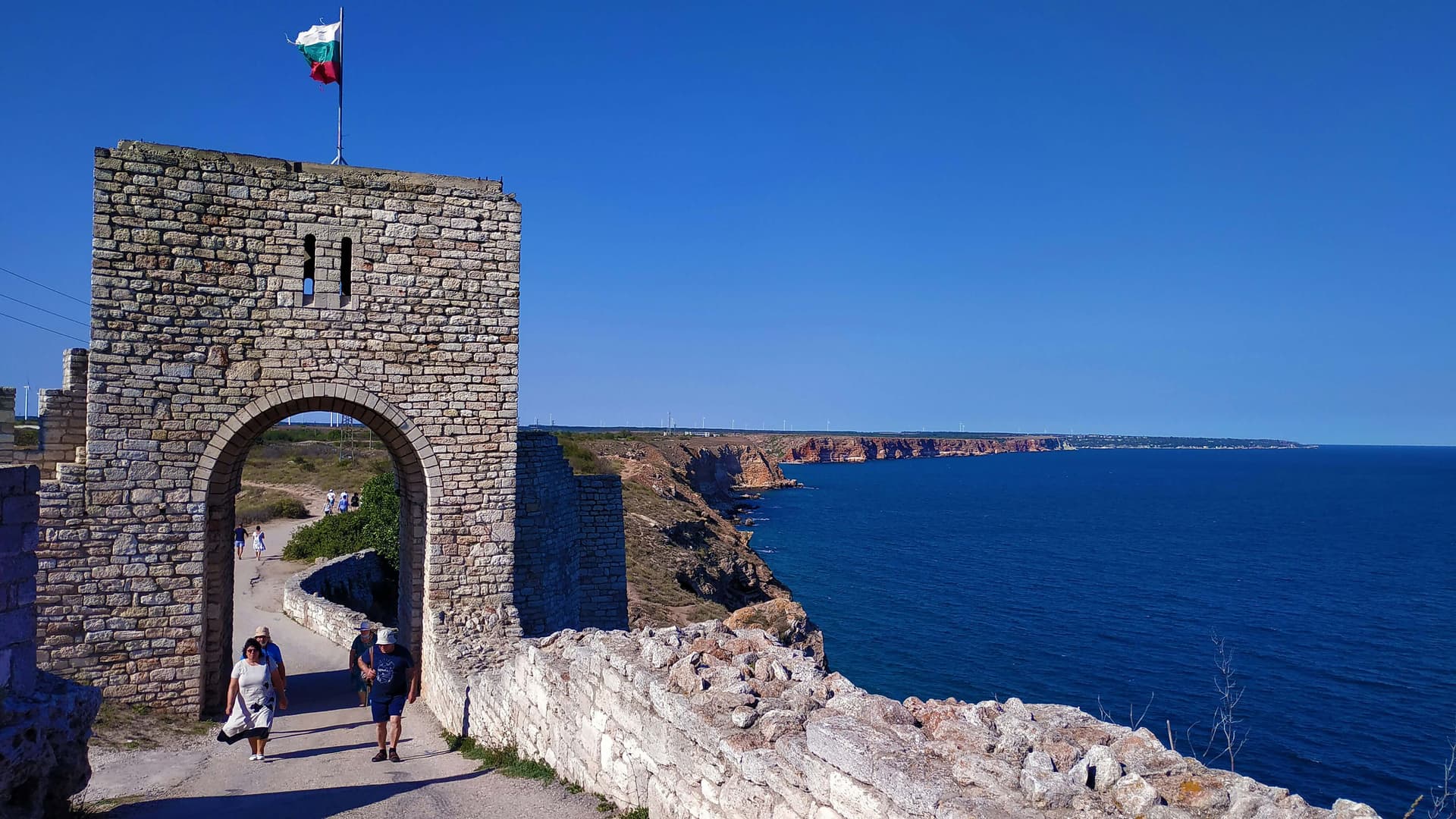
Planning a day trip from Varna? Discover the best itineraries: Balchik Palace, Cape Kaliakra, Aladzha Monastery, the Madara Rider, Pliska, and Pobiti Kamani.
Veliki Preslav is located in Shumen, Bulgaria.
Veliki Preslav is most easily reached by car. Use the coordinates above to navigate, or open the location in OpenStreetMap or your preferred maps app for turn-by-turn directions. Public transport options vary by region — for remote destinations a rental car gives the most flexibility.
Veliki Preslav can be visited year-round, but late spring (May–June) and early autumn (September–October) offer the most pleasant weather and fewer tourists. Summer is the busiest season; winter is the quietest, with shorter daylight and possible cold weather.
Bulgarian settlements typically reward unhurried walking — historic centres, churches and monasteries, local markets, and family-run restaurants serving regional dishes. Larger towns often have museums and seasonal cultural events. The local tourist information centre is a good first stop for current opening hours and what's on.