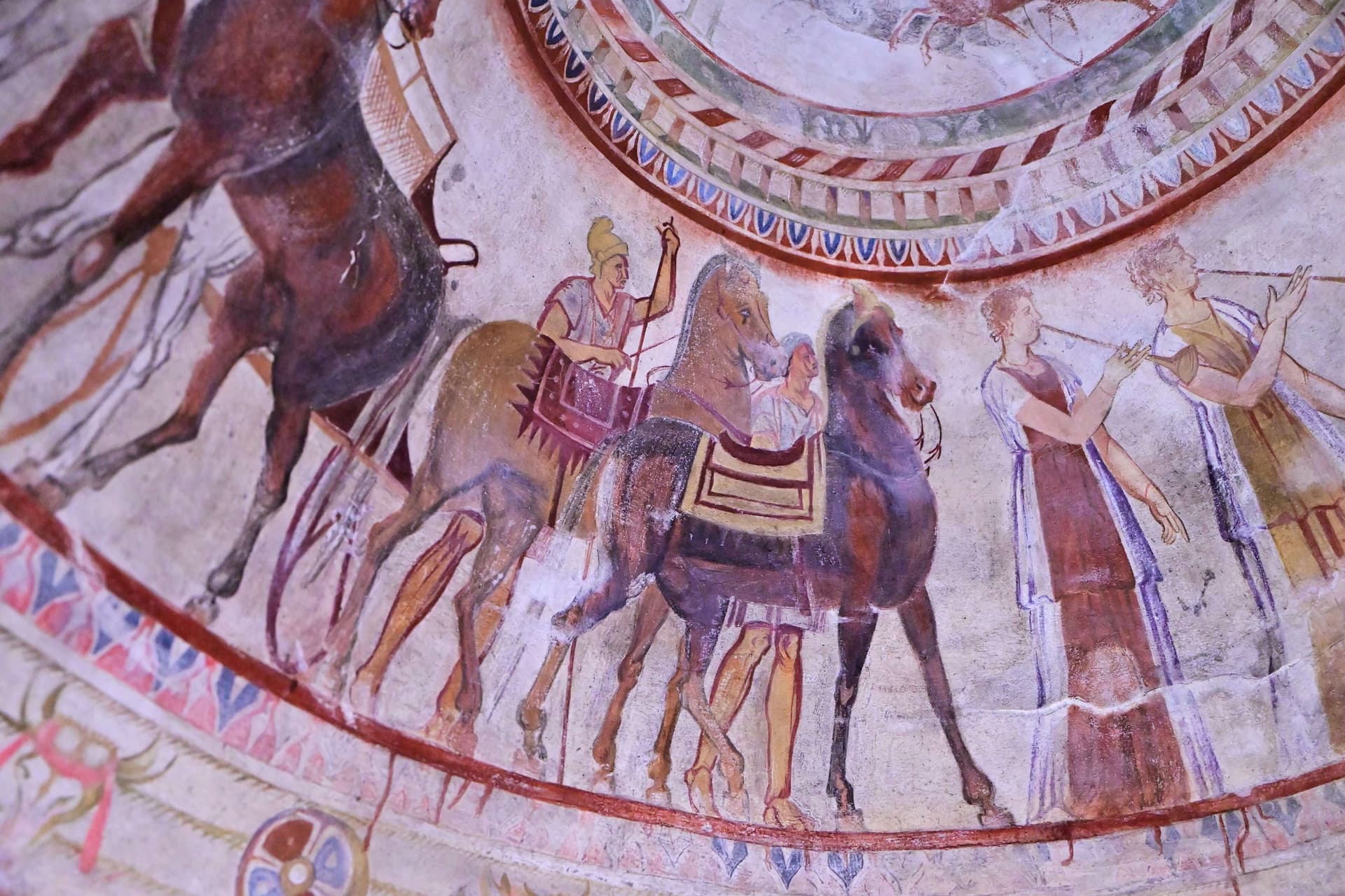
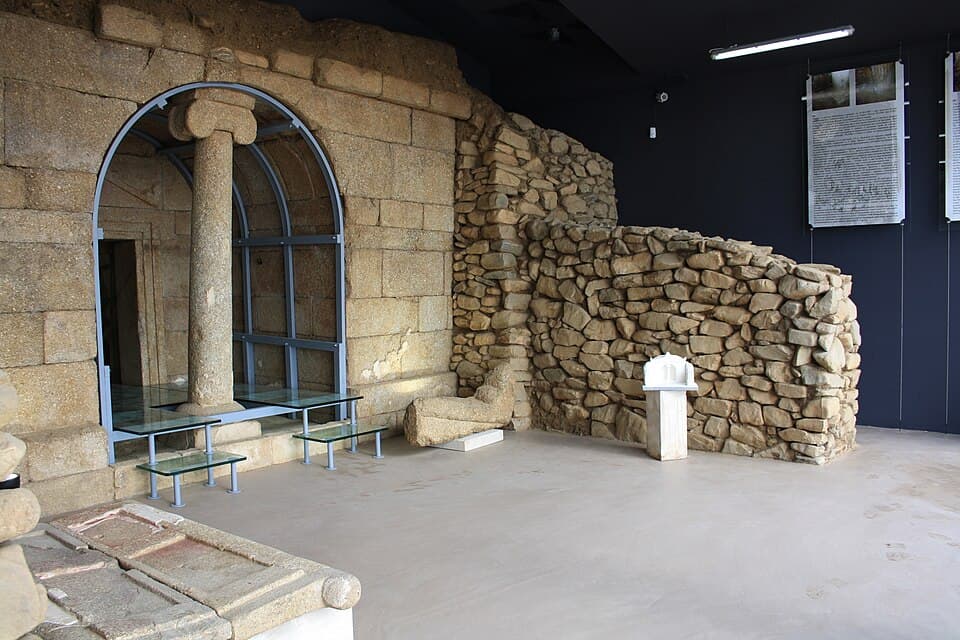
Delve into the ancient history and mysticism of the Thracians with a visit to the Thracian Tomb 'Golyama Kosmatka' – one of the most impressive monuments discovered in the Valley of the Thracian Kings, near the town of Shipka, in the Stara Zagora region. Uncovered in 2004 by the renowned archaeologist Georgi Kitov, this tomb, dating back to the late 5th and early 4th century BC, is believed to be the burial site of the legendary Thracian king Seuthes III, ruler of the Odrysian Kingdom.
The complex consists of an impressive 13-meter long corridor leading to three consecutive chambers. The first chamber is rectangular, the second is circular with a high dome, and the third is a massive granite sarcophagus carved from a single block. A unique ritual platform was discovered in the corridor. Among the most valuable finds is the extraordinarily realistic bronze head of Seuthes III, which today stands as one of the symbols of Thracian culture. Gold and silver objects, ceremonial vessels, weapons, and equestrian accessories were also unearthed, testifying to the wealth and grandeur of the Thracian kings. 'Golyama Kosmatka' is open to visitors and offers an unforgettable journey through time, revealing the burial customs and magnificence of the ancient Thracians.
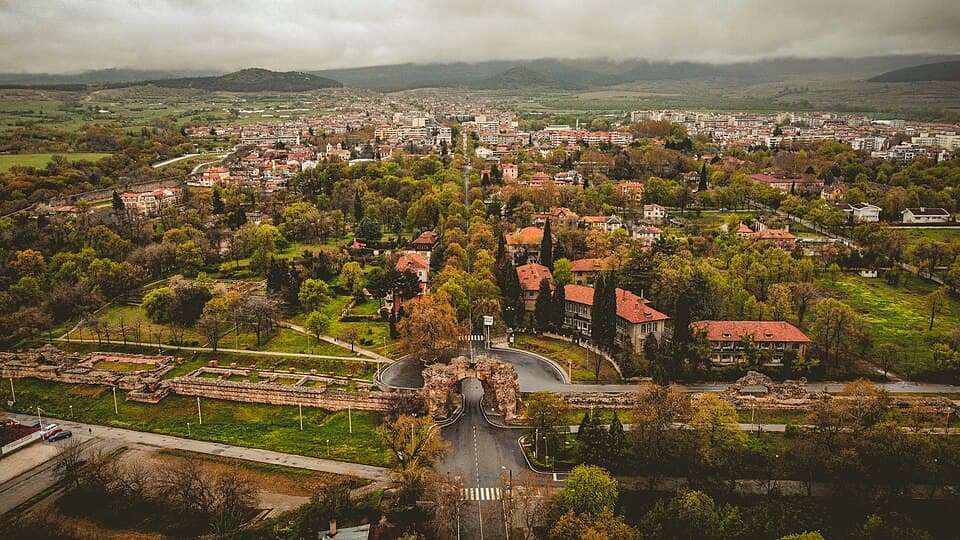
Hisarya or Pavel Banya for a spa weekend: Roman walls and mineral fountains, or a five-star spa base in the Rose Valley — tickets, parking, prices and which to pick.
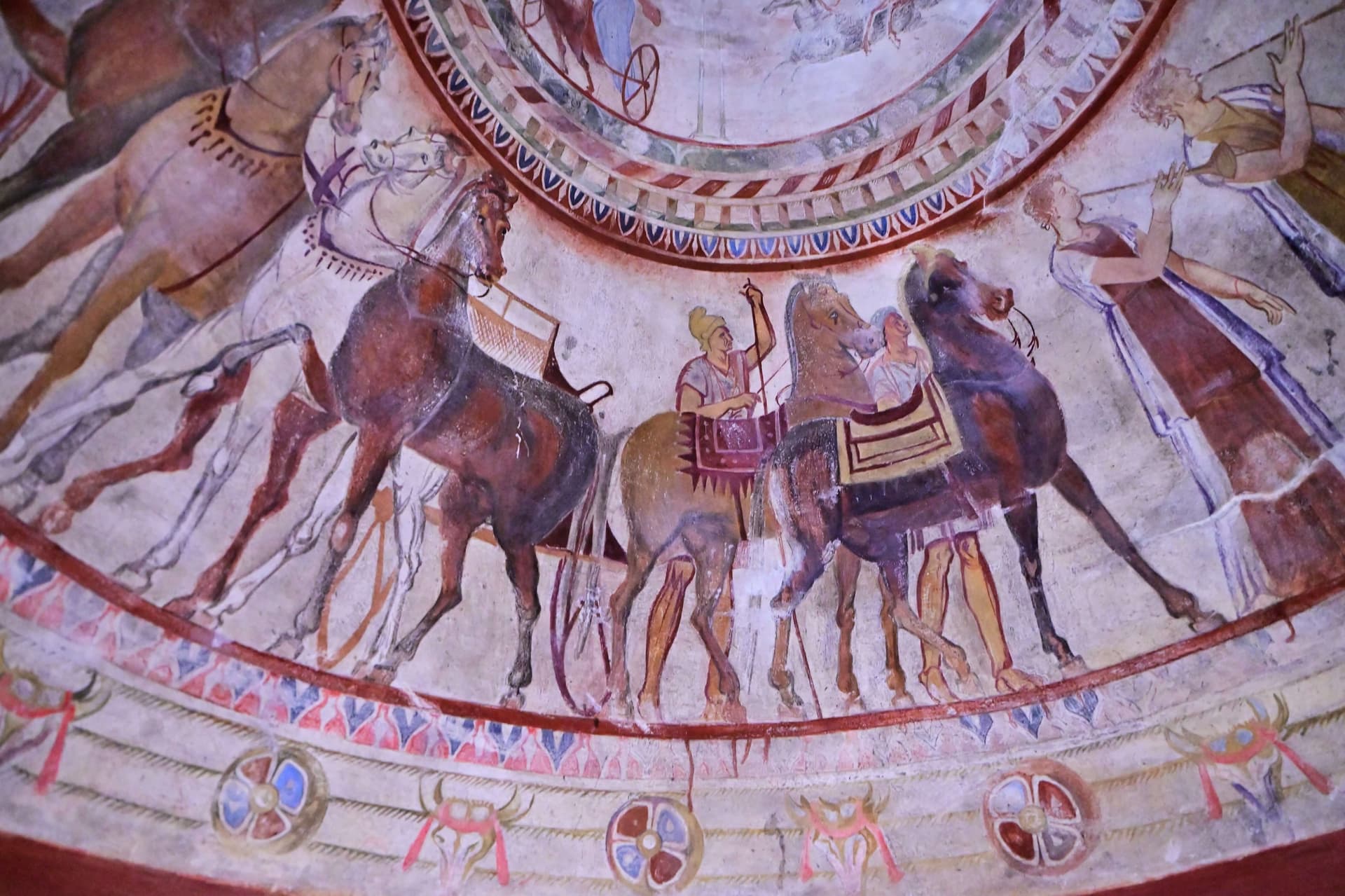
Explore the Valley of the Thracian Kings in Kazanlak: Discover the UNESCO Kazanlak Tomb, Golyama Kosmatka, the sunken city of Seuthopolis, and ancient gold treasures.
Tombs of Seuthes III is located in Stara Zagora, Bulgaria.
Tombs of Seuthes III is most easily reached by car. Use the coordinates above to navigate, or open the location in OpenStreetMap or your preferred maps app for turn-by-turn directions. Public transport options vary by region — for remote destinations a rental car gives the most flexibility.
Tombs of Seuthes III can be visited year-round. Spring and autumn offer the most pleasant conditions for exploring, with mild temperatures and fewer crowds. Summer is ideal for photography and longer day trips; winter visits are possible but weather can limit access at some sites.
Most natural landmarks in Bulgaria are freely accessible and open year-round, though some sites have entrance fees or require a guide. Wear sturdy footwear and bring water, as the terrain can be uneven. Respect any protective barriers and stay on marked paths to preserve the site.