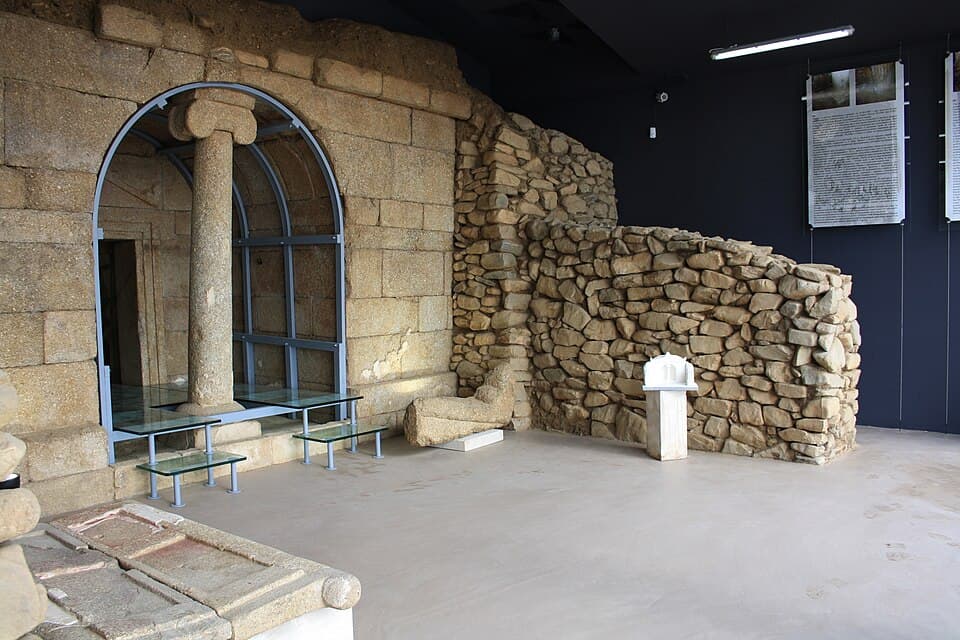
The Thracian Tomb of Kazanlak stands as an exceptionally unique monument of ancient Thracian art and architecture, operating as the absolute first Bulgarian landmark integrated into the prestigious UNESCO world registry. It structures as a masonry brick beehive tomb (tholos) situated within the urban layout of the town of Kazanlak. The asset operated as an inseparable structural component of an extensive Thracian burial mound necropolis, positioned in close geographical proximity to Seuthopolis, the ancient capital city of the Odrysian Kingdom.
The tomb is chronologically dated by archaeological consensus within the timeline spanning the late 4th century BC and the early 3rd century BC. Due to its global cultural, artistic, and scientific magnitude, the monument was officially inscribed in 1979 within the List of World Cultural and Natural Heritage under the UNESCO Convention, while concurrently ranking among the 100 National Tourist Sites of Bulgaria.
The tomb belonged to the prominent Thracian ruler Roigos. Its excavation was triggered completely by accident on April 19, 1944, beneath a massive artificial earthen burial mound by a detachment of soldiers who were digging an infantry defense trench within the northeastern urban sector of Kazanlak. Until that event, the mound displayed the external appearance of a natural continuation of the regional hilly terrain. It rose to a vertical height of 7 meters, possessing a total base diameter across the ground measuring 40 meters.
During their excavations, the soldiers unexpectedly struck a robust, built-up stone retaining wall. Driven by curiosity, they breached the masonry face and entered a low, narrow pedestrian corridor (the dromos), where a fallen rectangular granite slab rested upon the floor. From this entry corridor, the men transitioned directly into a circular, vaulted beehive chamber (the burial vault). Recognizing immediately the historical magnitude of their find, they suspended operations and summoned an independent archaeologist, who instantly validated their estimations, exposing this remarkable early Hellenistic monument to global science.
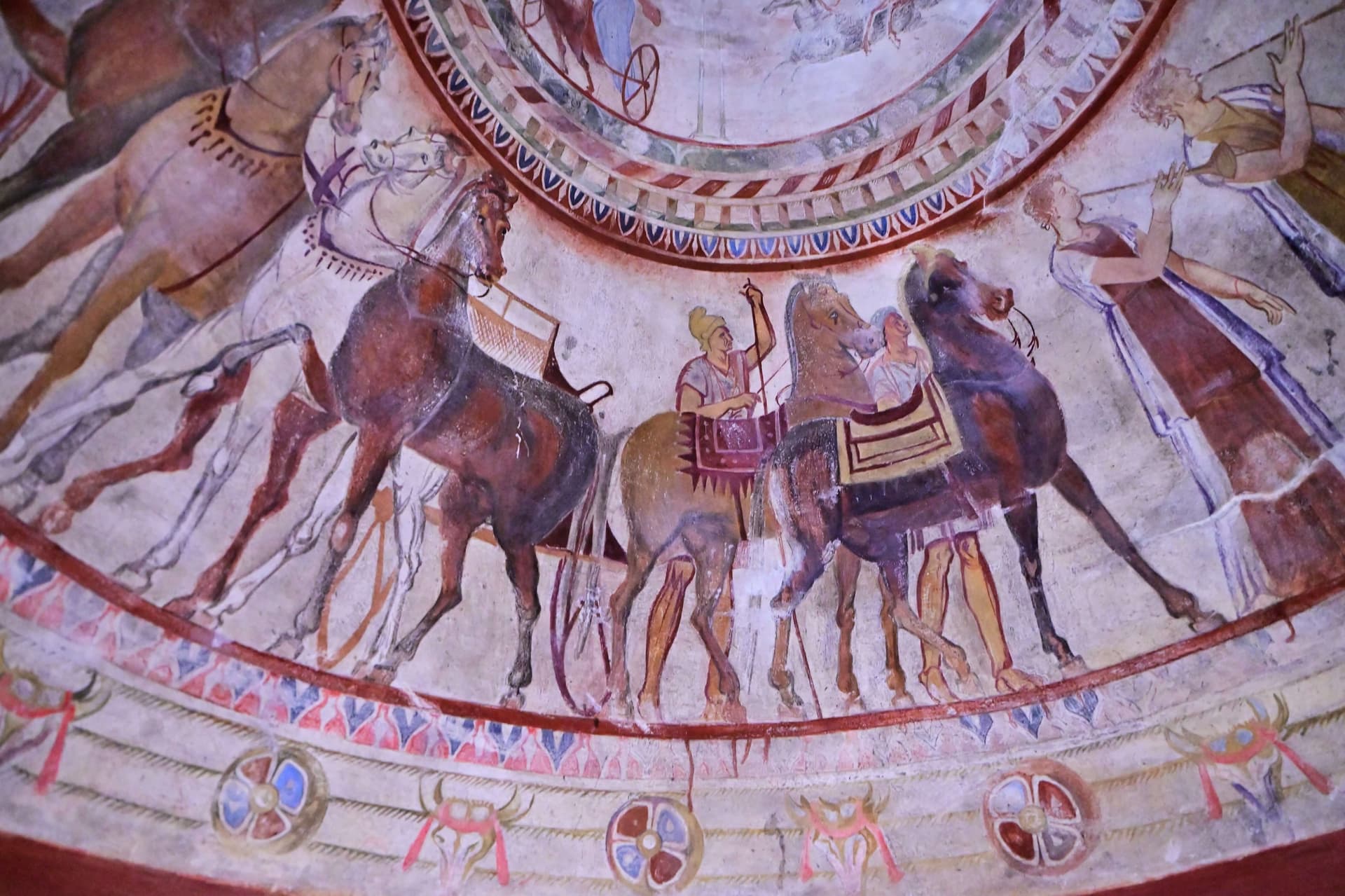
The Kazanlak Tomb commands widespread international renown due to its perfectly preserved, incomparable frescoes gracing the walls of both the corridor and the vaulted chamber. The internal masonry walls of the dromos and the main burial chamber are fully enveloped by pictorial color decorations extending across an overall surface area of 40 square meters. The mural configuration depicts in a highly dramatic format separate sequences representing the earthly, military, matrimonial, and afterlife journey of the deceased Thracian chieftain.
Core attributes defining the frescoes:
Archaeological Discoveries, Jewelry Craftsmanship, and Sacrificial Offerings
Inside the core of the beehive vault, researchers exposed anthropological remnants of a man and a woman, while the entry corridor yielded skeletal remains of a ritually offered warhorse. Because the primary vault housed only a sparse number of precious objects, scholars hypothesize that the complex was partially plundered by grave robbers during antiquity. Nonetheless, the surrounding mound strata and floor layers yielded a multitude of valuable ceramic, ceremonial, and luxury vessels, alongside intricate fragments of gold jewelry.
During the meticulous sifting of the thick dust layer accumulating over the floor, archaeologists collected the following vital artifacts:
Securing the preservation of the fragile painted plaster layer requires stringent state monitoring:
To guarantee the long-term, absolute protection of the original frescoes, public access into the authentic Kazanlak Tomb is strictly restricted and prohibited today. To accommodate travelers, an exact, full-scale replica tomb has been engineered immediate to the site, executed according to the architectural layout compiled by architect Mladen Panchev. The replica versions of the unique murals within the interior were re-created with absolute photographic fidelity by the prominent Bulgarian artists and restorers Professor Lyuben Prashkov, Zlatka Kozhuharova, and Slavi Voykov.
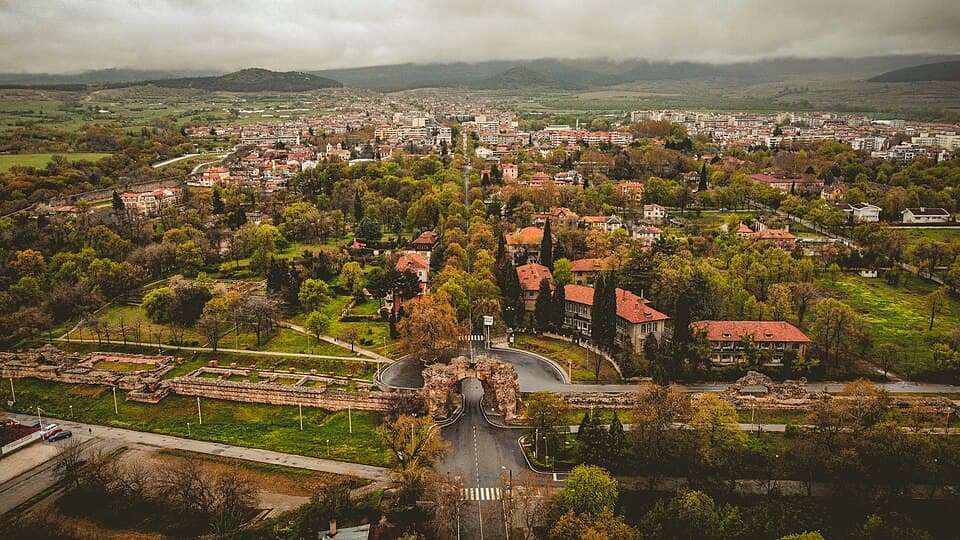
Hisarya or Pavel Banya for a spa weekend: Roman walls and mineral fountains, or a five-star spa base in the Rose Valley — tickets, parking, prices and which to pick.

The best day trips from Plovdiv: Bachkovo Monastery, Asen's Fortress, the Rose Valley, Buzludzha, Koprivshtitsa and more — with distances and how to go.
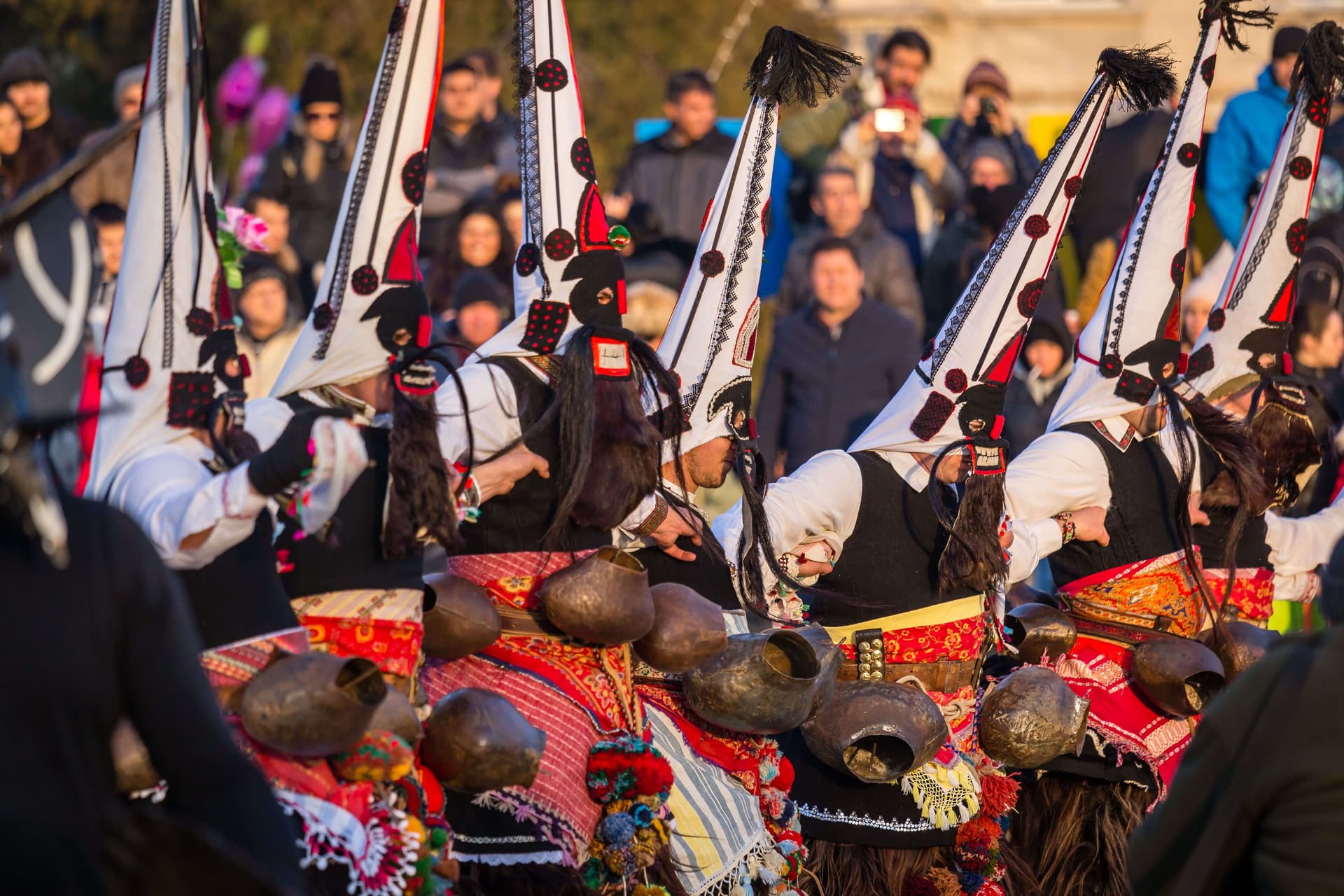
A guide to Bulgaria's festivals and traditions: Kukeri mummers, Baba Marta martenitsi, the Kazanlak Rose Festival and Nestinarstvo fire dancing.
Thracian Tomb of Kazanlak is located in Stara Zagora, Bulgaria.
Thracian Tomb of Kazanlak is most easily reached by car. Use the coordinates above to navigate, or open the location in OpenStreetMap or your preferred maps app for turn-by-turn directions. Public transport options vary by region — for remote destinations a rental car gives the most flexibility.
Thracian Tomb of Kazanlak can be visited year-round. Spring and autumn offer the most pleasant conditions for exploring, with mild temperatures and fewer crowds. Summer is ideal for photography and longer day trips; winter visits are possible but weather can limit access at some sites.
Most natural landmarks in Bulgaria are freely accessible and open year-round, though some sites have entrance fees or require a guide. Wear sturdy footwear and bring water, as the terrain can be uneven. Respect any protective barriers and stay on marked paths to preserve the site.