Tucked away in the oldest neighborhood of the town, this complex is an integral part of the Iskra Historical Museum. It beautifully showcases Kazanlak's unique urban culture and architectural heritage, defined by low-rise traditional houses and lush gardens. In 1976, two distinct historic homes were meticulously restored here:
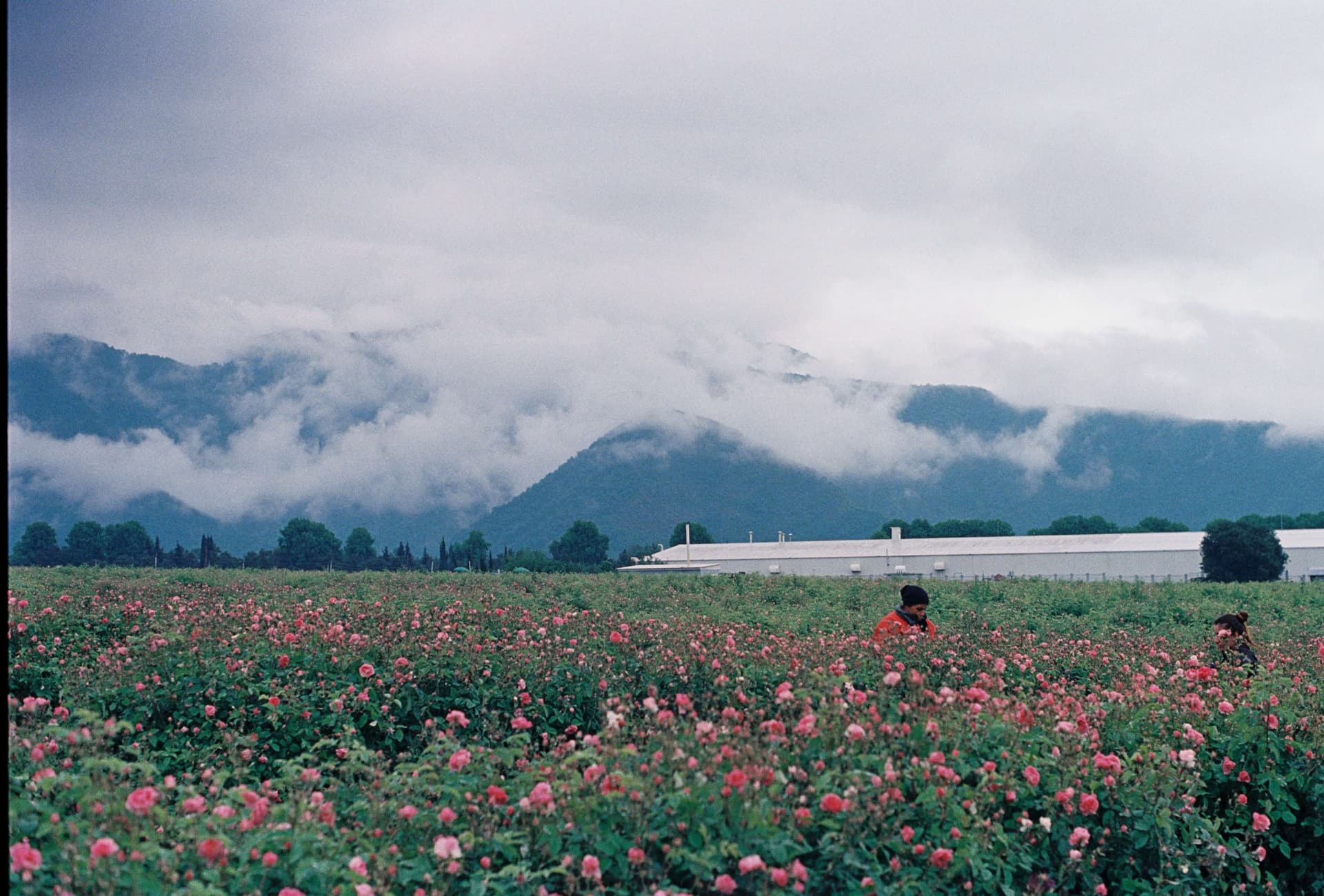
The complex perfectly captures the domestic comfort, rising confidence, and worldview of local citizens in the mid-19th century. Visitors can enjoy immersive attractions, including live rose-distillation demonstrations, essential oil testing, and tastings of unique rose-infused culinary delicacies. The on-site shop also allows you to purchase certified rose oil, cosmetics, rose liqueur, traditional rose brandy (gyulova rakiya), and authentic handmade souvenirs.
Kulata Ethnographic Complex is located in Stara Zagora, Bulgaria.
Kulata Ethnographic Complex is most easily reached by car. Use the coordinates above to navigate, or open the location in OpenStreetMap or your preferred maps app for turn-by-turn directions. Public transport options vary by region — for remote destinations a rental car gives the most flexibility.
Kulata Ethnographic Complex can be visited year-round. Verify current opening hours directly with the museum before your visit, as schedules change seasonally and on public holidays.
Opening hours and admission fees vary, and most Bulgarian museums close one day per week (commonly Monday). Verify current schedules and prices directly with the museum or the local tourist information office before visiting Kulata Ethnographic Complex, especially on public holidays.