Durankulak Lake, frequently designated within geographical literature as the Durankulak Swamp, is a unique coastal water basin situated immediately southeast of the matching border village of Durankulak. The site occupies the absolute northeastern geographical tip of the Republic of Bulgaria, inside the boundaries of the historical Maritime Dobruja region. Throughout the historical timeline spanning from June 29, 1942, until July 2, 1965, the water body bore the official state designation Blatnishko Swamp. Today, Durankulak Lake commands the official legal status of a Protected Area extending across a vast total land area of 446.54 hectares. It merges the features of a strictly monitored sanctuary, inhabited by hundreds of rare biological species, alongside a prominent international archaeological park. The asset is recognized as one of the most critical, pivotal, and best-preserved coastal wetlands along the Black Sea shoreline, holding fundamental international importance for the preservation of more than 260 species of rare and endangered flora and fauna. Flora Assets and Ecological Parameters of the Wetland In botanical terms, the lake accommodates highly precious plant communities. The local population of Scirpus triqueter is officially verified as the largest and most representative across the entirety of Bulgaria. Due to its shallow, nutrient-rich waters, the basin's peripheral zones are heavily enveloped by massive belts of common reed, cattail, and lake club-rush, functioning as a natural water filtration mechanism and a safe haven for wildlife. A vital ichthyological fact confirms that Durankulak Lake operates as the only verified and surviving native habitat of the precious Wild carp (Cyprinus carpio) within Bulgaria. The Ornithological Magnitude of Via Pontica and the Avian Fleet Positioned directly along the course of the global Via Pontica migratory avian highway, this wetland secures prime year-round parameters for feeding, nesting, and resting to millions of migratory birds arriving from Europe and Siberia. The ornithological layout of the protected area incorporates: - International Importance: The lake is defined as a world-class habitat optimized for the conservation of the Little bittern. - National Significance: The site holds critical domestic weight for the secure nesting of the Ferruginous duck, Mute swan, Marsh harrier, and the elusive Paddyfield warbler. - European Bee-eater: Inside the surrounding soft, crumbly loess cliffs, the European bee-eater, exceptionally striking due to its multi-colored exotic plumage, routinely nests. - Winter Migrations: The lake's waters shelter massive global populations of three primary waterfowl species during the wintering season - the Greater white-fronted goose, the endangered Red-breasted goose, and the Mallard duck. Simultaneously, record-breaking populations of the Pygmy cormorant and the Great white pelican are monitored. The Durankulak Bird Ringing Camp Durankulak Lake operates as the proud official host of the largest and most successful citizen science initiative inside the Republic of Bulgaria - the Durankulak Bird Ringing Camp. Established in 2019, this specialized field station is fully dedicated to the systematic scientific evaluation of autumn avian migration traveling along the Via Pontica corridor over the Western Black Sea. Bird ringing represents one of the most effective and proven methodologies within global science for tracking migration trajectories, flight velocities, and avian longevity indices. The field camp is stationed within a protected territory integrated into the European ecological network NATURA 2000, anchored at the southern tip of the lake. The facility remains completely accessible to any citizen expressing a genuine interest in wilderness, birdwatching, or professional ringing activities. Volunteers and researchers gather annually at the camp between August and October to train directly under recognized experts and contribute personal labor to critical international research. The project operates via voluntary backing, and anyone unable to attend the fieldwork can support the scientific cause through targeted donations. Scientific Contribution and International Recognition Both professional Bulgarian conservationists and an array of citizen scientists have driven numerous vital discoveries within the perimeter of the camp. The principal founders and coordinators of this initiative - researchers Chakurov, Bergkamp, Aleksandrov, Tonev, Tomova, Simeonov, Konakchieva, Trendafilova, and Boris Hotinov - have published a succession of authoritative scientific papers documenting the rich avian biodiversity framing Durankulak. Beyond its direct practical-scientific application, the camp achieved prominent public and academic acclaim. It was incorporated as a primary positive case study within a specialized ethnographic evaluation titled Mapping Sustainable Holidays in Bulgaria, developed by the researcher Tatyana Garkavaya. This award-winning scientific project highlights active conservation initiatives throughout Bulgaria. Garkavaya's research, structured around deep interviews with active camp participants, culminated in the joint publication of a specialized travel guide that successfully encourages the broader public to join the camp and back the protection of wild Black Sea ecosystems.
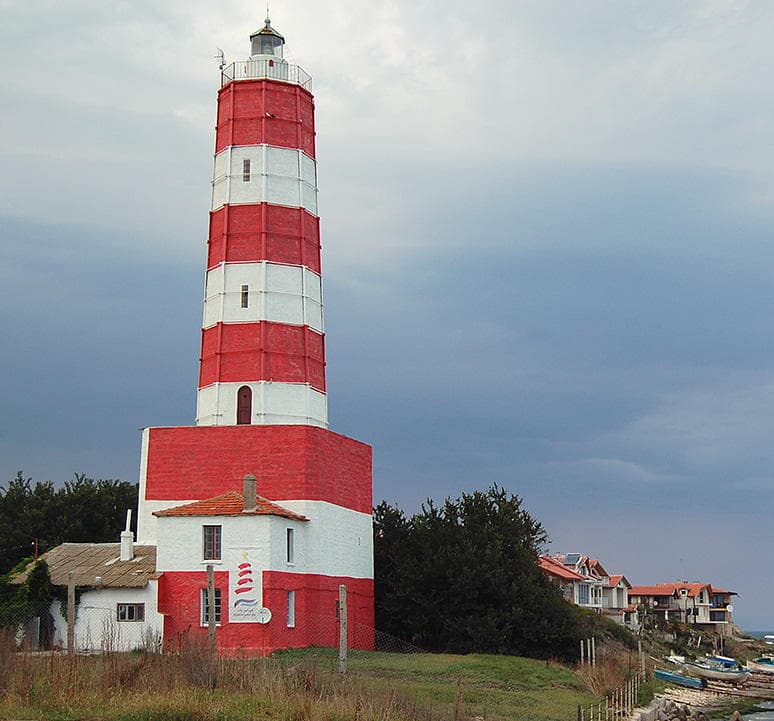
Dobrich
14.4 km away

Dobrich
18.8 km away
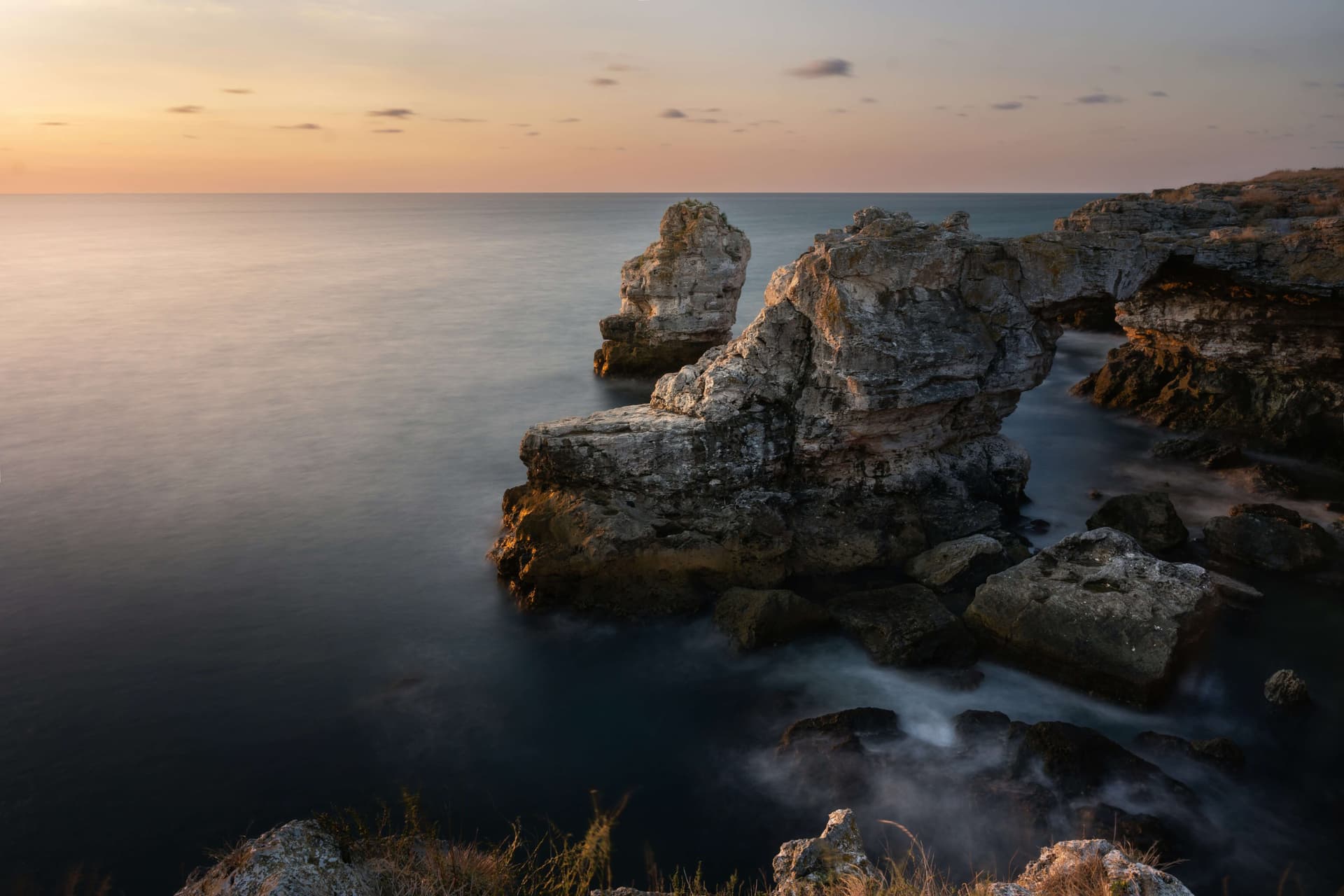
Dobrich
19.6 km away
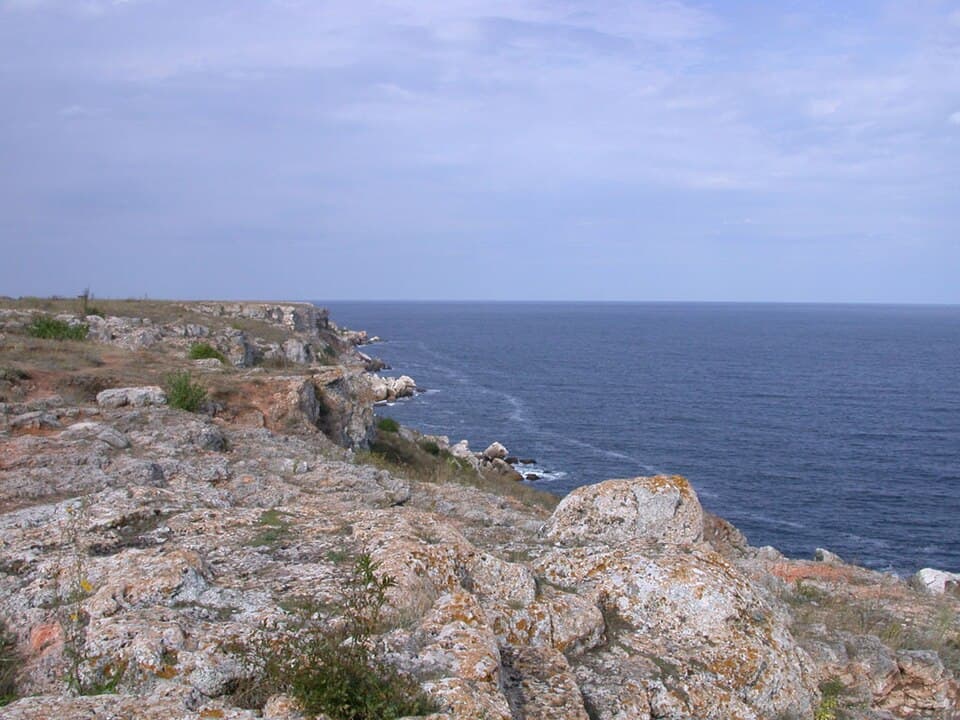
Dobrich
23.8 km away
Durankulak Lake is located in Dobrich, Bulgaria.
Durankulak Lake is most easily reached by car. Use the coordinates above to navigate, or open the location in OpenStreetMap or your preferred maps app for turn-by-turn directions. Public transport options vary by region — for remote destinations a rental car gives the most flexibility.
Late spring through early autumn (May–September) is the most popular time to visit Durankulak Lake. Water is warmest in July and August. Mountain lakes may be inaccessible or frozen in winter.
Permitted activities at Durankulak Lake depend on local regulations and conditions. Many Bulgarian lakes allow swimming and recreational fishing with a permit; some — particularly drinking-water reservoirs and protected glacial lakes — restrict access. Check signage on site and verify with local authorities before swimming or fishing.