

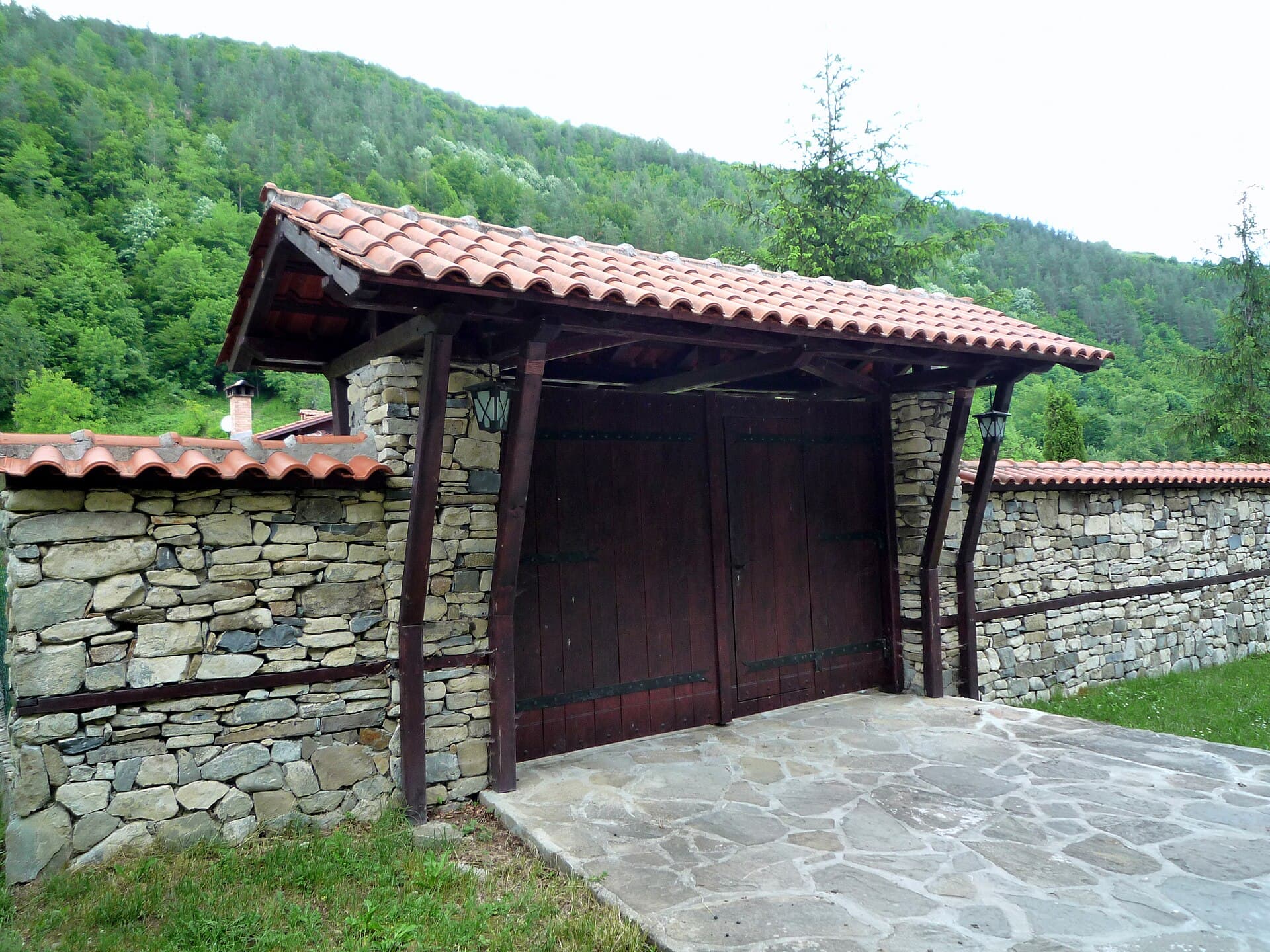
Teteven & Ribaritsa: The Quiet Side of the Balkan Range
In this guide▾
Some places are quiet because there is nothing there. The Vit valley is quiet because it goes nowhere — a dead end running up against the main ridge of the Balkan range, off every route between anywhere and anywhere else.
What is up it: a monastery on a cliff edge, a village making a cheese that exists nowhere else in Bulgaria, and the western end of Central Balkan National Park with its primeval beech forests.
📍 Getting There
| From | Distance | Driving time |
|---|---|---|
| Ribaritsa | ~12 km | ~15 min |
| Lovech | ~70 km | ~1 h 15 min |
| Sofia | ~110 km | ~2 h |
| Pleven | ~85 km | ~1 h 20 min |
| Troyan | ~60 km | ~1 h 10 min |
Buses run from Sofia and Lovech to Teteven, but the monastery, Cherni Vit and the trailheads all need a car — see our driving guide.
⛪ Glozhene Monastery
The reason to make the drive even if you do nothing else.
The Monastery of St George at Glozhene sits on a rock spur above the valley below Kamen Lisets peak, roughly 12 km from Teteven, with the ground dropping away on three sides. Tradition credits its founding in 1223 to Georgi Glozh, a Kievan prince said to have been given the land by Tsar Ivan Asen II — a legend historians date to the eighteenth century, but, true or not, an unusual origin story for a Bulgarian monastery. Its prized possession is an old wooden icon of St George, and Vasil Levski used the monastery as a hideout; the tunnel under the abbot's cell is still shown.
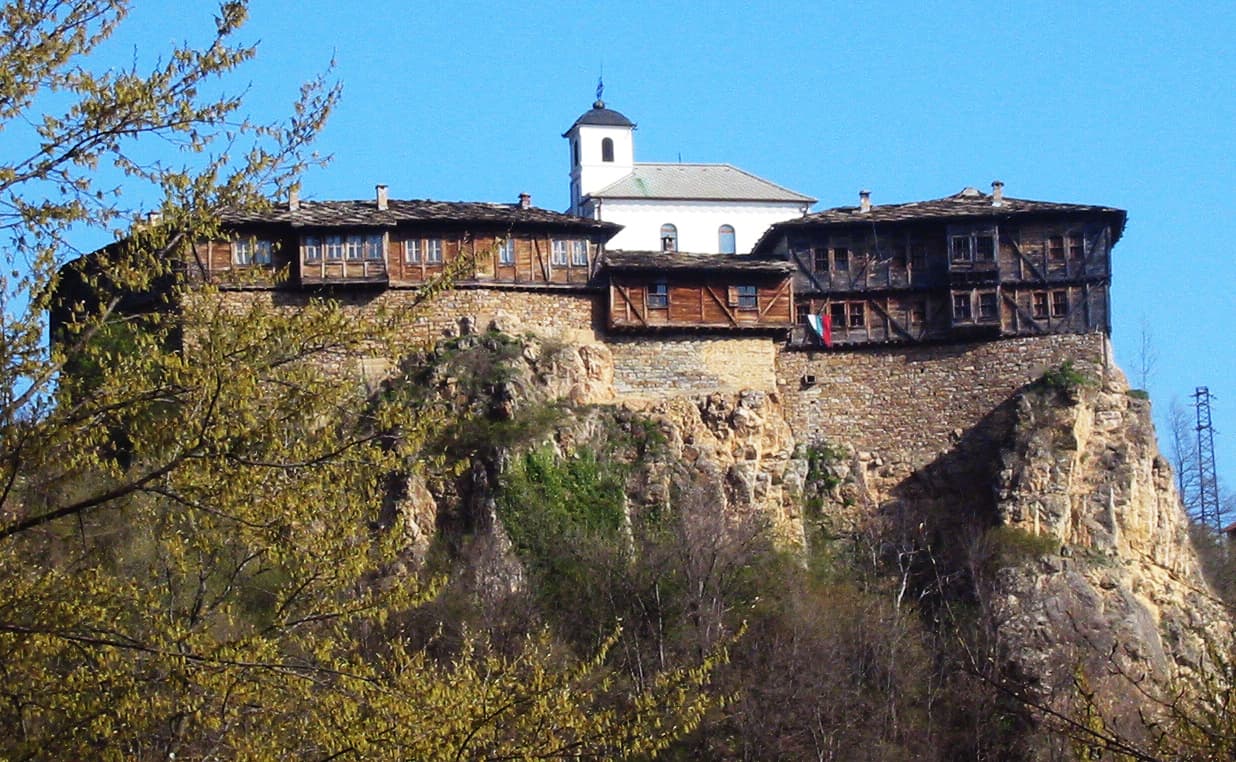
The buildings are modest. The position is not: a walled courtyard on the lip of a cliff, with the Vit valley running out below and the ridge behind. It is among the most spectacularly sited monasteries in the country and gets a fraction of the visitors that Rila does.
Visiting: entry is free. The monastery is open 08:00–21:00 from 1 May to 30 September and 08:00–18:00 from 1 October to 30 April. There is a paid car park a little before the monastery, at about €2; the last kilometres of the road are narrow and uneven, so take them slowly.

🧀 The Green Cheese of Cherni Vit
The valley's other genuine rarity, and a food story worth the detour.
In the village of Cherni Vit, a sheep's-milk cheese is made that develops natural blue-green mould — the only traditional mould-ripened cheese in Bulgaria. The mould is not introduced; it establishes itself in wooden vats under cellar conditions, the way it presumably did by accident centuries ago.
The tradition came very close to dying out, surviving with a handful of makers before Slow Food discovered it in 2007 and made it one of its presidia — its list of endangered foods worth saving. It is now the most distinctive thing anyone in this valley produces, and it tastes nothing like the sirene that dominates the rest of the country — sharper, funkier, closer to a farmhouse blue.
Ask locally about buying; production is small and it is not a supermarket product. Our Bulgarian food guide covers the wider table.

🌲 Ribaritsa and the Forests
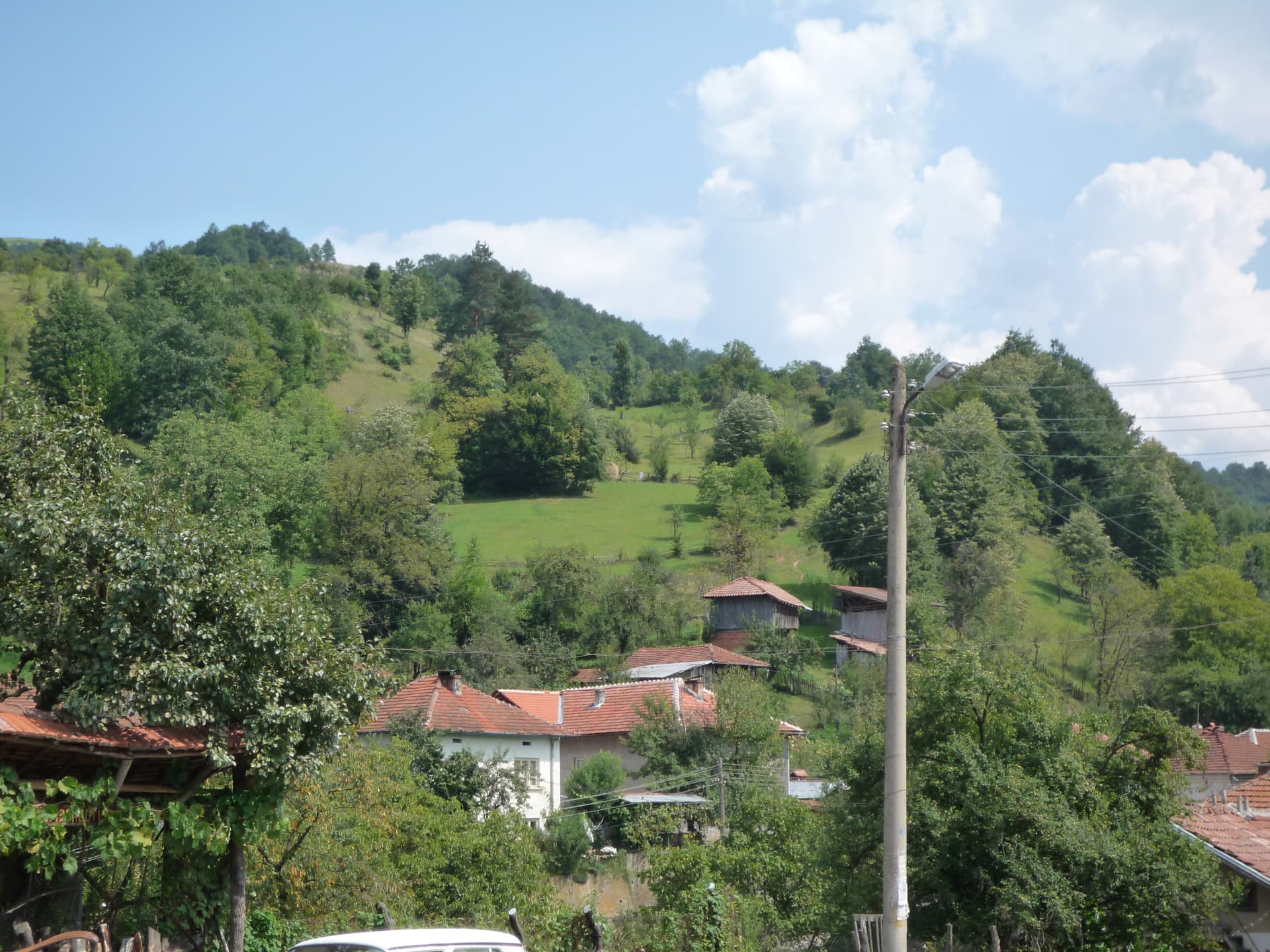
Ribaritsa, about 12 km further up, is a scattered mountain village that has been a domestic holiday spot for generations — guesthouses along the river, walking and, by design, not much else.
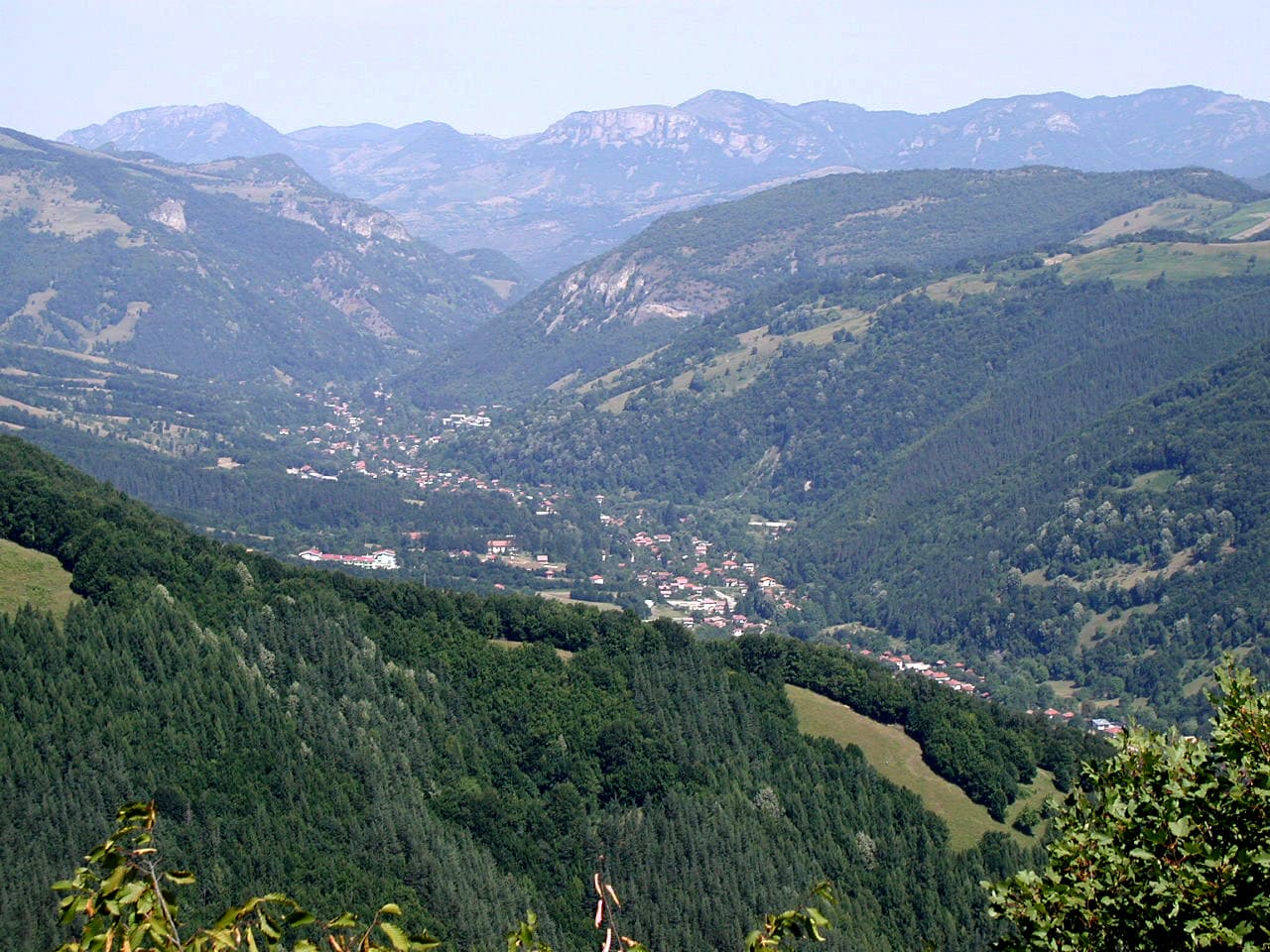
Above it lies the western end of Central Balkan National Park, including the Boatin and Tsarichina reserves. These hold primeval beech forest that forms part of the transnational UNESCO World Heritage listing for Europe's ancient beech woodlands — forest that has never been logged.
This is forest and valley walking, not summit country. The trails are green, shaded, and often completely empty. If you want the high ridge and Botev Peak, you want Kalofer on the southern side instead.
Reserve rules apply. Inside the strict reserves you may generally pass on marked trails only — no camping, no fires, no leaving the path. Check the signage at the trailhead.

🥾 What the Walking Is Like
Set expectations, because this is not a summit destination.
Routes out of Ribaritsa follow the river valleys and climb through beech forest onto the lower ridges. The marked line up the Zavodna to hut Benkovski — where a night costs about €20–30 per person — is the standard introduction, but it is a full day: about 5 hours one way, mostly on a forest road — asphalt for the first 7 km, then gravel, with only the last stretch on a path. Shorter outings along the rivers are shaded, damp and green, with streams, old logging tracks and marked paths of a few hours. In summer the tree cover makes this a noticeably cooler place to walk than the open ridges further east.

Longer routes climb toward the main ridge and connect with the Kom–Emine line along the top, but reaching the ridge from here is a serious day, and the huts on this side are fewer than on the Kalofer approach.
Two practical notes: waymarking is patchier than in Rila or Pirin, so carry an offline map rather than relying on signs; and this is bear country — encounters are unlikely but the population is real, so make noise on quiet paths and do not leave food out at a bivouac.
🏘️ Teteven Itself
The town is a working one rather than a preserved one — a valley market centre with a history museum, some nineteenth-century houses, and the Vit running through it.
The History Museum is open Monday to Friday 09:00–12:00 and 13:00–17:00, and 10:00–12:00 and 13:00–17:00 at weekends and on holidays; outside those hours it takes groups by prior booking. Entry is about €2 for adults and €1 for pupils, pensioners and visitors with disabilities; children under 7 go in free, and a guided talk is about €2. The museum still lists its fees in leva, so the euro figures are rounded up (checked September 2026).
Parking: the paid zone on Hristo Botev Street runs Monday to Friday 08:00–17:00 and Saturday 08:00–14:00, at about €1 an hour or €2 for the day.

It is where you buy supplies, eat, and sleep if you are not staying in a guesthouse up at Ribaritsa. Set expectations accordingly: the appeal of this trip is the valley, not the town centre.

🗓️ When to Go
Autumn is the clear pick. These are beech valleys, and the colour through October is the best reason to be here — see our autumn guide.
Late spring and summer are green, cool and good for walking, and this is a sensible escape when the lowlands are hot. Winter is quiet and can be snowy; the guesthouses stay open and the valley takes snow well, but high trails become a different proposition.

🌿 Nearby
- Central Balkan National Park — the park this valley opens onto.
- Bulgaria's national and nature parks — the full protected-area picture.
- Troyan Monastery (~60 km) — the third-largest monastery in Bulgaria, above the town of Troyan. For a weekend there, see our Troyan and Apriltsi guide.
- Prohodna cave (~50 km) — the "God's Eyes."
- Pleven (~85 km) — the Panorama.
- Krushuna Falls and Devetashka cave — the Lovech karst, east of here.
A monastery on a cliff, a cheese that grows its own mould, and forests nobody has ever cut. The Vit valley is the Balkan range with the crowds subtracted — find it with Mestala.com.
This guide covers 10 places
Want more Mestala in your Google results?
Add mestala.com as a preferred source and our guides will show up more often when you search. Requires a Google account.
Frequently Asked Questions
Where are Teteven and Ribaritsa?▾
Both sit in the valley of the Vit river on the northern slopes of the Balkan Mountains, in Lovech Province. Teteven is about 110 km from Sofia — roughly a two-hour drive — with Ribaritsa a further 12 km up the valley. Buses run from Sofia and Lovech, but the villages and trailheads beyond need a car.
What is Glozhene Monastery?▾
A monastery of St George perched on a rock spur above the Vit valley, about 12 km from Teteven. Tradition attributes its founding, in 1223, to a Kievan prince named Georgi Glozh, given the land by Tsar Ivan Asen II; historians think the legend itself took shape in the eighteenth century. The setting is the point — it sits on the edge of a cliff with a long view down the valley, and it is one of the most dramatically placed monasteries in Bulgaria. Entry is free; it is open 08:00–21:00 from May to September and 08:00–18:00 the rest of the year, and there is a small paid car park just below it (checked September 2026).
What is the green cheese of Cherni Vit?▾
A naturally mould-ripened sheep's cheese made in the village of Cherni Vit near Teteven — the only traditional blue-type cheese in Bulgaria. The mould develops on its own in wooden vats in cool cellars rather than being introduced. The tradition nearly died out and was revived after Slow Food made it one of its presidia in 2007; it is now the single most distinctive food product of this valley.
Is this a good base for Central Balkan National Park?▾
For the western end, yes. Teteven and Ribaritsa give access to the Boatin and Tsarichina reserves — the UNESCO-listed primeval beech forests — and to trails onto the main ridge. This is forest and valley walking rather than summit country; for Botev Peak you want Kalofer, on the other side.
How long should you spend here?▾
A weekend. One day for Glozhene Monastery, Cherni Vit and the valley, and one for walking in the forests above Ribaritsa. It's a slow destination rather than a checklist one — most people who come are here to stay in a guesthouse and walk.
Why is this valley so quiet?▾
It sits off every main route. The Sofia–Varna traffic runs well to the south, the Danube road well to the north, and the Vit valley is a dead end against the ridge rather than a through route. That has kept it a domestic weekend destination rather than an international one.
You might be interested in
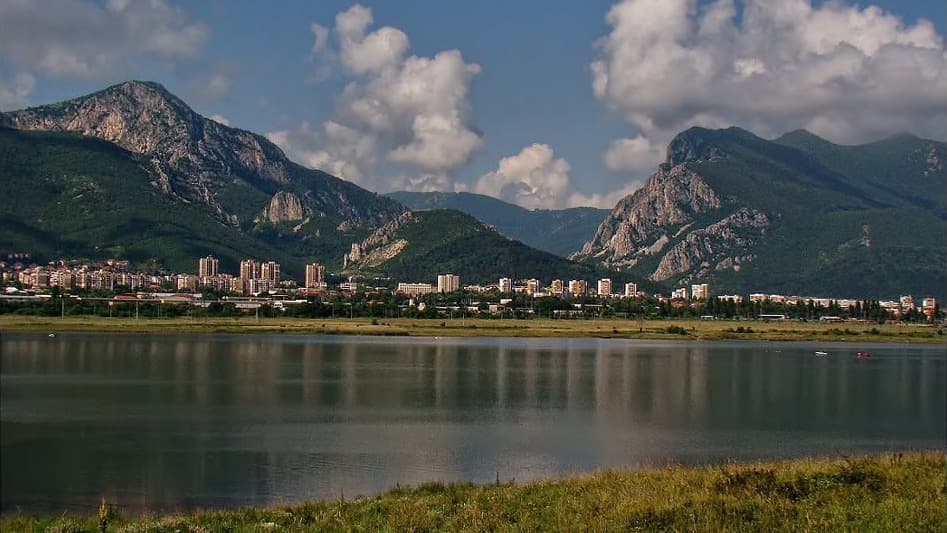
Vratsa & Ledenika Cave: Bulgaria's Overlooked North-West
A travel guide to Vratsa: the Vratsata gorge and its 400-metre rock face, the Ledenika show cave, the Rogozen Treasure of 165 silver vessels, and the Botev memorial at Okolchitsa — an hour and a half from Sofia.
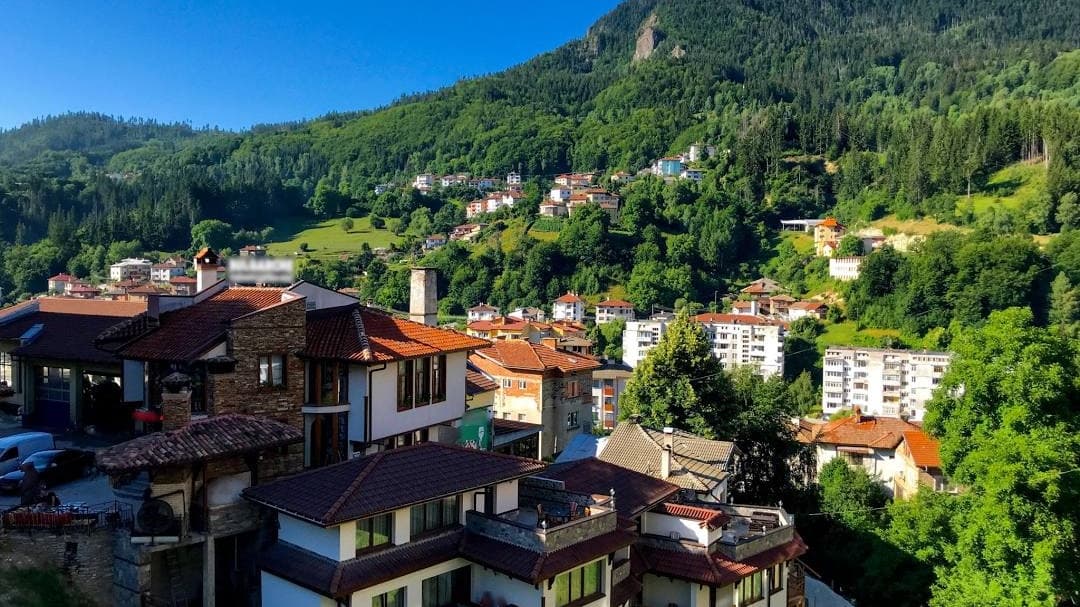
Smolyan: Gateway to the Rhodopes — Bulgaria's Highest Regional Capital
A travel guide to Smolyan, Bulgaria's highest regional capital: the Smolyan Lakes, the planetarium, the Canyon of Waterfalls, day trips to Pamporovo, Shiroka Laka and the Trigrad caves.
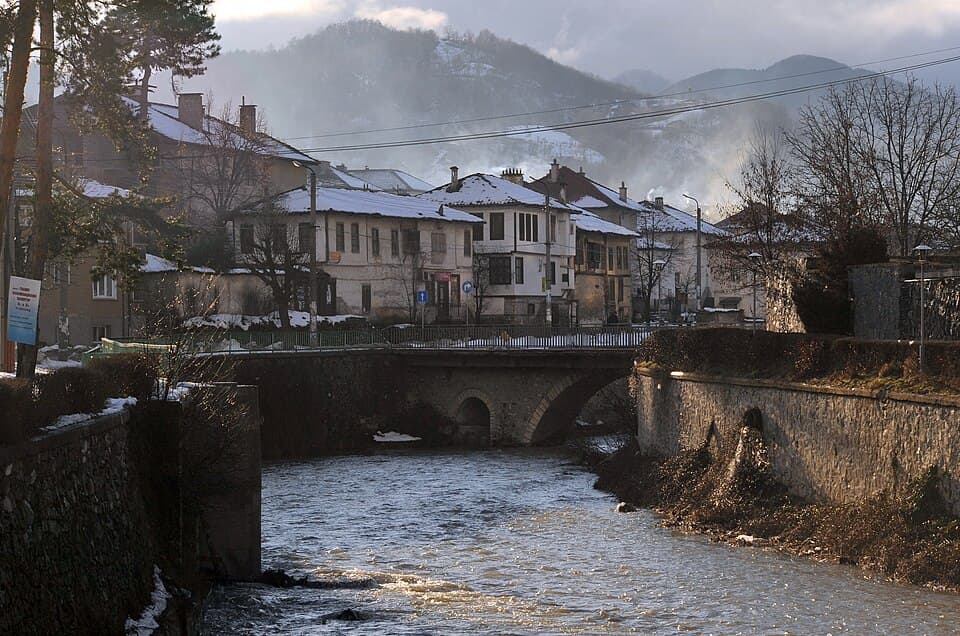
Devin and Zlatograd Weekend: Rhodope Spa Towns, Struilitsa and Old Zlatograd
A Rhodope spa weekend: Devin's mineral water and the Struilitsa eco-trail, Zlatograd's ethnographic complex and Revival quarter, with Trigrad and Yagodina nearby.
Sapareva Banya and Panichishte Weekend: the Geyser, Hot Pools and Rila
A weekend in Sapareva Banya and Panichishte: the geyser with 103 °C water, mineral pools in winter, Panichishte as the snowy side, and the way up to the Seven Rila Lakes.