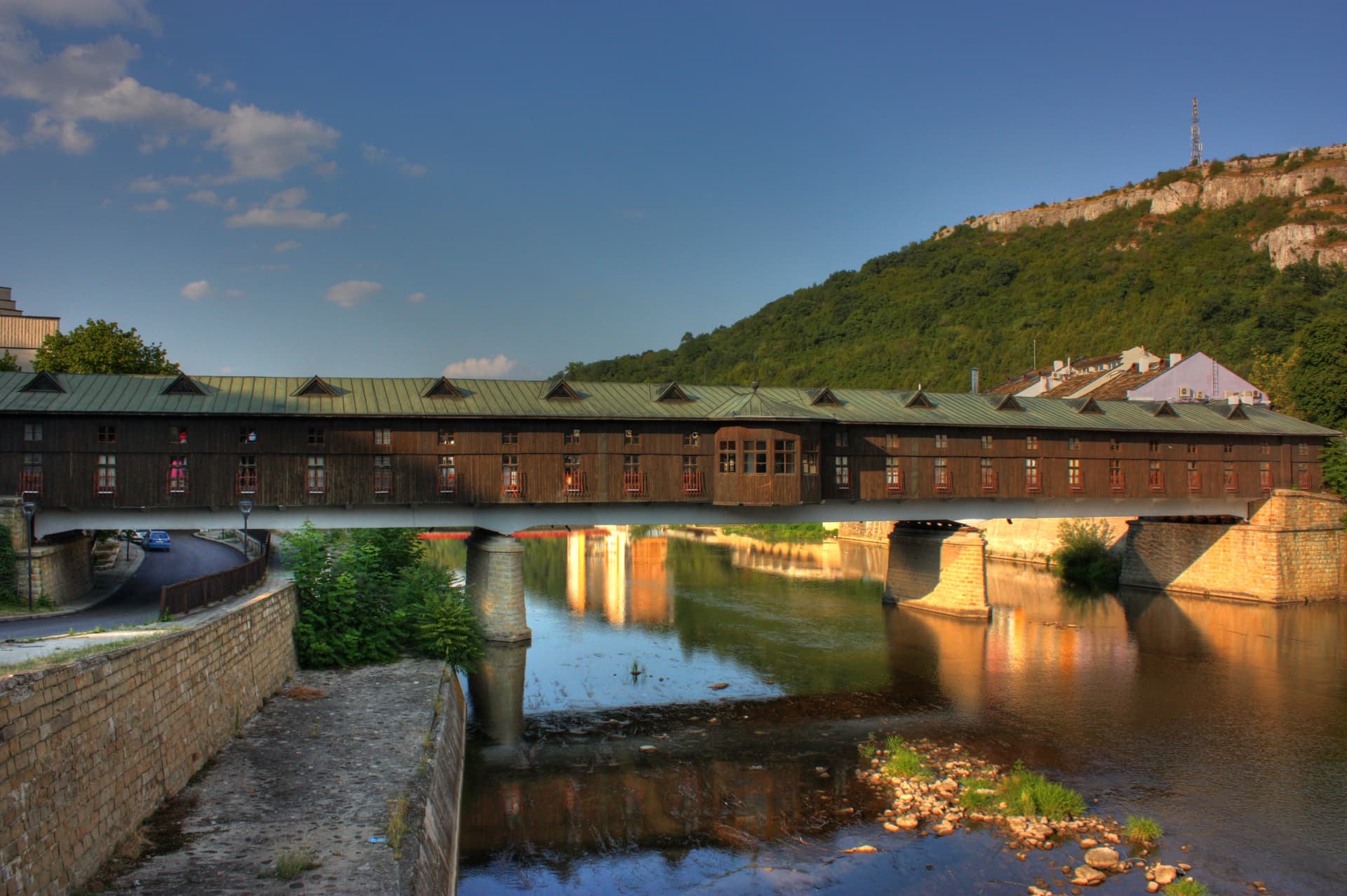
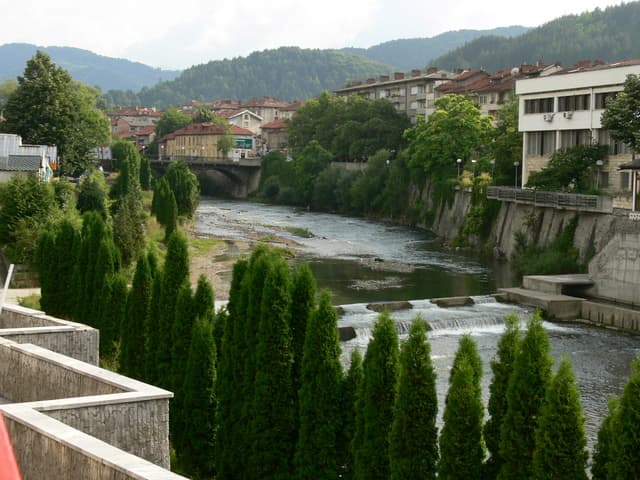
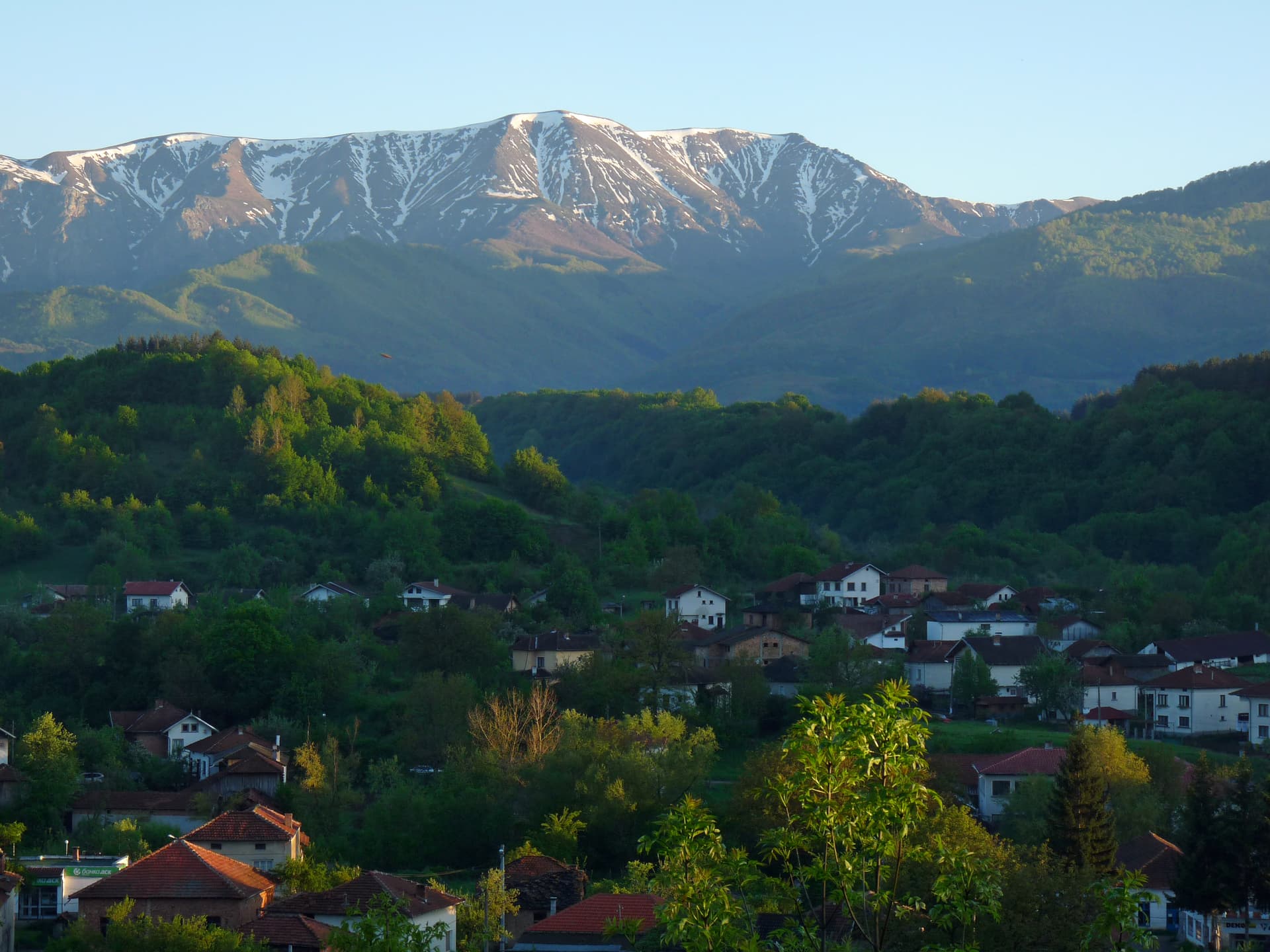
Stretching gracefully along the curves of the Vit River like a drawn bowstring, Teteven is a picturesque mountain town in Lovech Province, Central Northern Bulgaria. With a population of over 7,300 residents, it serves as the administrative center of Teteven Municipality and the fourth-largest settlement in the province.
Encirled by five dramatic limestone peaks—Petrahilya, Treskavets, Ostrich, Cherven, and Haidushka Polyana—Teteven blends fresh mountain air, centuries of craft heritage, and preserved National Revival architecture. Moved by its natural splendor, Ivan Vazov, the patriarch of Bulgarian literature, famously proclaimed: "Had I not visited Teteven, I too would have remained a stranger to Mother Bulgaria... I have wandered far and wide, but I have never seen a more wondrous paradise."
The Teteven region served as a vital stronghold during Bulgaria's 19th-century independence struggle:

Lovech region
3.4 km away
Lovech region
4.9 km away
Lovech region
6.9 km away
Lovech region
7.2 km away
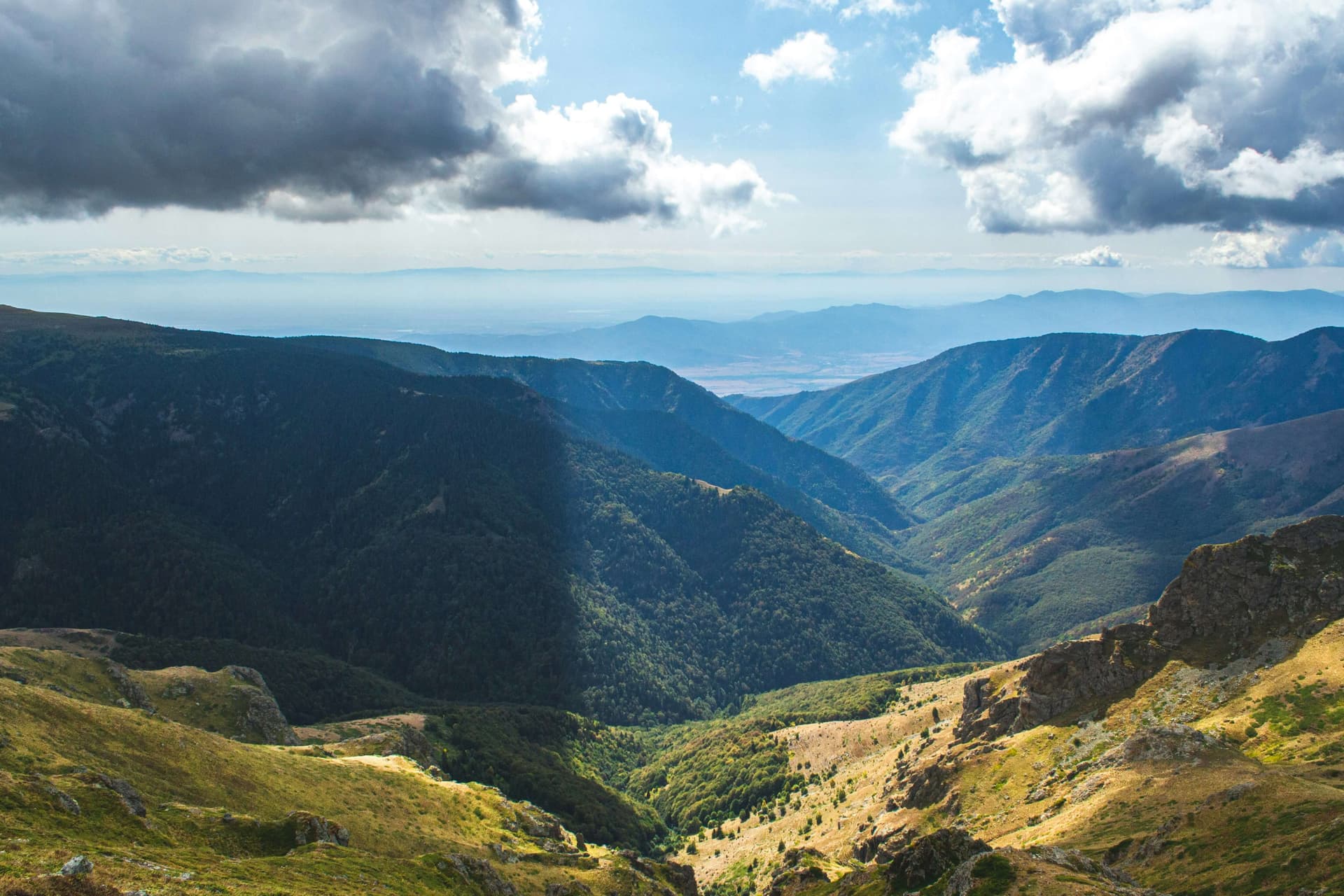
A guide to Central Balkan National Park: its nine strict reserves, the UNESCO-listed primeval beech forests of Boatin and Tsarichina, the Dzhendema cliffs, bears and wolves, and which town to enter from.
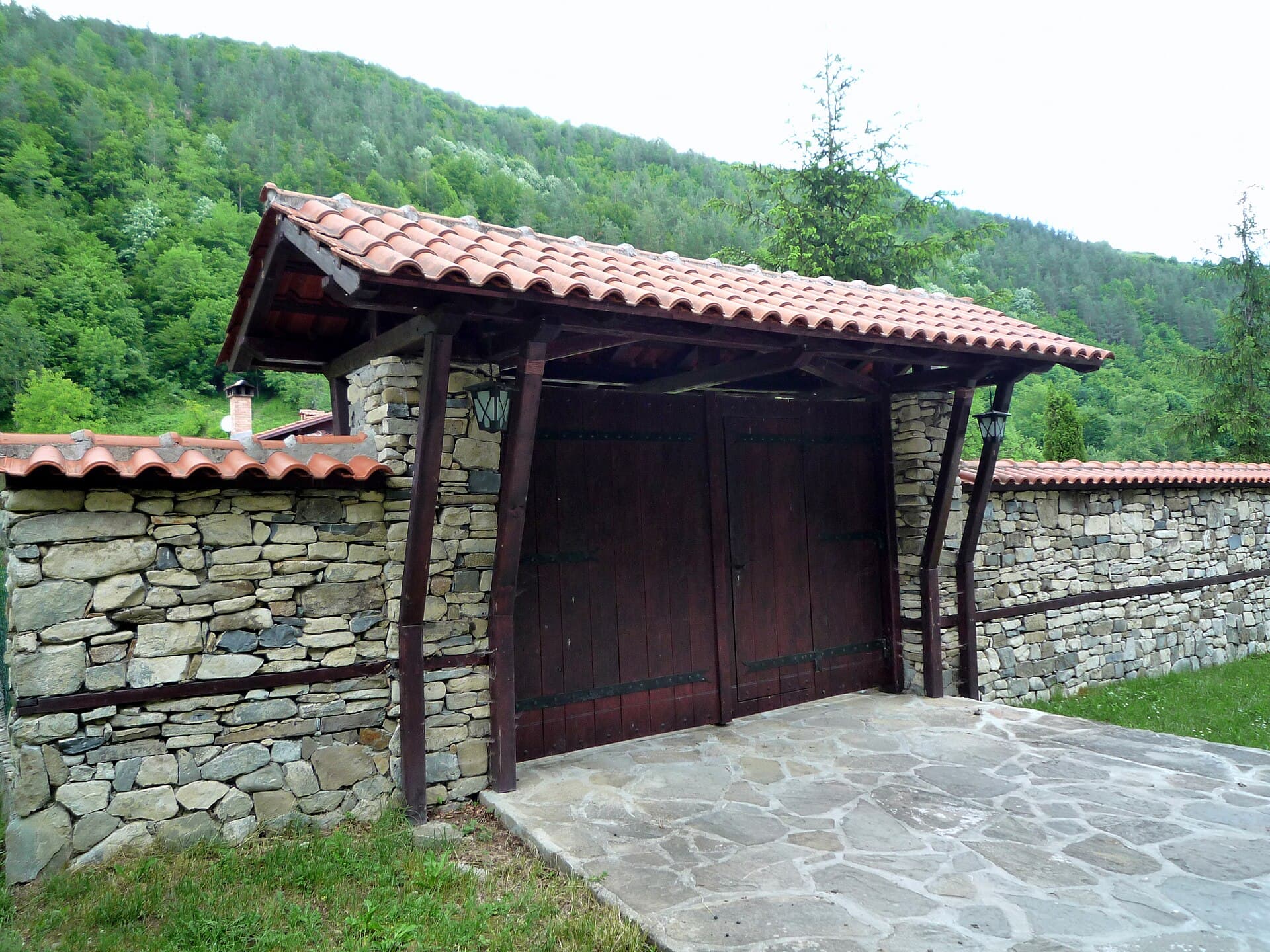
A guide to Teteven and Ribaritsa in the Vit valley: the clifftop Glozhene Monastery, the green cheese of Cherni Vit, access to the Central Balkan reserves, and why this valley stays empty.
Teteven is located in Lovech, Bulgaria.
Teteven is most easily reached by car. Use the coordinates above to navigate, or open the location in OpenStreetMap or your preferred maps app for turn-by-turn directions. Public transport options vary by region — for remote destinations a rental car gives the most flexibility.
Teteven can be visited year-round, but late spring (May–June) and early autumn (September–October) offer the most pleasant weather and fewer tourists. Summer is the busiest season; winter is the quietest, with shorter daylight and possible cold weather.
Bulgarian settlements typically reward unhurried walking — historic centres, churches and monasteries, local markets, and family-run restaurants serving regional dishes. Larger towns often have museums and seasonal cultural events. The local tourist information centre is a good first stop for current opening hours and what's on.