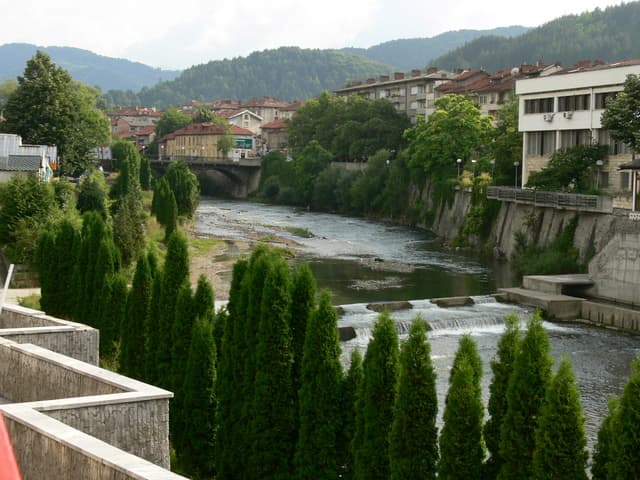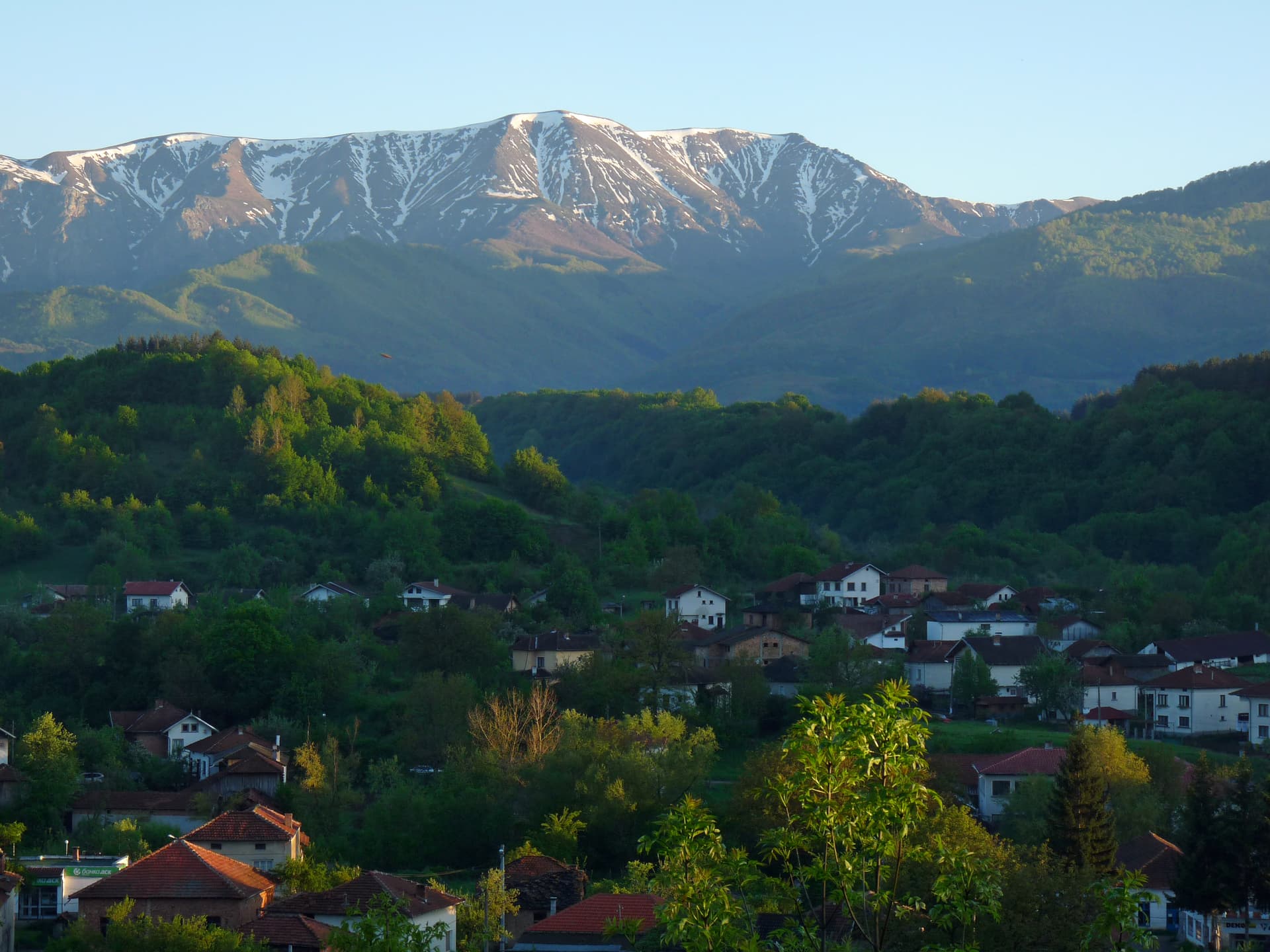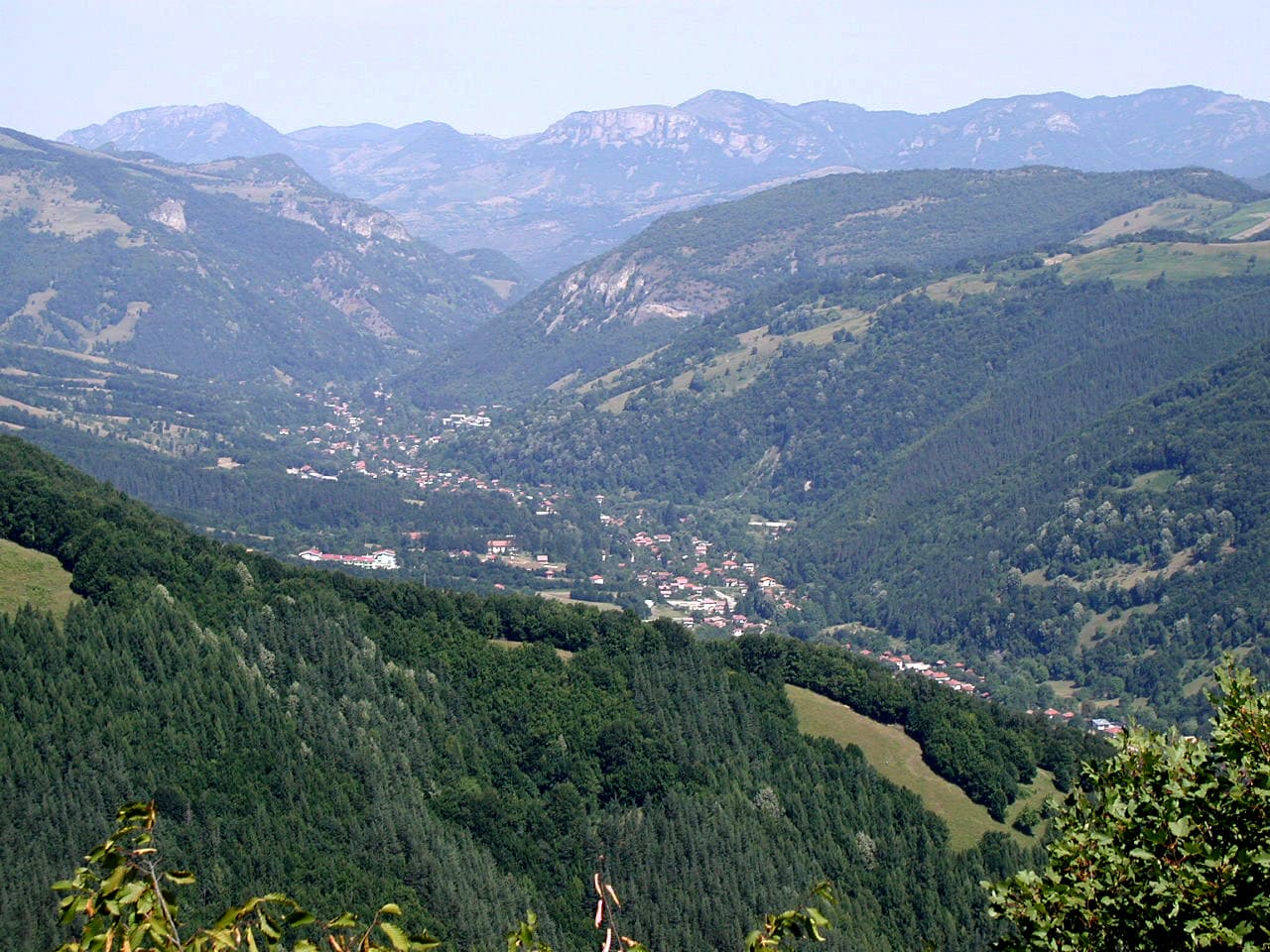
Stretching for nearly 10 km along the scenic valley of the Beli Vit River, Ribaritsa is one of Bulgaria's most renowned, romantic, and popular mountain climate resorts. Situated 12 km southeast of the town of Teteven and 43 km from Lovech, this picturesque village sits at an elevation of approximately 570 meters on the northern slopes of the Zlatitsa-Teteven Balkan Range.
Celebrated for its pristine, oxygen-rich air, ancient beech forests, and tranquil atmosphere, Ribaritsa was officially designated a mountain climate resort in 1963, making it a favorite destination for weekend getaways, nature lovers, and eco-tourism.
Originally established as a scattered mountain hamlet belonging to Teteven, Ribaritsa was officially recognized as an independent village in 1939. Its natural grandeur began attracting Bulgaria's cultural elite in the early 20th century:
Ribaritsa holds a sacred place in Bulgarian national history. Near the village, where the Kostina Stream joins the Beli Vit River, lies the historic Kostina Area:
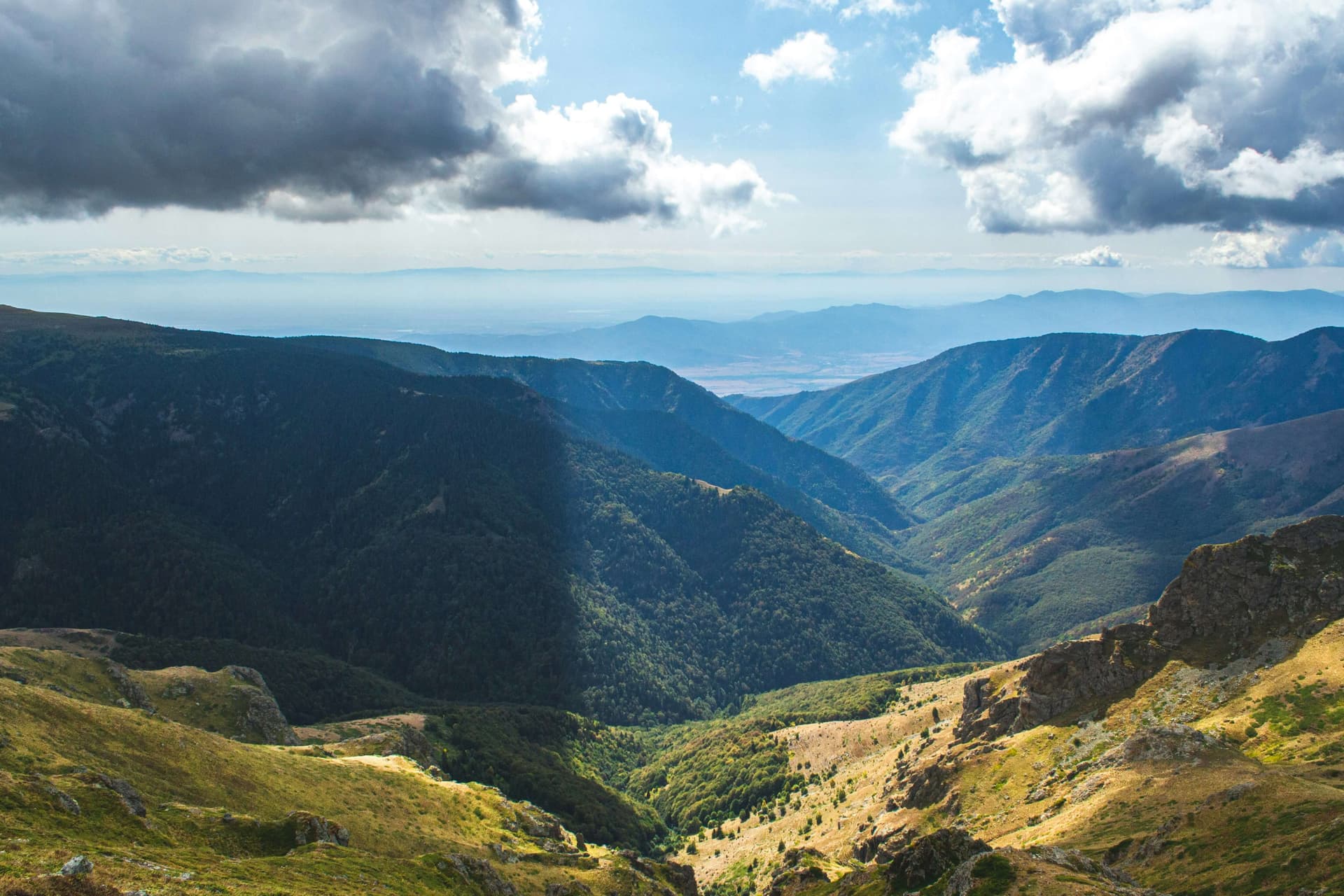
A guide to Central Balkan National Park: its nine strict reserves, the UNESCO-listed primeval beech forests of Boatin and Tsarichina, the Dzhendema cliffs, bears and wolves, and which town to enter from.
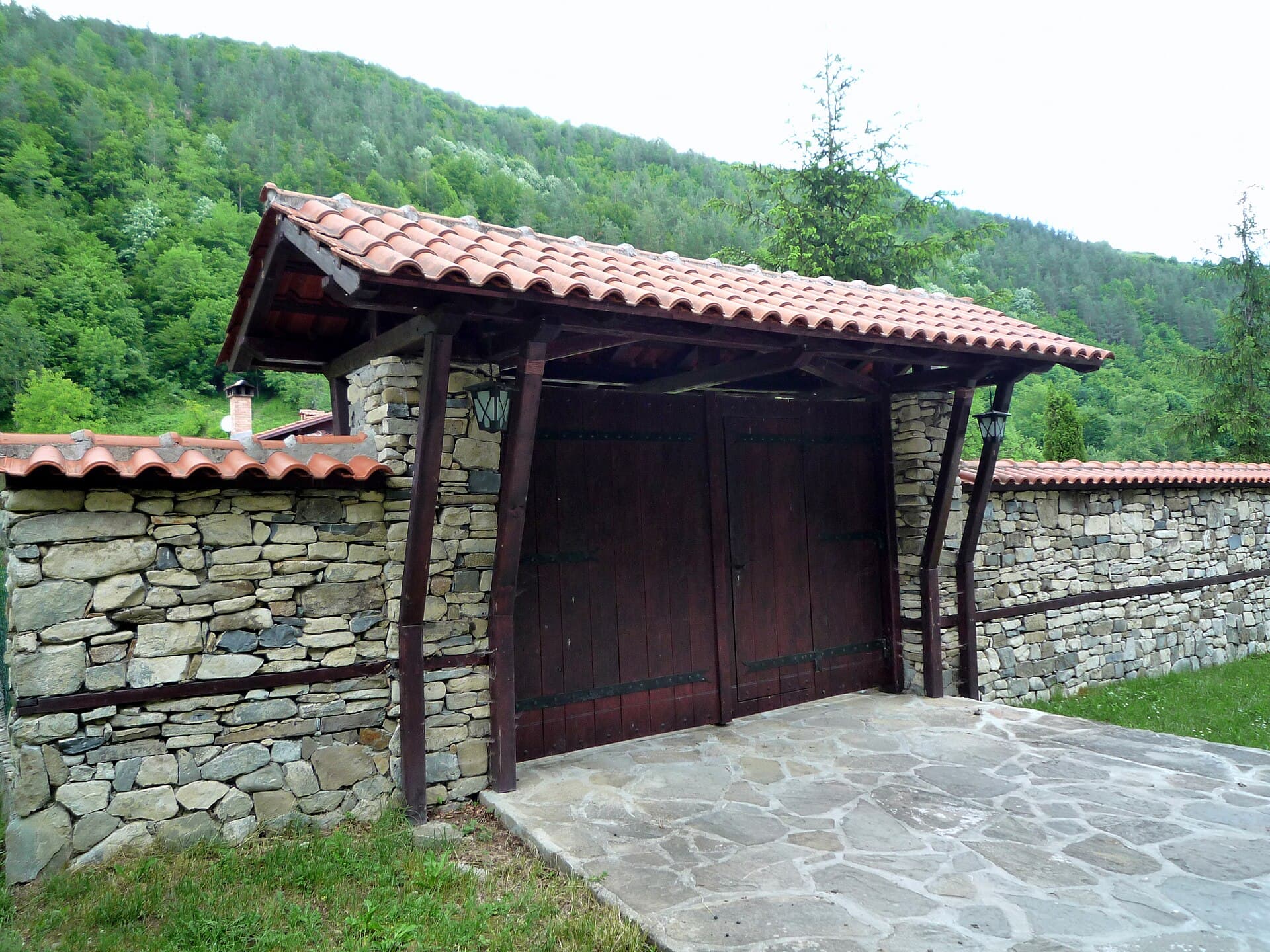
A guide to Teteven and Ribaritsa in the Vit valley: the clifftop Glozhene Monastery, the green cheese of Cherni Vit, access to the Central Balkan reserves, and why this valley stays empty.
Ribaritsa is located in Lovech, Bulgaria.
Ribaritsa is most easily reached by car. Use the coordinates above to navigate, or open the location in OpenStreetMap or your preferred maps app for turn-by-turn directions. Public transport options vary by region — for remote destinations a rental car gives the most flexibility.
Ribaritsa can be visited year-round, but late spring (May–June) and early autumn (September–October) offer the most pleasant weather and fewer tourists. Summer is the busiest season; winter is the quietest, with shorter daylight and possible cold weather.
Bulgarian settlements typically reward unhurried walking — historic centres, churches and monasteries, local markets, and family-run restaurants serving regional dishes. Larger towns often have museums and seasonal cultural events. The local tourist information centre is a good first stop for current opening hours and what's on.