Tucked away along the wild, emerald slopes above the village of Ribaritsa, Tsarichina is the third-largest nature reserve within Central Balkan National Park. Protecting the upper basin of the Beli Vit River and its crystal-clear tributaries Stara Ribaritsa and Zavodna, the reserve safeguards pristine forest and subalpine ecosystems spanning altitudes from 700 to 2,198 meters.
According to local folklore, the reserve owes its name to Princess Tamara, daughter of Bulgarian Tsar Ivan Asen II. Falling ill with a severe sickness, she was sent to heal in the fresh mountain air of the Teteven Balkan. During her stay, she became captivated by a fiery red wildflower known locally as omayniche (avens), worn by locals for health and love. By autumn, the princess had fully recovered. Believing the wildflower and mountain air cured her, locals dubbed the plant the "Royal Flower" (tsarsko tsveyte) and the surrounding meadows Tsarichina.
Established as a strict nature reserve on July 18, 1949, covering over 3,400 hectares, Tsarichina preserves an untouched natural sanctuary. In recognition of its high ecological importance, UNESCO officially included Tsarichina in the global network of Biosphere Reserves under the "Man and the Biosphere" program in 2017.
Tsarichina shelters over 600 plant species, 23 of which are listed in the Red Data Book of Bulgaria:
The dense, undisturbed canopies of Tsarichina provide a safe haven for iconic Balkan wildlife:
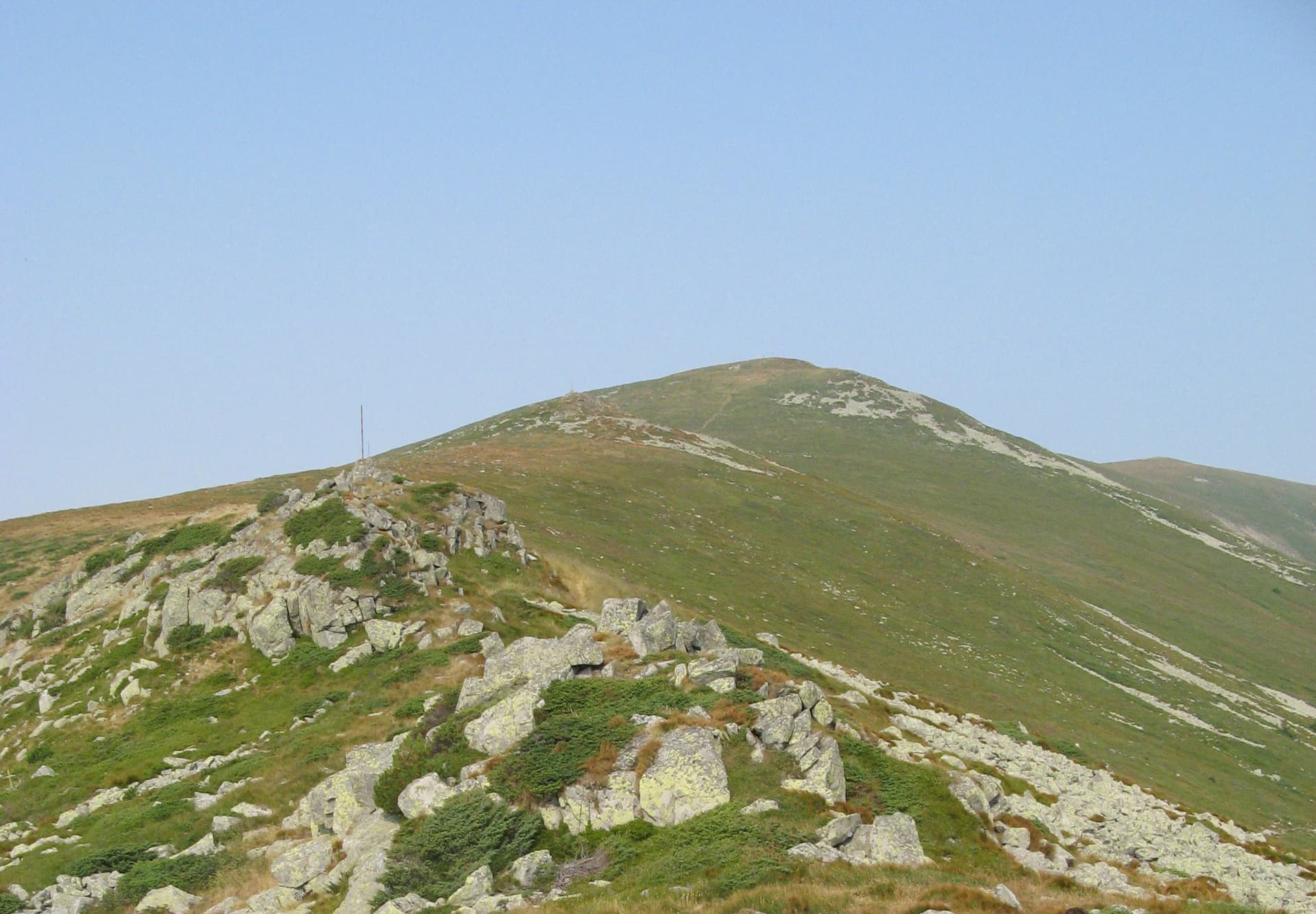
Plovdiv region
2.9 km away

Plovdiv region
4.2 km away
Plovdiv region
5.6 km away
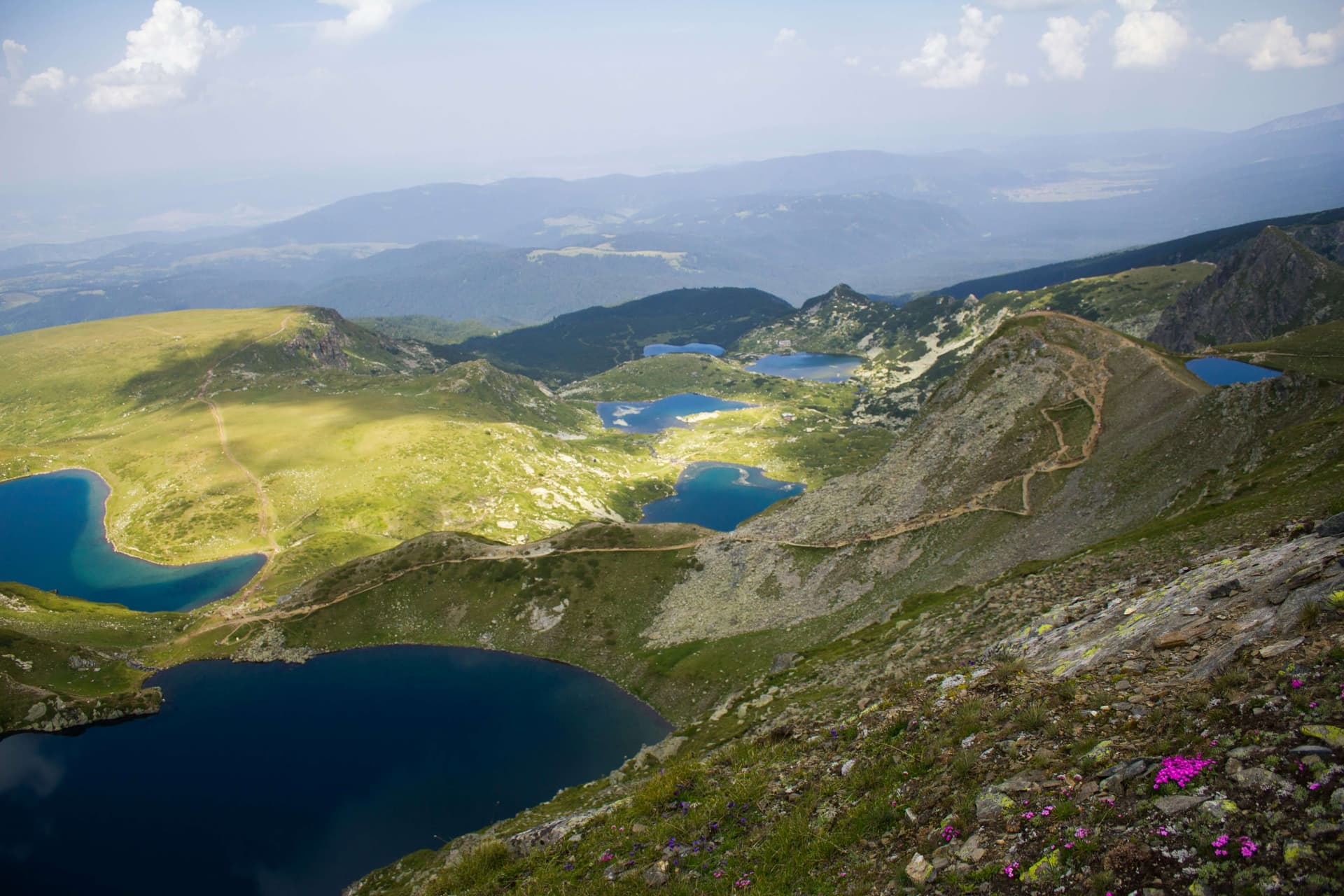
A guide to Bulgaria's three national parks and eleven nature parks — Rila, Pirin, Central Balkan, Vitosha, Vrachanski Balkan, Strandzha, Persina and the rest — what the categories mean and which to visit.
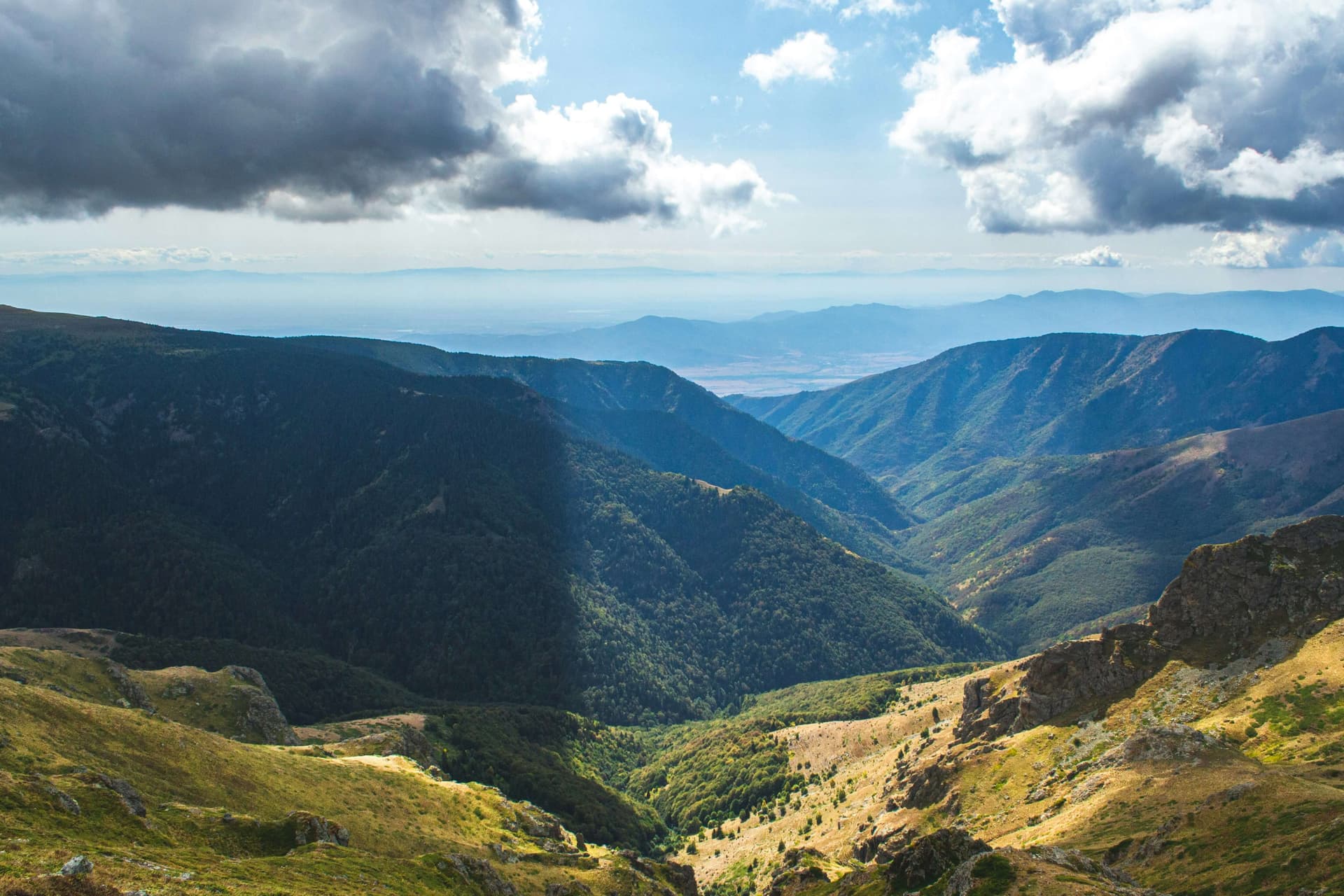
A guide to Central Balkan National Park: its nine strict reserves, the UNESCO-listed primeval beech forests of Boatin and Tsarichina, the Dzhendema cliffs, bears and wolves, and which town to enter from.
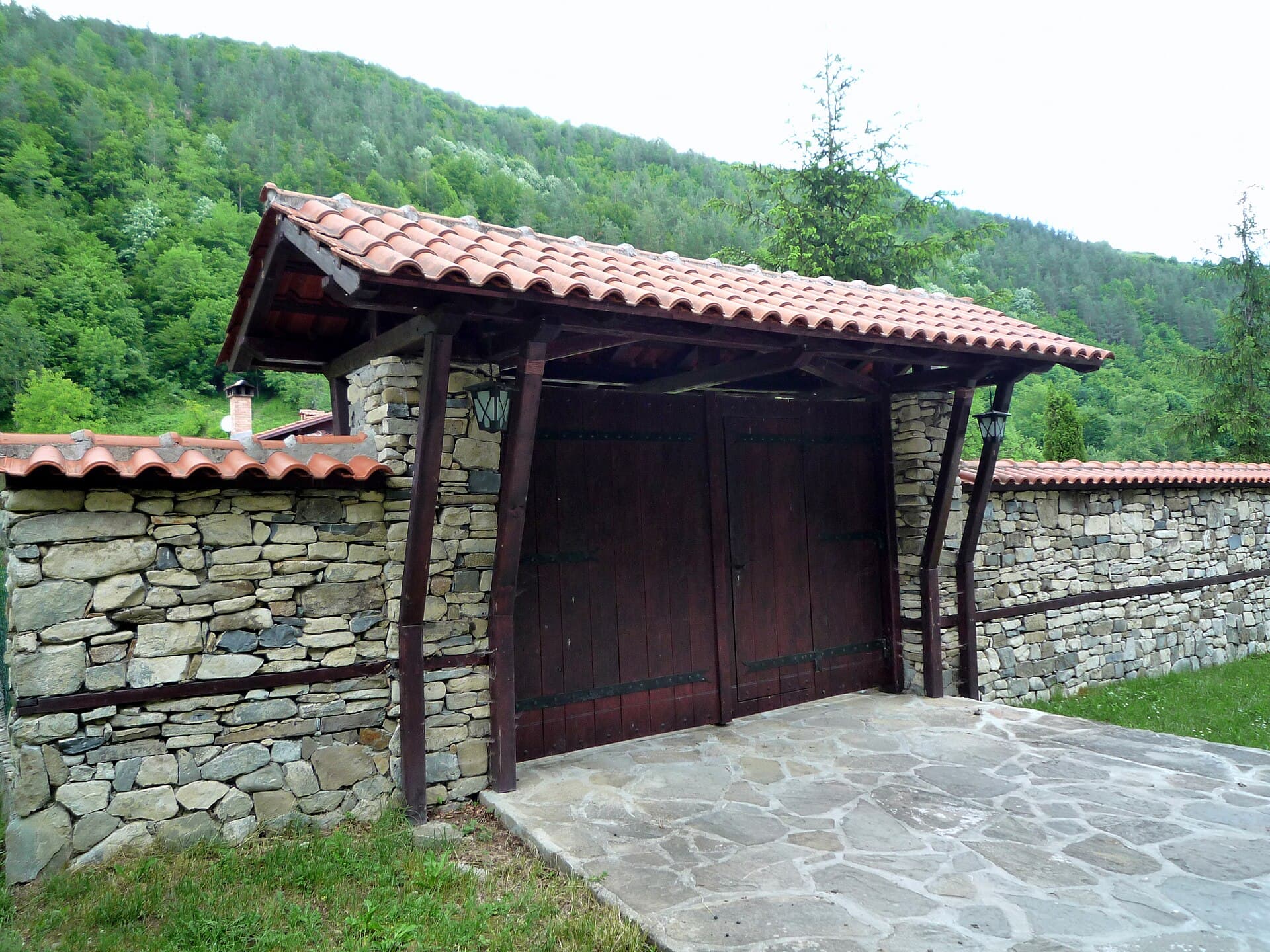
A guide to Teteven and Ribaritsa in the Vit valley: the clifftop Glozhene Monastery, the green cheese of Cherni Vit, access to the Central Balkan reserves, and why this valley stays empty.
Tsarichina Reserve is located in Lovech, Bulgaria.
Tsarichina Reserve is most easily reached by car. Use the coordinates above to navigate, or open the location in OpenStreetMap or your preferred maps app for turn-by-turn directions. Public transport options vary by region — for remote destinations a rental car gives the most flexibility.
Tsarichina Reserve is best walked from May through October, when the trail is clear of snow and weather is generally stable. Summer middays can be hot at lower altitudes — start early. Winter walking requires proper gear and route knowledge.
Suitability depends on the specific route. Bulgarian trails range from paved family-friendly paths to multi-day high-mountain crossings. Check the length, elevation gain, and surface before setting off. Sturdy footwear, water, and a basic map (offline or paper) are essential even on short walks.