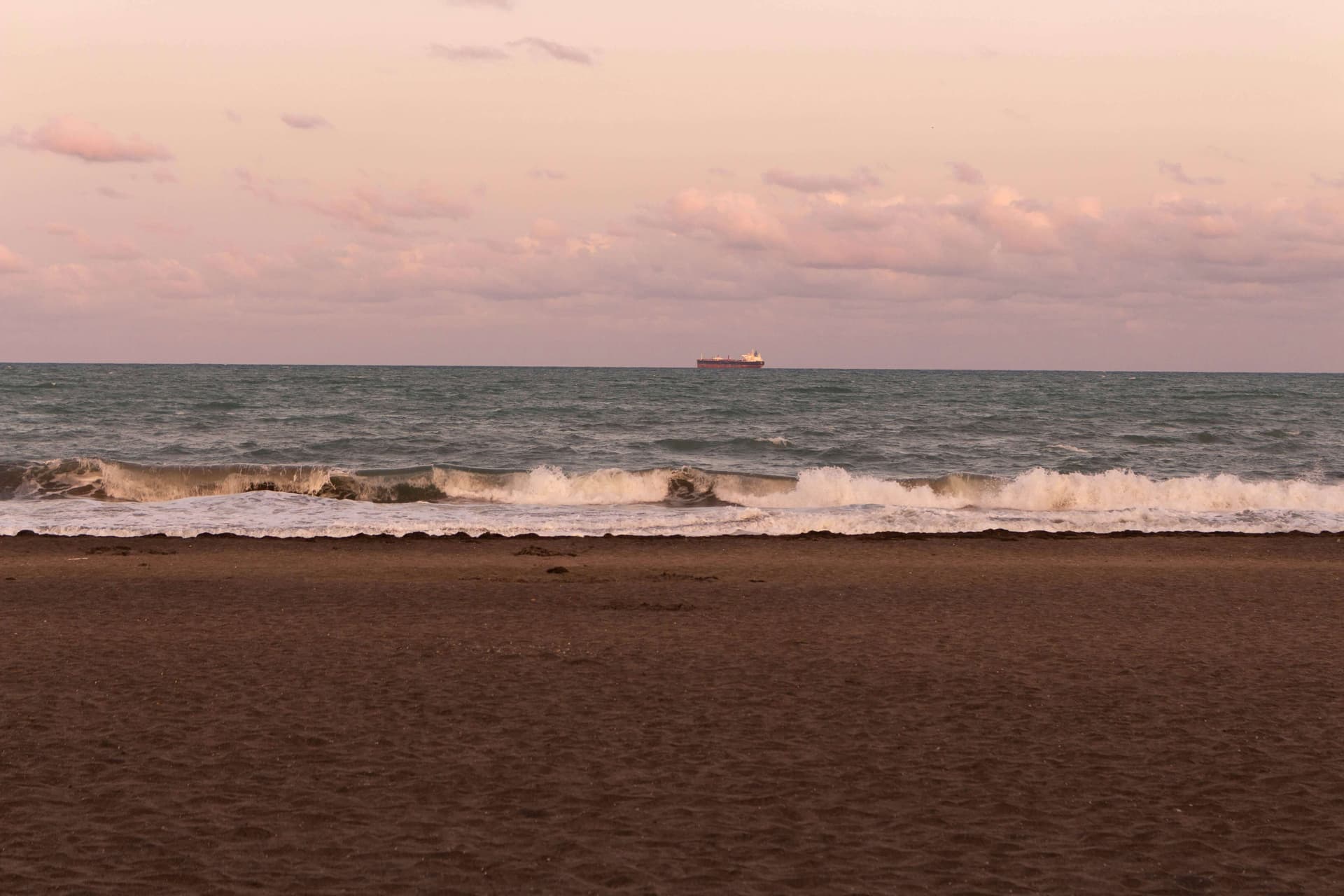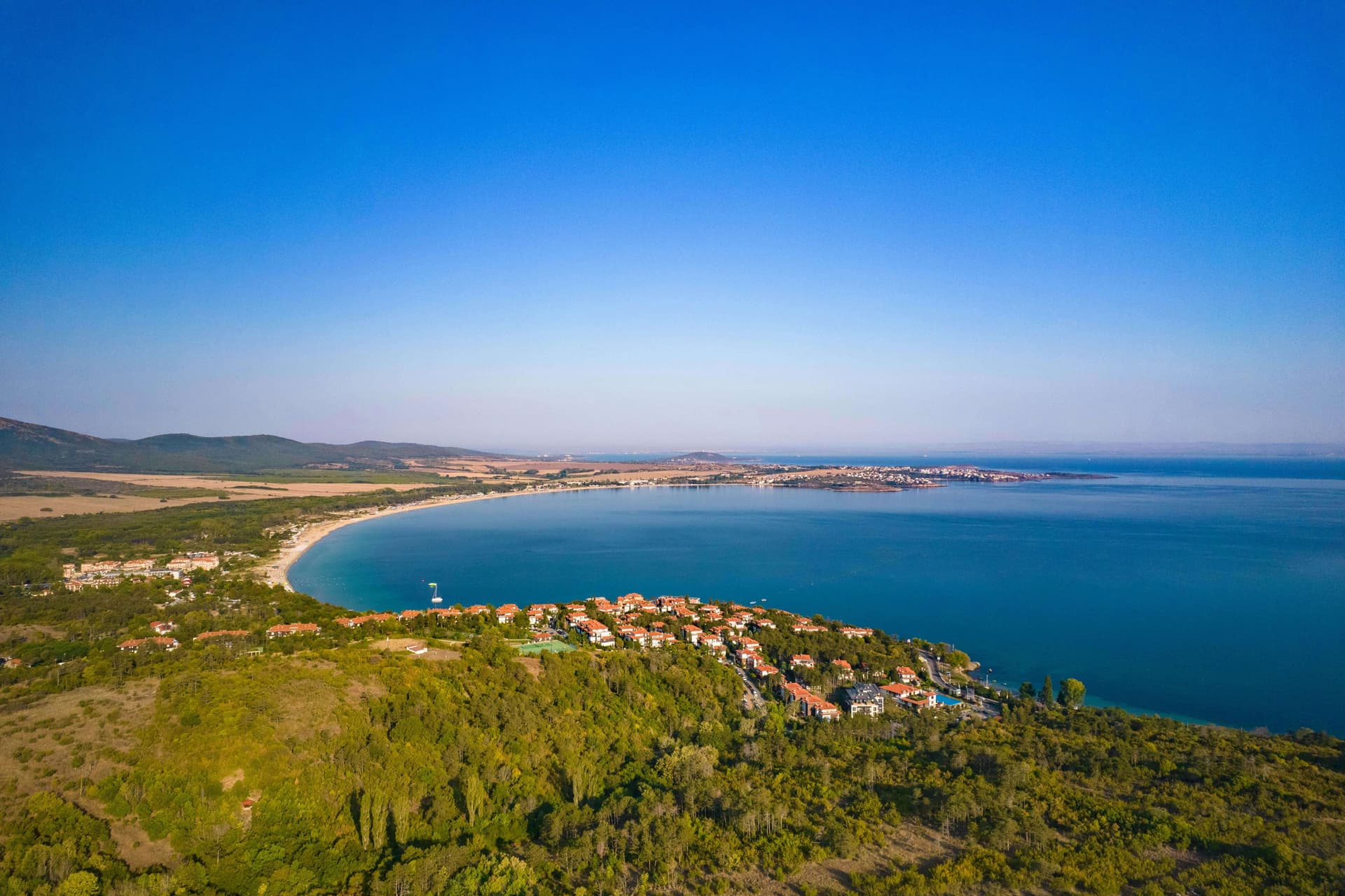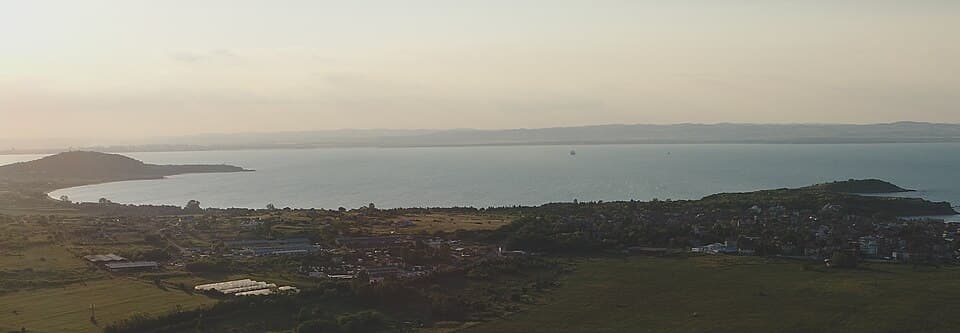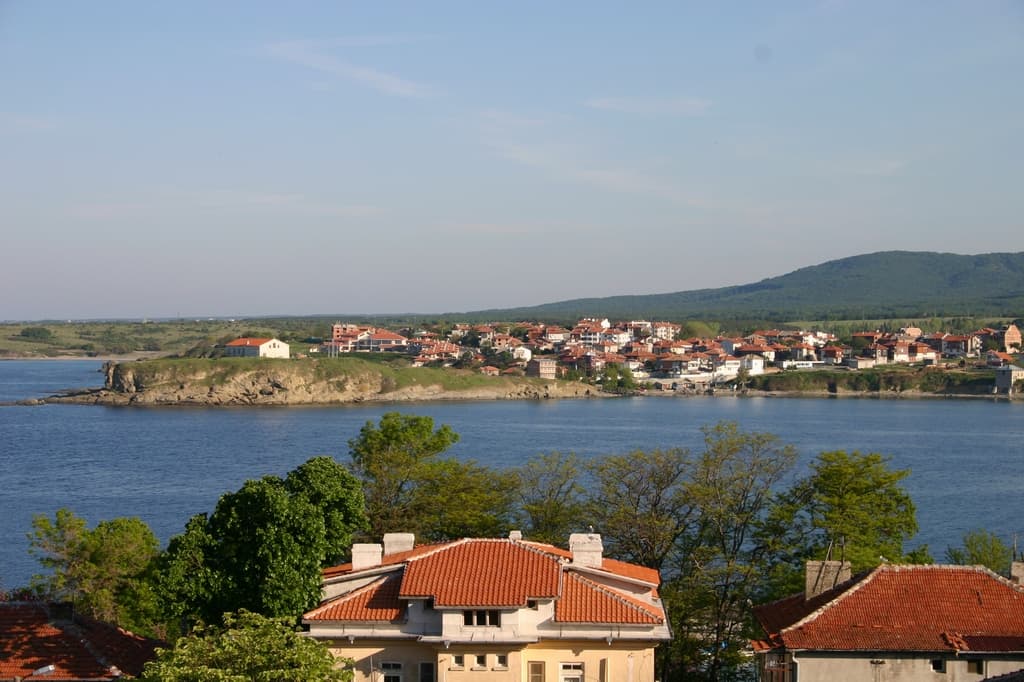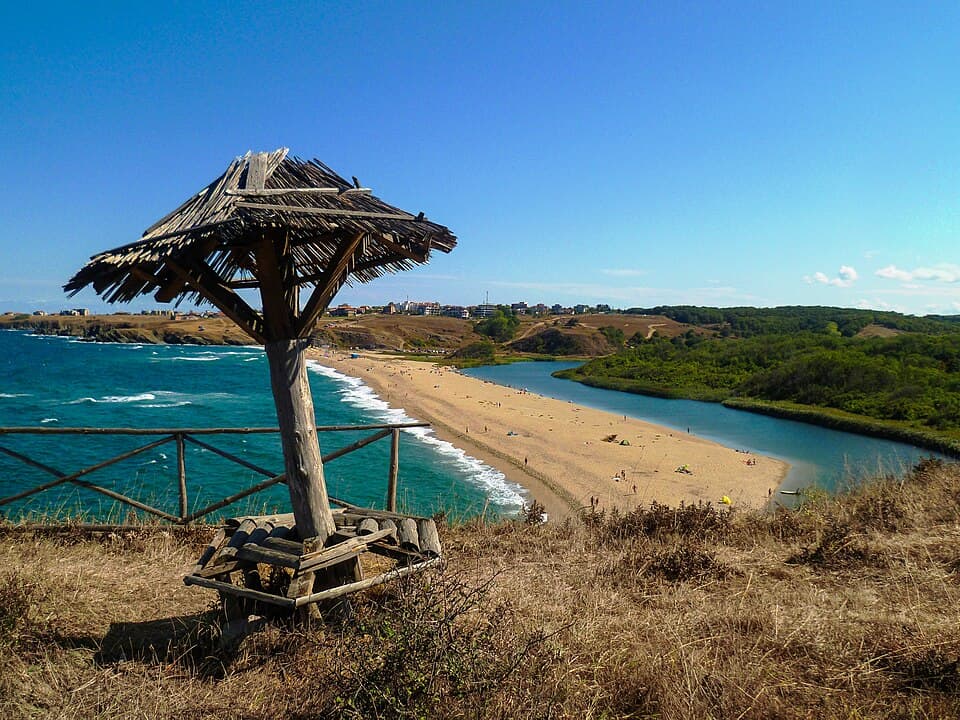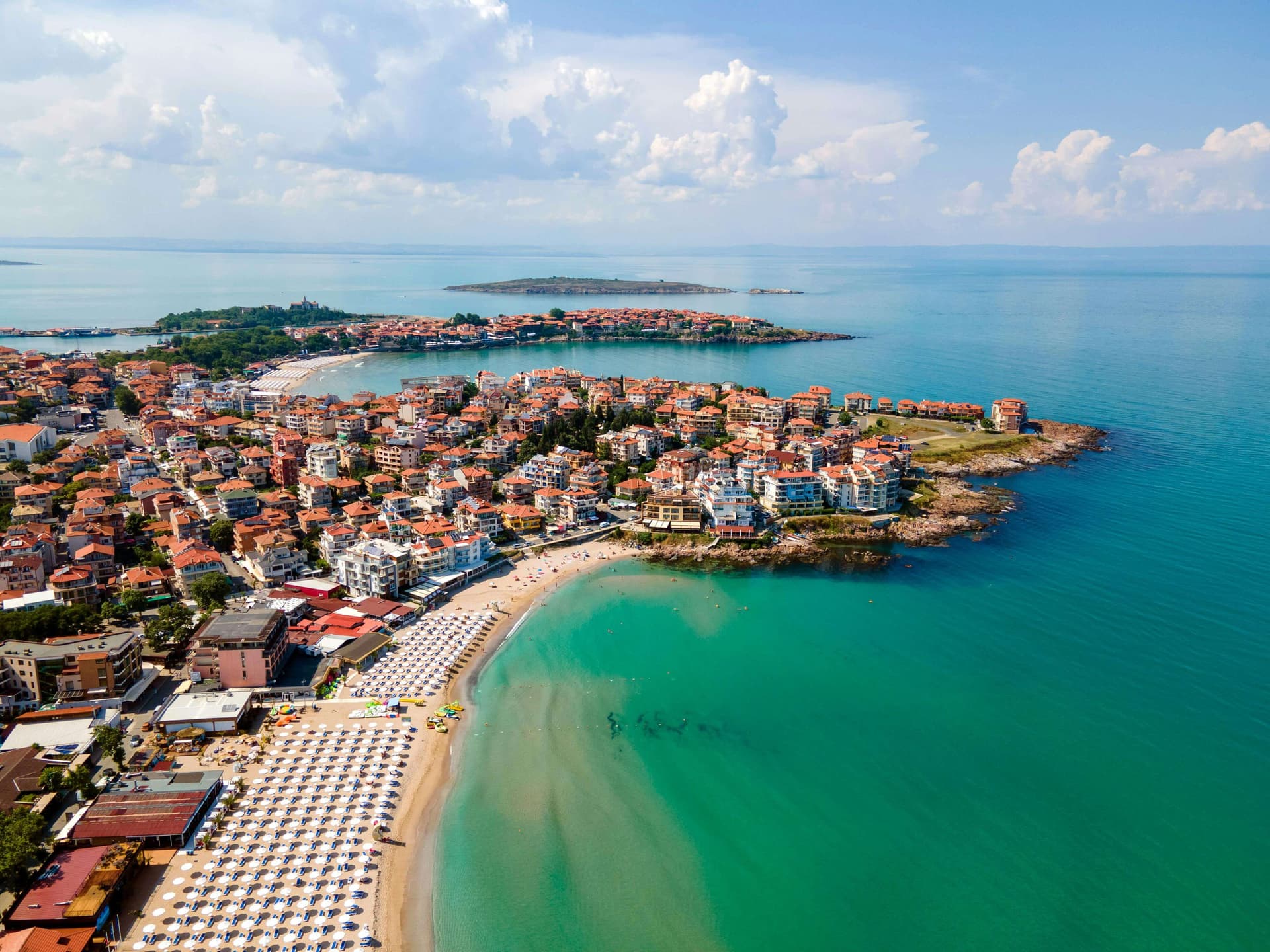
Sozopol is one of the most picturesque, romantic, and globally renowned resort cities in Southeastern Bulgaria, situated right on the coast of the Black Sea. The city is uniquely developed across several small, rocky peninsulas in the southern part of the sprawling Burgas Bay. Boasting a permanent population of nearly 6500 residents, Sozopol serves as the administrative center of the Sozopol Municipality and ranks as the eighth-largest urban center in the Burgas Province, located just 34 km south of the regional city of Burgas.
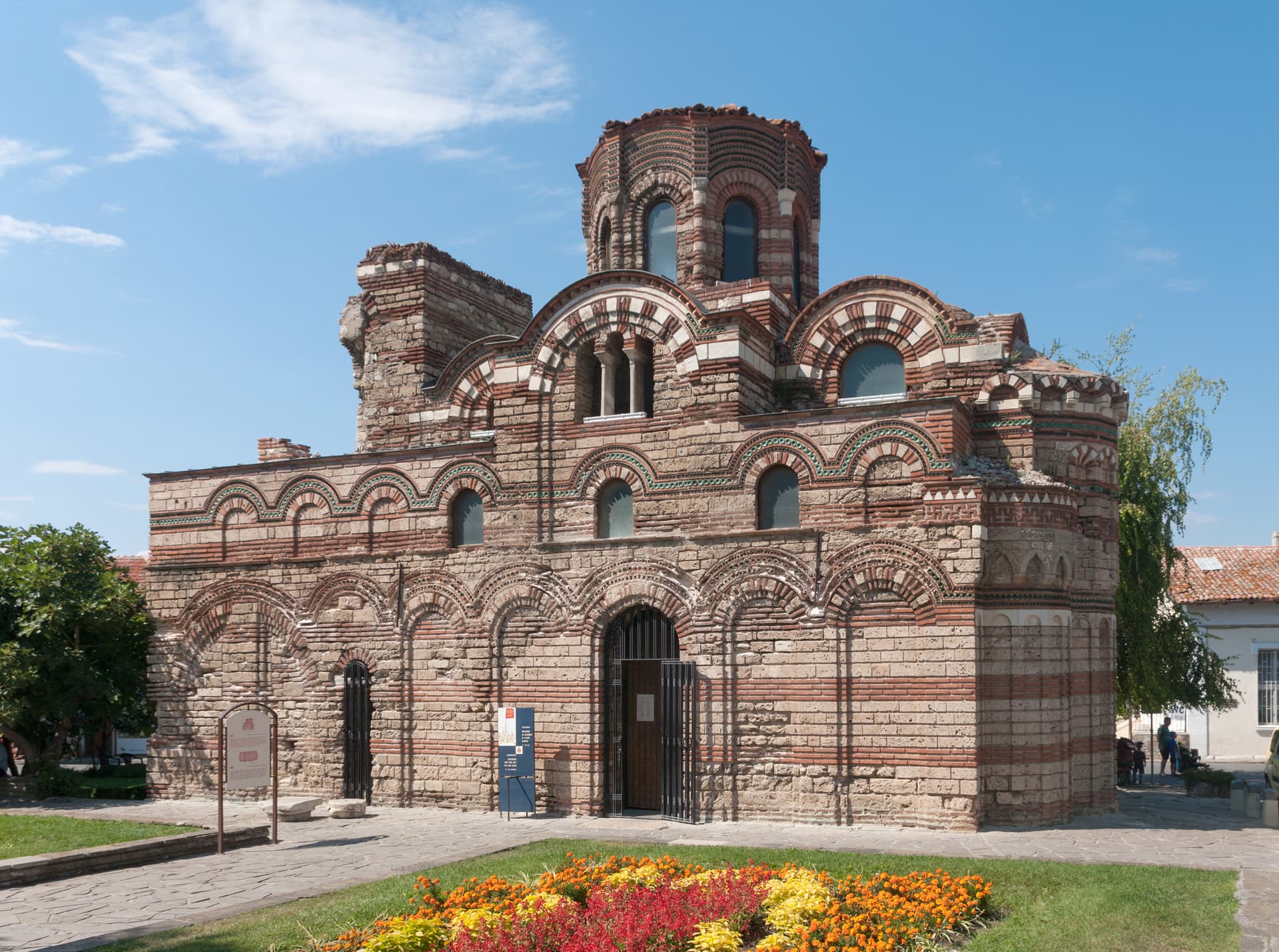
The town is the direct historical successor to the ancient Greek colony Apollonia Pontica, ranking alongside neighboring Nessebar as one of the very oldest cities in Bulgaria. From antiquity until the 17th century, Sozopol flourished as a wealthy maritime trade hub. It was historically celebrated as a premium fishing and wine-making center, holding a key role in the grain trade originating from the fertile plains of Thrace. From the Late Antiquity period onward, the city evolved into a major Christian center, hosting numerous medieval monasteries and churches. Today, its immense cultural baseline, preserved National Revival architecture, sandy beaches, and annual art festivals attract thousands of travelers worldwide.
The signature local culinary delicacies that every traveler must experience are the unique green fig jam and traditional Sozopol damgi (crispy, intricate fried pastries prepared according to well-guarded old family recipes).
The cultural heart of the town is the local Father Paisiy Community Center (Chitalishte), which is among the most dynamic educational hubs in the province. It runs 9 specialized creative departments, including childrens and womens folk dance ensembles, an amateur theater troupe, a language school, youth academies for classical and modern ballet, an art school, a folklore singing group, and an ensemble for historical urban songs.
Museums, Galleries, and Archaeological Heritage
In 1961, the Holy Synod of the Bulgarian Orthodox Church granted the grand building of the St. Cyril and Methodius Church to serve as a specialized museum to store and display archaeological treasures discovered in Sozopol and its surroundings. Since August 1978, the museum has expanded its exhibition halls into the local Culture House. The museum guards unique artifacts of global scientific interest, divided into two primary sections:
The entire exhibition layout was completely renovated in 2003 with the support of the National Historical Museum. It is featured in the 100 National Tourist Sites of Bulgaria.
This modern museum complex is located along the southeastern shoreline of the Skamni Peninsula. The main exhibition pavilion is perched beautifully overlooking the Black Sea waves, tracking eastward from the Sea Garden along the scenic Yuzhna Panoramna Aleya Street.
Established in 1991, the gallery is housed inside the historic Old School building, which is an official national monument of culture. The permanent collection includes 287 paintings (primarily fine art oil paintings and graphics) and around 40 sculptures by prominent Bulgarian and international artists, complemented by marine artwork donated by participants of the International Plein Air of Marine Painters.
The personal studio and residence of the renowned Bulgarian marine painter Alexander Mutafov began operating as a memorial collection in 1976 and was officially opened for public tourist visits in 1981.
Historic Landmarks and Nature Reserves
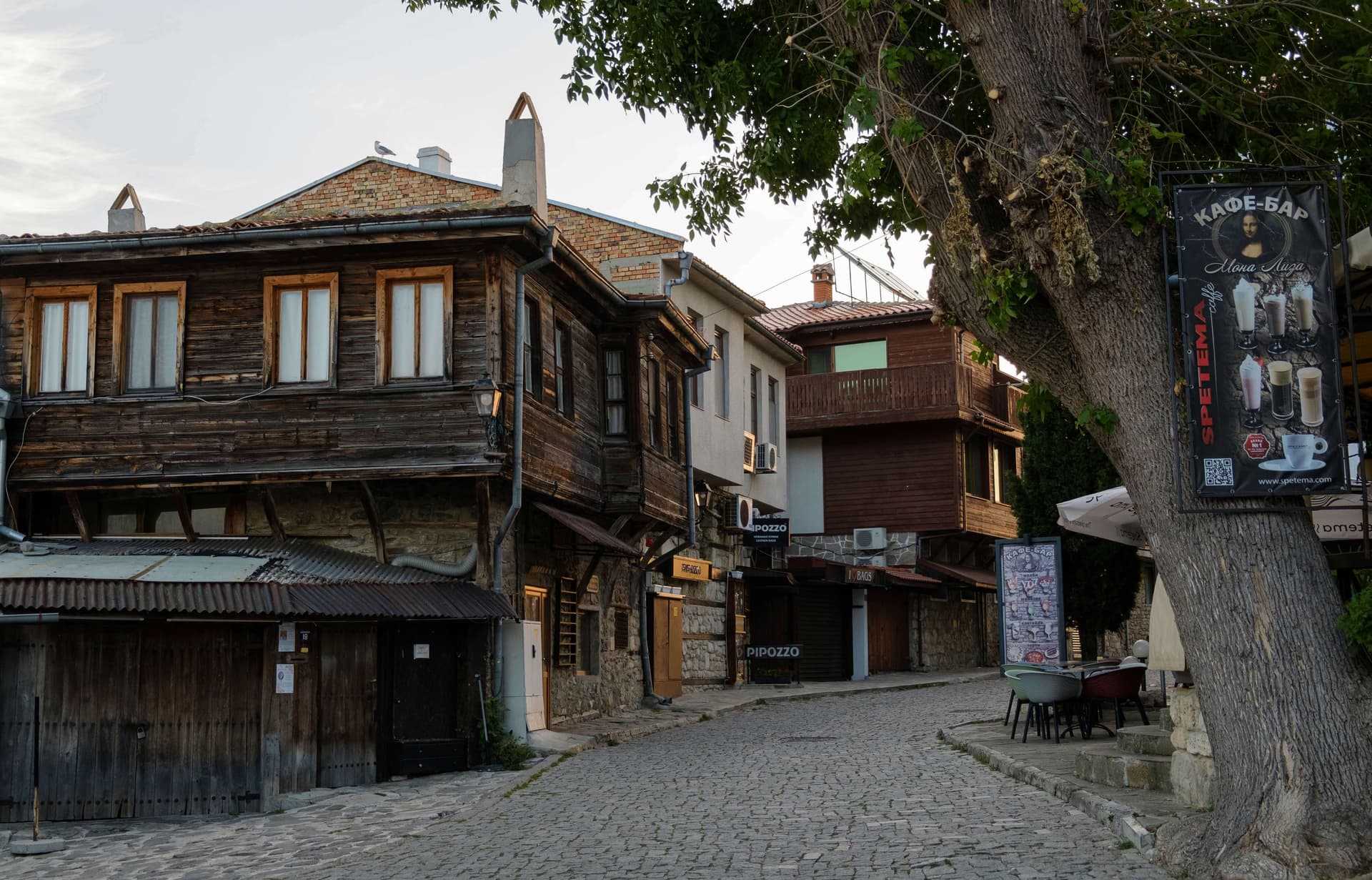
In September 1974, the old town territory of Sozopol was formally declared a protected architectural and historical reserve. It protects over 180 residential buildings showcasing authentic Bulgarian National Revival architecture from the 18th and 19th centuries, concentrated mostly on the Skamni Peninsula. The houses are textbook examples of the Black Sea architectural style, featuring a sturdy ground floor built from local stone and a cantilevered second floor clad in dark wooden planks designed to withstand the sea winds. Elements of the Strandzha and Balkan mountain styles are also evident. Among the most famous structures are the Marietta Stefanova House, the Kreanoolu House, the Todor Zagorov House, the Kurtidi House, and the Dimitri Lascaridis House.
Medni Rid is a distinct mountain ridge that curves like a protective crescent around the low valleys surrounding Sozopol. As early as the 13th and 12th centuries BC, ancient Thracian tribes constructed an extensive defensive line consisting of stone fortresses on nearly all major high points of the ridge, built entirely out of dry stone masonry without mortar. The most prominent fortresses are located on Cape Atiya, Mount Bakarlaka (covering 4 decares at an altitude of 376 meters), Lobodovo Kale (1.5 decares), and Malkoto Kale (spanning 4 decares, which is the only site that underwent comprehensive scientific excavations under the Strandzha-Sakar research framework).
Numerous ancient burial mounds are scattered across the crests of Medni Rid, marking the complex funerary rituals of the Thracians. Historically, their number exceeded 1500 in the region. Scientific interest in Sozopol's antiquities dates back to the mid-19th century, focusing heavily on local necropolises. Today, the most famous burial grounds of ancient Apollonia Pontica are located within the town's Sea Garden, as well as the coastal areas of Harmanite, Budzhaka, and Kalfata (where systematic annual excavations are conducted by a joint Bulgarian-French team).
Medieval Sozopol was enclosed by massive defensive stone walls and guard towers built during the reign of Byzantine Emperor Anastasius around 511 AD. These structures were reinforced and rebuilt throughout the following centuries, with impressive authentic fragments surviving up to a height of 3 to 4 meters today. Since 2003, large segments of the Southern Fortress Wall and its primary defensive watchtower have been fully restored and conserved for historical tourism.
Annual Events and Cultural Festivals
Sozopolis Festival: A vibrant cultural and arts festival held annually at the end of May and the beginning of June.
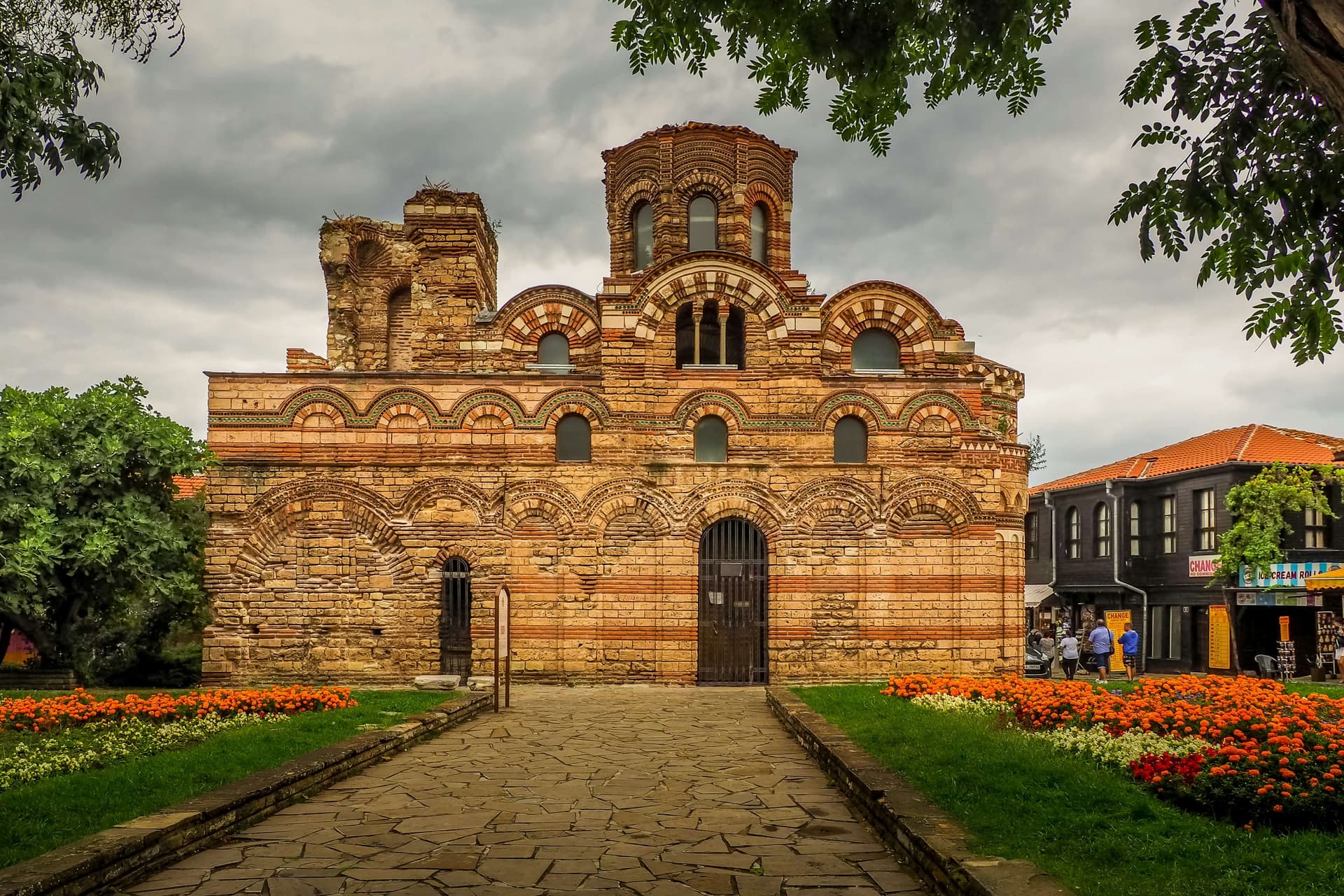
The best day trips from Burgas: Nessebar and Sozopol old towns, the Pomorie salt pans, Ropotamo reserve and Strandzha, with bus and driving tips.

Planning to attend Eurovision 2027 in Burgas (10–15 May)? Discover the official dates, Arena Burgas capacity, ticket release timeline, and expert travel tips.
An expert day-by-day plan for Eurovision 2027 week in Burgas: semi-final dates, free-day coastal trips to Nessebar and Sozopol, fan zones, and late-night tips.
Sozopol is located in Burgas, Bulgaria.
Sozopol is most easily reached by car. Use the coordinates above to navigate, or open the location in OpenStreetMap or your preferred maps app for turn-by-turn directions. Public transport options vary by region — for remote destinations a rental car gives the most flexibility.
Sozopol can be visited year-round, but late spring (May–June) and early autumn (September–October) offer the most pleasant weather and fewer tourists. Summer is the busiest season; winter is the quietest, with shorter daylight and possible cold weather.
Bulgarian settlements typically reward unhurried walking — historic centres, churches and monasteries, local markets, and family-run restaurants serving regional dishes. Larger towns often have museums and seasonal cultural events. The local tourist information centre is a good first stop for current opening hours and what's on.