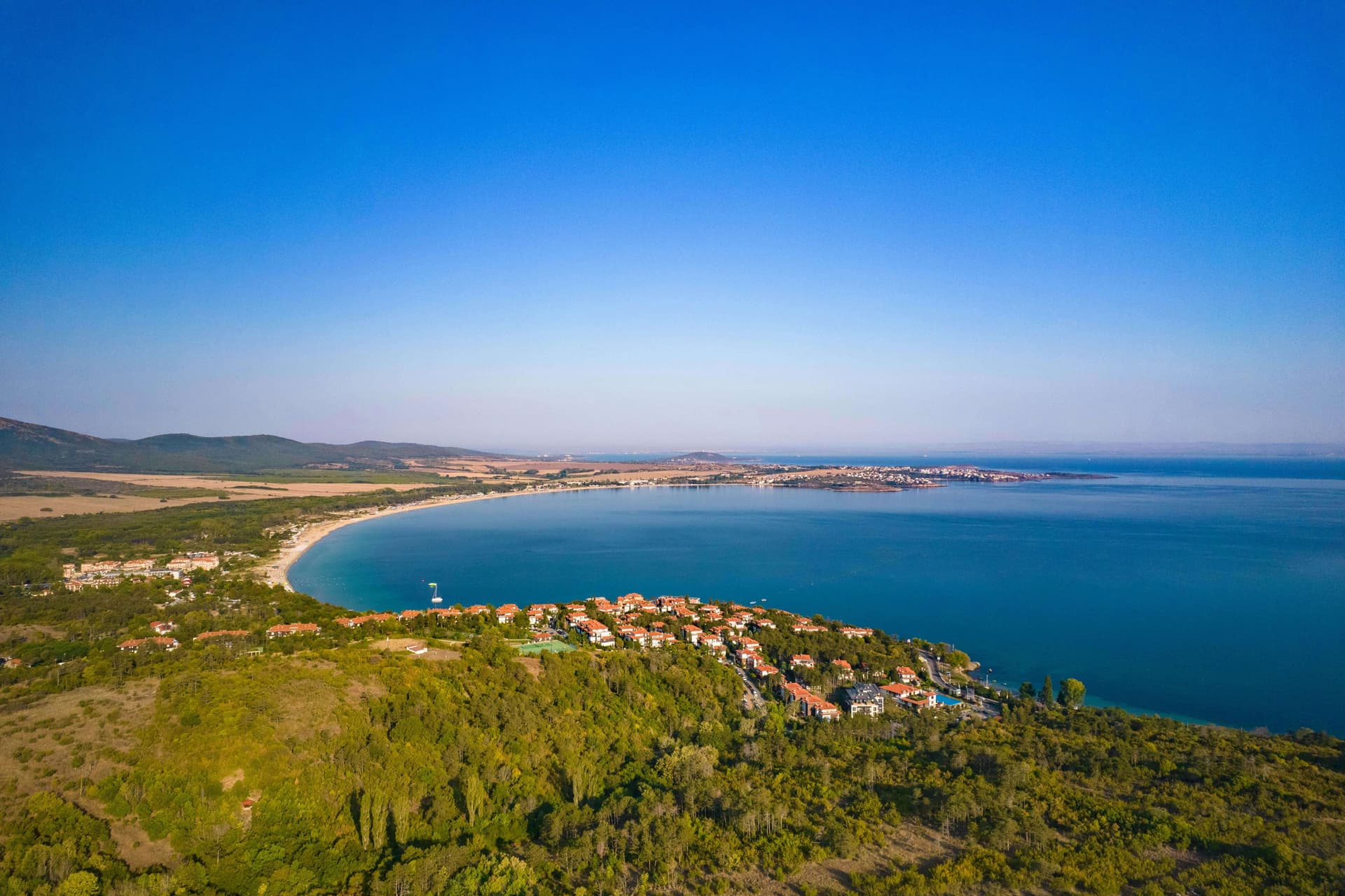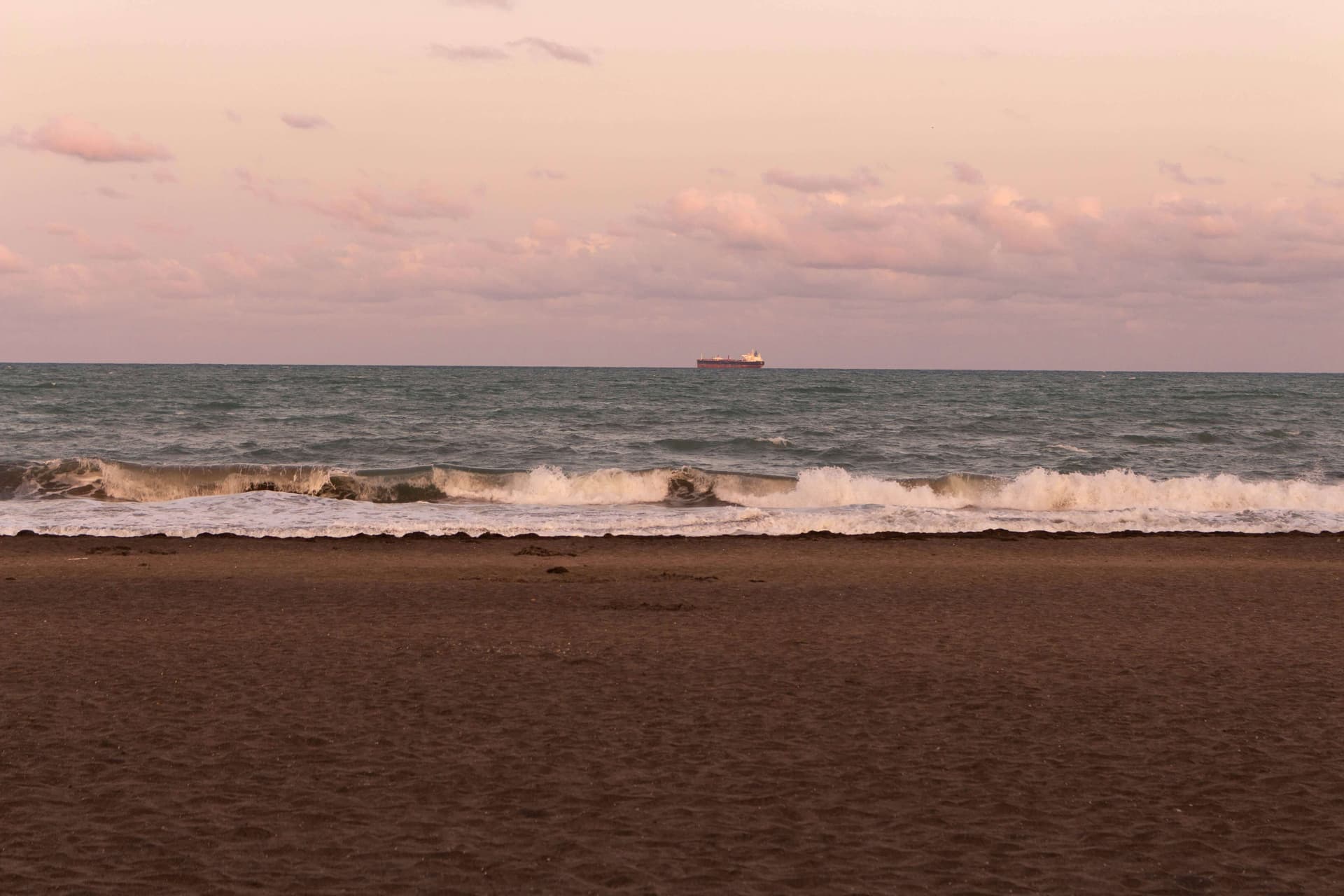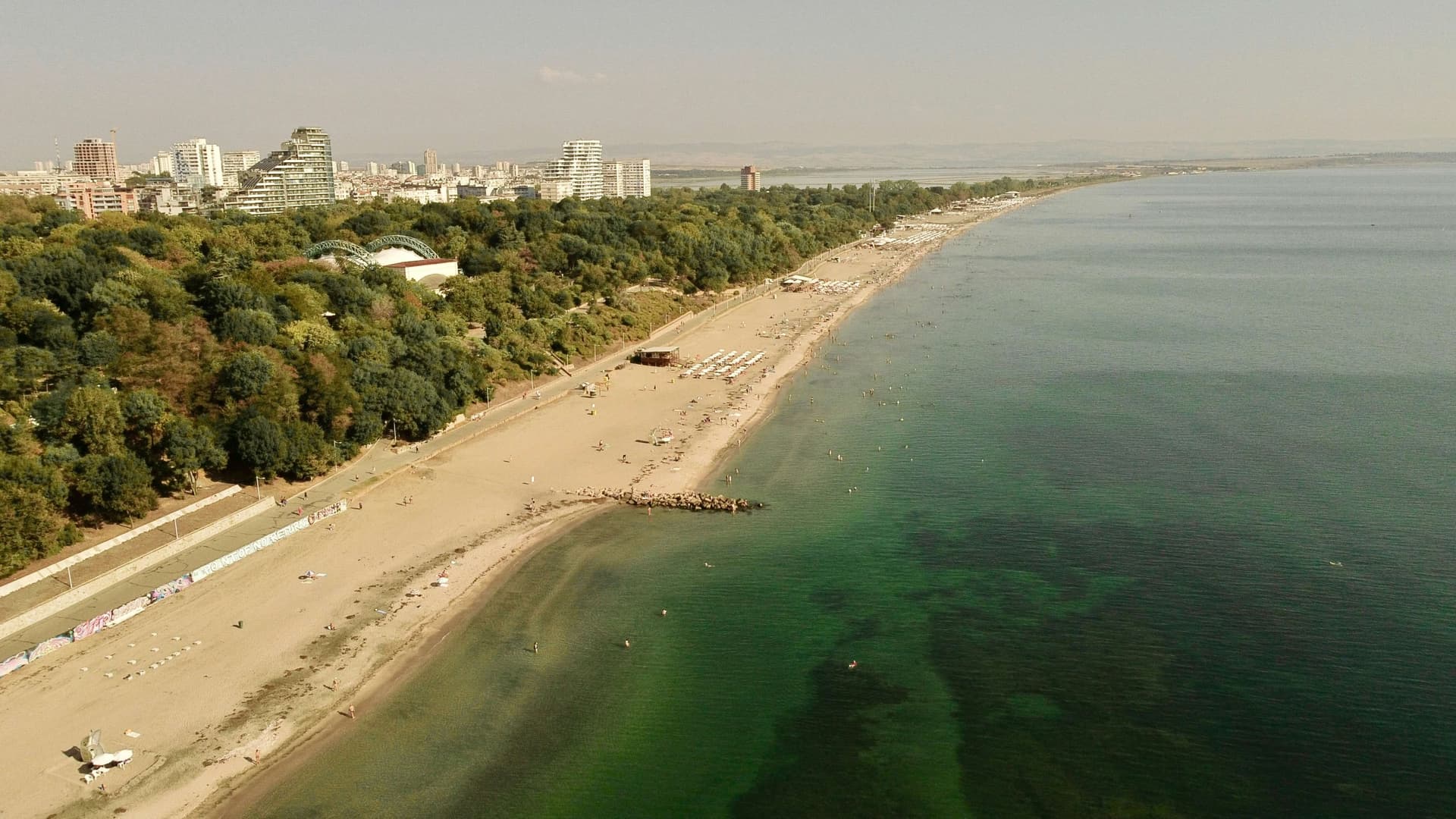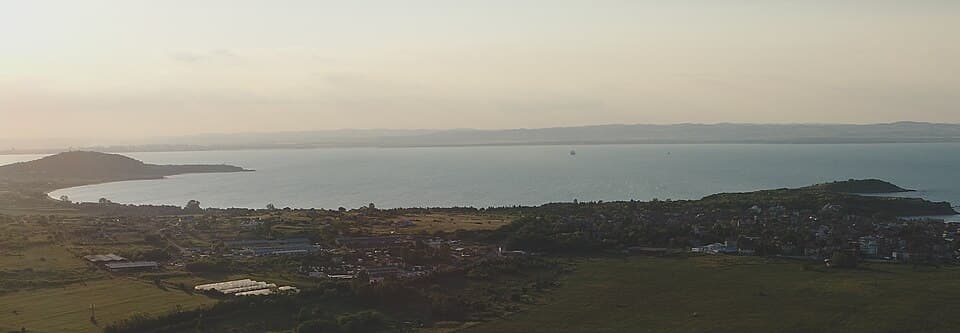
Vromos is a beautiful and expansive bay in the Black Sea, ranking among the very last remaining completely unurbanized coastal zones along the Bulgarian Black Sea coast. Situated in the southeastern part of the large Burgas Bay, it lies directly west of the town of Chernomorets and east of the village of Atiya. The bay features a large marine area, stretching to a width of 3.5 km. The region surrounding the shoreline holds rich traces of human activity, having been settled since deep antiquity. Etymology and Theories on the Origin of the Name The name Vromos has sparked significant interest among historians and linguists. The word itself is of Greek origin, literally translating to foul-smelling or smelly. This stands as a paradox today, given that the modern location is not characterized by any unpleasant odors. There are three primary scientific theories explaining the origin of this specific toponym: - The Bloody Battle of Akra: According to research by Professor Bozhidar Dimitrov, the first version is tied to ancient Byzantine military history. In the year 513 AD, a major revolt erupted against the Byzantine Emperor Anastasius I, led by Vitalian, the commander of the federative troops on the Balkan Peninsula. The rebel basecamp was situated near Anchialo (modern-day Pomorie). To crush the uprising, the emperor dispatched a massive army numbering between 60 000 and 80 000 soldiers, commanded by his nephew Hypatius. The two forces clashed near the Akra fortress close to modern Chernomorets, resulting in the near-total destruction of the Byzantine army. The bodies of the thousands of fallen soldiers were left unburied along the shore for years, and the subsequent decomposition and stench gave the wild bay its name. - Livestock Export Terminal: The second theory, also proposed by Professor Bozhidar Dimitrov, offers a practical commercial explanation. In the past, the bay was heavily used as a specialized shipping terminal for loading live cattle onto trading vessels. To prevent large herds from entering neighboring towns and fouling urban streets, the authorities established these remote stations outside major ports. For centuries, hundreds of animals gathered here regularly, creating a strong odor from waste that likely generated the name. - Sea Oats: The third theory presents a purely botanical explanation. The coastal dunes surrounding the bay are a natural habitat for sea oats (sand oats). In the Greek language, the word for oats is pronounced as vromos or vromis, which easily transitioned into local topography as the permanent name of the bay. Environmental History and Current Status Vromos Bay carries a complex ecological legacy from the second half of the 20th century. Copper ore mining activities in the nearby mines of Rosen village served as the primary source that historically contaminated the beach strip with radioactive elements. For decades, waste material from the mines tailings dams was discharged directly into the bay waters. The earliest indicators of elevated radiation levels in the area were recorded back in 1970. At that time, Ivan Uzunov from the Faculty of Physics at Sofia University St. Kliment Ohridski conducted the first specialized measurements and discovered the anomalies. In 1998, a major environmental remediation project was launched, funded by the European Union under the PHARE program. A brand-new, secure tailings facility was constructed near the Rosen mining settlement, and the affected beach line was capped with a thick layer of clean sand. In 2010, the National Center of Radiobiology and Radiation Protection issued an official assessment stating that the sea water inside Vromos Bay is completely clean and complies with all safety regulations for coastal water quality. However, ongoing monitoring by the Executive Environment Agency notes that localized sections above the sandy beach still exhibit background radiation levels that exceed regular limits.
Vromos Bay is located in Burgas, Bulgaria.
Vromos Bay is most easily reached by car. Use the coordinates above to navigate, or open the location in OpenStreetMap or your preferred maps app for turn-by-turn directions. Public transport options vary by region — for remote destinations a rental car gives the most flexibility.
Vromos Bay can be visited year-round. Spring and autumn offer the most pleasant conditions for exploring, with mild temperatures and fewer crowds. Summer is ideal for photography and longer day trips; winter visits are possible but weather can limit access at some sites.
Most natural landmarks in Bulgaria are freely accessible and open year-round, though some sites have entrance fees or require a guide. Wear sturdy footwear and bring water, as the terrain can be uneven. Respect any protective barriers and stay on marked paths to preserve the site.