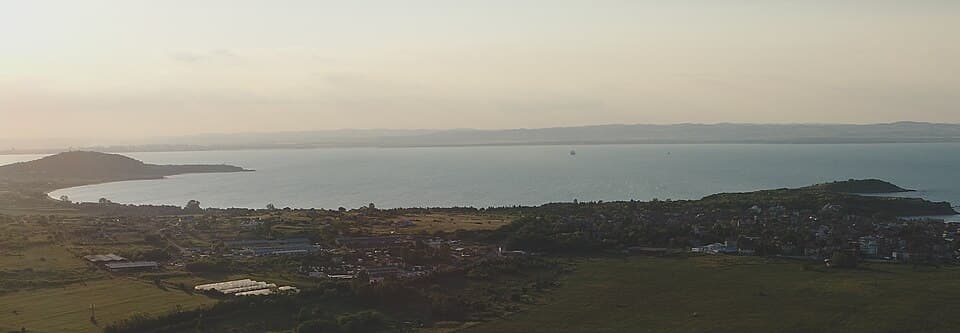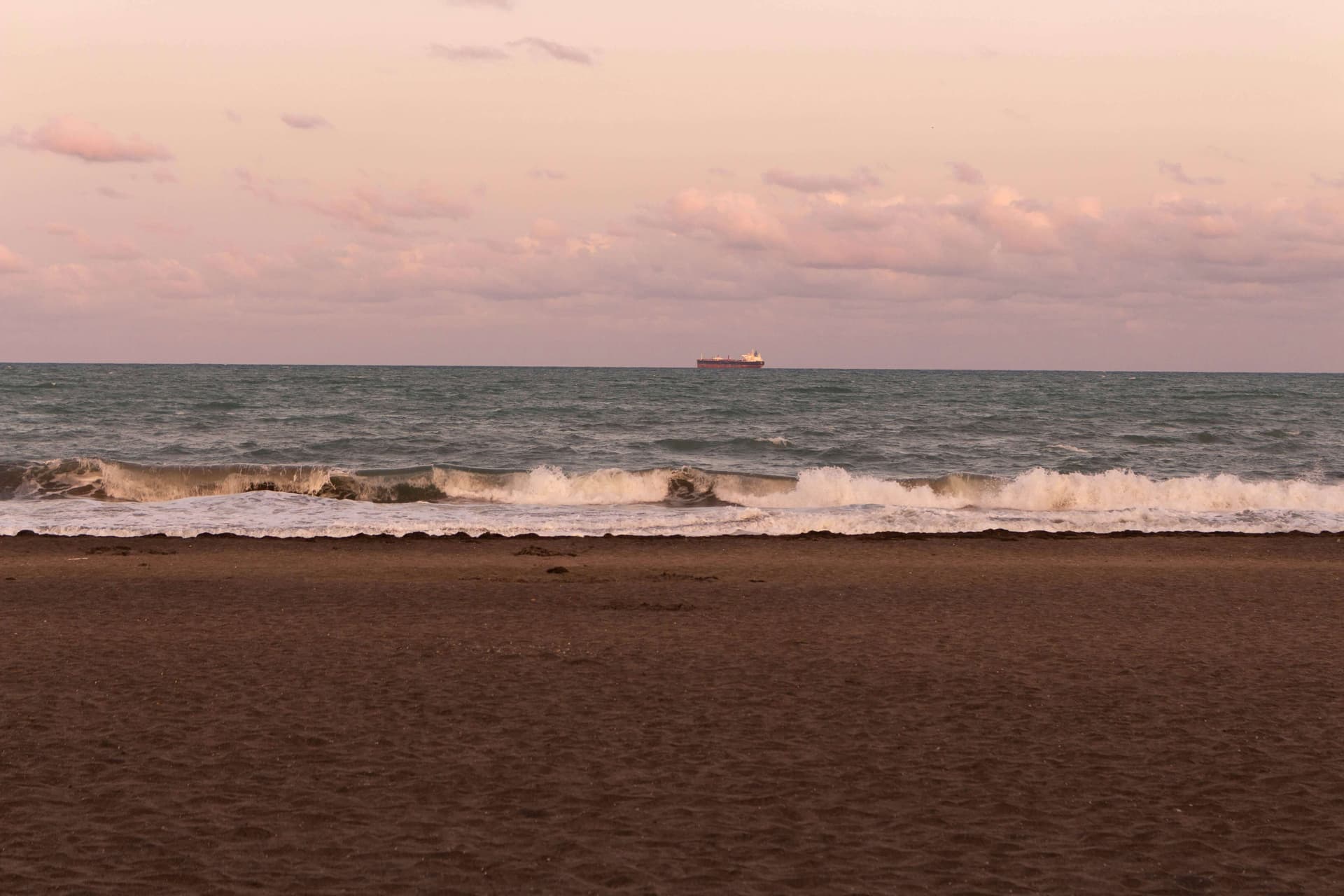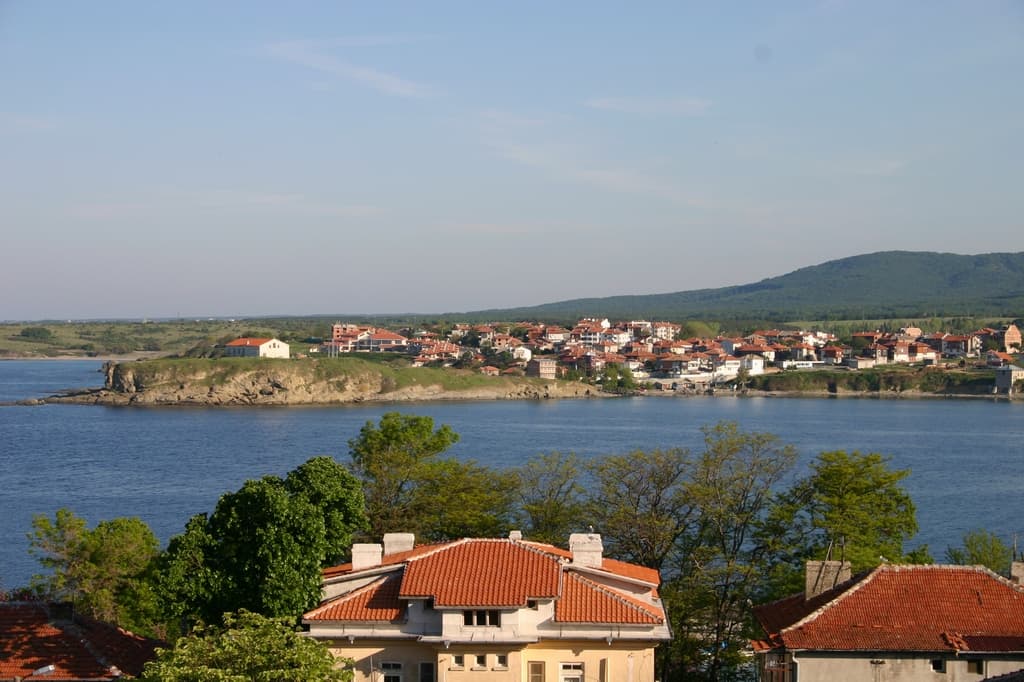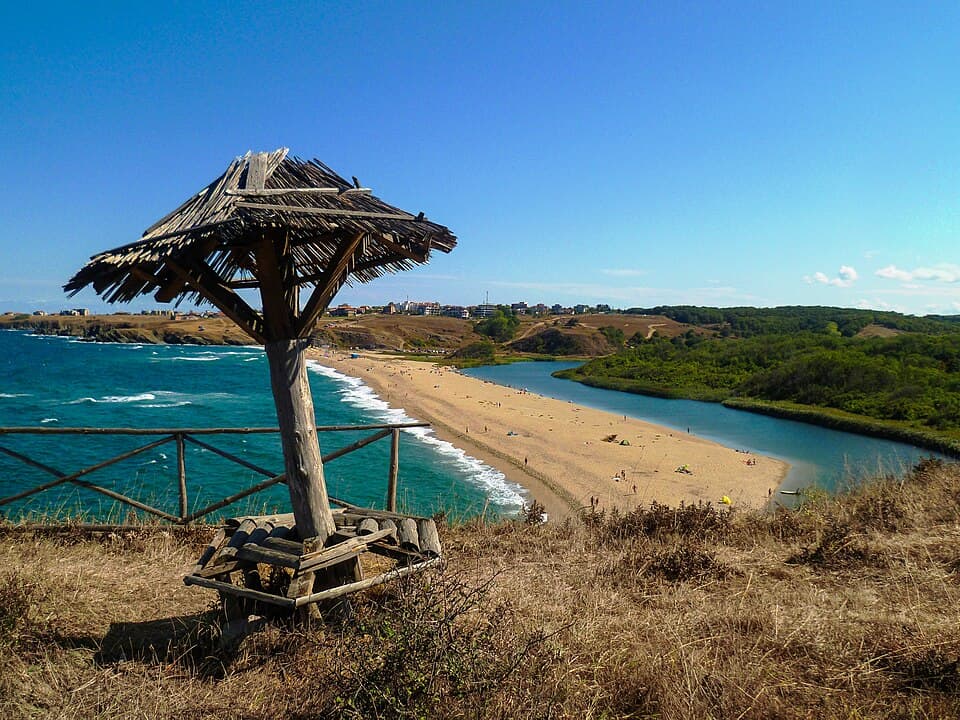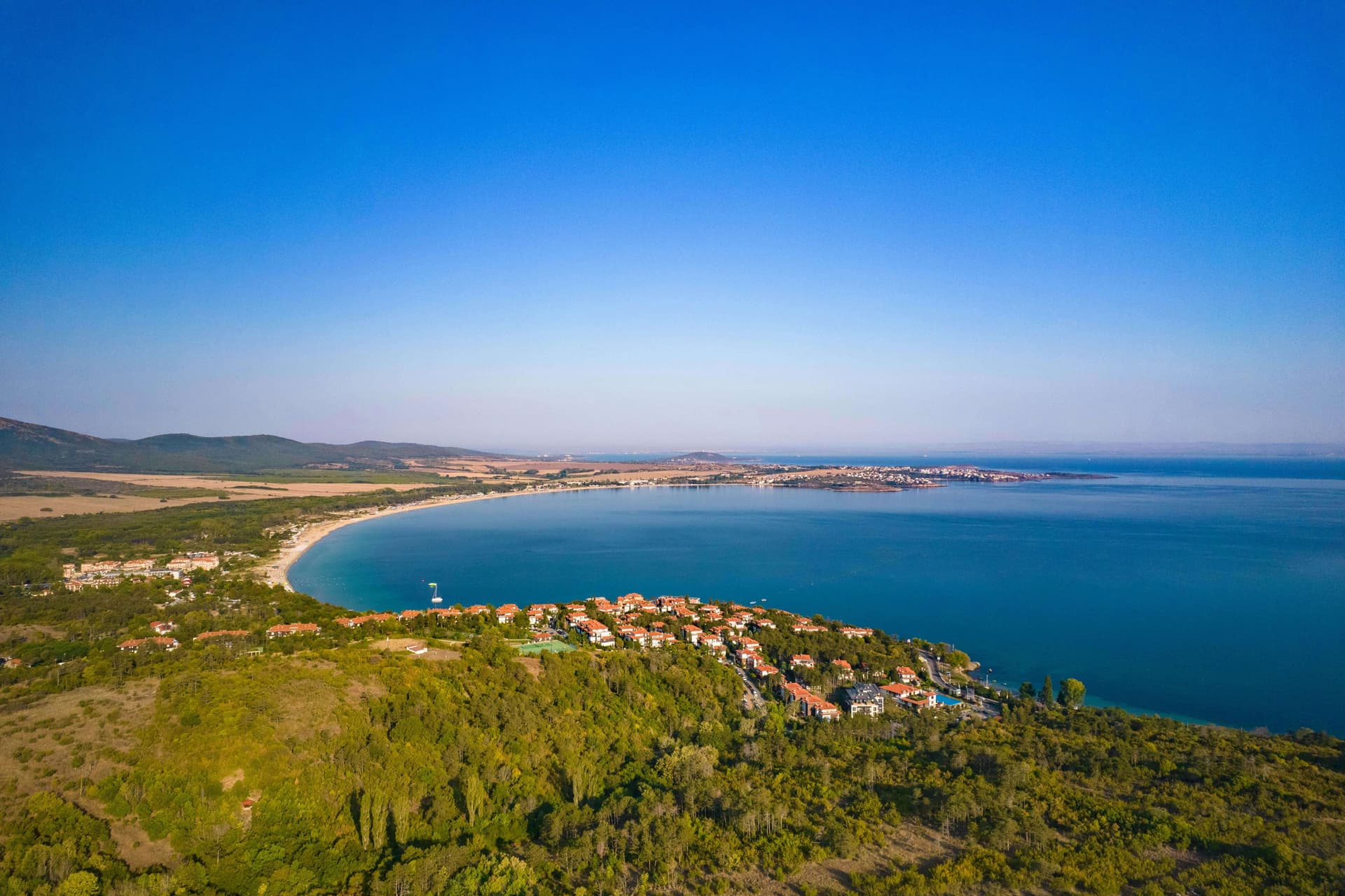
Chernomorets is a charming coastal town in Southeastern Bulgaria, situated within the Sozopol Municipality (Burgas Province). It is located 25 km southeast of the regional capital Burgas, occupying a beautiful valley on the southern shore of the Burgas Bay. To the east of the town lie ancient Sozopol and Cape St. Ivan, the largest Bulgarian Black Sea island, while the wild Vromos Bay stretches in its immediate vicinity.
The historical name of the settlement is Saint Nicholas, given by the beautiful bay of the same name. In 1951, the name was changed to Chernomorets for ideological reasons, but the old tradition and devotion to the patron saint remain alive today in the hearts of local residents.
Within the town boundaries lies the protected area of Nose Chervenka, declared in 1973 over an area of 2 hectares. Its objective is to preserve the unique coastal rock formations and the natural habitats of rare and protected plant and animal species.
Rich Historical and Cultural Heritage
The museum is the newest and most modern cultural institution in the town, built under an operational program for regional development. It is housed in a beautiful independent two-story building whose architecture recreates the authentic Black Sea type of Strandzha house. Located near the town center, the museum offers two large specialized exhibitions:
Ancient Fortresses and Archaeological Monuments
Located west of Cape Akra, this ancient market functioned as a satellite settlement within the territory of the polis of Apollonia Pontica (now Sozopol). A mixed population of Thracians and Hellenes lived there. Dozens of amphora fragments originating from the Greek islands of Chios, Rhodes, Knidos, Miletus, and Thasos have been discovered at the bottom of Vromos Bay, proving active overseas trade. The emporion ceased to exist at the beginning of the 4th century due to barbarian invasions, periodic earthquakes, and the rising level of the Black Sea.
Located 2 km northwest of the town, the fortress was erected at the end of the 5th and the beginning of the 6th century during the reign of the Byzantine Emperor Anastasius. It occupied an area of 18 hectares and controlled shipping around the Atiya Bay. Archaeologists have excavated its massive eastern wall, a rectangular tower, two bastions, and dozens of stone foundations of residential buildings. The fortress was burned down during the great Avar invasions and is now a cultural monument of national significance.
This powerful coastal fortress was built in the 5th century in the Chervenka area to protect the local population from Gothic invasions from the north. It was erected on the remains of an older ancient settlement. Excavations have revealed three large defensive towers, details of the fortress wall, a double-flight staircase, and 5 early Byzantine buildings. The fortress functioned until the first half of the 7th century, when it was destroyed by Avars and Slavs. It is the largest and best-preserved coastal fortress from Late Antiquity in the entire Burgas Bay.
On the Saint Nicholas peninsula and near Cape Akra, military defensive structures built on May 1, 1941, are preserved. They represent above-ground artillery bunkers of the historical blockspot type.
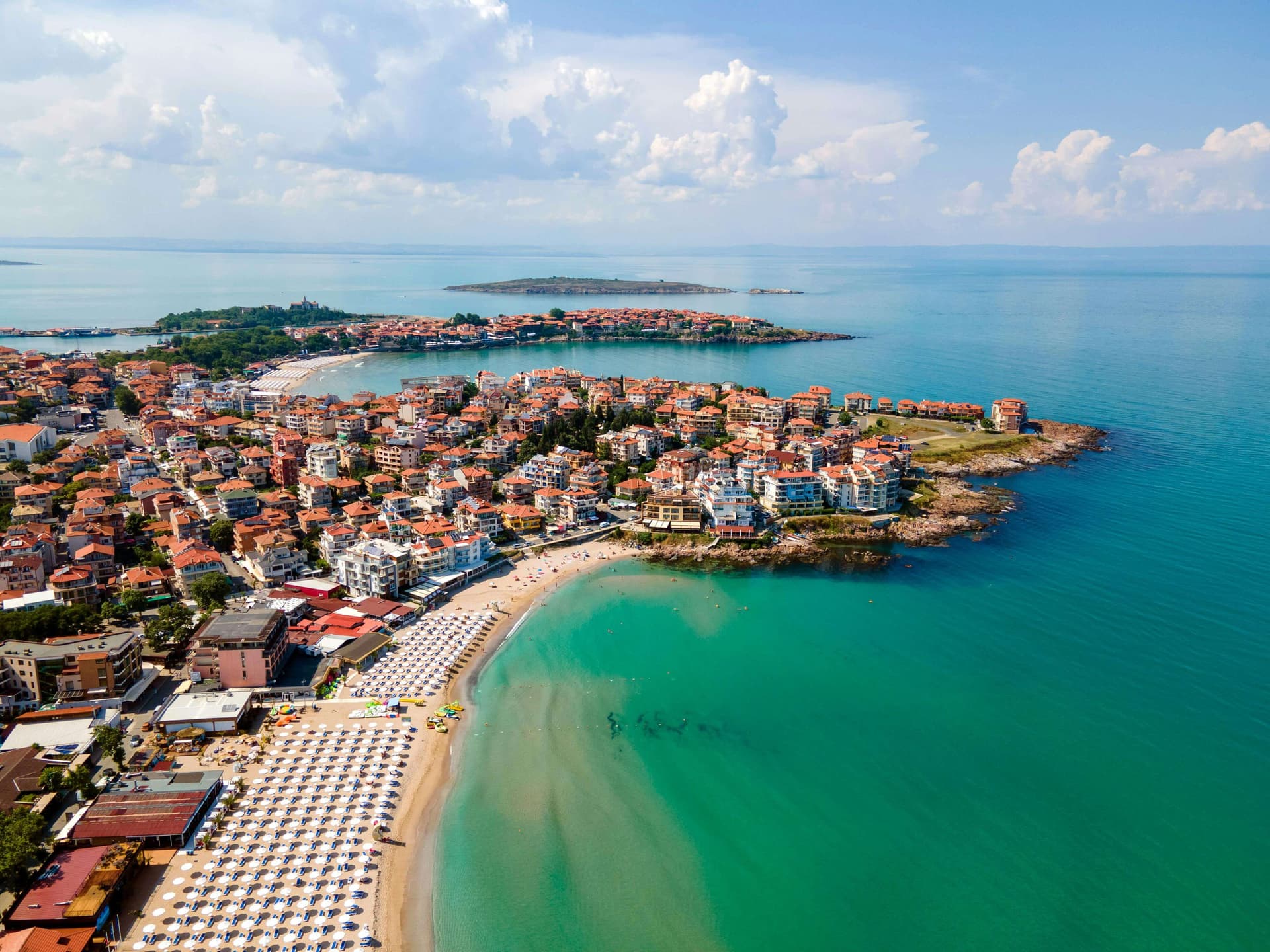
The best things to do in Sozopol: the historic Old Town, the town beaches, the Apollonia Arts Festival and trips south to Primorsko and Sinemorets.
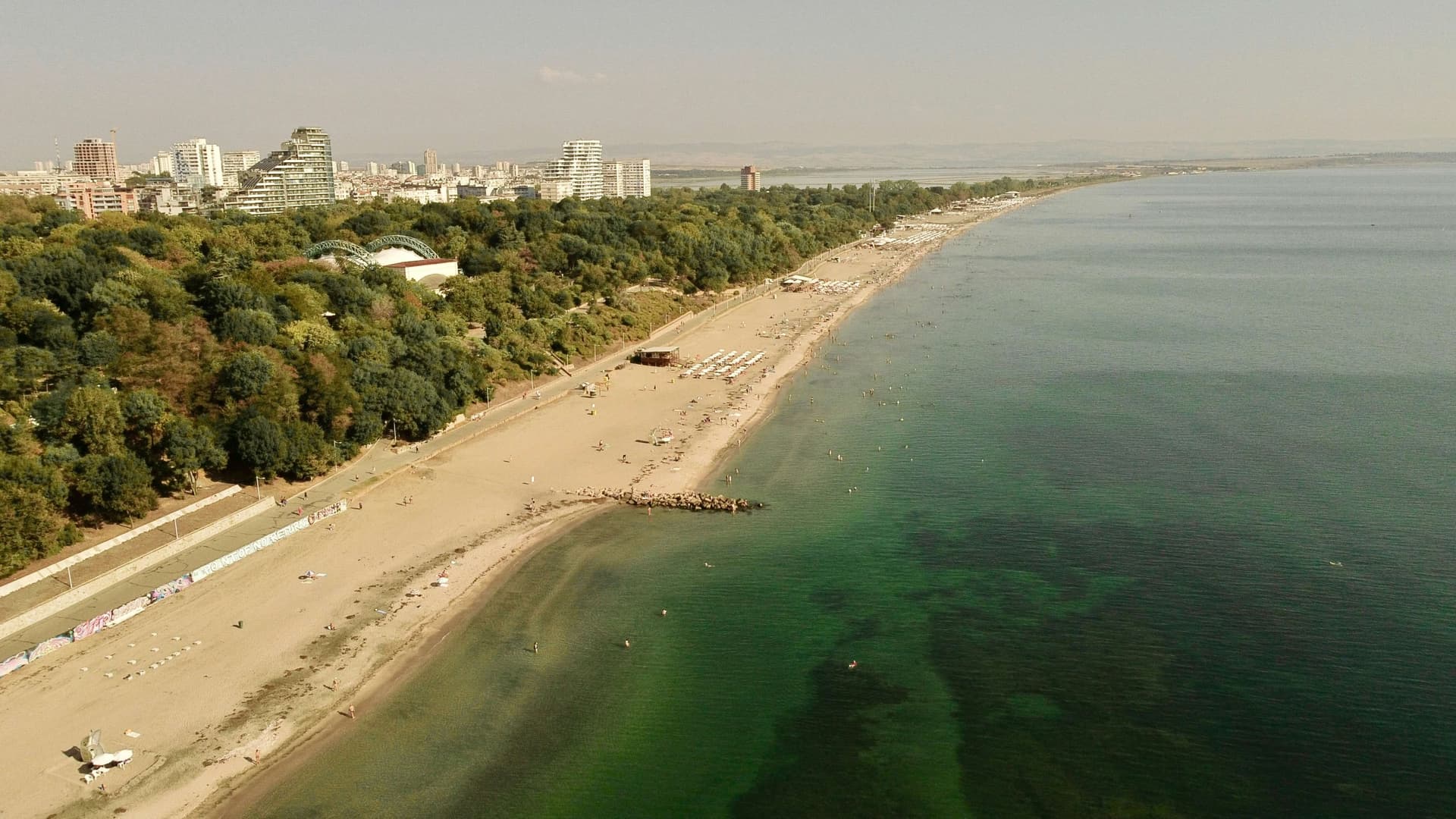
The best beaches around Burgas: city sands, family-safe Kraimorie and Sarafovo, healing mud at the Saltworks and the Gradina campsite.
Chernomorets is located in Burgas, Bulgaria.
Chernomorets is most easily reached by car. Use the coordinates above to navigate, or open the location in OpenStreetMap or your preferred maps app for turn-by-turn directions. Public transport options vary by region — for remote destinations a rental car gives the most flexibility.
Chernomorets can be visited year-round, but late spring (May–June) and early autumn (September–October) offer the most pleasant weather and fewer tourists. Summer is the busiest season; winter is the quietest, with shorter daylight and possible cold weather.
Bulgarian settlements typically reward unhurried walking — historic centres, churches and monasteries, local markets, and family-run restaurants serving regional dishes. Larger towns often have museums and seasonal cultural events. The local tourist information centre is a good first stop for current opening hours and what's on.