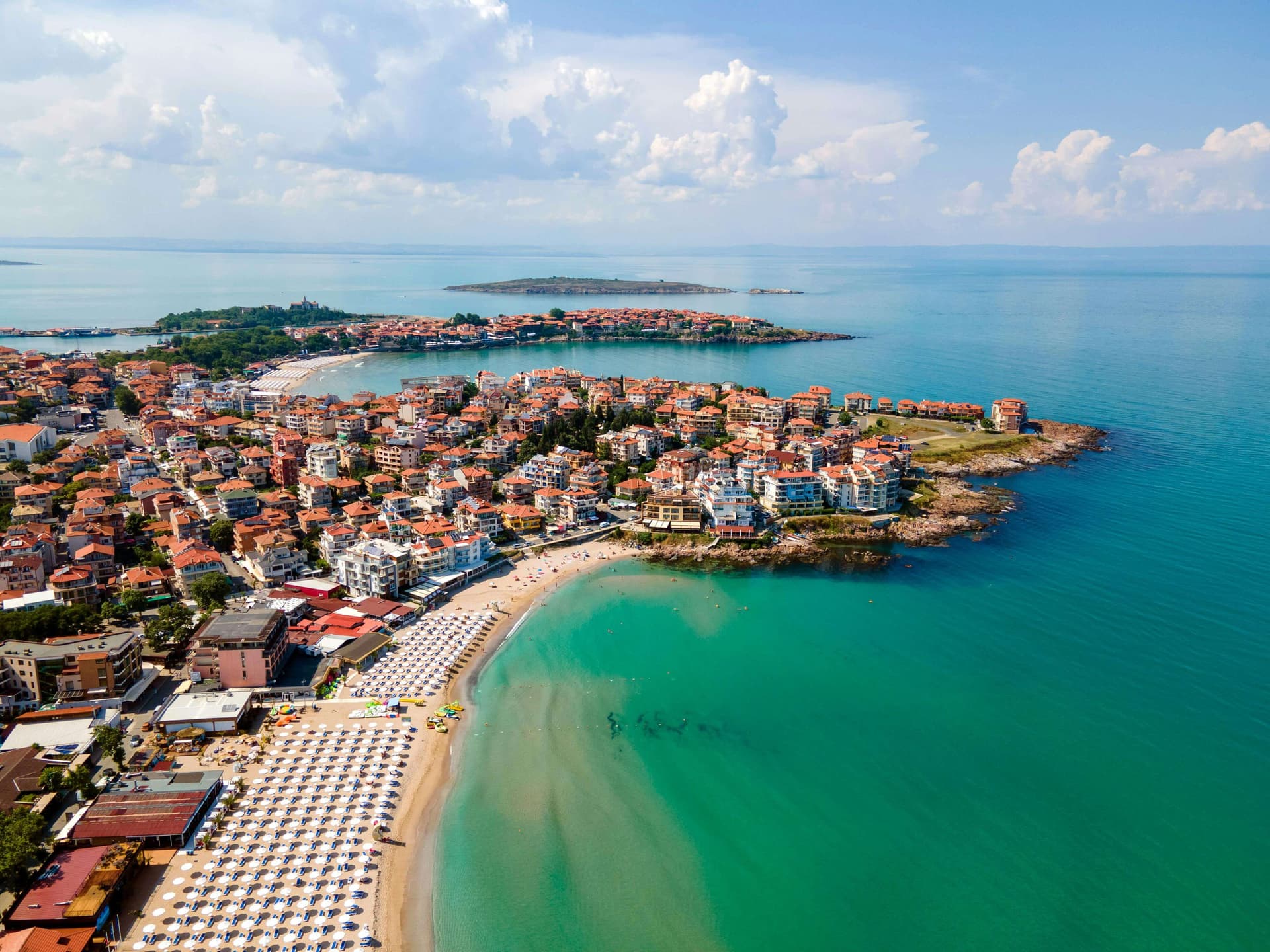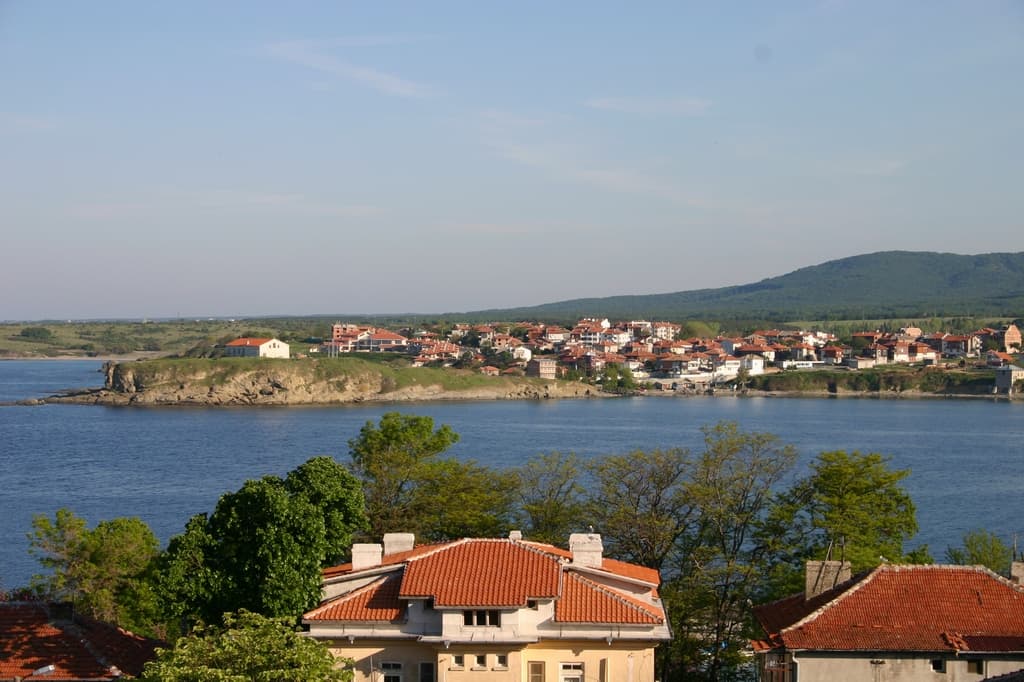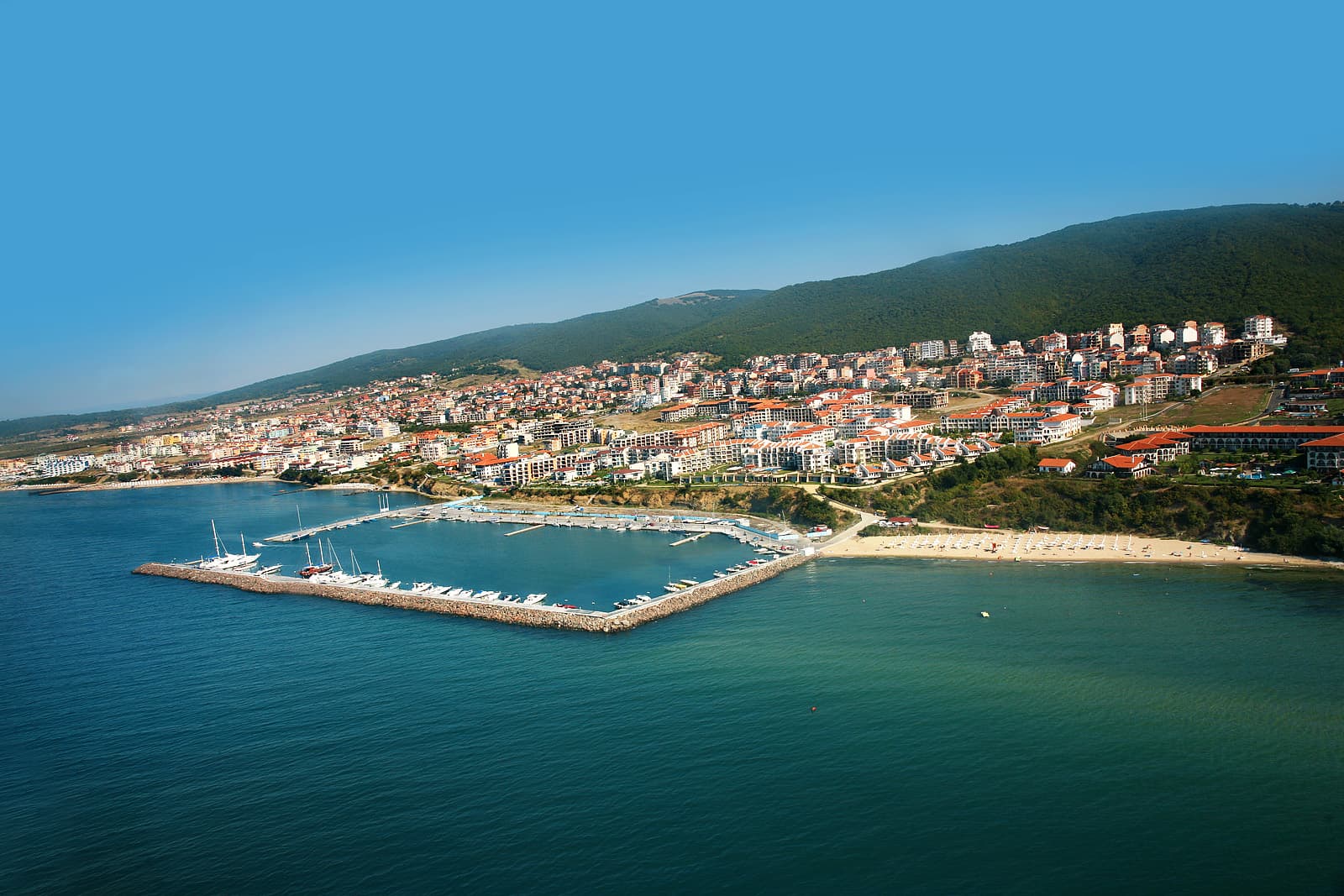
Sveti Vlas is a town in Nesebar municipality, Burgas province, with 6,535 inhabitants (NSI, end of 2025), at the foot of the easternmost slopes of the Balkan range. It lies 12 km from Nesebar and 41 km north of Burgas, at the north end of the bay that also holds Sunny Beach.
On the Burgas – Sunny Beach – Obzor road. Sunny Beach is about 5 km to the south. Sources do not mention bus lines.
The first settlement was Thracian. From the 2nd century BC, when Greek colonists arrived, it was called Larisa, a name it kept until the 14th century. It then took the name of St Blaise, after the large stauropegic monastery of St Vlasiy, subject to the Patriarchate of Constantinople. The monastery and four other cloisters nearby were burned by pirates in the 18th century. Sveti Vlas was declared a town on 2 February 2006.
The Sveti Vlas fair is on 2 May.

Burgas region
1.5 km away
Burgas region
5.1 km away

Burgas region
6.5 km away
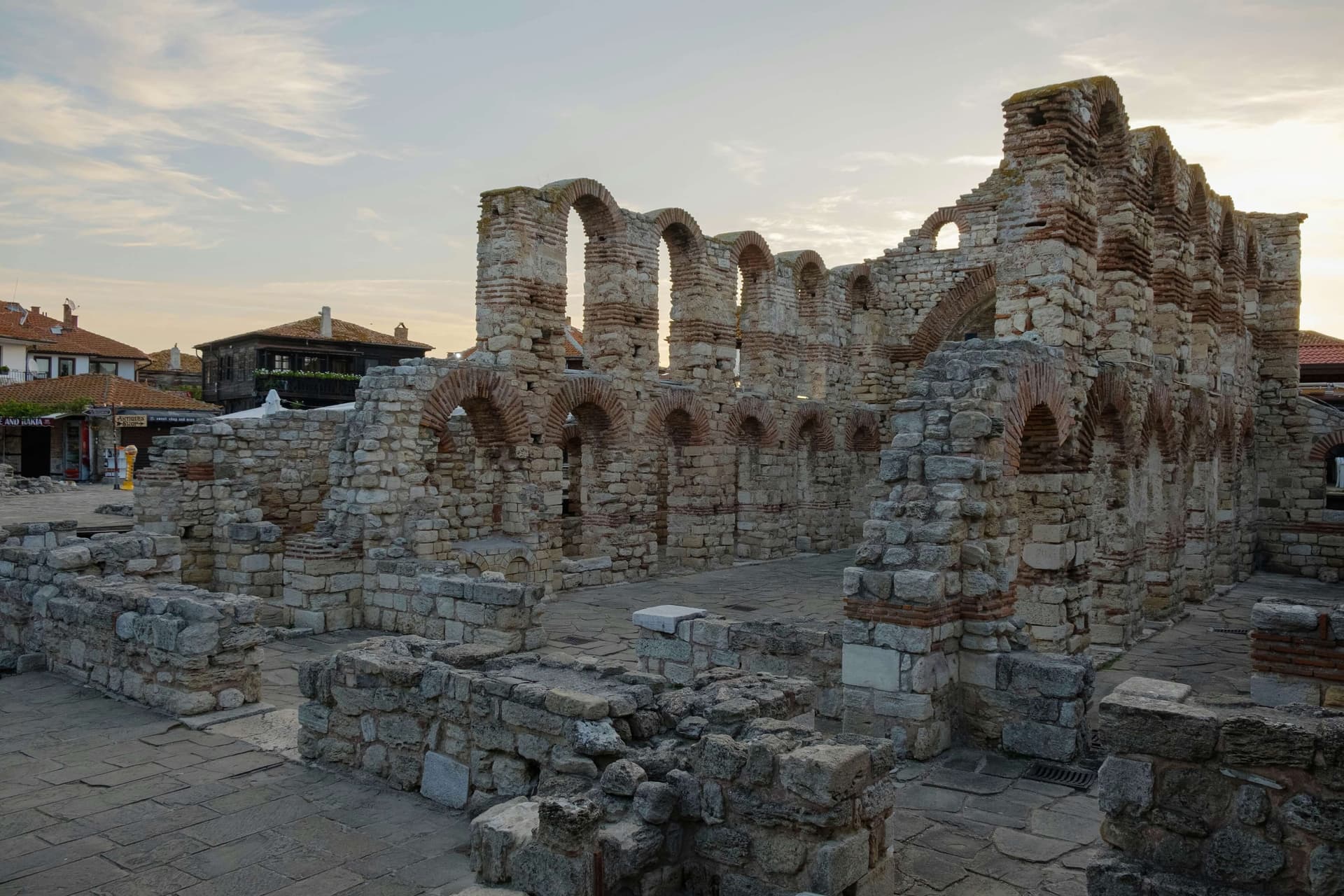
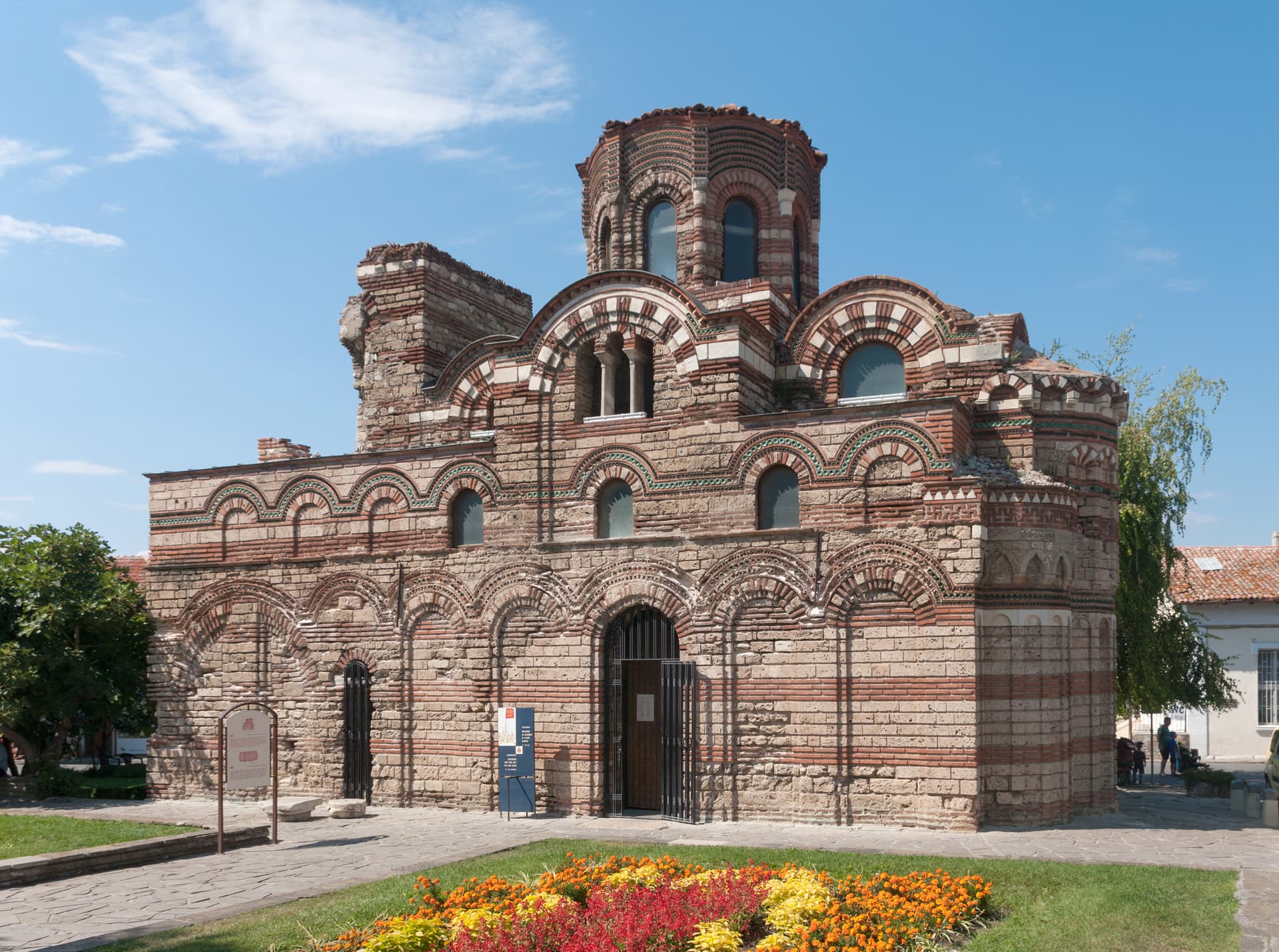
The best things to do in Nessebar Old Town: medieval Byzantine churches, archaeological sites, where to park, the beaches and trips to Pomorie.
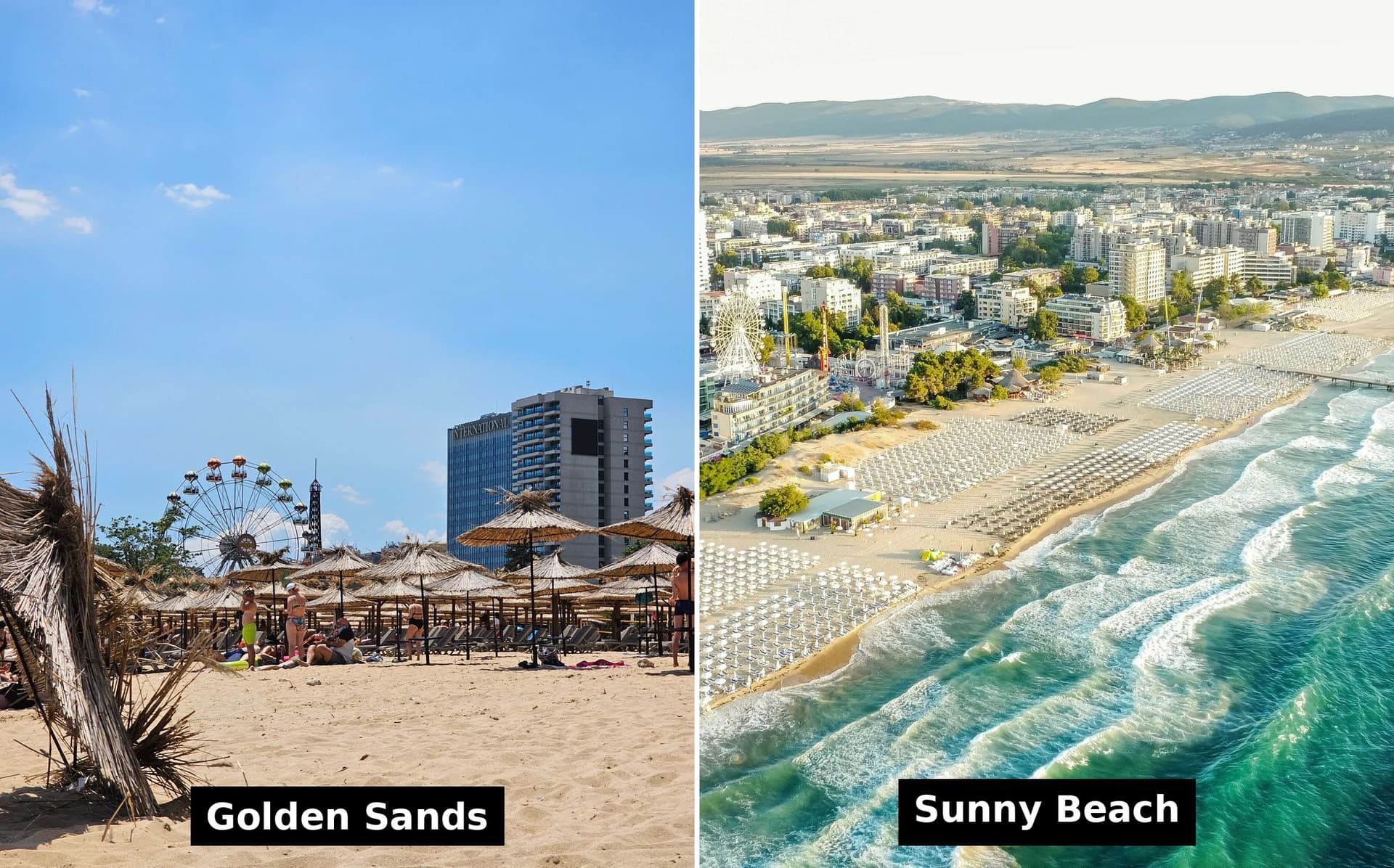
Planning a Bulgarian beach holiday? A direct comparison of Golden Sands, Sunny Beach, and historic Sozopol: beaches, nightlife, family travel, parking, and transit.
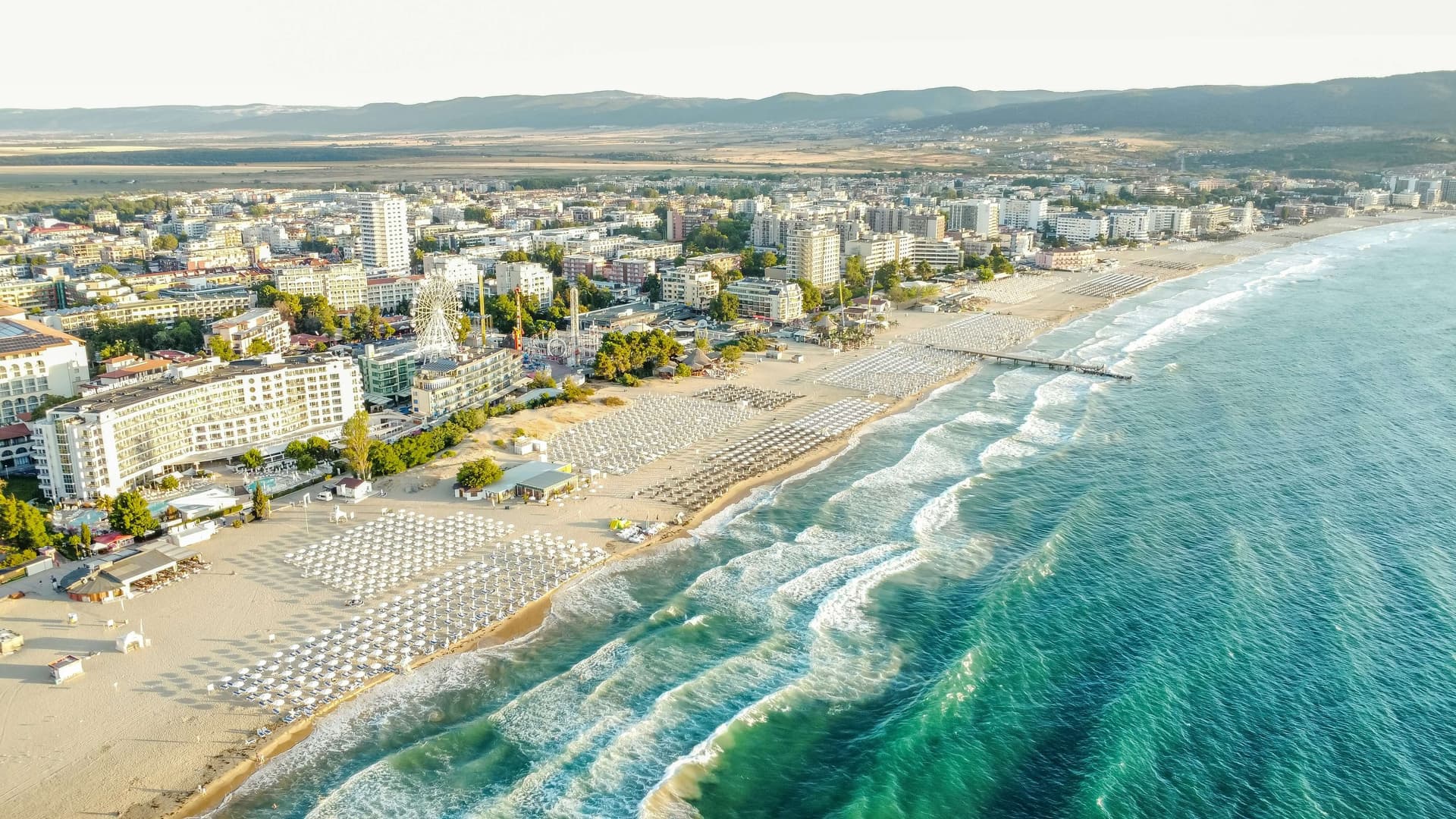
A guide to the resorts north of Burgas: family beaches in Pomorie and Aheloy, UNESCO Nessebar, the golden sands of Sunny Beach and Sveti Vlas.
Sveti Vlas is located in Burgas, Bulgaria.
Sveti Vlas is most easily reached by car. Use the coordinates above to navigate, or open the location in OpenStreetMap or your preferred maps app for turn-by-turn directions. Public transport options vary by region — for remote destinations a rental car gives the most flexibility.
Sveti Vlas can be visited year-round, but late spring (May–June) and early autumn (September–October) offer the most pleasant weather and fewer tourists. Summer is the busiest season; winter is the quietest, with shorter daylight and possible cold weather.
Bulgarian settlements typically reward unhurried walking — historic centres, churches and monasteries, local markets, and family-run restaurants serving regional dishes. Larger towns often have museums and seasonal cultural events. The local tourist information centre is a good first stop for current opening hours and what's on.