

Burgas Sea Garden & City Beaches: Visitor Guide & Flamingos
In this guide▾
Burgas is a vibrant Black Sea port city, and its single greatest highlight is the sweeping park stretching along its coastline. The Sea Garden (Morska Gradina) runs roughly 5 kilometres along the coastal bluff, serving as the cultural and social heart of the city: joggers at sunrise, families during the day, and locals strolling along the avenues at dusk.
This guide explores the park, the city beaches situated below it, and the two major nature reserves framing the urban edges. It is tailored for visits during spring and early summer, when coastal weather is ideal and shoulder-season travel offers a more authentic experience.
🌳 The Sea Garden: 5 Kilometres of Coastal Parkland
First planned in 1891 and laid out from 1910 under Georgi Duhtev, who turned a bare, windswept strip between town and sea into some 600 decares of parkland, the garden reflects classical European landscape design — wide tree-lined avenues, manicured flower gardens, stone terraces descending toward the shore, and monuments honouring Bulgarian cultural figures.
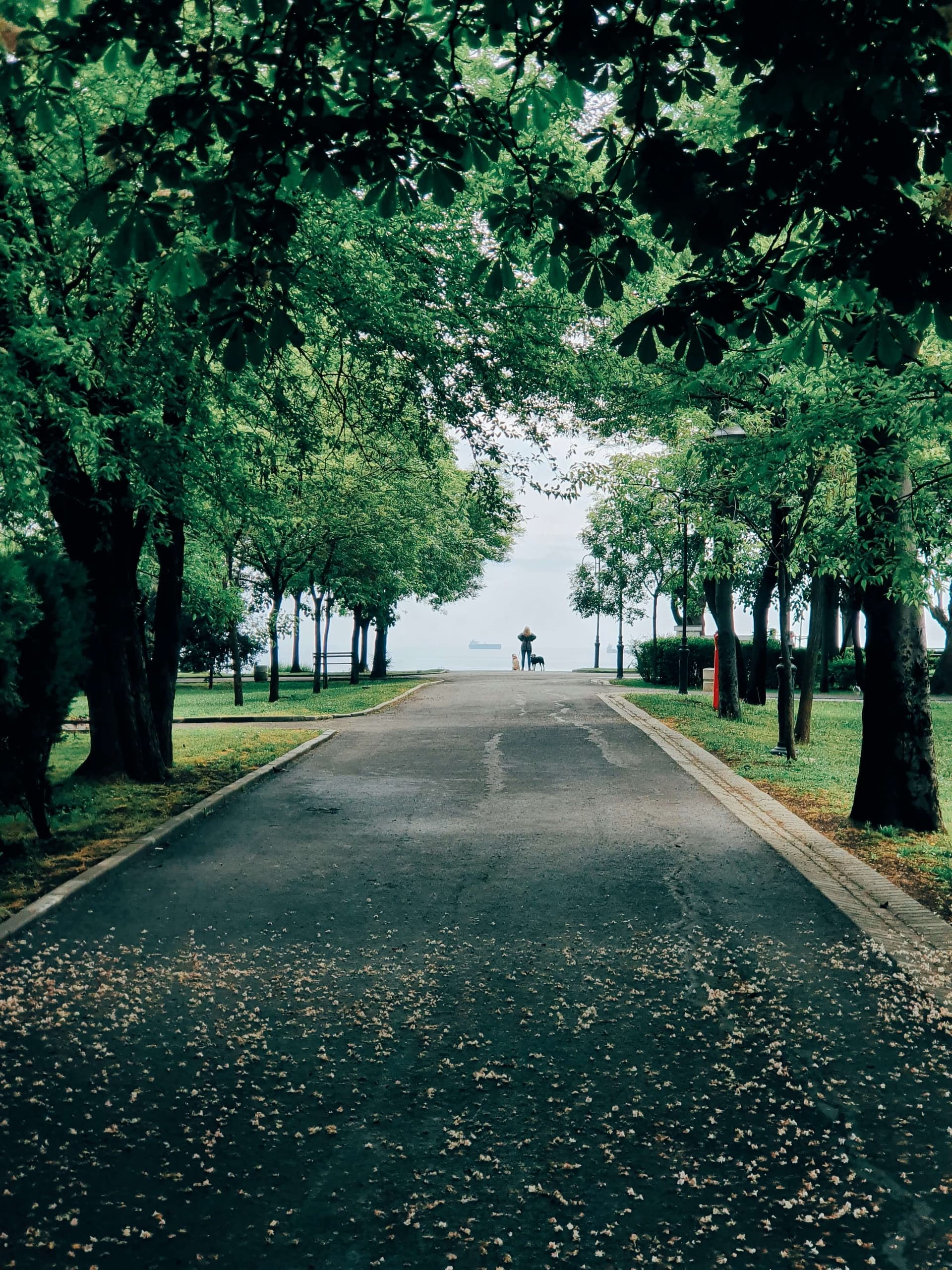
The park's geography is what makes it unique. Perched along a low bluff directly above the shoreline, it allows visitors to walk under shaded canopy with the sea on one side and the city on the other. The entire stretch is paved, flat, and open 24 hours a day.
Unlike artificial resort strips, the Sea Garden was built for local residents. Because Burgas functions as a year-round city, the park maintains a vibrant community feel regardless of the season, making a May visit just as lively and far more comfortable than peak August.
🌳 Why it matters: The park is the best free thing in Burgas, and the reason the city works as a base during Eurovision week.
🚶 Walking the Sea Garden End to End
Walking the entire length one way takes approximately 1 hour at a leisurely pace.
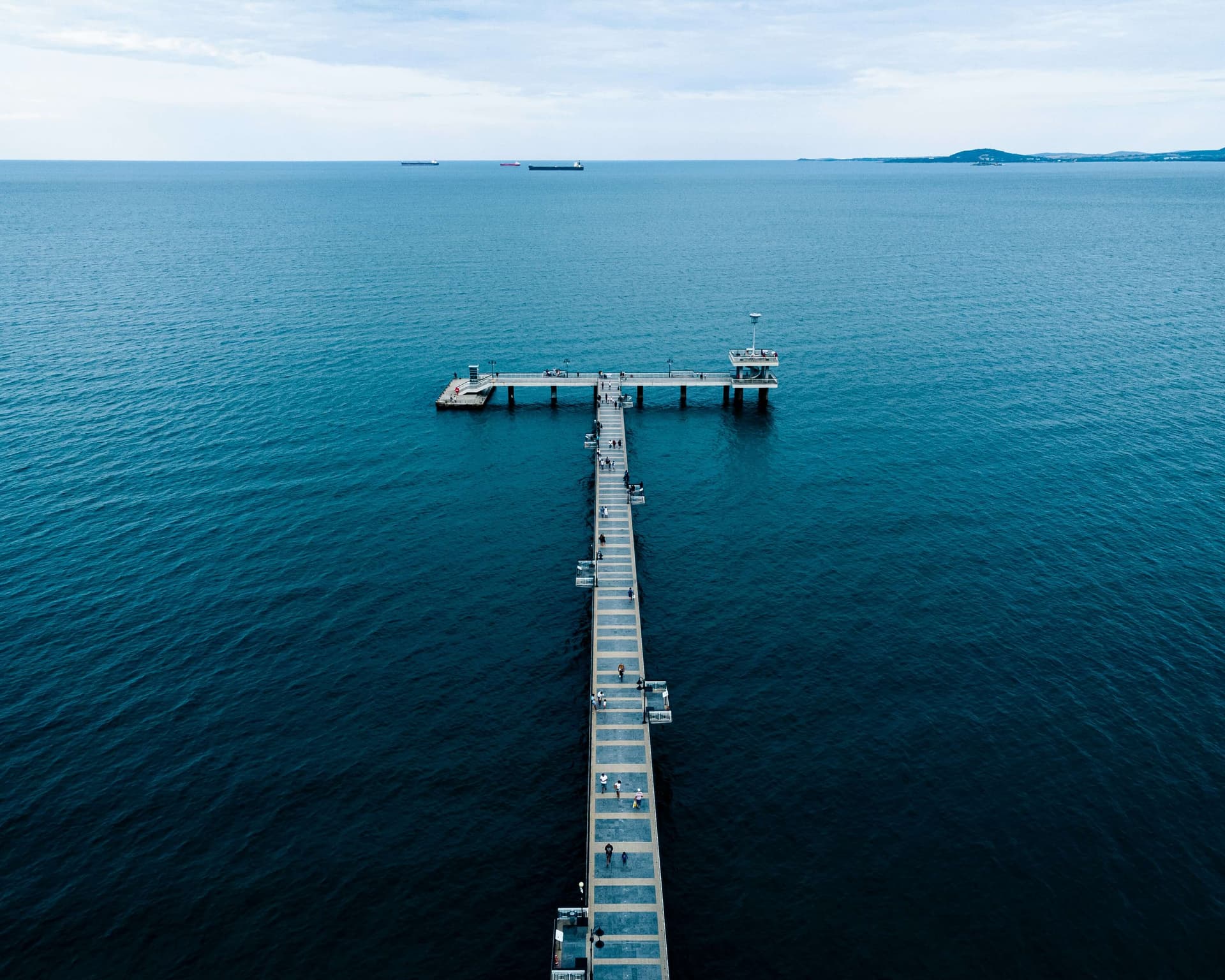
The standard pedestrian route starts at the edge of central Burgas and heads north along the coast. The most iconic stop comes early: the Burgas Pier (Мостика), below the 1938 Sea Casino, about 15 minutes' walk from the central streets — a concrete jetty (first built in 1936, rebuilt in 1975) extending out into the Black Sea that serves as the city's most photographed landmark and a prime sunrise spot.
Beyond the central section, the formal park thins into open green spaces bordering the northern beaches. For a quick visit, the centre, the pier and the old central part of the garden fill an hour or so, with time for a coffee along the way.
🚶 Pro Tip: Visit early in the morning to enjoy the pier in peace, or head to the park an hour before sunset when the city turns out for its evening stroll.
🎡 Key Highlights Within the Park
The Sea Garden offers numerous amenities and cultural venues:
- The Burgas Pier (Мостика): A landmark jetty extending into the sea, beside the Sea Casino.
- Burgas Summer Theatre: An open-air auditorium hosting live music, theatrical plays, and festivals throughout the warm season.
- Flora Exhibition Center: Home to the annual Flora flower show, held since 1981, plus art displays and community events.
- Playgrounds & Outdoor Fitness Hubs: Fully equipped areas popular with families and fitness enthusiasts.
- Seaside Cafes & Restaurants: Concentrated mainly near the central park entrances.
During spring and summer, the park hosts much of the city's public cultural events, many of which are free to attend.
🏖️ Where the Park Meets the City Beaches
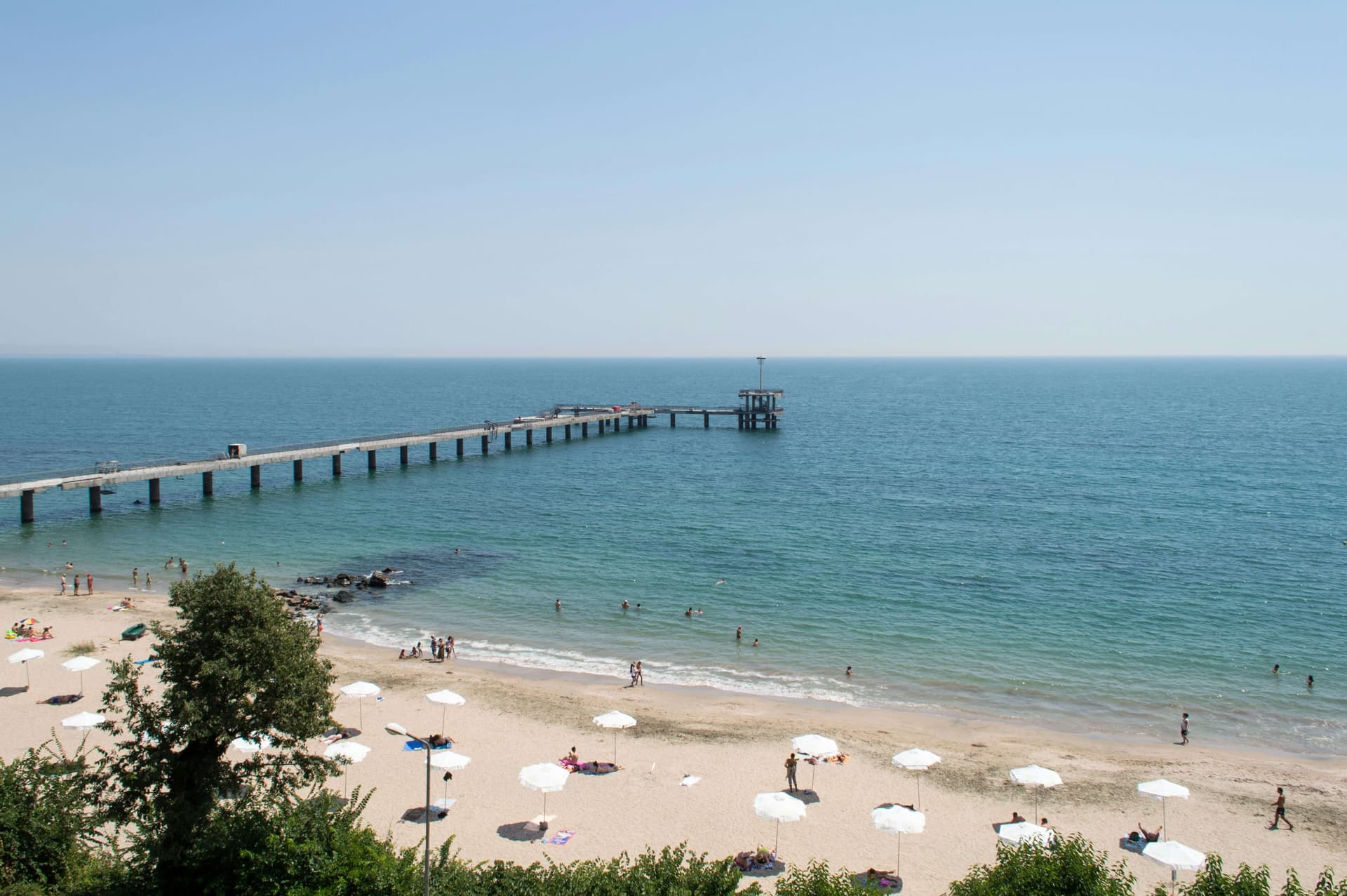
Directly below the park bluffs lie the Central and North City Beaches. Visitors can step from shaded park pathways directly onto the sand within minutes.
For a full comparison of the beaches around the city — paid and free zones, family options, the coast further south — see the best beaches near Burgas, the beaches north of Burgas and those to the south.
The sand in Burgas has a unique dark tint due to high magnetite content, distinguishing it from the pale golden sands of neighbouring resort towns. The beaches are wide, well-maintained, and offer both public free zones and commercial umbrella areas during peak months.
🌡️ Weather & Sea Conditions in May
When visiting in May, keep realistic weather expectations in mind:
- Air Temperatures: Comfortable daytime averages range between 20°C and 24°C (68°F–75°F) — ideal for walking. Evenings along the water tend to be noticeably cooler.
- Sea Temperatures: The Black Sea is typically around 16–18°C (61–64°F) in May, warming toward the end of the month. Swimming is brisk and refreshing rather than warm.
- Coastal Winds: Sea breezes can lower the perceived temperature, particularly on exposed cliffside sections of the park.
💡 Packing Tip: Always bring an extra layer or windbreaker for evening walks along the seafront.
🚪 Shoulder-Season Opening Hours
A major benefit of visiting Burgas in May is that the city operates year-round:
May is the sweet spot for the park — see the best time to visit Bulgaria for the wider seasonal picture, and getting around Burgas for reaching the far end of the park.
- Park Pathways, Beaches & Pier: Accessible 24/7 all year.
- City Centre Cafes & Restaurants: Fully open year-round with normal business hours.
- Kiosks & Beach Bars: Seasonal venues along the lower promenade begin opening progressively throughout May, reaching full operations by June.
🦩 Atanasovsko Lake: Pink Salt Pans & Flamingos
Located on the northern edge of Burgas, Atanasovsko Lake is a hypersaline lagoon, separated from the sea by a narrow sand spit and divided into salt-evaporation pans that have been worked since 1906.
Atanasovsko Lake sits on the city's northern edge; both it and the reserve to the south feature in the best day trips from Burgas.
Situated directly along the Via Pontica avian migration corridor, it is one of Eastern Europe's premier birdwatching sites, with more than 300 species recorded. Greater flamingos, white pelicans, spoonbills and avocets are the headline birds. Spring migration (April through May) is one of the best times for wildlife viewing, and the autumn passage from August to September is bigger still.
The geometric, pink-hued salt basins are visually striking even for non-birdwatchers. Two short marked trails help: the Salt Trail, with a small exhibition on salt-making, and the Avocet Trail, a short loop with an observation tower. Bringing binoculars or a telephoto lens is recommended for viewing birdlife across the lagoon basins.
🦅 Poda Protected Area: Wetland Bird Reserve
Situated about 4 km south of Burgas, by the road to Sozopol, the Poda Protected Area is a renowned wetland reserve run by the Bulgarian Society for the Protection of Birds, with a visitor centre, observation terraces with binoculars and telescopes, and a walking trail. It is open all year.
Despite its compact size — about one square kilometre — Poda has recorded some 274 bird species, one of the highest densities in Europe. It is easily accessible via a 10-minute drive or bus ride from central Burgas, making it simple to combine with a morning park walk.
Five kilometres of seafront park, sunrise views from the pier, and pink lagoons filled with flamingos make Burgas a standout Black Sea destination. Plan your visit with Mestala.com.
This guide covers 2 places
Want more Mestala in your Google results?
Add mestala.com as a preferred source and our guides will show up more often when you search. Requires a Google account.
Frequently Asked Questions
What is the Burgas Sea Garden?▾
It is the city's seafront park — about 600 decares of tree-lined paths, gardens and terraces running some five kilometres along the coast from the edge of the centre northwards past the beaches. First planned in 1891 and laid out from 1910 under Georgi Duhtev, it is the oldest and best-loved public space in Burgas and the main reason to spend time in the city.
Can you swim in Burgas in May?▾
You can, briefly. The Black Sea off Burgas is typically around 16–18°C in May, warming toward the end of the month, which is swimmable but bracing. Air temperatures are pleasant and the beaches are quiet, so most people in May use them for walking and sitting rather than serious swimming.
Where can I see flamingos near Burgas?▾
At Atanasovsko Lake, a hypersaline lagoon on the northern edge of the city, between the Izgrev district and Sarafovo. It sits on the Via Pontica migration route, and more than 300 bird species have been recorded, including flamingos, pelicans and spoonbills. Spring migration, including May, and the big autumn passage from August to September are the best times.
What is Poda?▾
Poda is a protected site about 4 km south of Burgas, by the Sozopol road, run by the Bulgarian Society for the Protection of Birds as a nature conservation centre with observation terraces and a visitor centre. Some 274 bird species have been recorded on about one square kilometre, which makes it one of the densest bird areas in Europe, and it is open all year.
Is the Sea Garden open all year?▾
The park itself is open year-round and is used by residents in every season. What is seasonal are the businesses in it — beach bars, kiosks and some terraces run reduced hours or stay closed until the season opens properly toward the end of May.
How long does it take to walk the Sea Garden?▾
Walking the full length one way takes roughly an hour at an unhurried pace, on flat, paved paths. Most visitors just walk from the centre to the pier and along the central section, which takes well under an hour.
You might be interested in
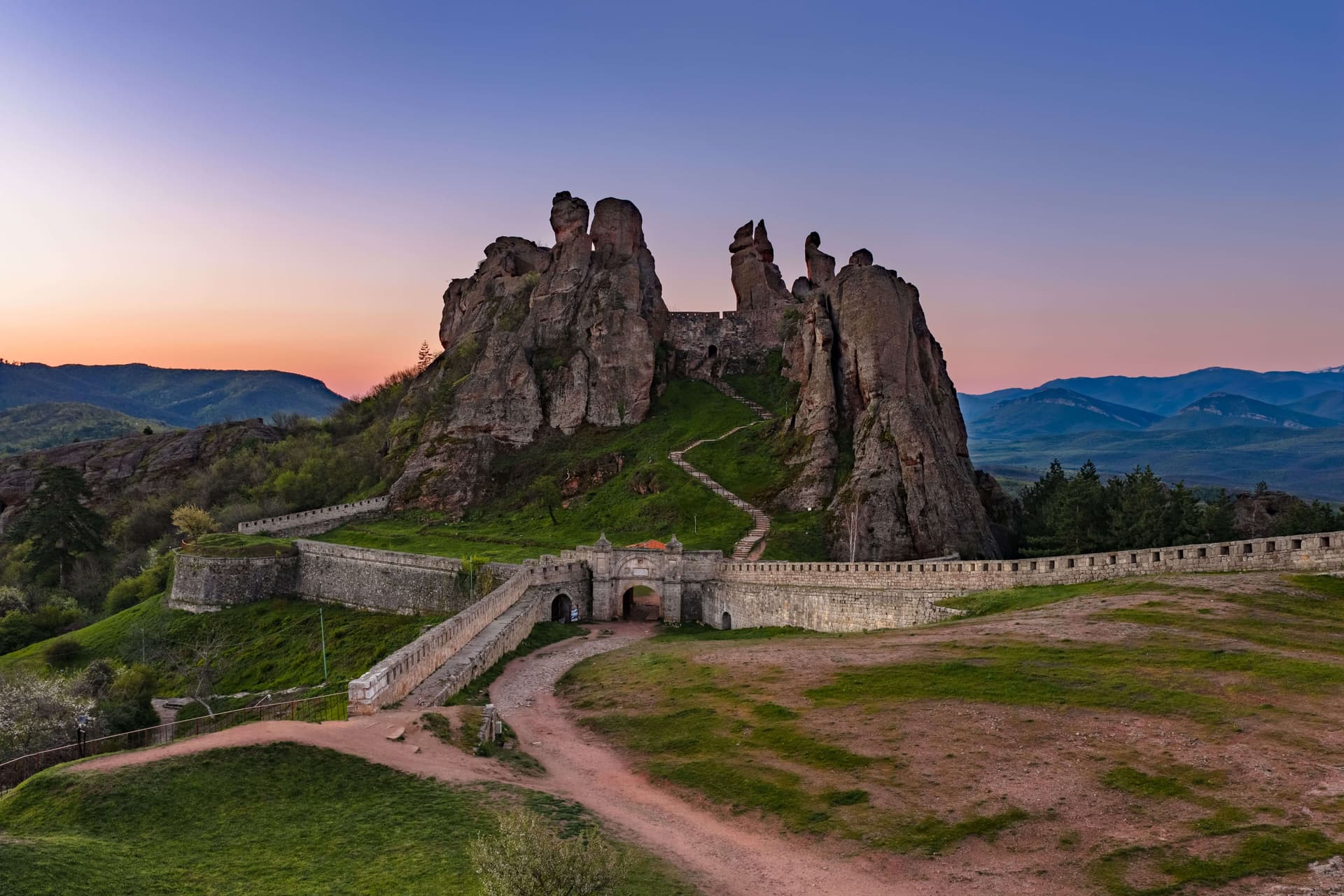
North-West Bulgaria Road Trip: 4-Day Itinerary & Driving Guide
A complete 4-day road trip itinerary through Bulgaria's least-visited region: Iskar Gorge, Vratsa, God's Bridge, Chiprovtsi, Belogradchik Rocks, Magura Cave, and Vidin.
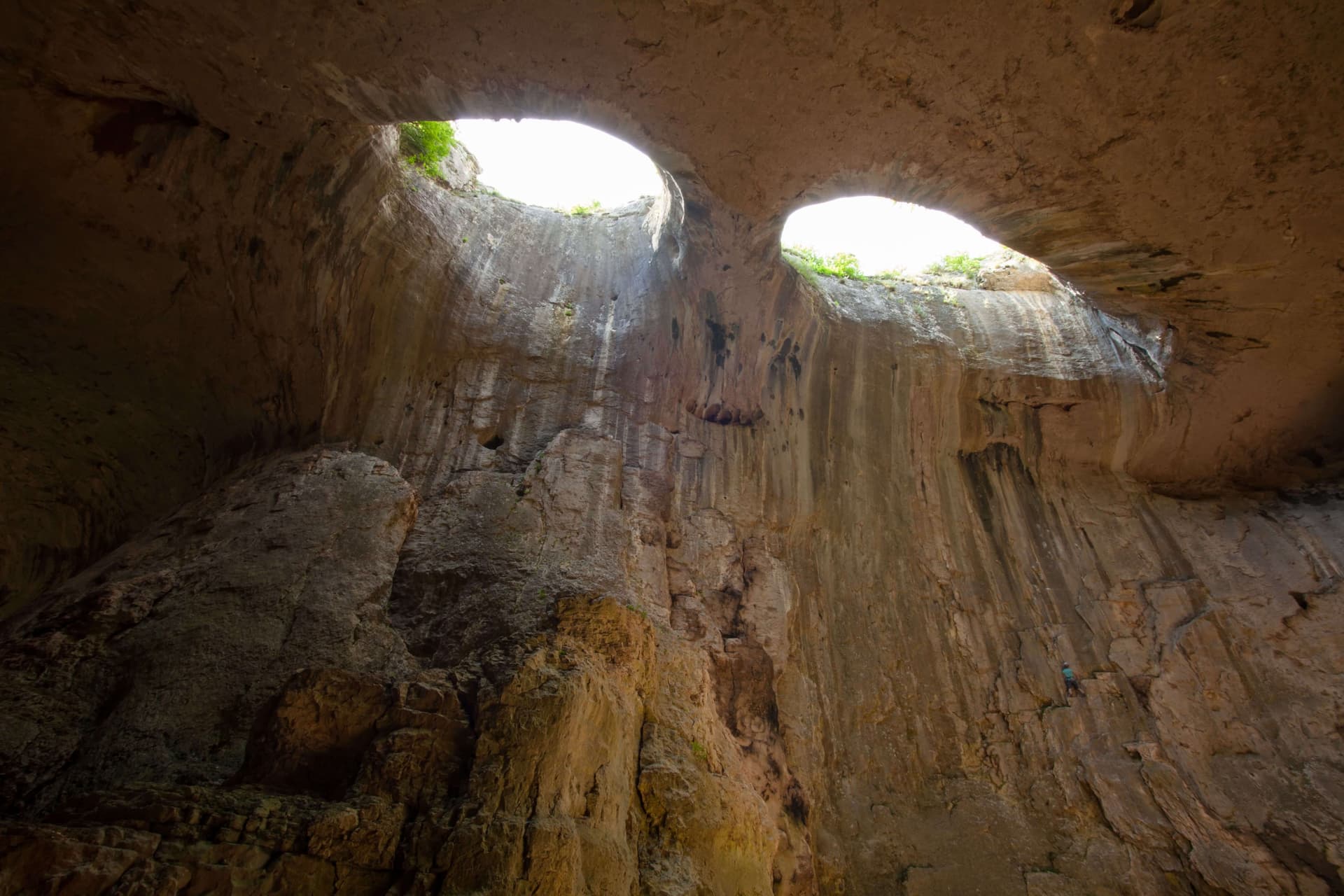
Bulgaria's Natural Wonders: Top Caves, Waterfalls & Rock Formations
Discover Bulgaria's top natural wonders: Prohodna Cave ('God's Eyes'), Krushuna Waterfalls, Belogradchik Rocks, earth pyramids, and Pobiti Kamani.
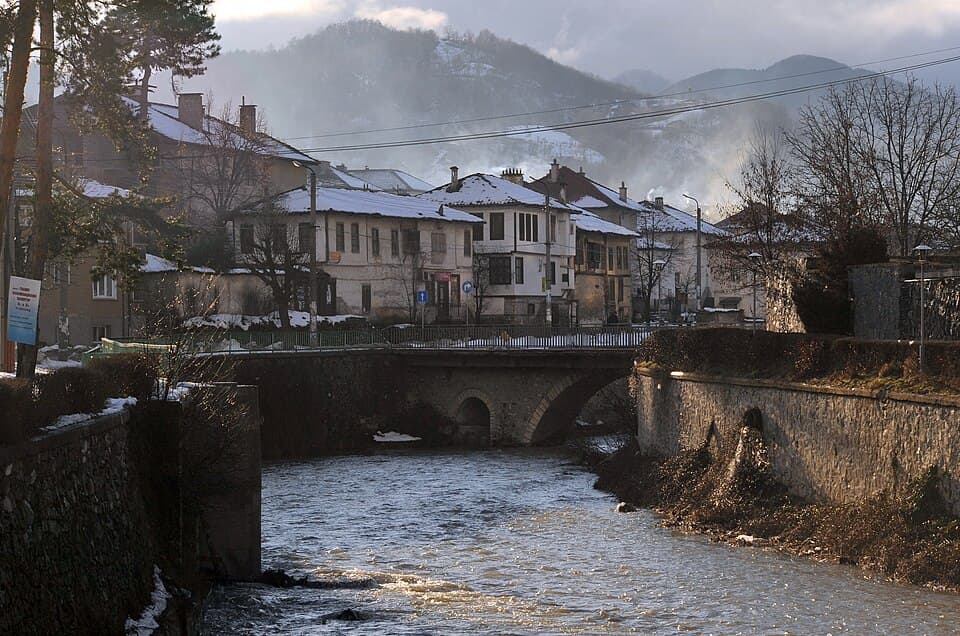
Devin and Zlatograd Weekend: Rhodope Spa Towns, Struilitsa and Old Zlatograd
A Rhodope spa weekend: Devin's mineral water and the Struilitsa eco-trail, Zlatograd's ethnographic complex and Revival quarter, with Trigrad and Yagodina nearby.
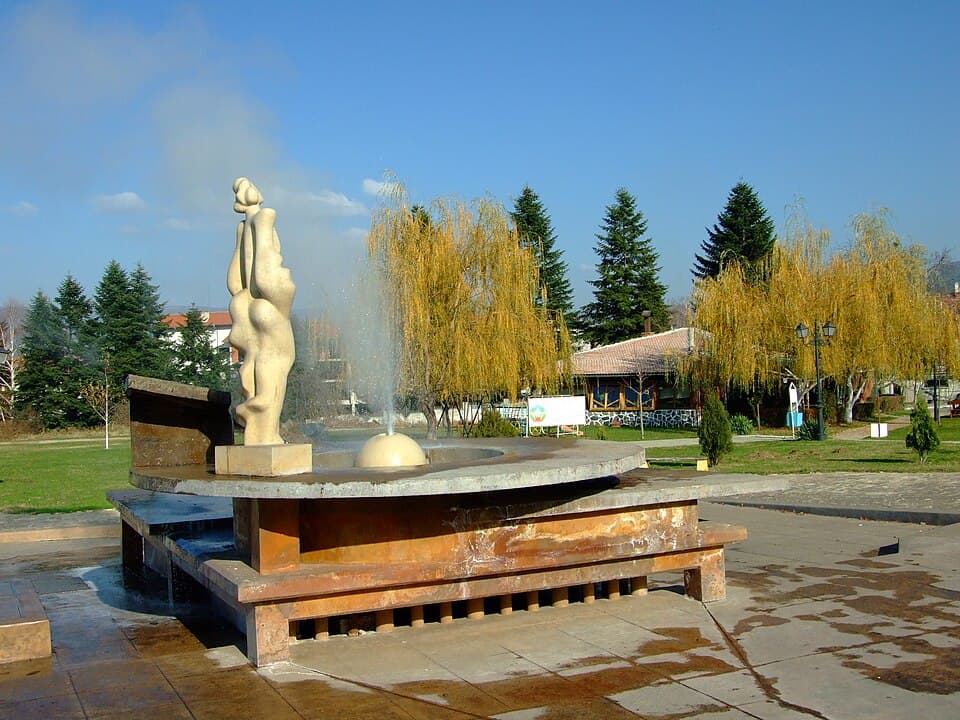
Sapareva Banya and Panichishte Weekend: the Geyser, Hot Pools and Rila
A weekend in Sapareva Banya and Panichishte: the geyser with 103 °C water, mineral pools in winter, Panichishte as the snowy side, and the way up to the Seven Rila Lakes.