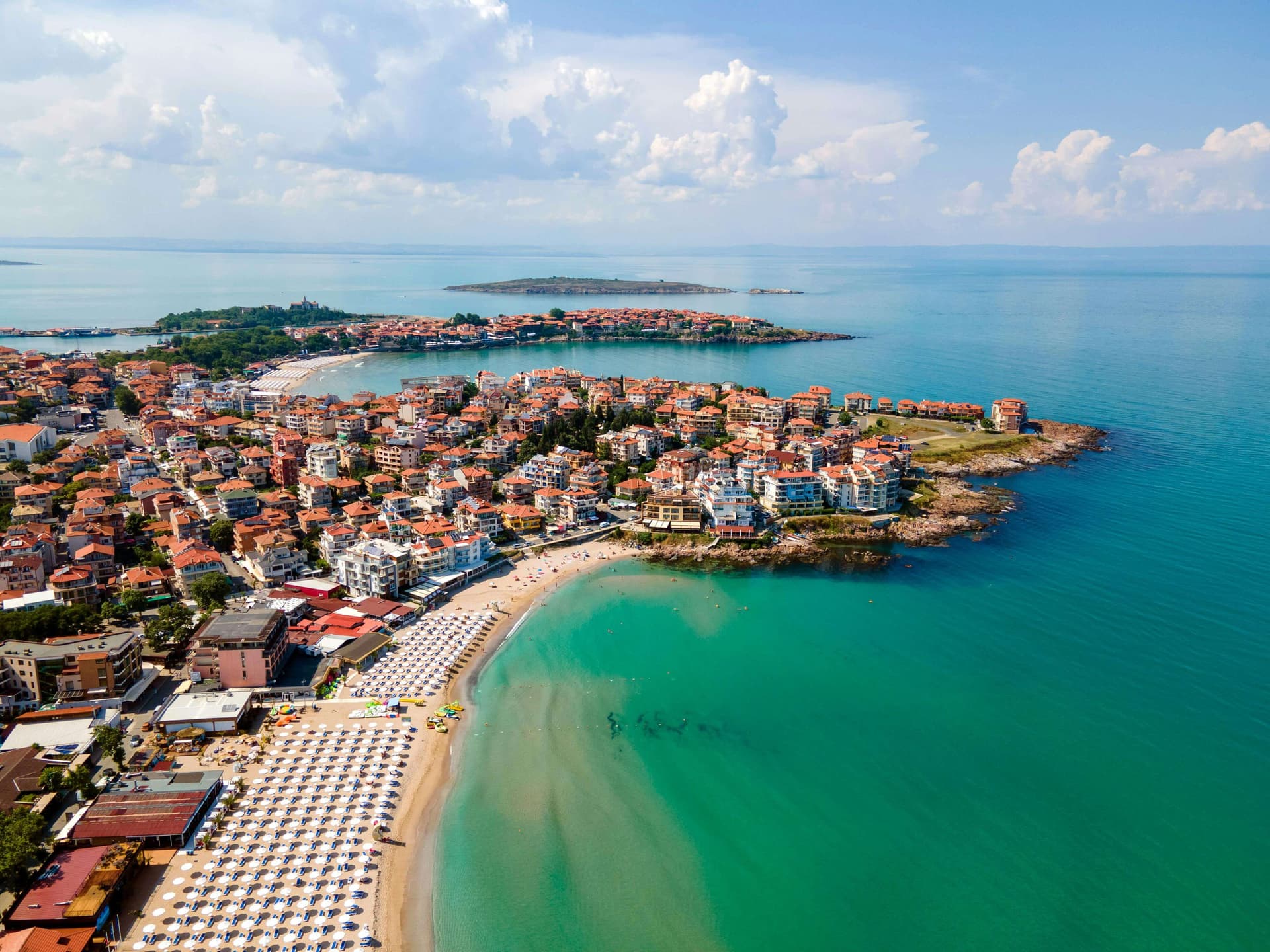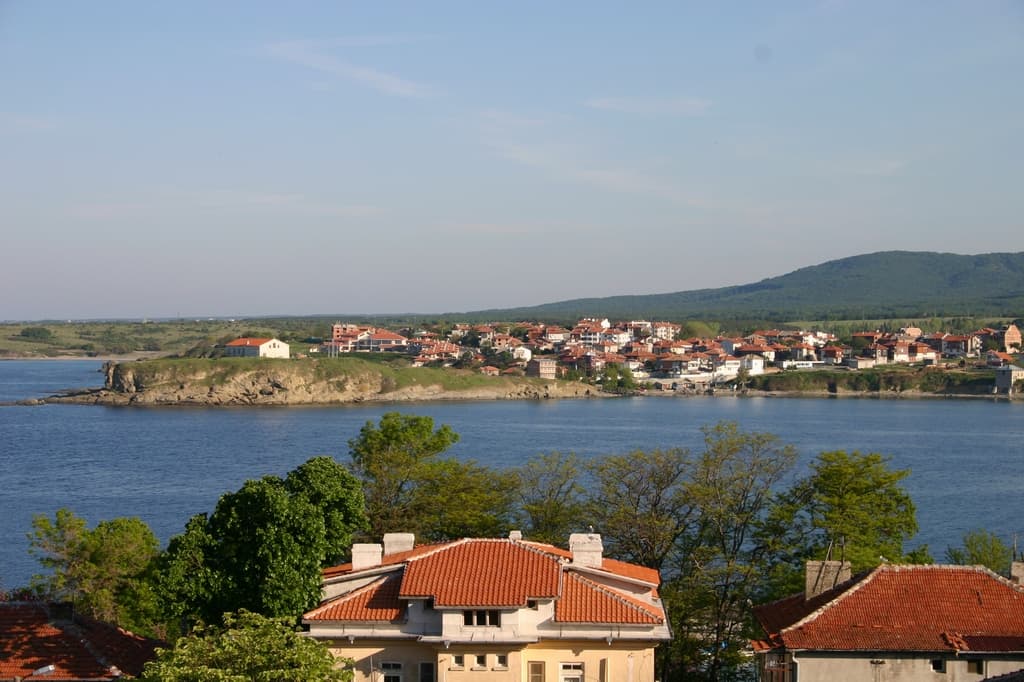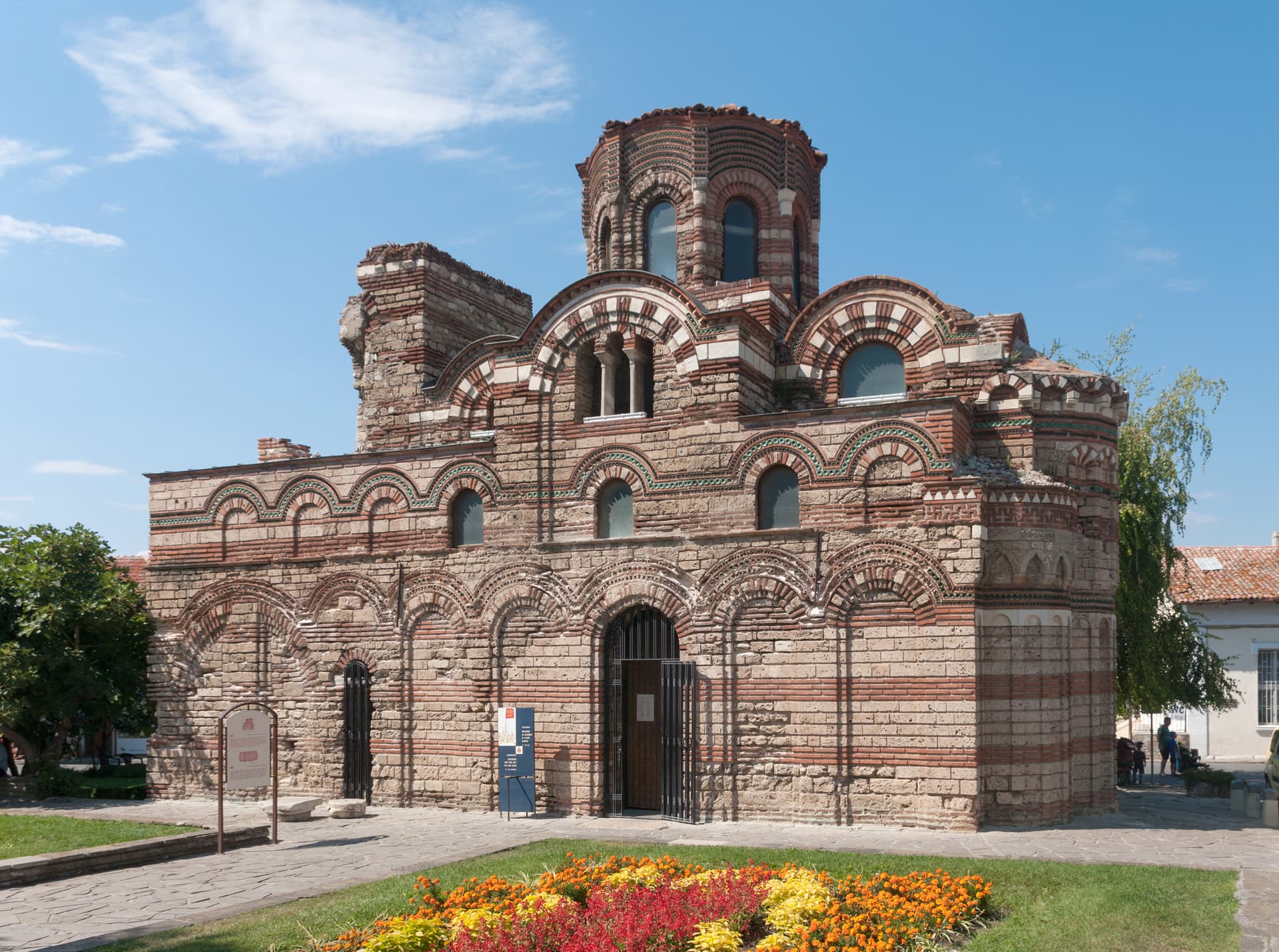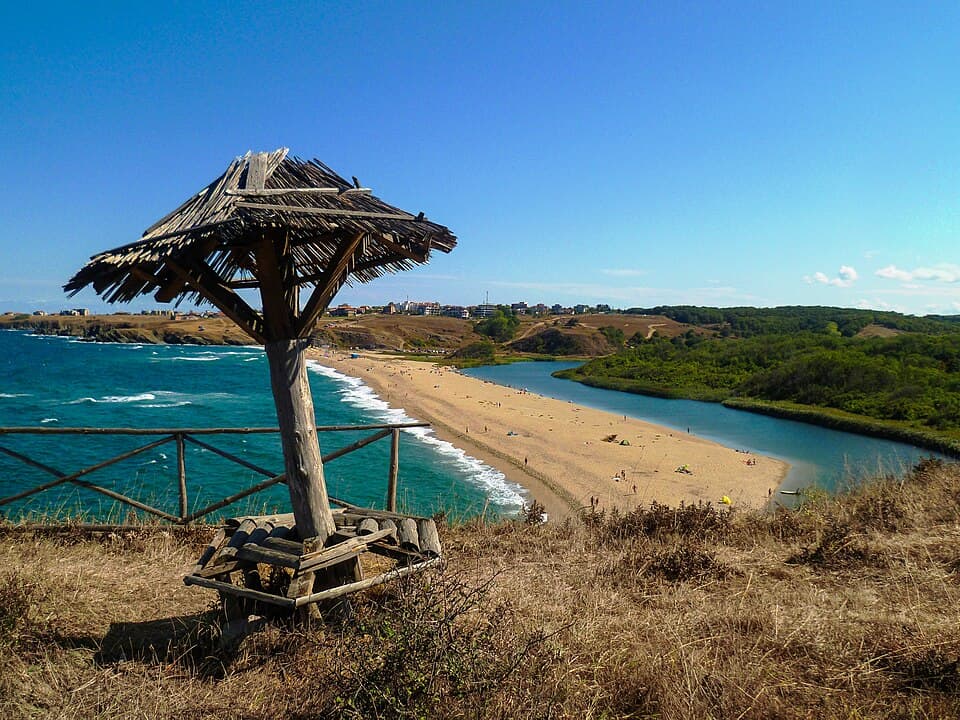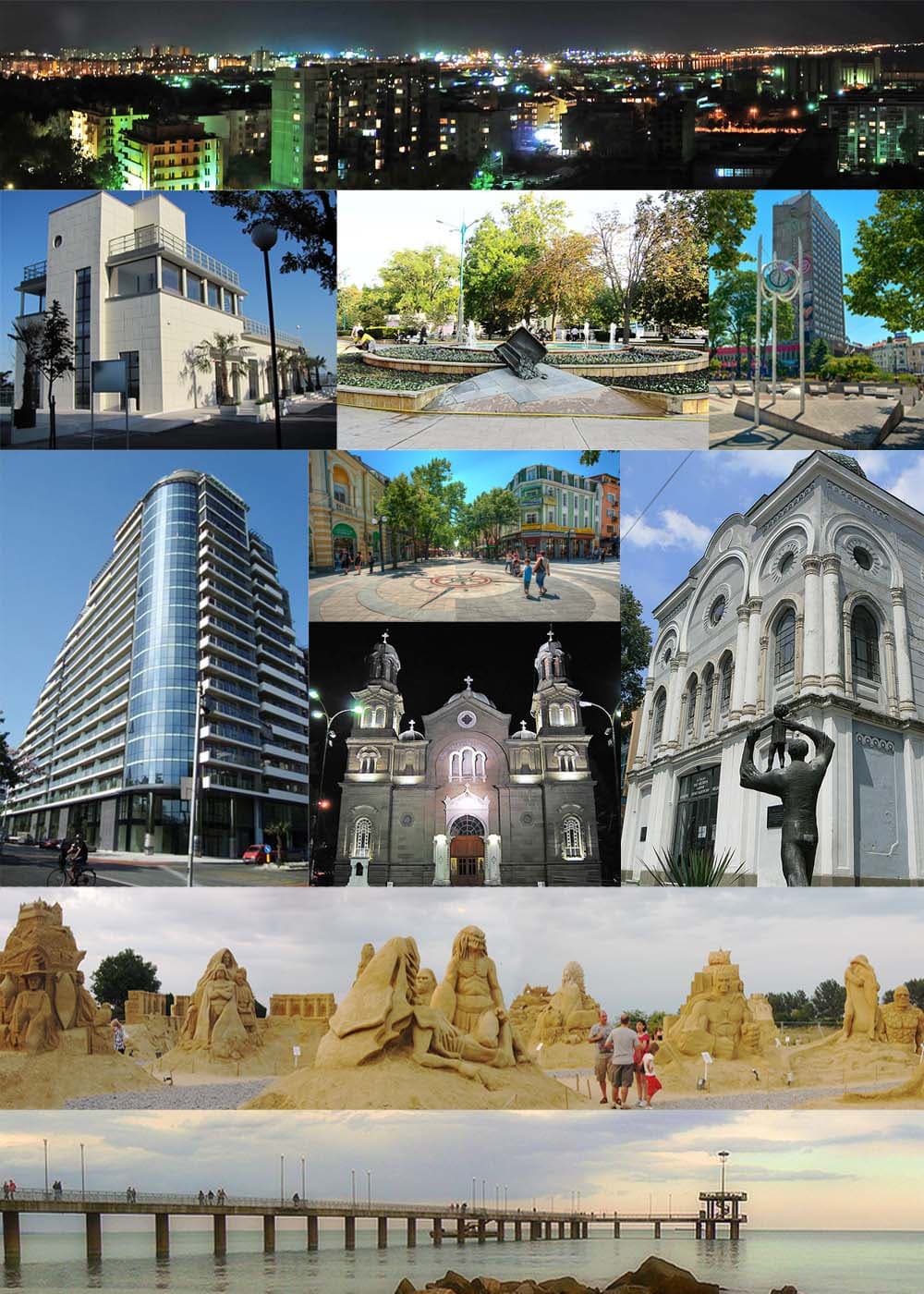
Burgas is the largest city in Southeastern Bulgaria and the second-largest urban center along the Bulgarian Black Sea coast. With an impressive territory spanning 253.644 square kilometers, it ranks among the largest municipalities in the country. As of December 31, 2025, the population of Burgas counts 189 086 residents, making it the fourth most populous city in Bulgaria, following Sofia, Plovdiv, and Varna. Burgas holds major national significance, developing rapidly as a premier cultural, economic, transportation, administrative, tourist, and educational hub for the southeastern part of the country.
Situated in close proximity to the city are key industrial and logistics assets of national and European importance:
The modern name of the city has deep historical roots, originating from the Greek word Pyrgos, which translates to tower. According to local historical legends, the name stems from an ancient Roman milestone post, known as a burgus, which was positioned near the territory of the modern port of Burgas. The prominent Byzantine poet Manuel Philes formally mentions the location as Pyrgos in his medieval literary works.
Within the family of Indo-European languages, the Greek pyrgos and the Latin burgus are identical terms sharing a common core root. According to research by Professor Kiril Vlahov, the word pyrgos possesses a Thracian origin, originally meaning a fortification built from thick wooden beams. A similar etymological path is tied to the name of the Spanish city of Burgos. Until the late 19th century, the city was referred to interchangeably as both Burgas and Pyrgos, while vintage Russian maps recorded it under the names Poros and Foros. During the 19th century, it was also called Ahelo Burgas to clearly distinguish it from Luleburgaz. Another historical theory connects the name with the city of Burtaz in Volga Bulgaria during the 13th century.
Burgas is widely celebrated in Bulgaria by its poetic nickname The City of Birds and Lakes. Due to the massive volume of cultural events, open-air concerts, and art initiatives organized throughout the warm season, the city is formally recognized as the summer festival capital of Bulgaria. The combination of the Black Sea coast, the proximity to the mystical Strandzha Mountain, protected natural areas, and ancient settlements attracts a steady stream of domestic and international travelers.
Burgas features prominently within the 100 National Tourist Sites of Bulgaria with two major destinations:
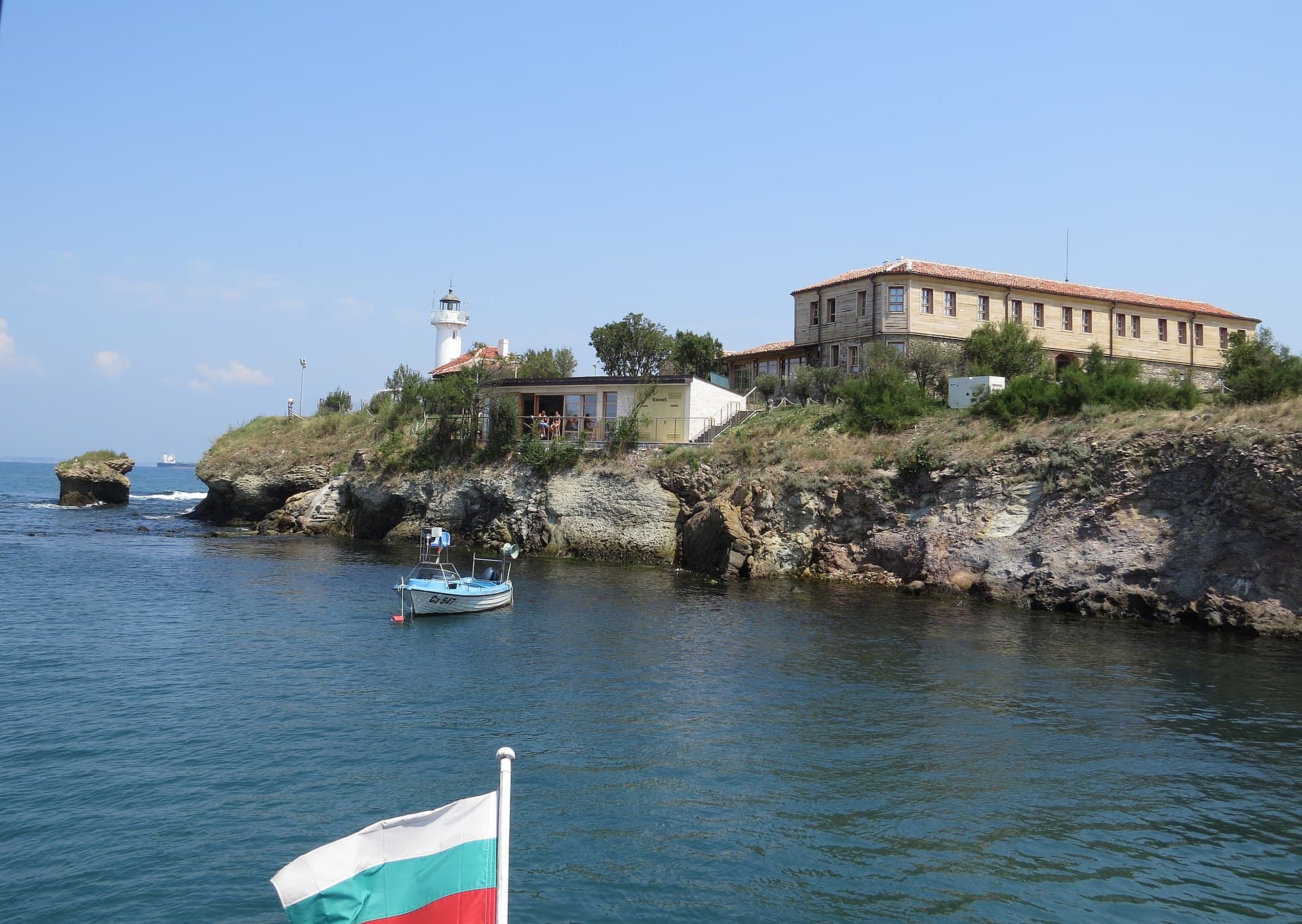
Located within the waters of the Burgas Bay is the beautifully preserved and fully accessible medieval monastery of Saint Anastasia, situated on the iconic island of the same name spanning roughly 9 decares, which is connected to the mainland via regular passenger boat lines.

Burgas region
3.7 km away

Burgas region
4.6 km away
Burgas region
5.4 km away
Burgas region
7.2 km away
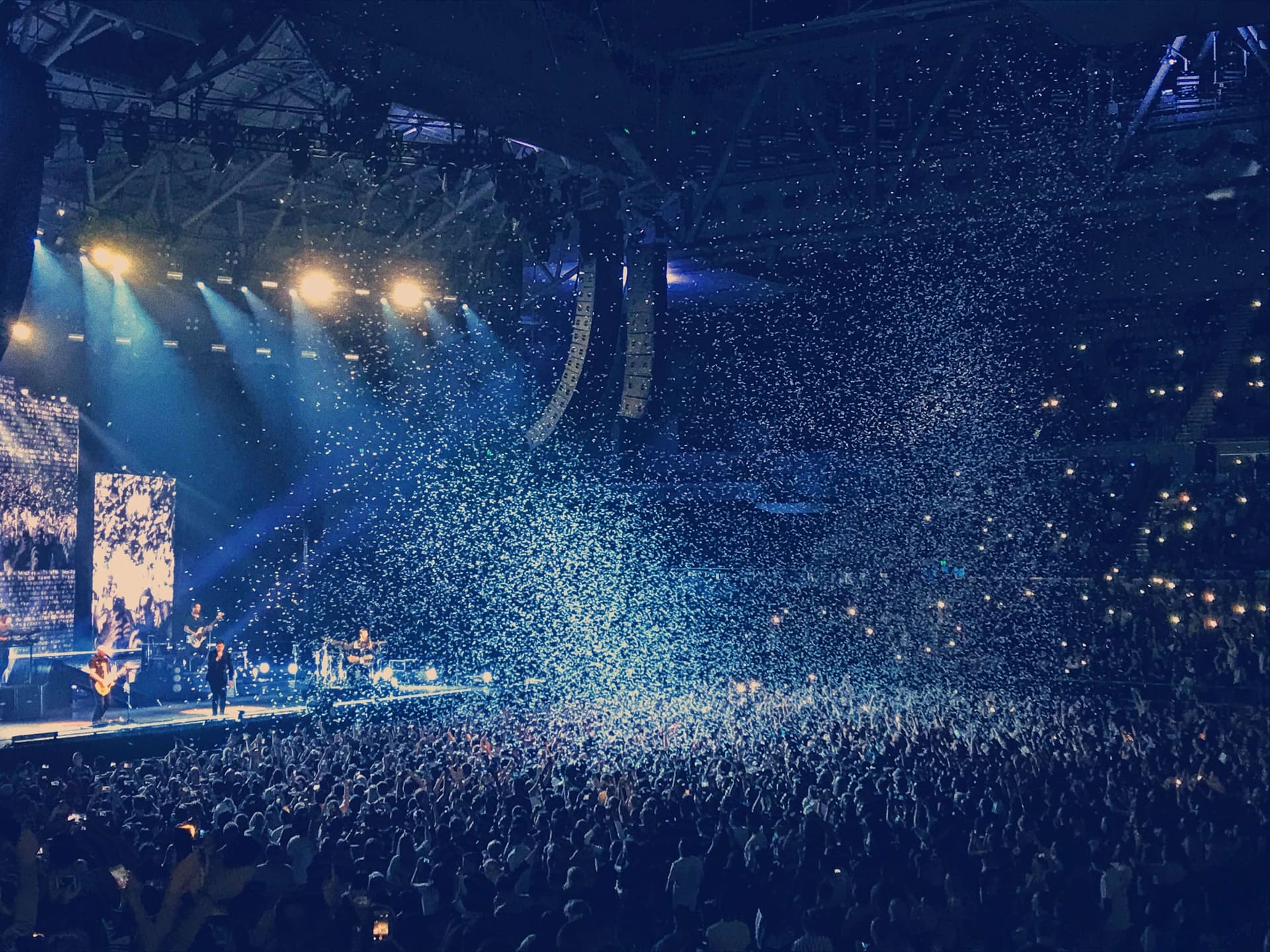
A practical, first-hand guide to Arena Burgas in Izgrev: seating plan, capacity, parking, transit from the city center, and late-night departure tips.
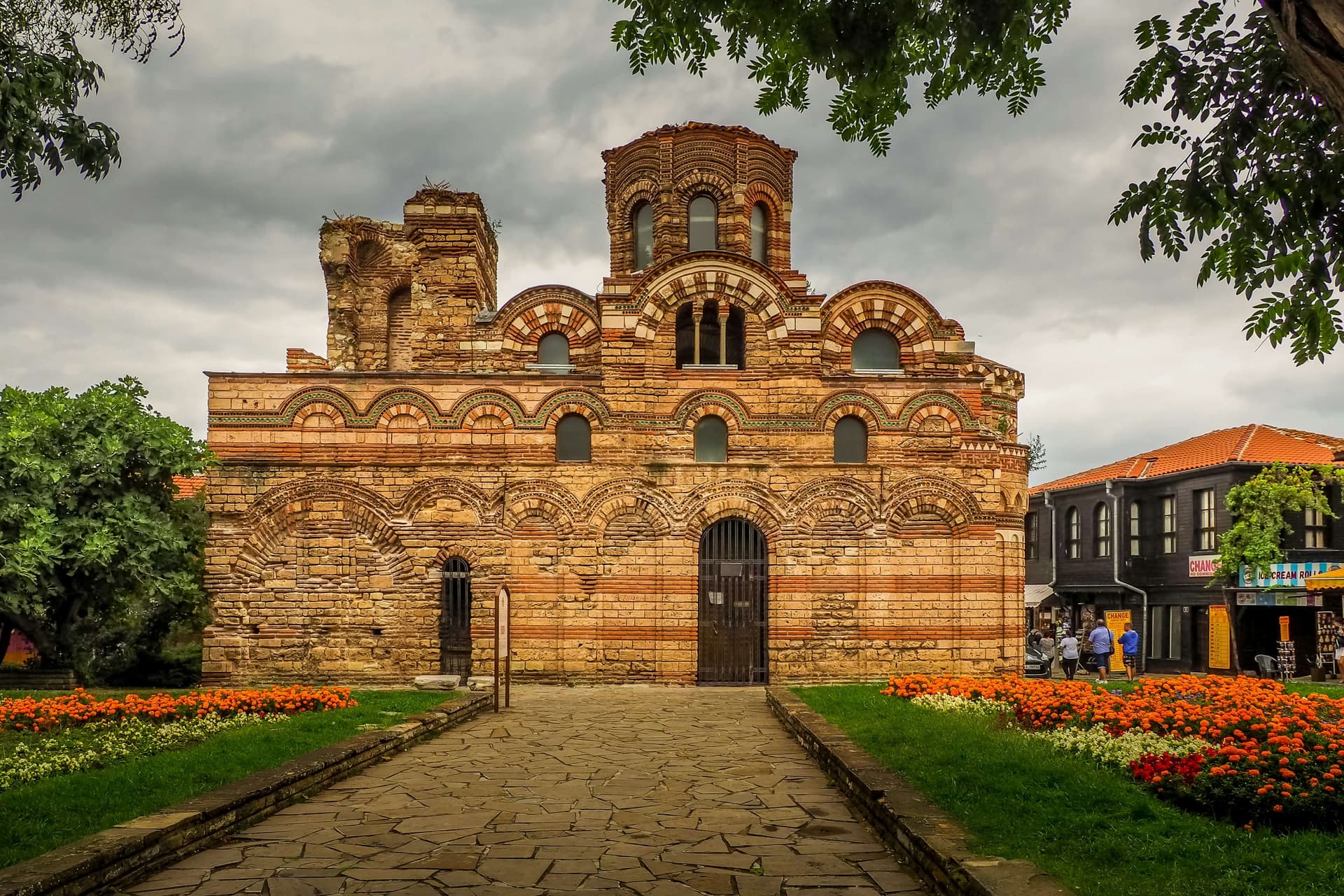
The best day trips from Burgas: Nessebar and Sozopol old towns, the Pomorie salt pans, Ropotamo reserve and Strandzha, with bus and driving tips.
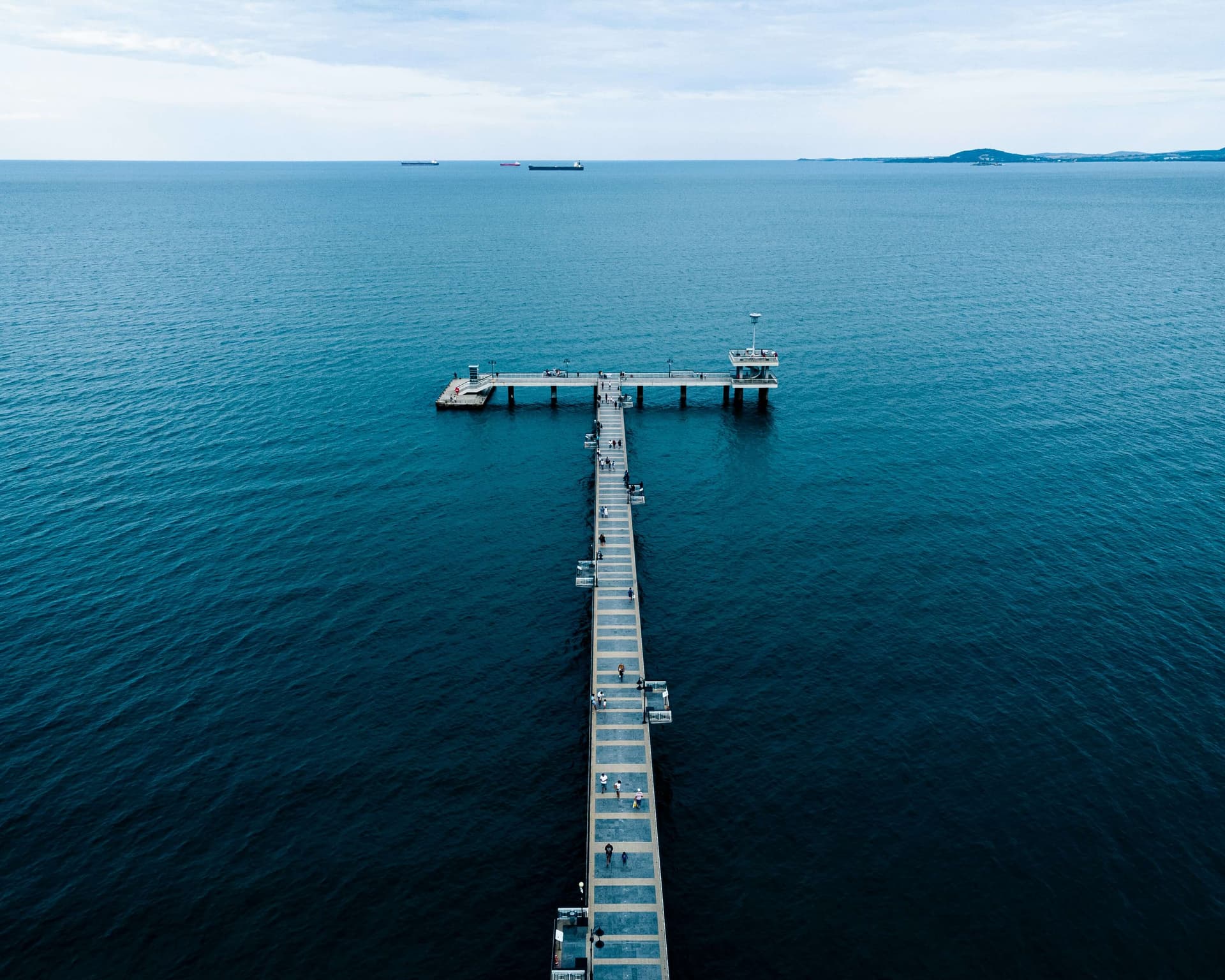
A guide to the Burgas Sea Garden: 5 km of coastal parkland, the pier, the city beaches, shoulder-season tips and flamingos at Atanasovsko Lake.
Burgas is located in Burgas, Bulgaria.
Burgas is most easily reached by car. Use the coordinates above to navigate, or open the location in OpenStreetMap or your preferred maps app for turn-by-turn directions. Public transport options vary by region — for remote destinations a rental car gives the most flexibility.
Burgas can be visited year-round, but late spring (May–June) and early autumn (September–October) offer the most pleasant weather and fewer tourists. Summer is the busiest season; winter is the quietest, with shorter daylight and possible cold weather.
Bulgarian settlements typically reward unhurried walking — historic centres, churches and monasteries, local markets, and family-run restaurants serving regional dishes. Larger towns often have museums and seasonal cultural events. The local tourist information centre is a good first stop for current opening hours and what's on.