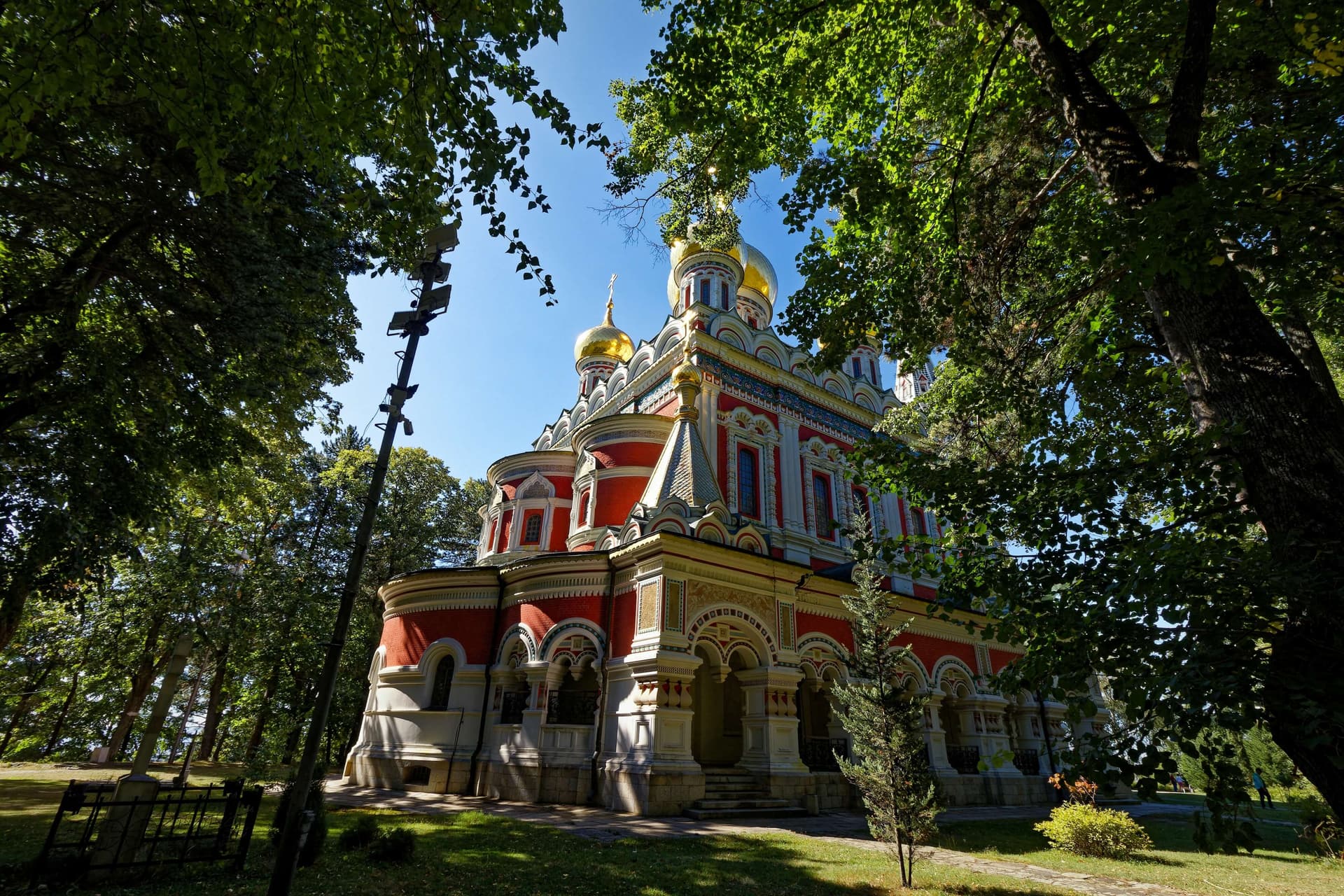
Situated in the northwestern foothills of Shipka town, at the base of the historic Shipka Pass, the Shipka Monastery of the Nativity of Christ stands as one of Bulgaria's most iconic and magnificent Orthodox sanctuaries. Renowned for its shimmering gilded cupolas and intricate 17th-century Russian revival architecture, the complex stands as a monument to the heroes of the Russo-Turkish Liberation War (1877–1878).
The main monastery church—the Nativity of Christ—is a recognized national cultural monument of paramount historical importance:
The initiative to build the memorial temple was launched by Count Nikolai Ignatiev and Olga Skobeleva (mother of the renowned General Mikhail Skobelev). Construction funds were raised entirely through voluntary public donations across Russia and Bulgaria.
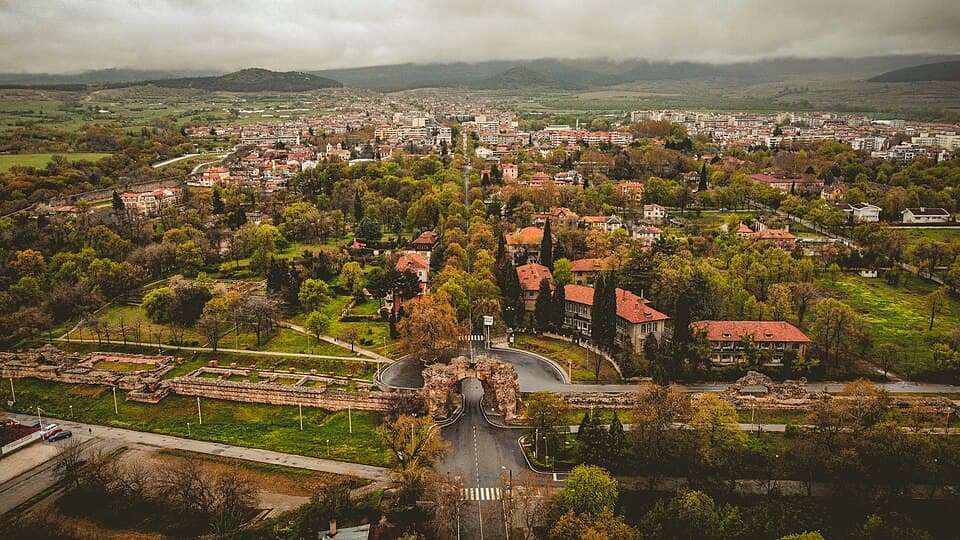
Hisarya or Pavel Banya for a spa weekend: Roman walls and mineral fountains, or a five-star spa base in the Rose Valley — tickets, parking, prices and which to pick.
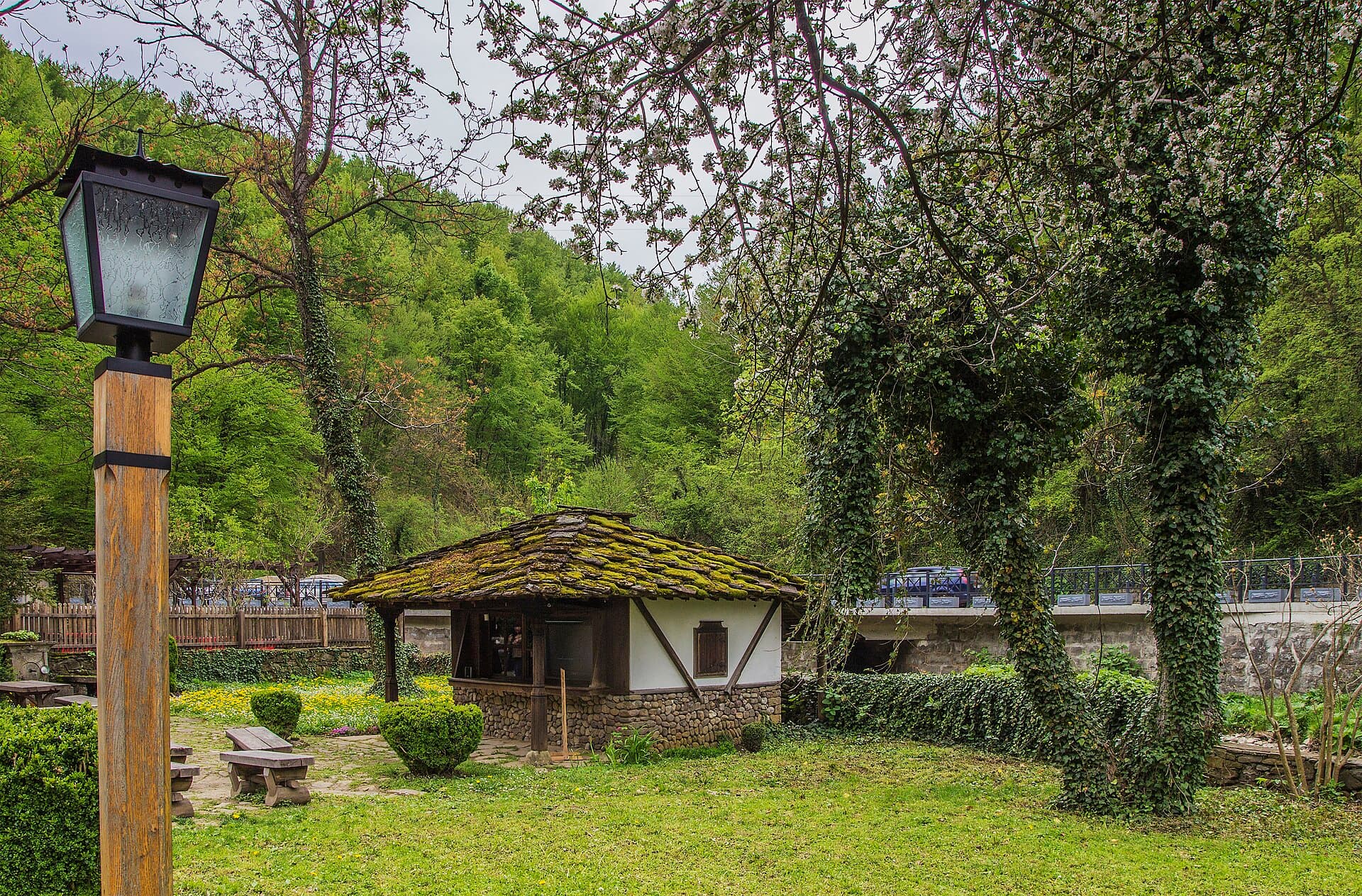
A guide to the Etar Architectural-Ethnographic Complex near Gabrovo: a reconstructed Revival craft street where the workshops still run on water power, what each trade does, how long to allow, and how to combine it with Tryavna and Bozhentsi.
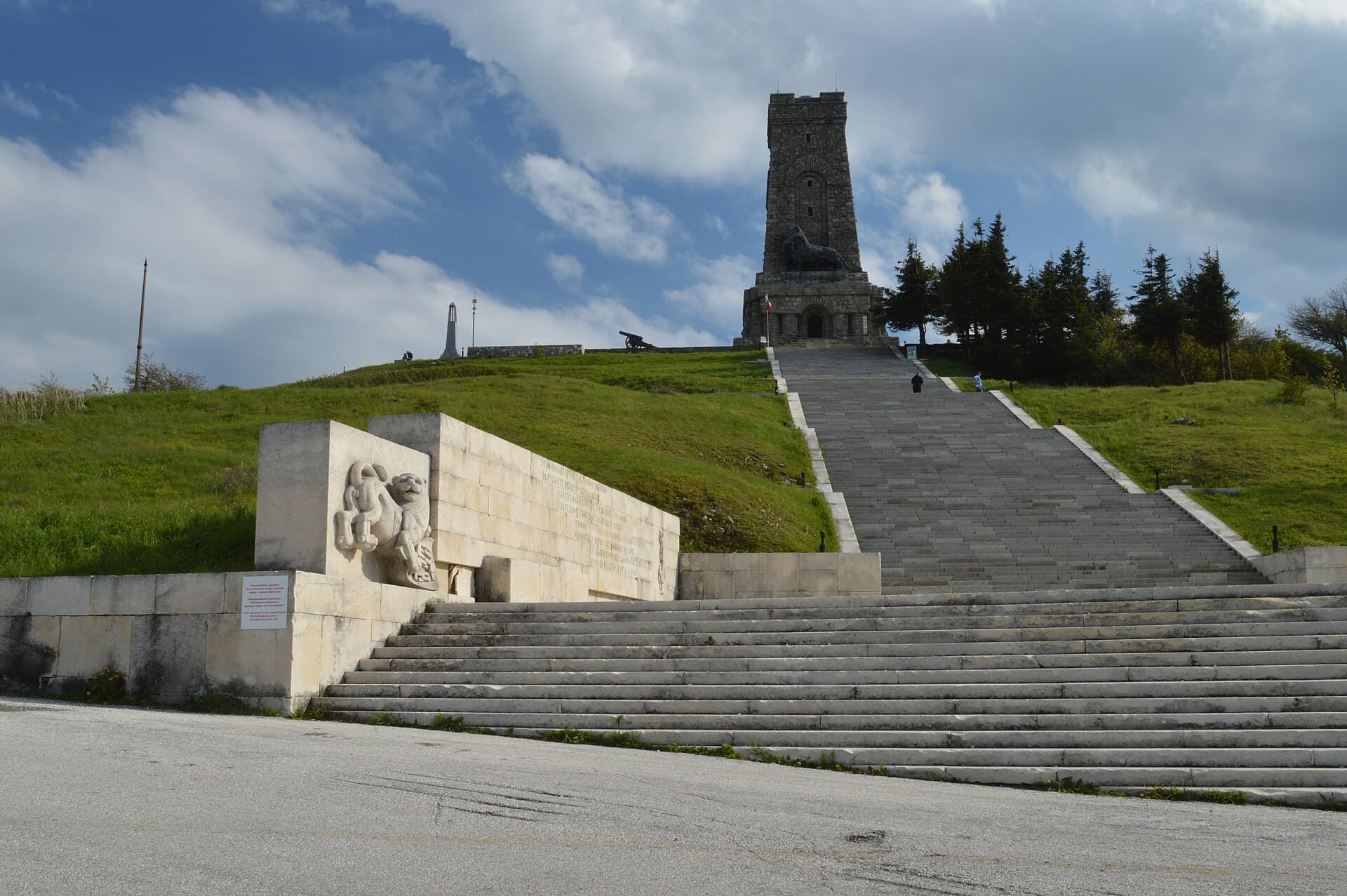
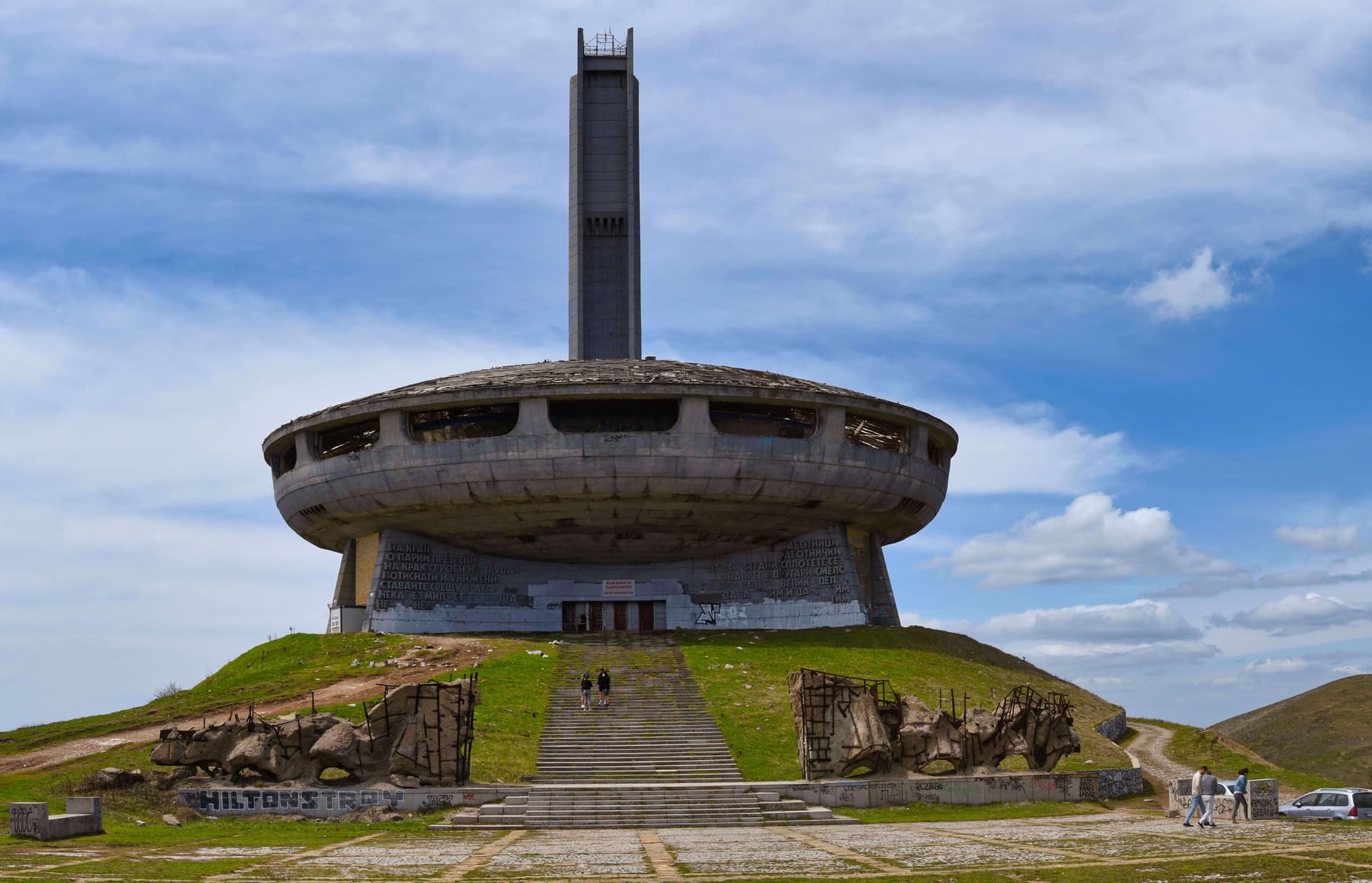
A complete guide to crossing the Shipka Pass: Climb the 890 steps to the Monument of Freedom, visit the gold-domed Shipka Memorial Church, and explore nearby Buzludzha.
Shipka Memorial Church is located in Stara Zagora, Bulgaria.
Shipka Memorial Church is most easily reached by car. Use the coordinates above to navigate, or open the location in OpenStreetMap or your preferred maps app for turn-by-turn directions. Public transport options vary by region — for remote destinations a rental car gives the most flexibility.
Shipka Memorial Church can be visited year-round. Spring and autumn offer the most pleasant conditions for exploring, with mild temperatures and fewer crowds. Summer is ideal for photography and longer day trips; winter visits are possible but weather can limit access at some sites.
Most natural landmarks in Bulgaria are freely accessible and open year-round, though some sites have entrance fees or require a guide. Wear sturdy footwear and bring water, as the terrain can be uneven. Respect any protective barriers and stay on marked paths to preserve the site.