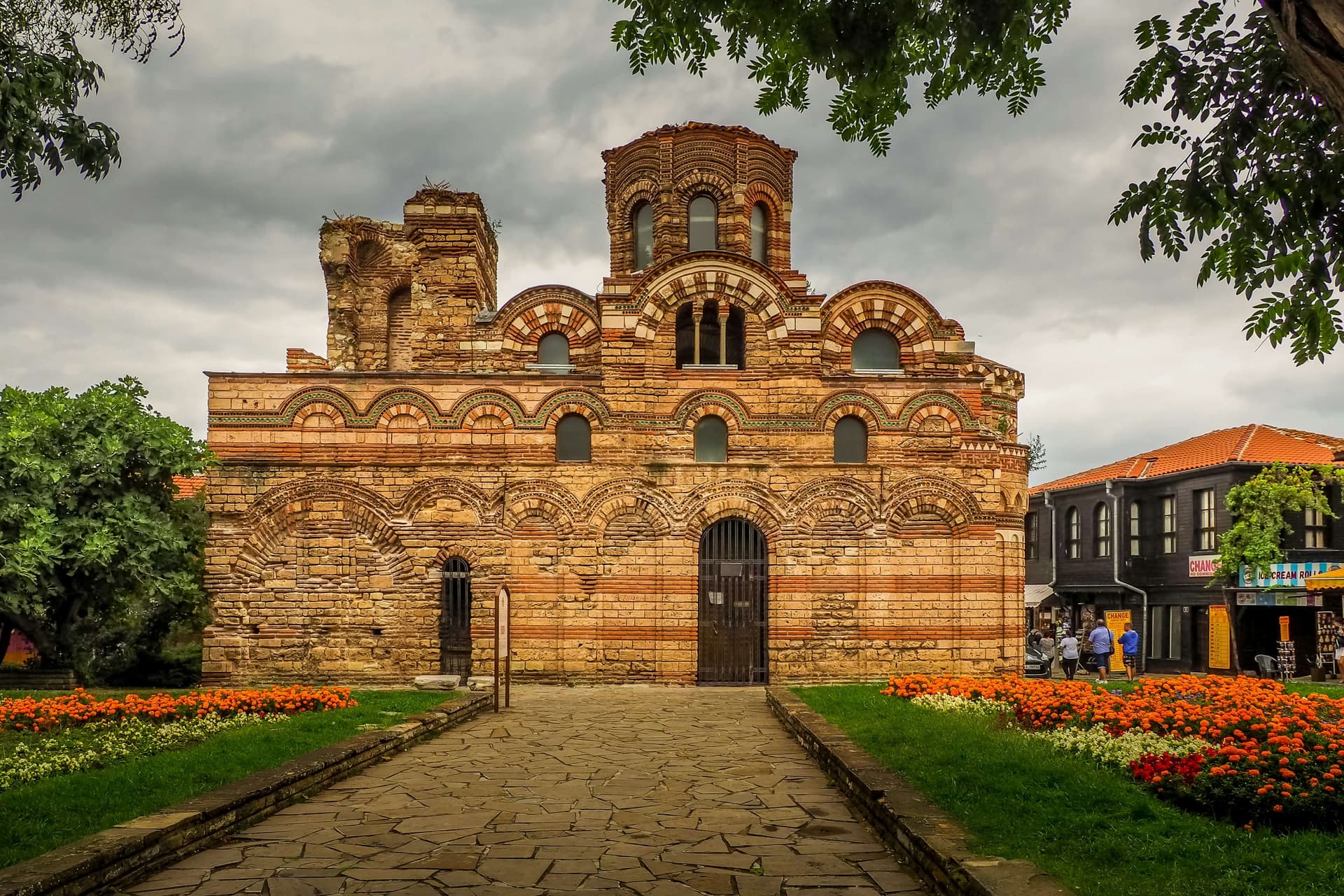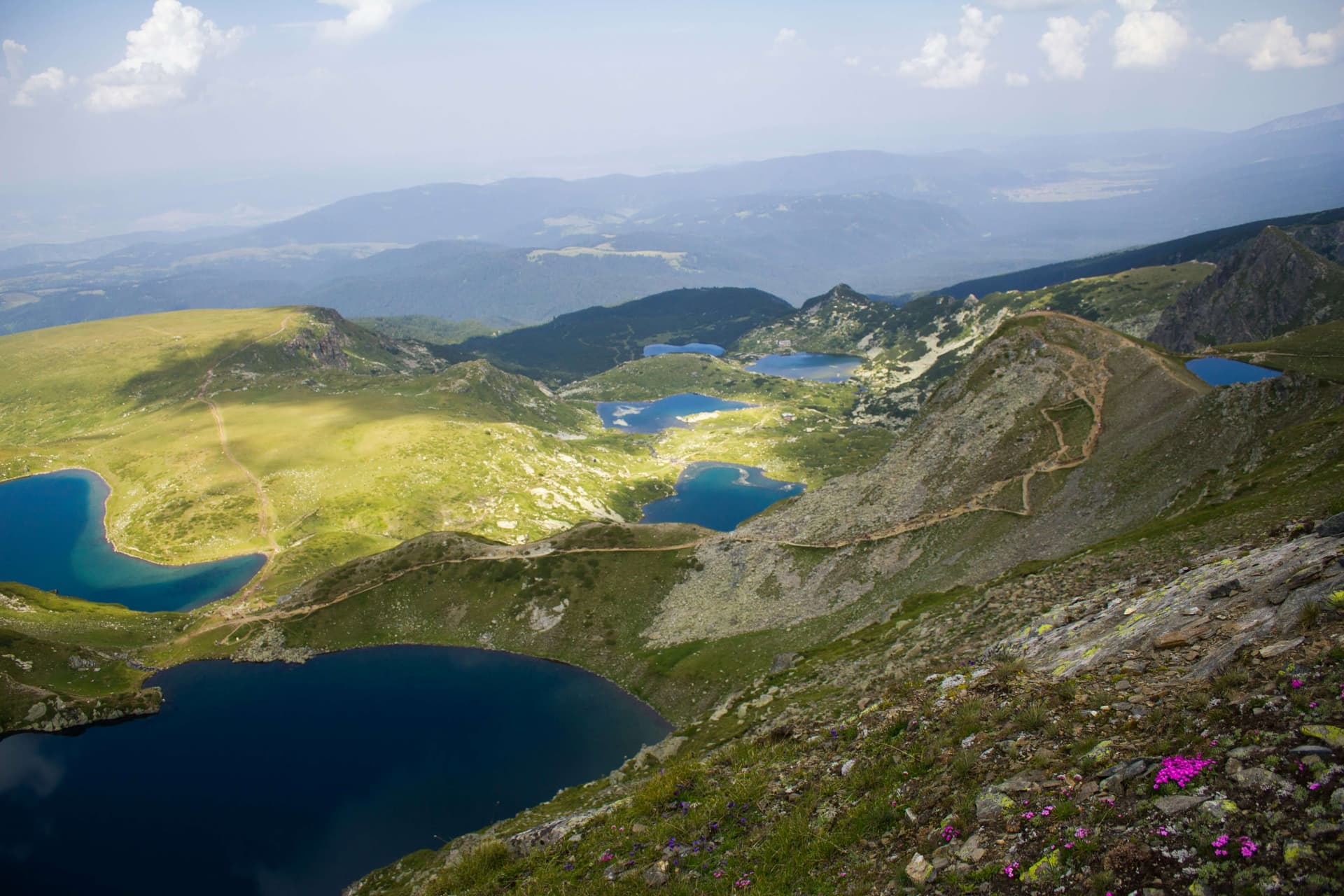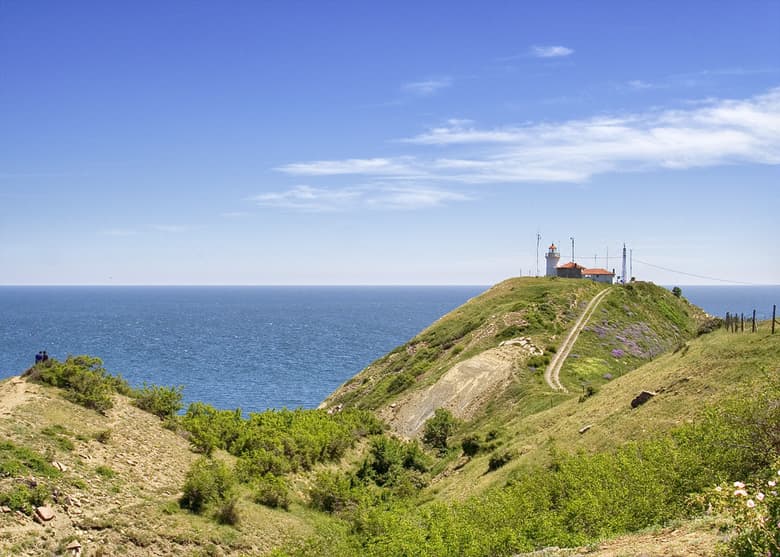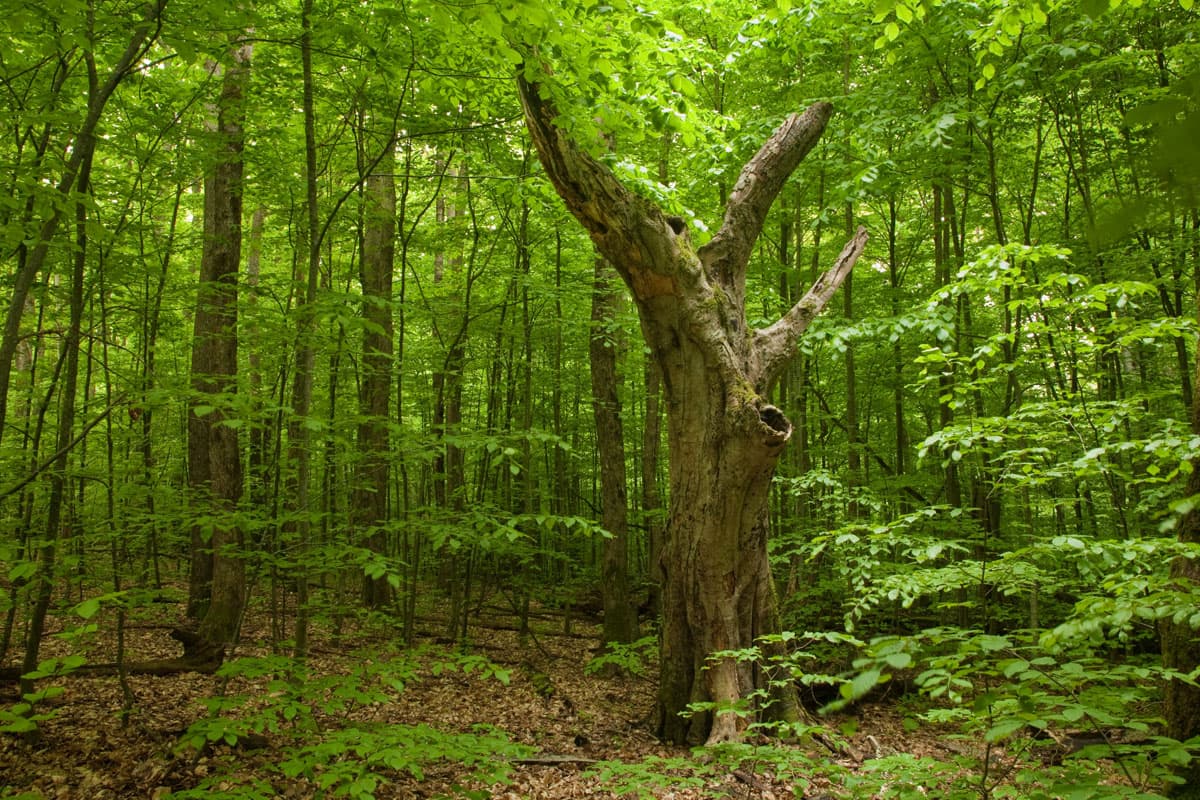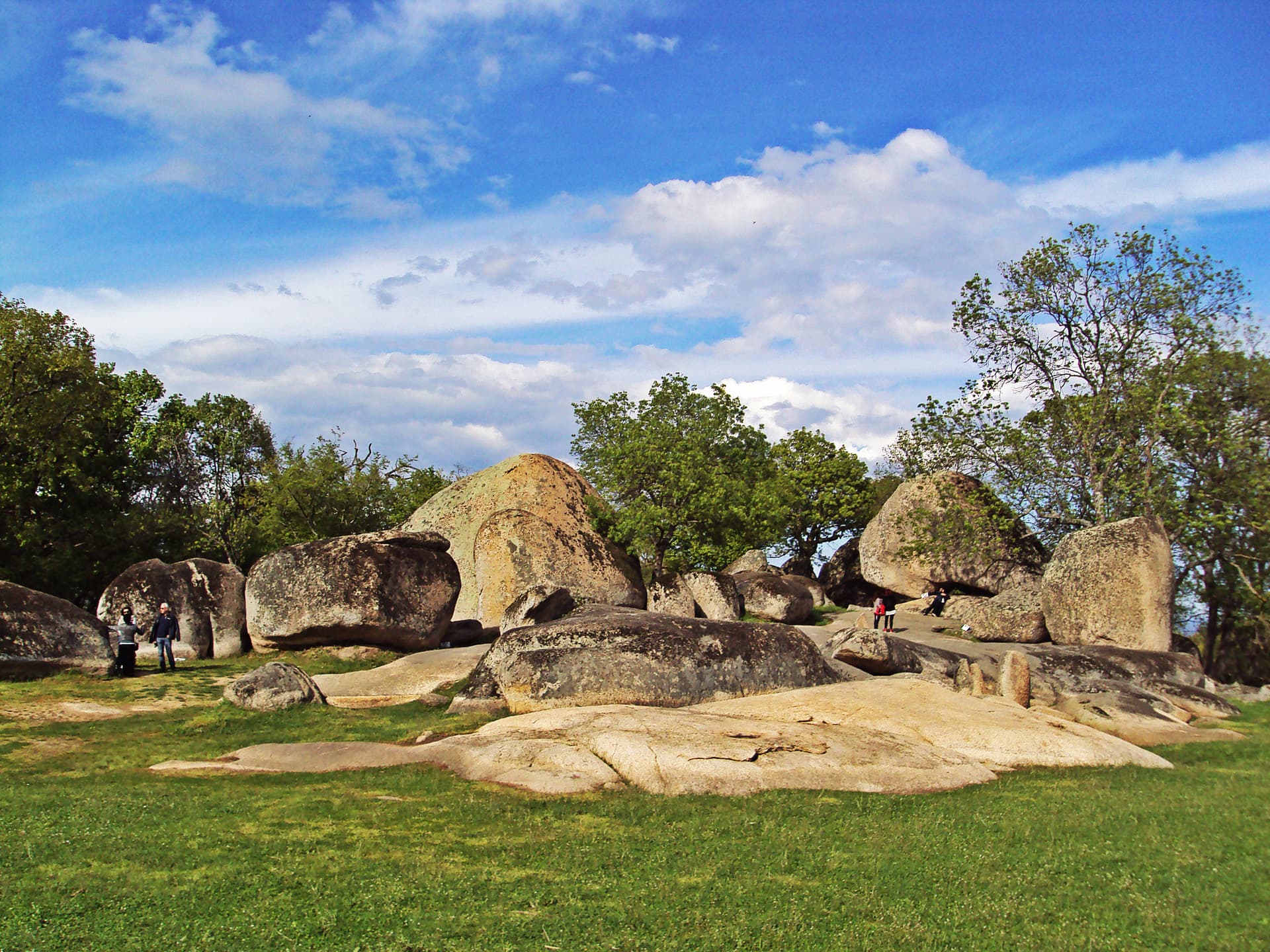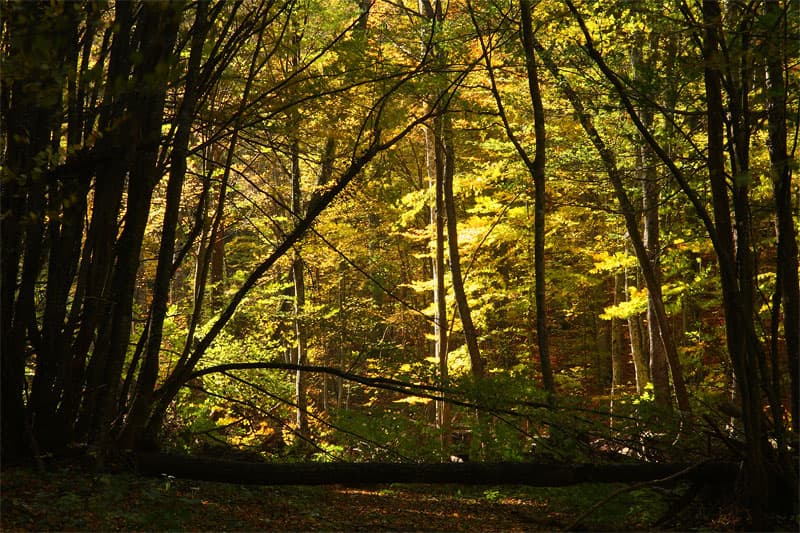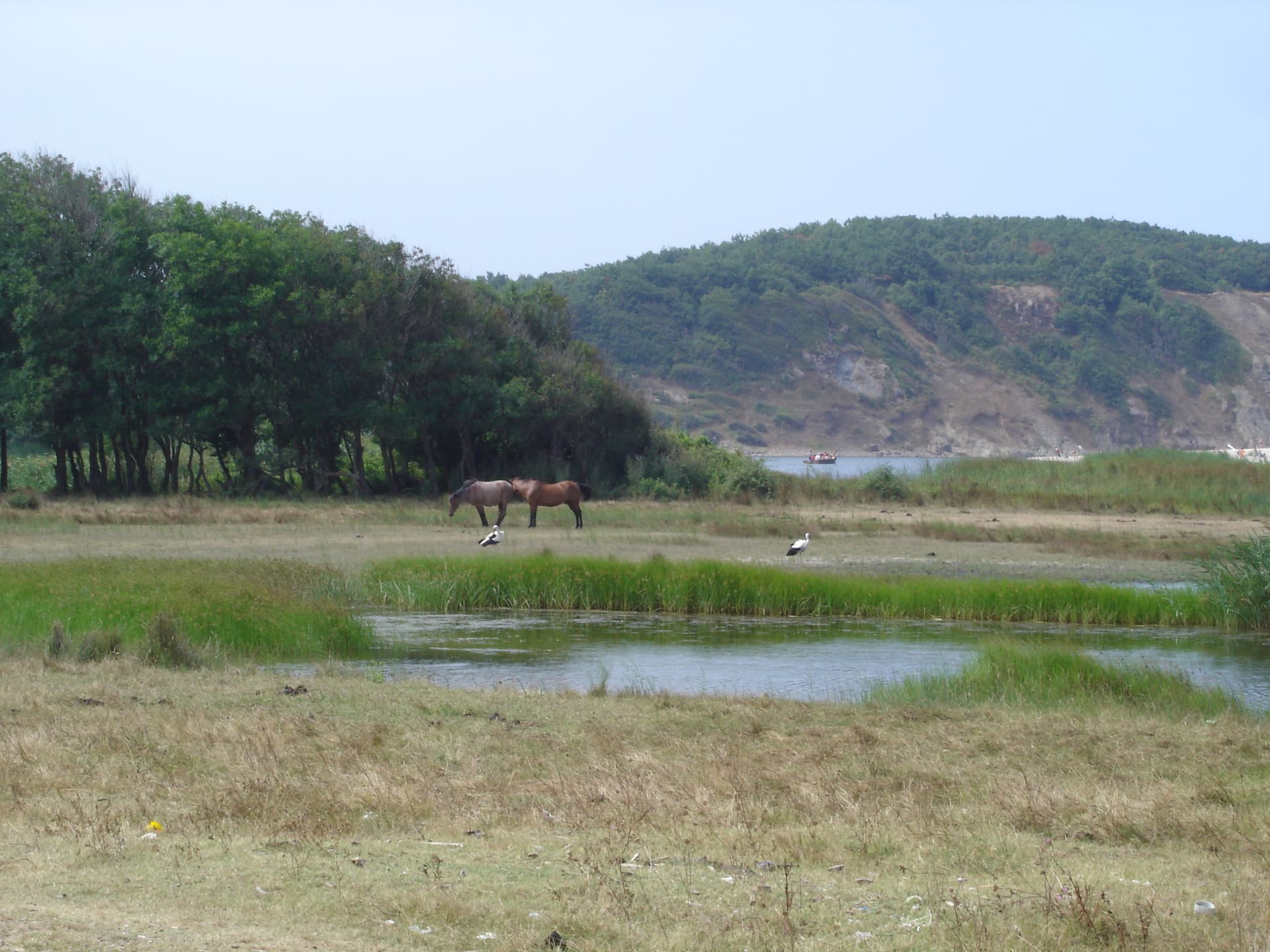
Nestled in the southeasternmost corner of Bulgaria bordering the Black Sea, Strandja Nature Park is the largest protected area in the country. Established in 1995 and covering a vast expanse of 1,161 square kilometers, it safeguards over 1% of Bulgaria's total landmass. Strandja is a land of magic and mystery—where ancient Thracian sanctuaries, old-growth beech forests, centuries-old fire-walking traditions, and pristine rivers coexist in complete harmony. Global Botanical Treasury & Tertiary Relicts Influenced by three surrounding seas (the Black, Marmara, and Aegean Seas), Strandja's mild climate has preserved plant species that survived the last Ice Age (tertiary relicts): - Bulgaria's First Nature Reserve: In 1933, the "Silkosiya" reserve was established within Strandja, becoming the first protected nature reserve in the country. - Euxinic Flora: Strandja is world-renowned for its evergreen Pontic rhododendron undergrowth. The undisputed symbol of the park is the Strandja Rhododendron (Rhododendron ponticum). Other iconic species include the Strandja oak, Caucasian whortleberry, Crimean tea, heather, and Oriental beech. - Record Biodiversity: The park harbors 121 natural and semi-natural habitat types (ranking first in Europe) and over 1,665 higher plant species—representing nearly half of all plant species found in Bulgaria. Wildlife Haven along the Via Pontica Migration Route Strandja boasts the richest vertebrate fauna of any protected territory in Bulgaria, sheltering 261 species: - Birdwatcher's Paradise: Positioned directly beneath the major Via Pontica migration flyway, the park supports 257 bird species. Key nesting species include the Black Stork, Egyptian Vulture, Golden Eagle, Kingfisher, and Grey Woodpecker. - Mammals & Reptiles: The wilderness is home to 54 mammal species, including Europe's best-preserved population of the European otter (along the Veleka River), wild wolves, pine martens, and 21 bat species. It also shelters 22 reptile species, such as leopard snakes and land tortoises. Key Attractions & Natural Wonders Strandja encompasses 32 designated protected areas and natural landmarks: - River Valleys & Caves: The picturesque Dokuzak Waterfall, the karst springs and caves along the Mladezhka River, Elenina Dupka Cave near Byala Voda, and Maharata Cave near Kosti. - Pristine Coastal Sanctuaries: The untouched estuaries of the "Veleka River Mouth" near Sinemorets and the wild, secluded bay of "Silistar". Rich Historical & Cultural Heritage Human history in Strandja forms an unbroken chain from the Copper Age to modern times: - Thracian Megaliths & Tombs: The impressive dome-shaped tomb-sanctuaries at Mishkova Niva and Propada, along with ancient dolmens and solar shrines. - Petrova Niva: The national historic landmark commemorating the 1903 Ilinden–Preobrazhenie Uprising. - Authentic Folklore & Architecture: Over 250 traditional Bulgarian Revival-style houses, hidden forest chapels, and the ancient ritual of Nestinarstvo (fire-walking on hot coals), recognized as a UNESCO Intangible Cultural Heritage. Useful Visitor Information - Location: Southeastern Bulgaria, spanning from the town of Malko Tarnovo to coastal towns and villages (Tsarevo, Sinemorets, Ahtopol, Kosti, Balgari). - Park Information: Main visitor centers are located in Malko Tarnovo and Tsarevo. - Trip Tip: Visit in late May or early June to witness the breathtaking blooming season of the Strandja Rhododendron. The park is ideal for eco-tourism, birdwatching, hiking, mountain biking, and exploring ancient Thracian heritage.

Burgas
4.8 km away
Burgas
7.1 km away
Burgas
8.5 km away
Burgas
9.7 km away

The best day trips from Burgas: Nessebar and Sozopol old towns, the Pomorie salt pans, Ropotamo reserve and Strandzha, with bus and driving tips.

Attending Eurovision 2027 in Burgas (10–15 May)? Semi-final and final dates, Arena Burgas capacity, ticket timing, transport and where to stay.

A guide to Bulgaria's three national parks and eleven nature parks — Rila, Pirin, Central Balkan, Vitosha, Vrachanski Balkan, Strandzha, Persina and the rest — what the categories mean and which to visit.
Strandzha Nature Park is located in Burgas, Bulgaria.
Strandzha Nature Park is most easily reached by car. Use the coordinates above to navigate, or open the location in OpenStreetMap or your preferred maps app for turn-by-turn directions. Public transport options vary by region — for remote destinations a rental car gives the most flexibility.
Strandzha Nature Park is best walked from May through October, when the trail is clear of snow and weather is generally stable. Summer middays can be hot at lower altitudes — start early. Winter walking requires proper gear and route knowledge.
Suitability depends on the specific route. Bulgarian trails range from paved family-friendly paths to multi-day high-mountain crossings. Check the length, elevation gain, and surface before setting off. Sturdy footwear, water, and a basic map (offline or paper) are essential even on short walks.