Silkosia Reserve lies in the Strandzha, between the villages of Balgari and Kosti, Tsarevo municipality. It was declared in 1931 and is the oldest protected area in Bulgaria. It covers 389.6 ha inside the Strandzha Nature Park.
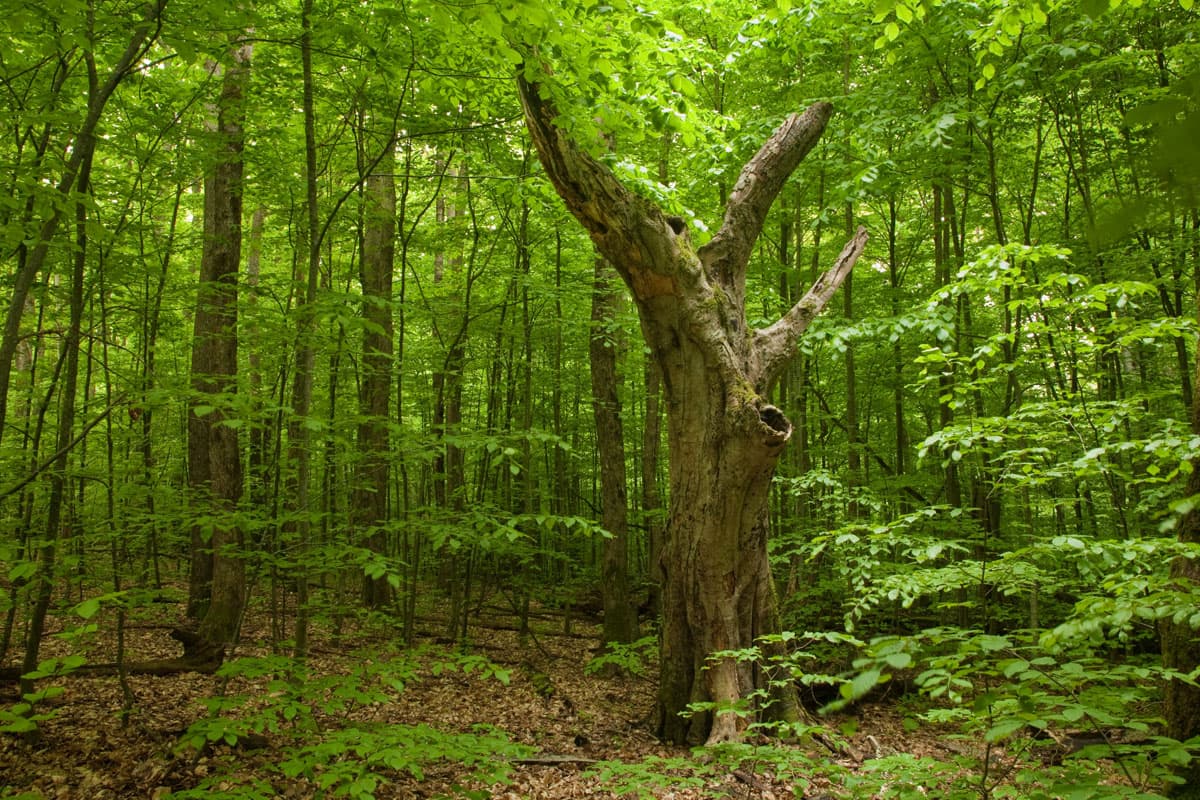
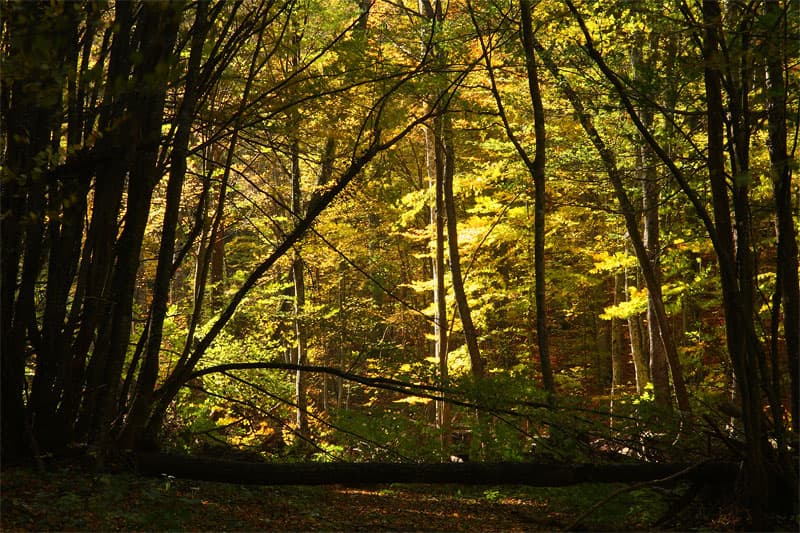
The reserve protects a broadleaf mixed forest of oak and oriental beech, with plants that grow only in the Strandzha. It lies between 100 and 250 m above sea level, in part of the Veleka river catchment, and is one of the lowest-lying reserves in the country. It shows a vegetation inversion: beech grows in the low, damp valleys and oak on the higher ground, the reverse of the usual pattern. Strandzha rhododendron, cherry laurel, Caucasian whortleberry and yew grow in the valleys. Botanists have recorded 260 species of higher plants, 16 of them relicts. The spring cyclamen flowers in February and March, and the rhododendron in May.
All activity in the reserve is banned except guarding, scientific visits, walking on marked paths, and collecting seeds and specimens for science. Two paths are allowed through the reserve. The better known is a loop, about 1.4 km each way, with about 60 m of climbing and blue-and-white marks on the trees; it takes about half an hour. The second was waymarked in 2022 by the Ministry of Environment and hikers and leads to the village of Balgari. Local tourism sources say visits go with an escort from the reserve's guards, so check in advance with the Kosti state forestry office or the Burgas regional environment inspectorate (RIOSV). In summer there are many biting midges.
The loop starts about 300 m from a turn-off on the asphalt road between Balgari and Kosti, about 2 km from Balgari. There is a meadow at the start where you can leave the car.

Burgas region
3.3 km away

Burgas region
3.6 km away
Burgas region
7.1 km away
Silkosia Reserve is located in Burgas, Bulgaria.
Silkosia Reserve is most easily reached by car. Use the coordinates above to navigate, or open the location in OpenStreetMap or your preferred maps app for turn-by-turn directions. Public transport options vary by region — for remote destinations a rental car gives the most flexibility.
Silkosia Reserve is best walked from May through October, when the trail is clear of snow and weather is generally stable. Summer middays can be hot at lower altitudes — start early. Winter walking requires proper gear and route knowledge.
Suitability depends on the specific route. Bulgarian trails range from paved family-friendly paths to multi-day high-mountain crossings. Check the length, elevation gain, and surface before setting off. Sturdy footwear, water, and a basic map (offline or paper) are essential even on short walks.