Guides and travel stories from Bulgaria.
107 articles
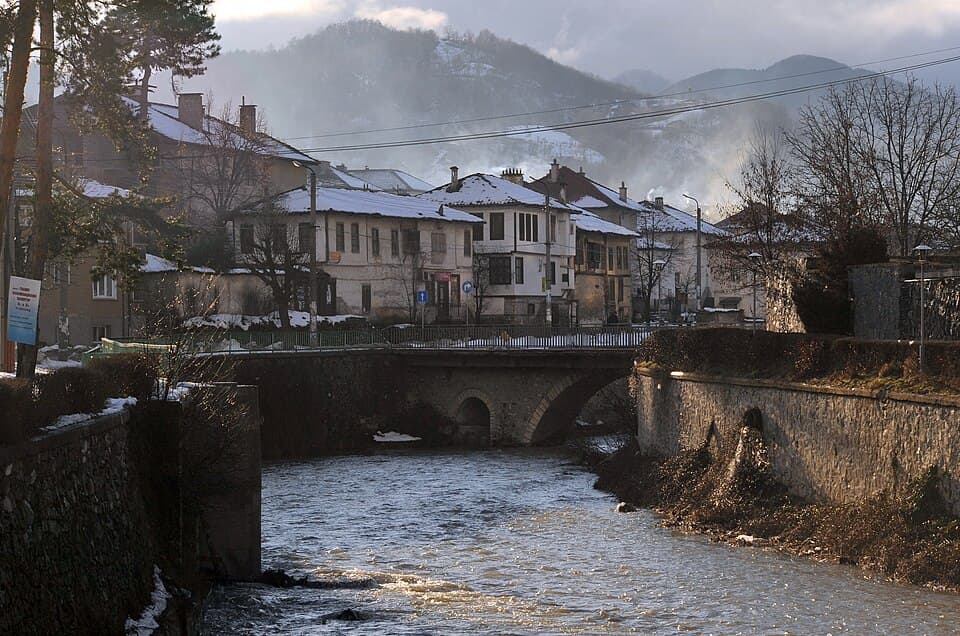
A Rhodope spa weekend: Devin's mineral water and the Struilitsa eco-trail, Zlatograd's ethnographic complex and Revival quarter, with Trigrad and Yagodina nearby.
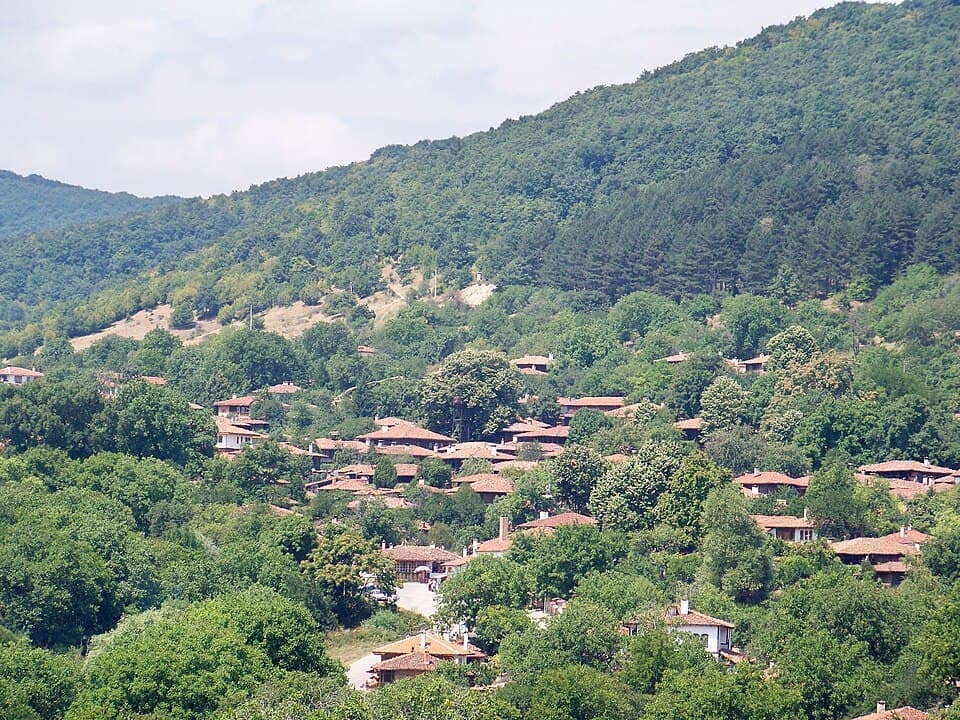
A winter weekend in Kotel and Zheravna: Rakovski's Pantheon, Kotel carpets and the natural history museum, Zheravna's 200 wooden houses and Medven — getting there from Burgas and Varna.
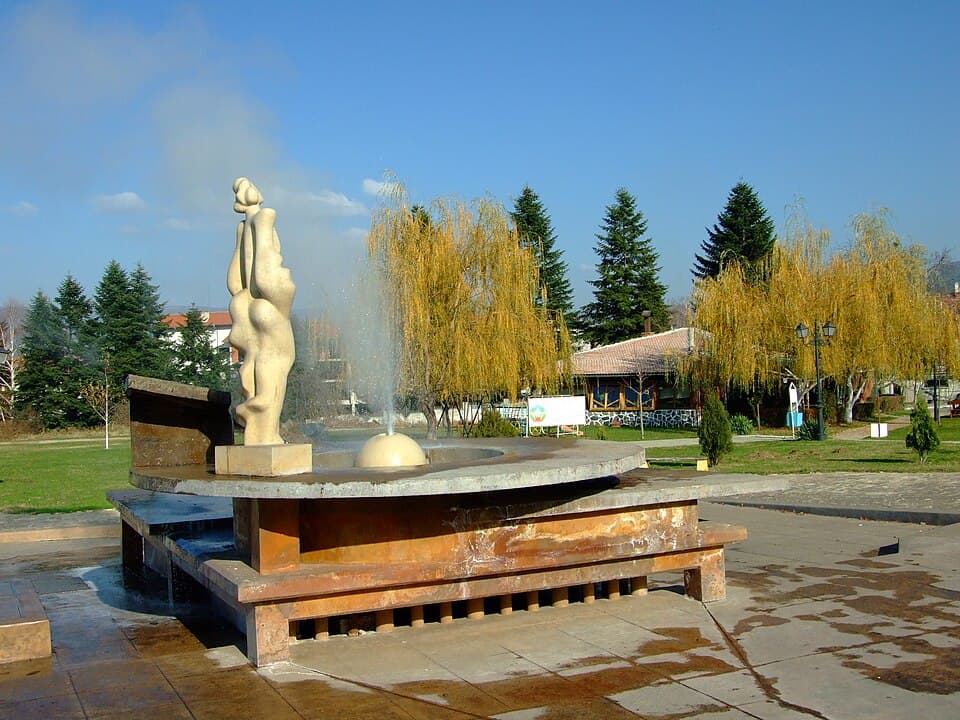
A weekend in Sapareva Banya and Panichishte: the geyser with 103 °C water, mineral pools in winter, Panichishte as the snowy side, and the way up to the Seven Rila Lakes.
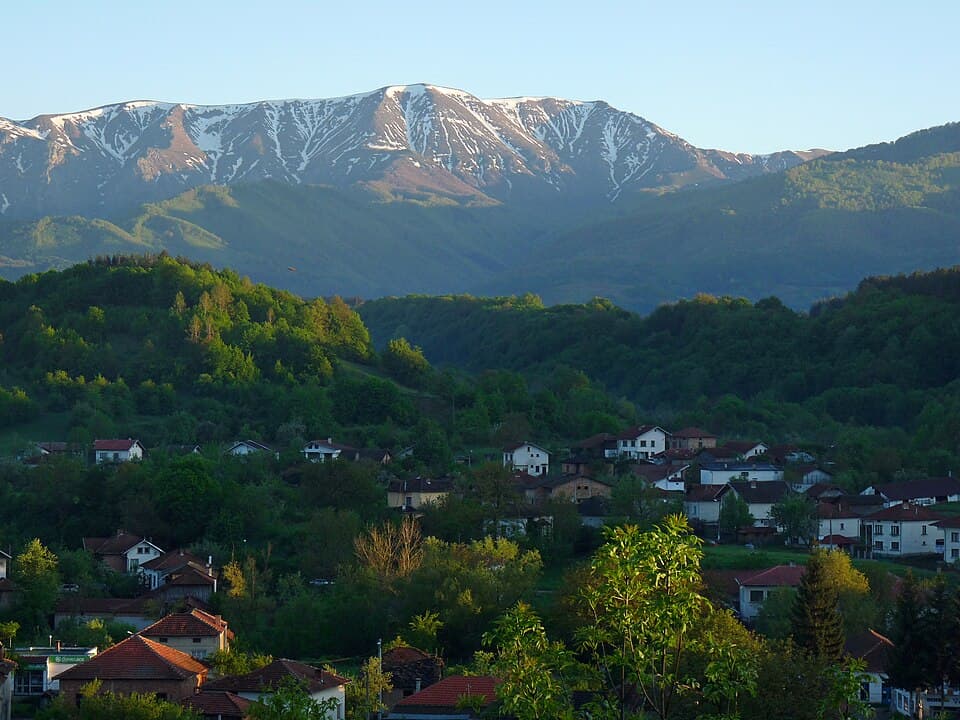
A weekend in Troyan, Oreshak and Apriltsi: Troyan pottery and plum rakia, the crafts museum, the Oreshak exhibition by Troyan Monastery, and Apriltsi as a Balkan base.
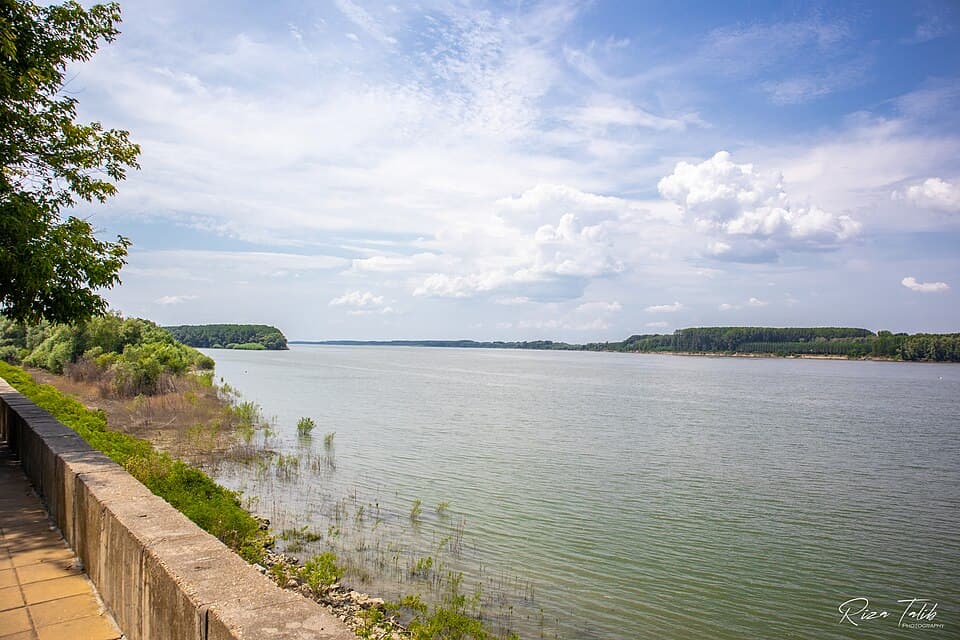
A weekend in Tutrakan: the Fishermen's Quarter and the Danube fishing museum, the 1916 military cemetery, Danube fish — and Srebarna and Silistra for day two.
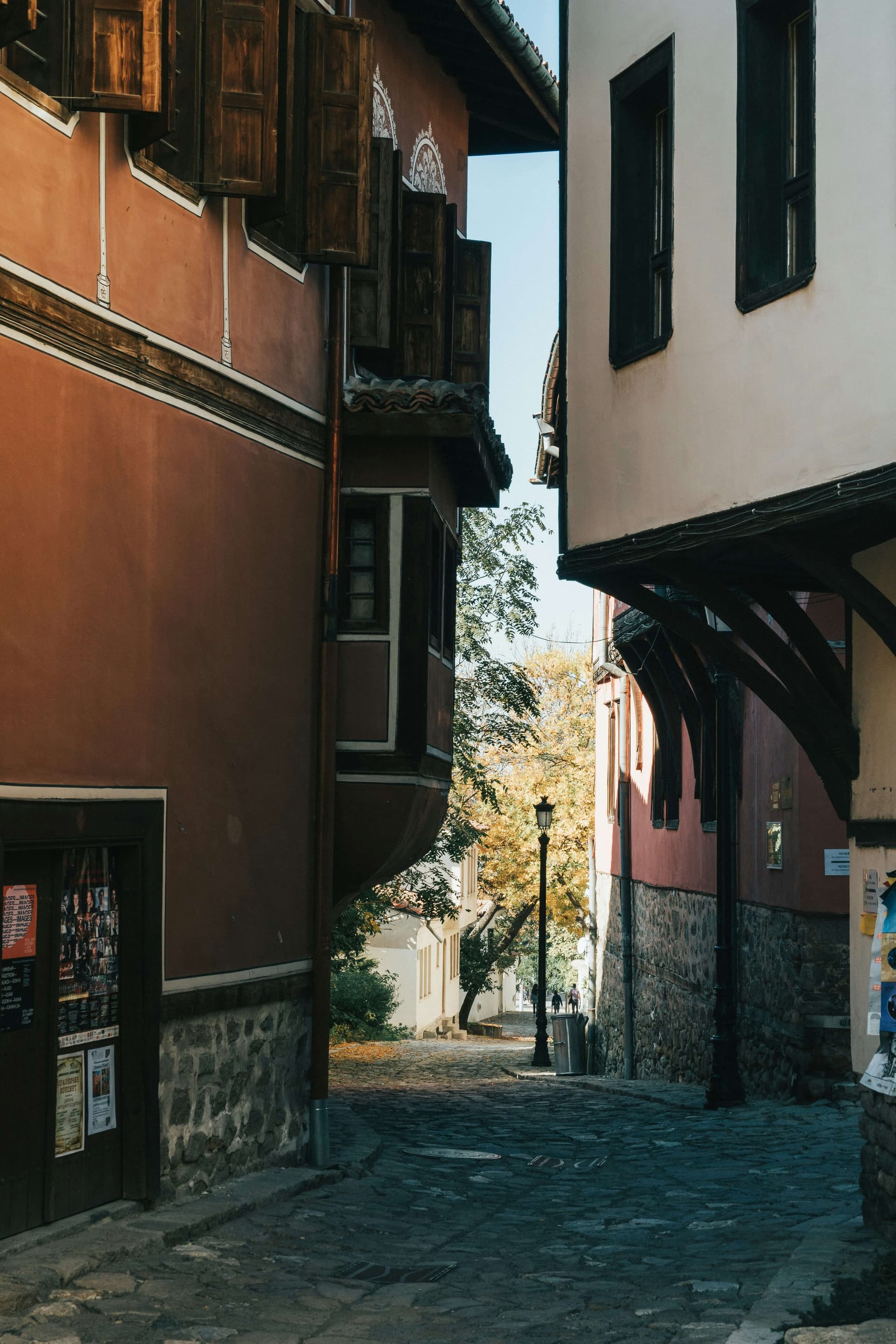
8 overnight getaways from Plovdiv: spa towns, Rhodope villages and caves, Troyan and skiing — with drive times, transport and what is open in winter.
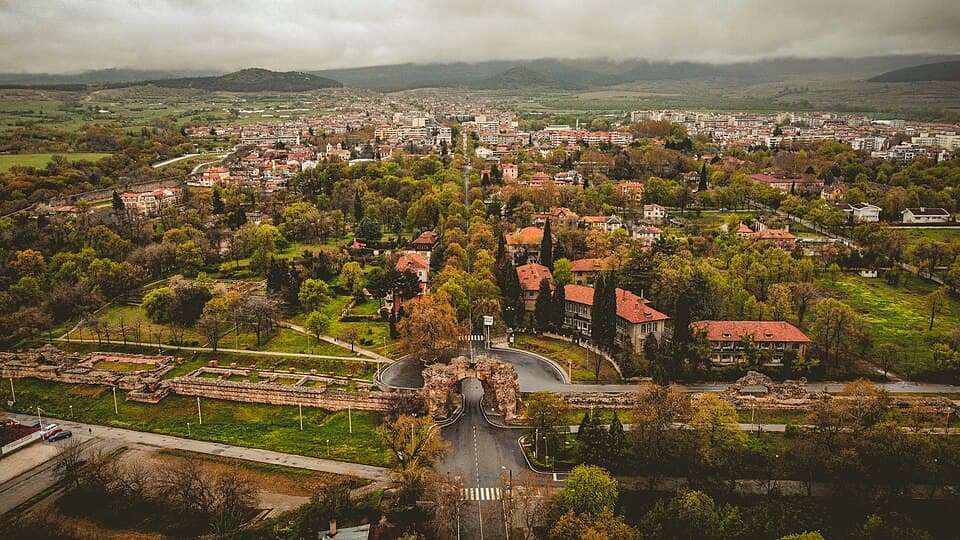
Hisarya or Pavel Banya for a spa weekend: Roman walls and mineral fountains, or a five-star spa base in the Rose Valley — tickets, parking, prices and which to pick.
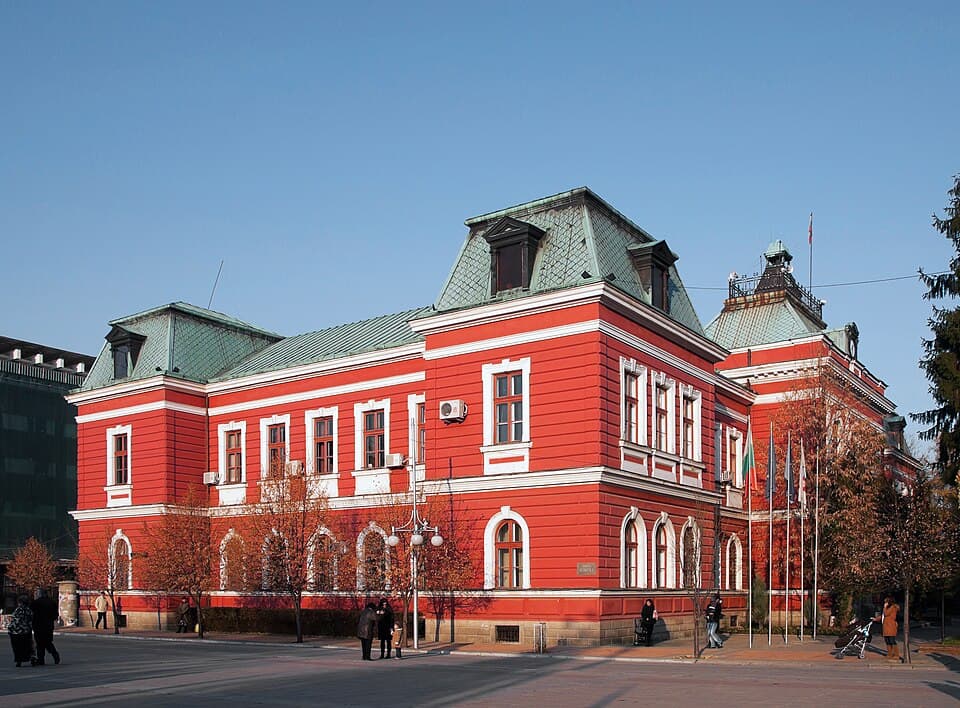
A weekend in Kyustendil: soaking in the Chifte Banya bathhouse, the Vladimir Dimitrov – Maystora gallery, Roman Pautalia, Hisarlaka fortress, Osogovo and what's nearby — getting there from Sofia.
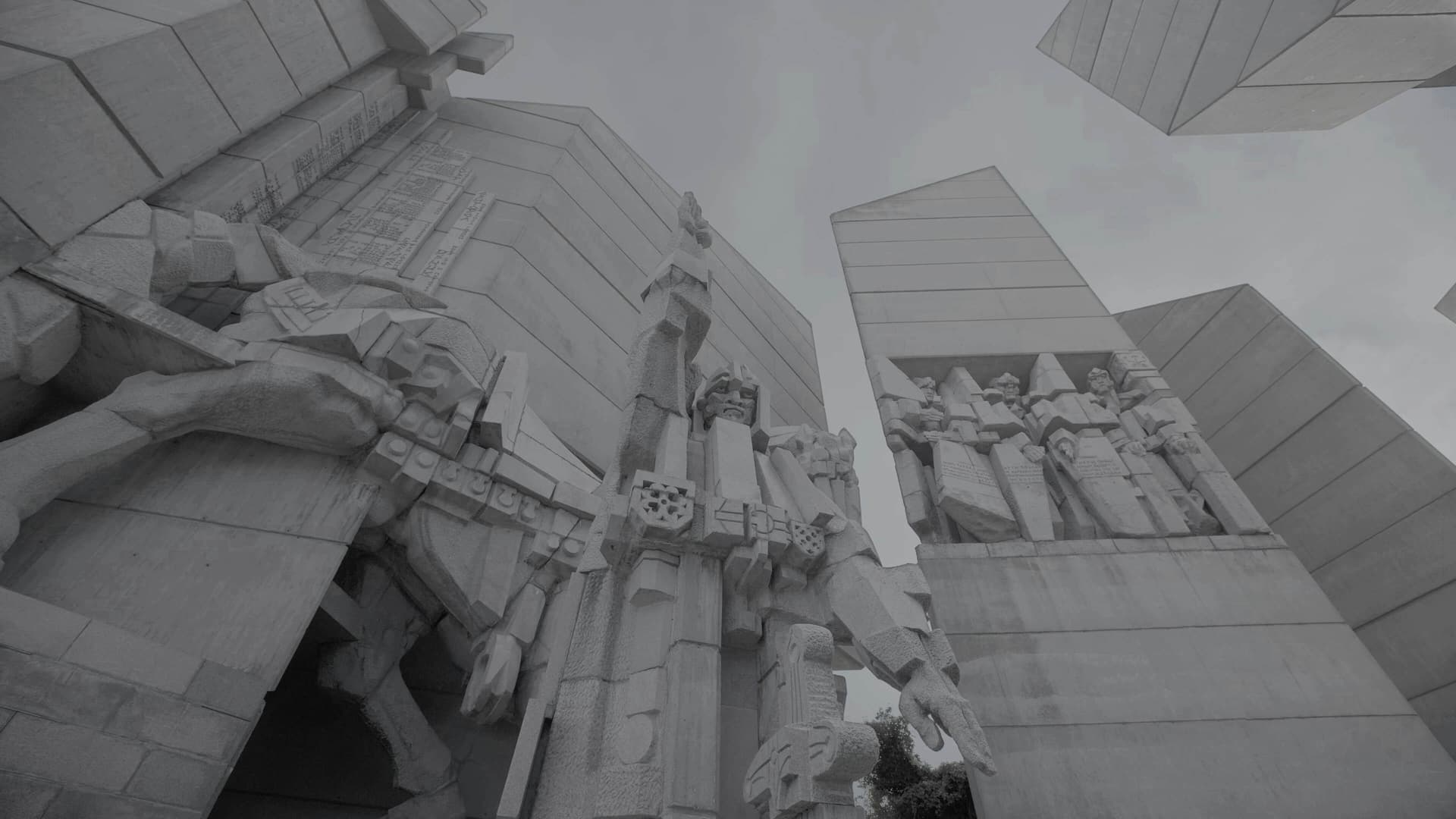
A weekend based in Shumen: the Madara Rider, Pliska, Veliki Preslav, Shumen fortress and the plateau monument — tickets, winter opening hours and a two-day route.
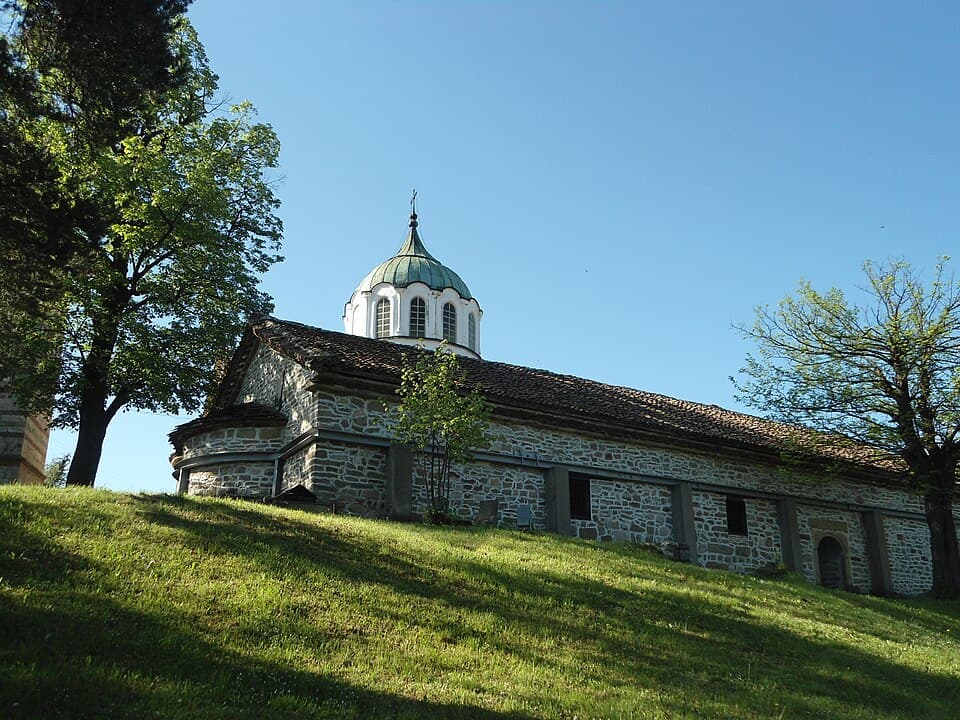
A weekend in Elena: the Daskalolivnitsa museum complex, Elena ham and its festival, the walk to Kapinovo Monastery, how to get there and when to go.

A spa weekend in Velingrad: getting there, where to soak after 1 October, Kleptuza spring, Lepenitsa cave, the narrow-gauge railway and what's nearby.
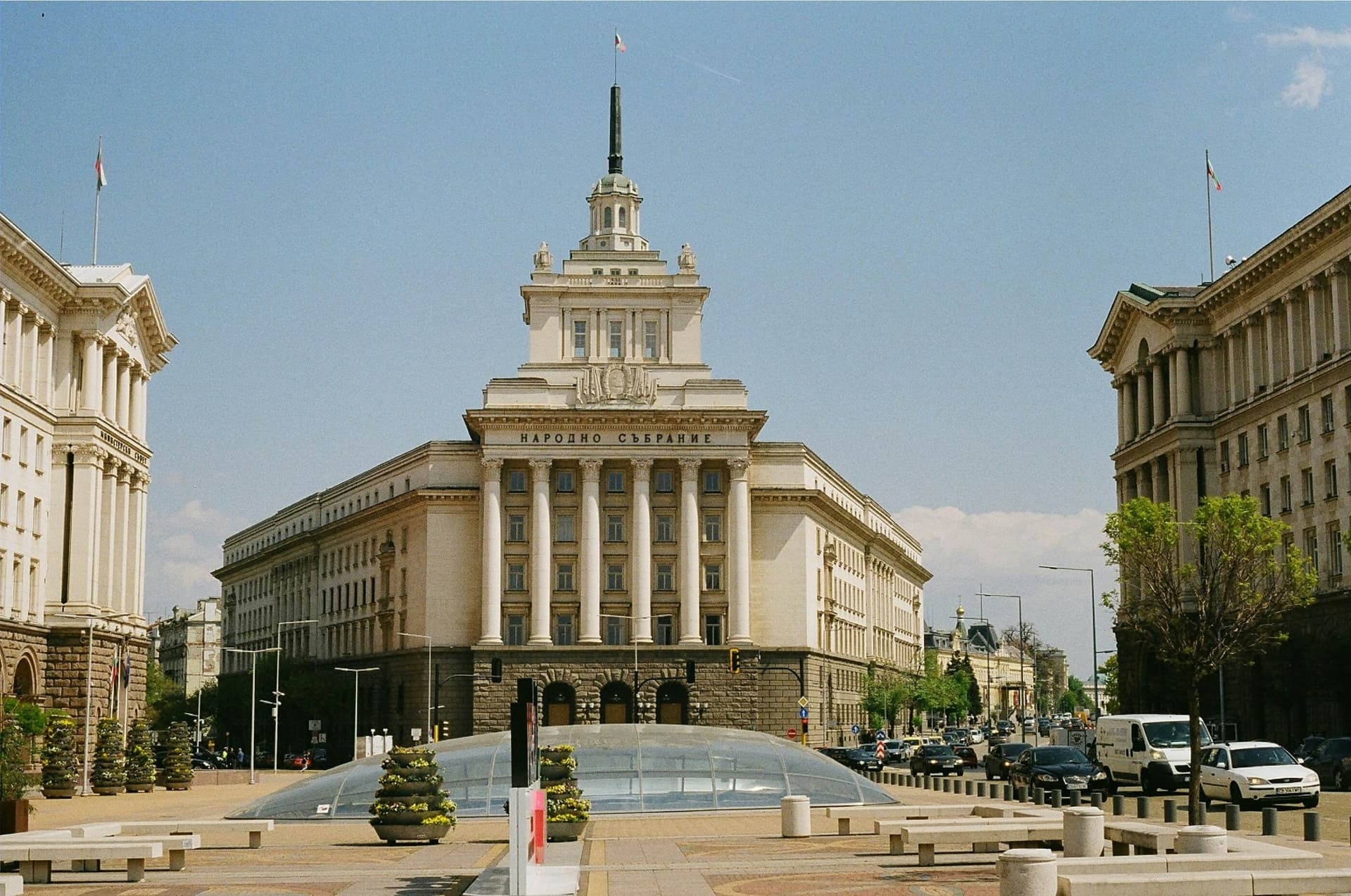
10 overnight weekend getaways within 2.5 hours of Sofia: mineral baths and spa towns, guest-house villages, winter walks and ski — with distances and transport.
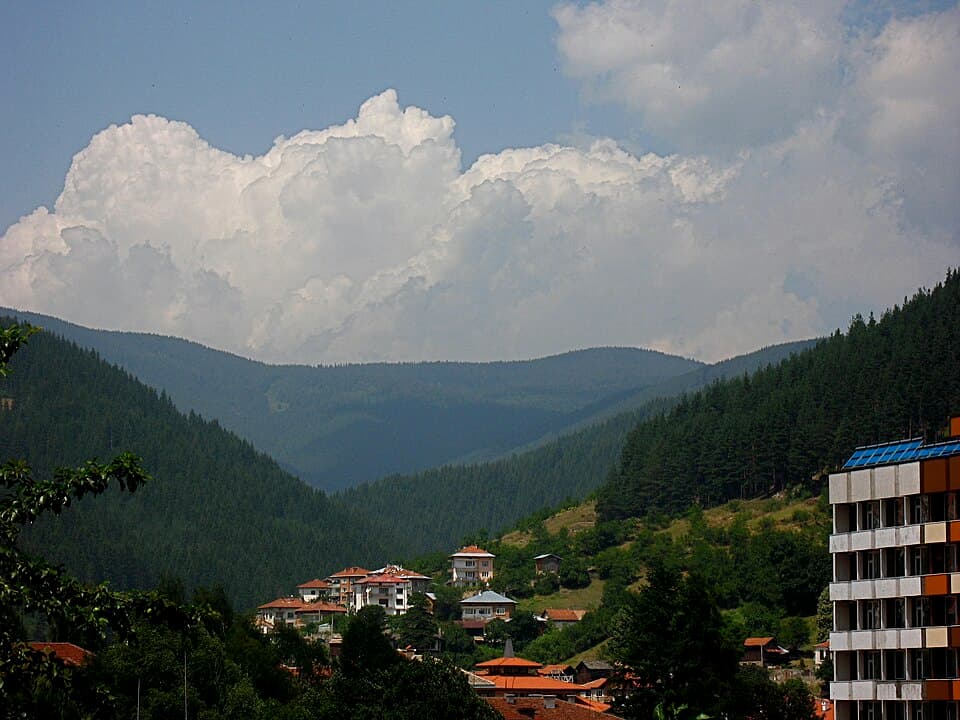
A practical guide to Chepelare: the Mechi Chal ski area, Snezhanka Peak, getting there from Plovdiv, parking, where to stay, and why it beats Pamporovo on price.
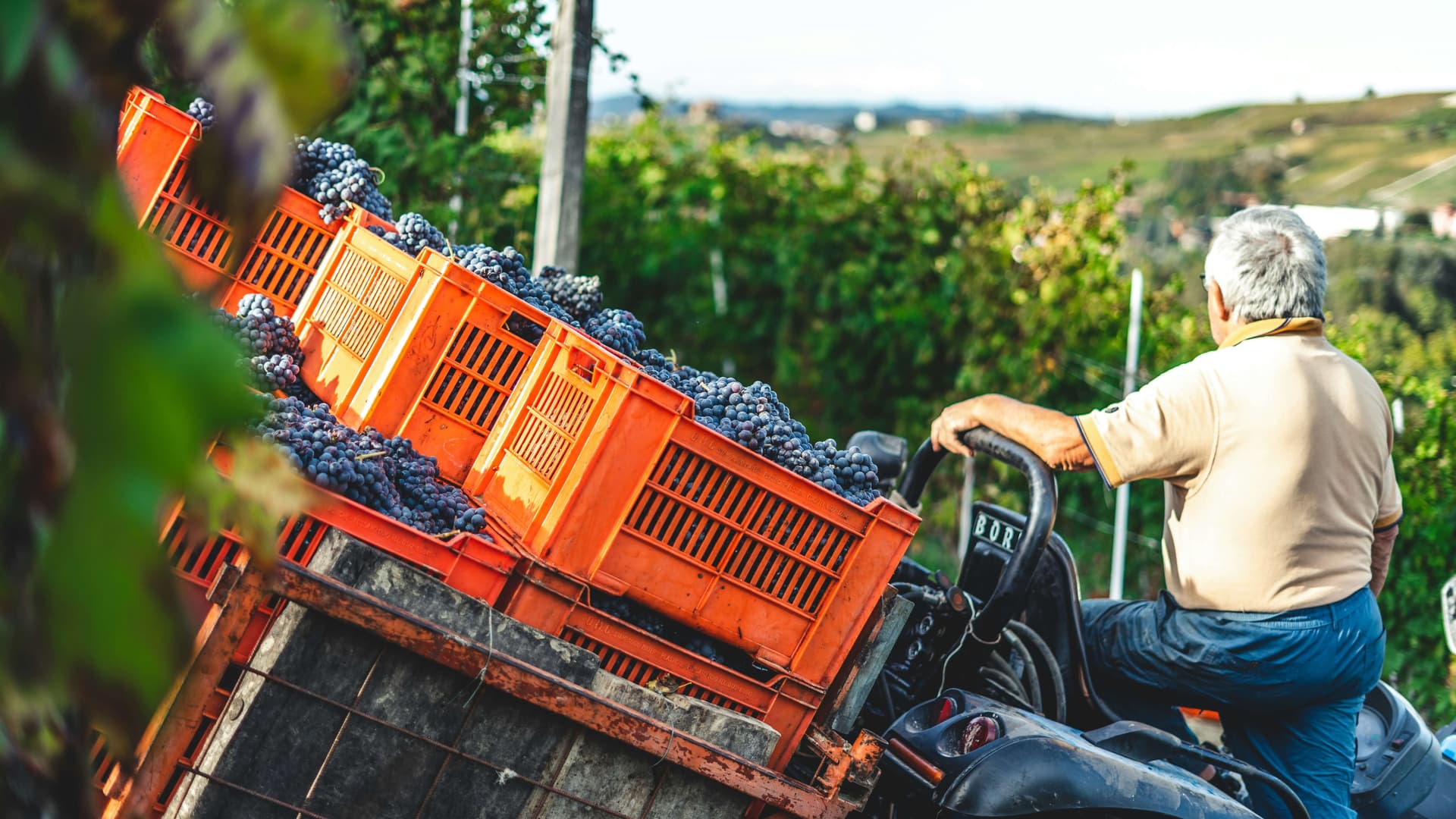
When the Bulgarian grape harvest happens, which wine regions to visit in September and October, how a harvest day works and what to book in advance.
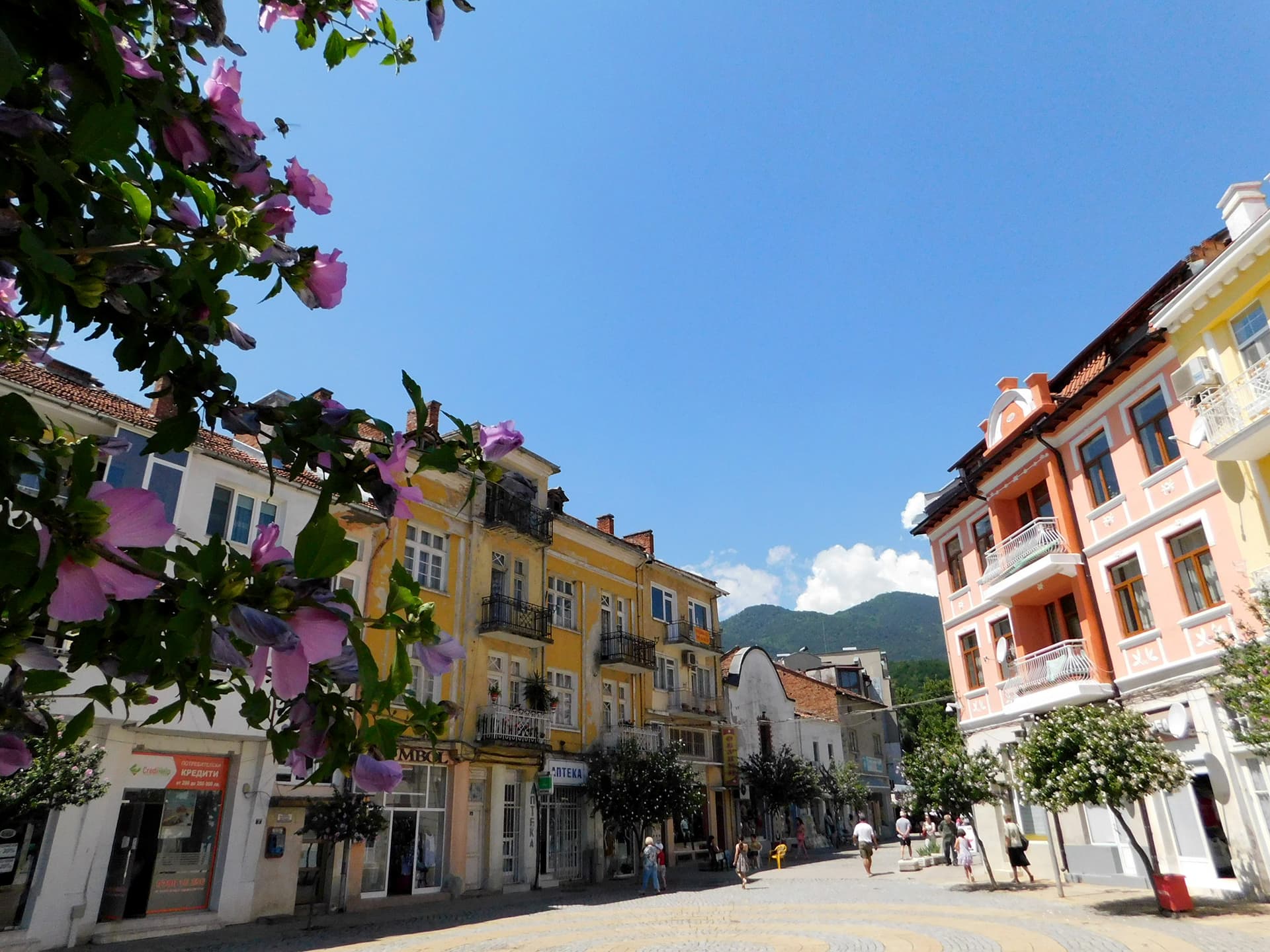
Roman ruins at Nicopolis ad Nestum, the stone villages of Kovachevitsa and Leshten, and Ognyanovo's hot springs — what to see around Gotse Delchev.
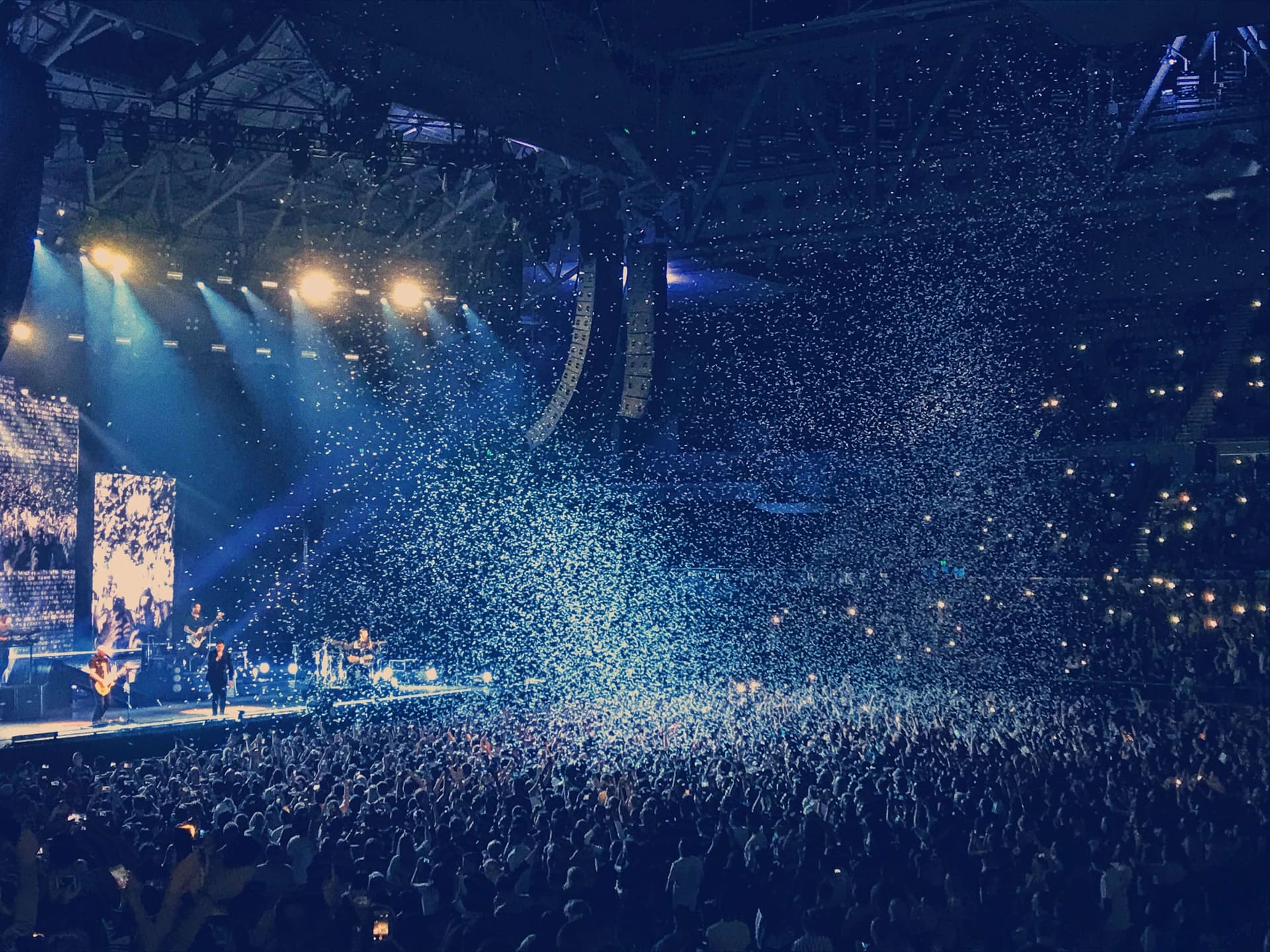
A practical, first-hand guide to Arena Burgas in Izgrev: seating plan, capacity, parking, transit from the city center, and late-night departure tips.
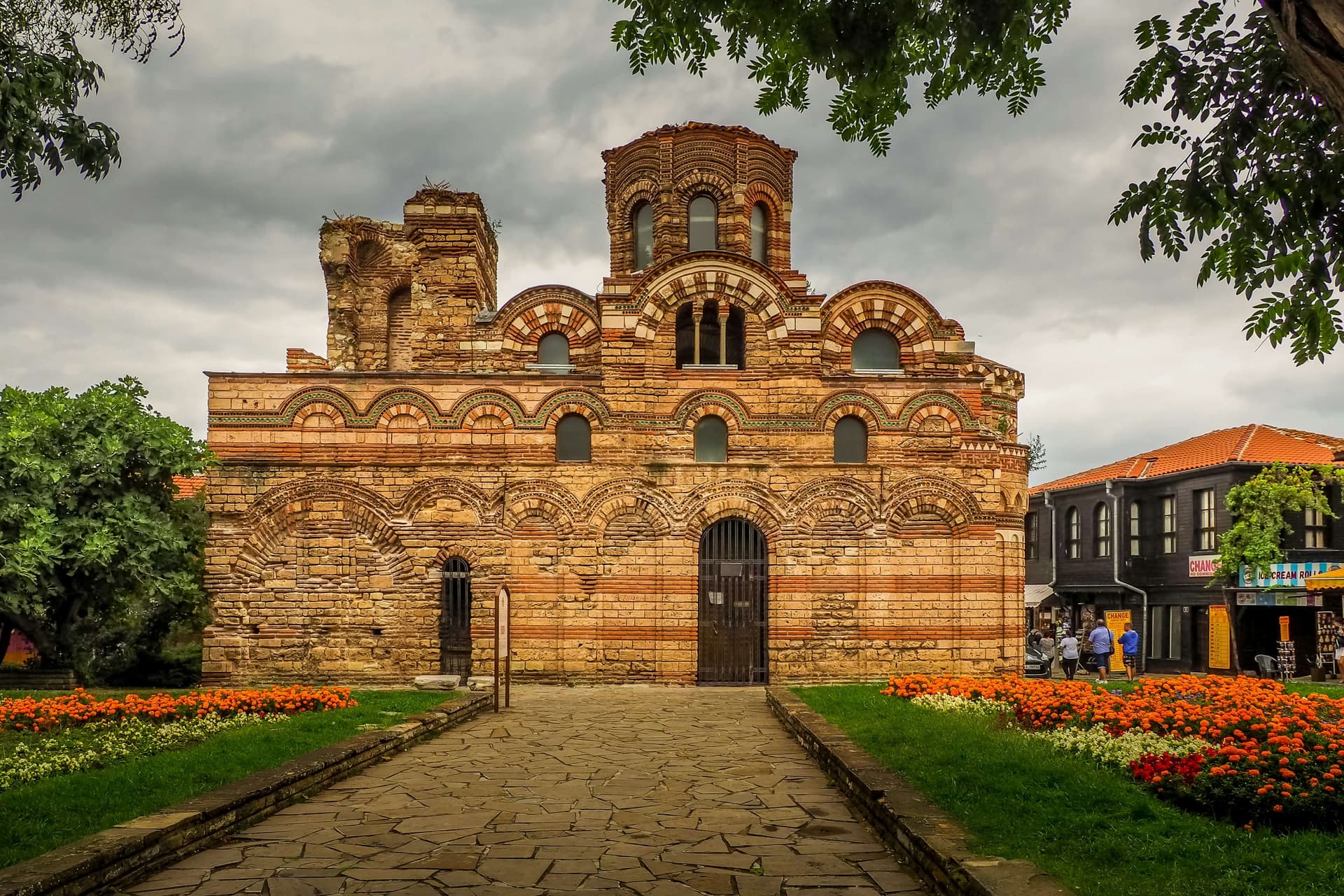
The best day trips from Burgas: Nessebar and Sozopol old towns, the Pomorie salt pans, Ropotamo reserve and Strandzha, with bus and driving tips.
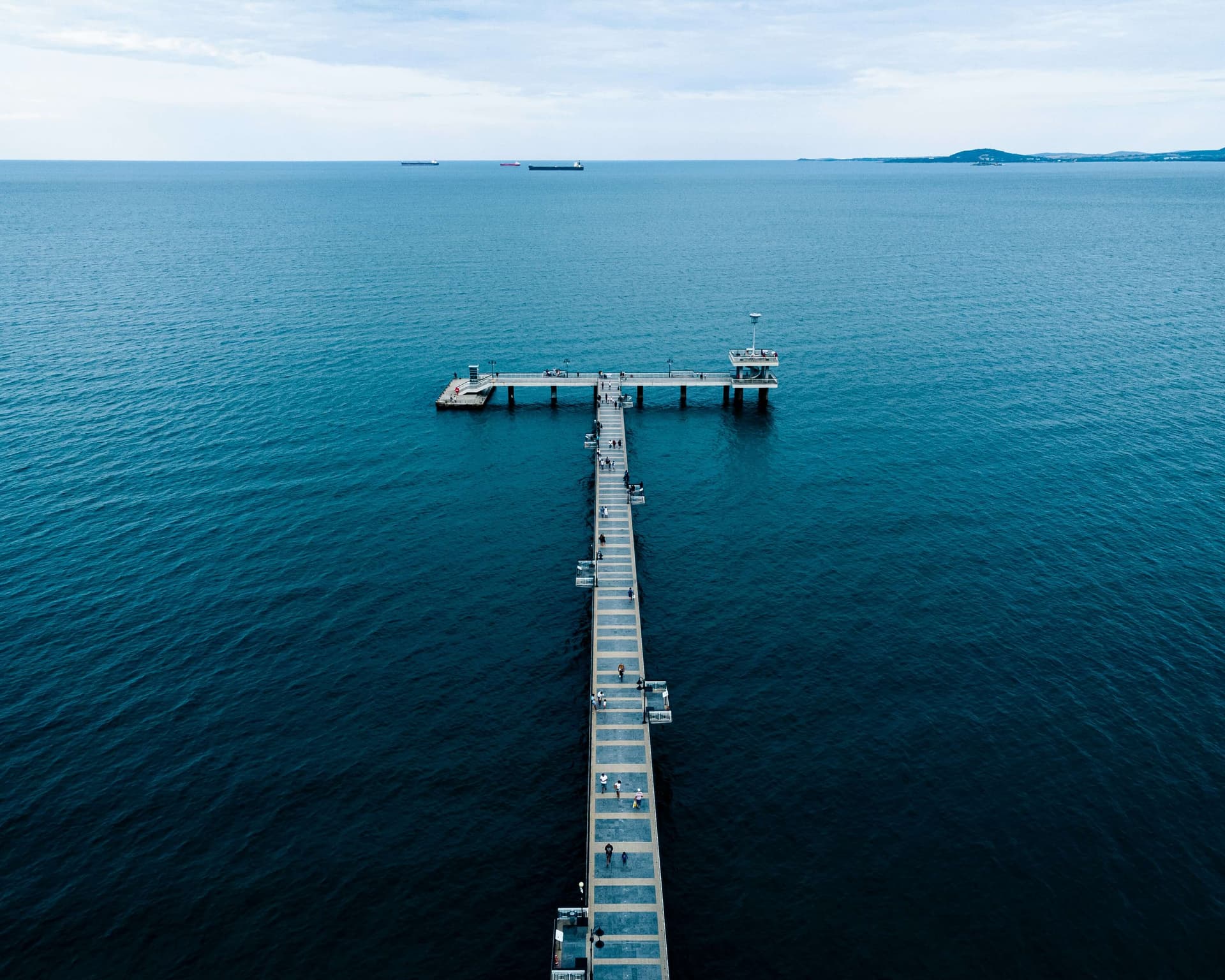
A guide to the Burgas Sea Garden: 5 km of coastal parkland, the pier, the city beaches, shoulder-season tips and flamingos at Atanasovsko Lake.

Planning to attend Eurovision 2027 in Burgas (10–15 May)? Discover the official dates, Arena Burgas capacity, ticket release timeline, and expert travel tips.
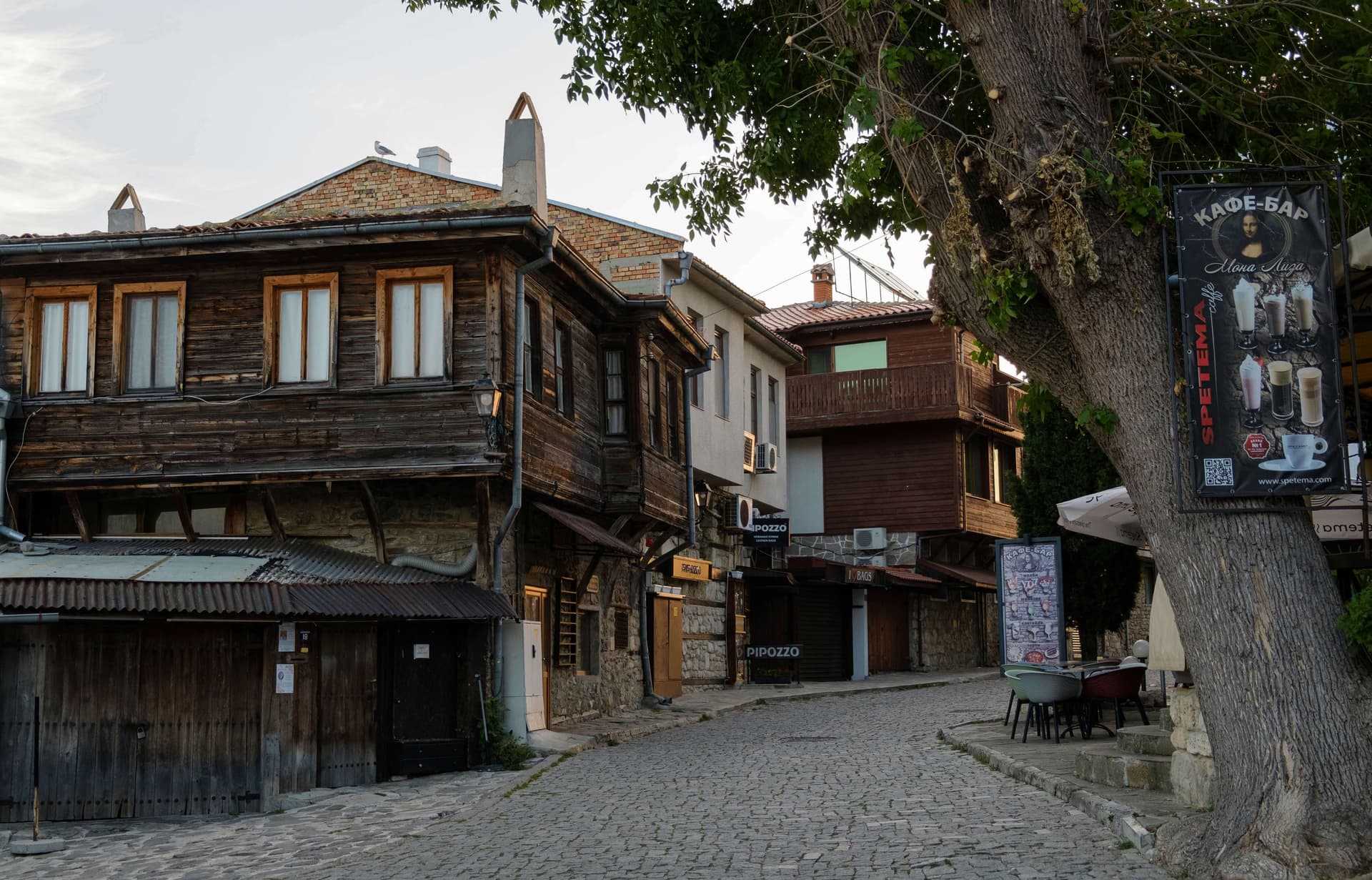
An expert day-by-day plan for Eurovision 2027 week in Burgas: semi-final dates, free-day coastal trips to Nessebar and Sozopol, fan zones, and late-night tips.

Eurovision 2027 tickets in Burgas: the nine ticketed shows, how preview rehearsals work, Eurofan registration, ticket tiers and avoiding scams.
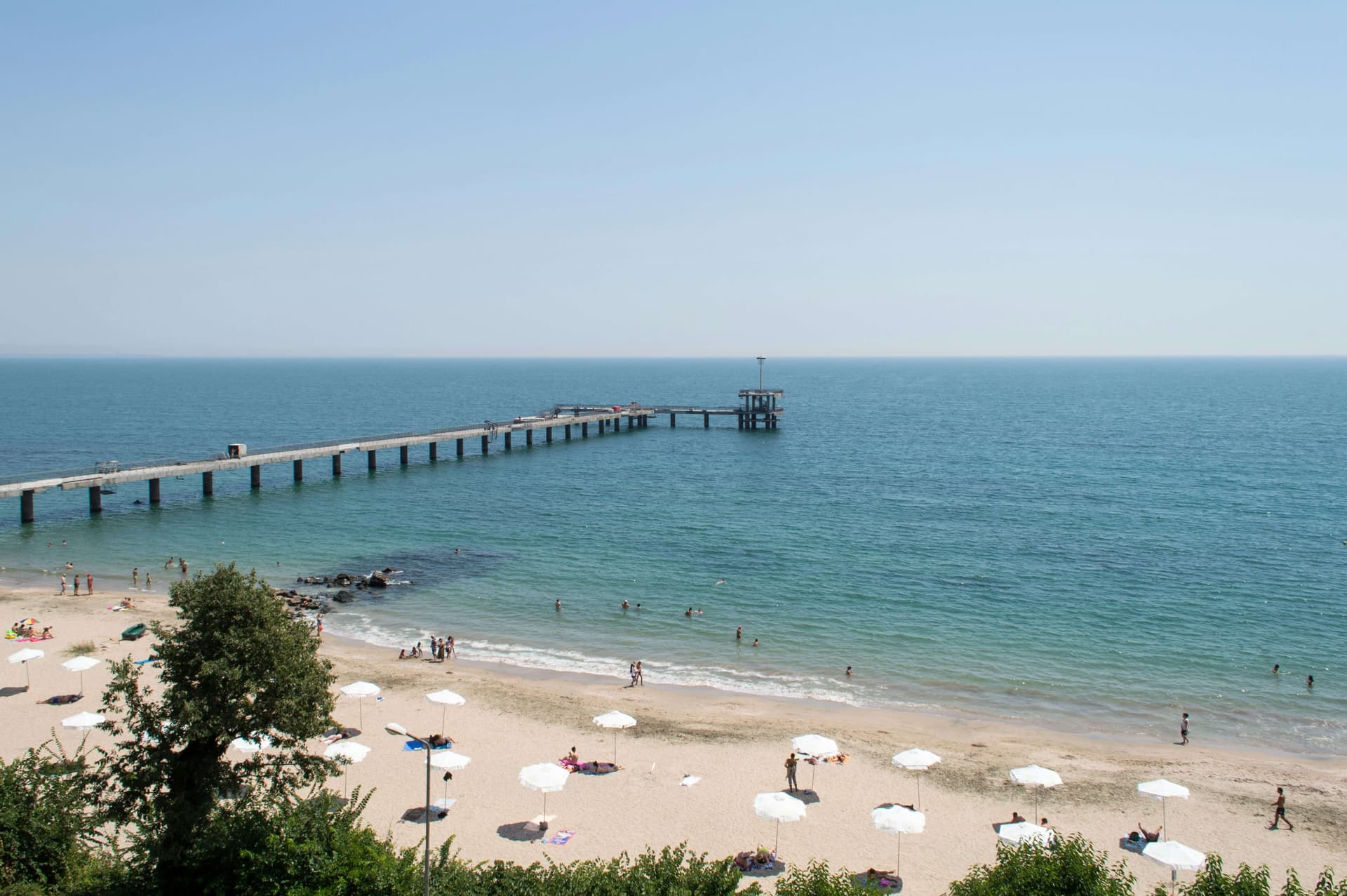
How to get around Burgas without a car: Burgasbus routes, the South and West terminals, buses to Sunny Beach and Nessebar, taxis and bike hire.
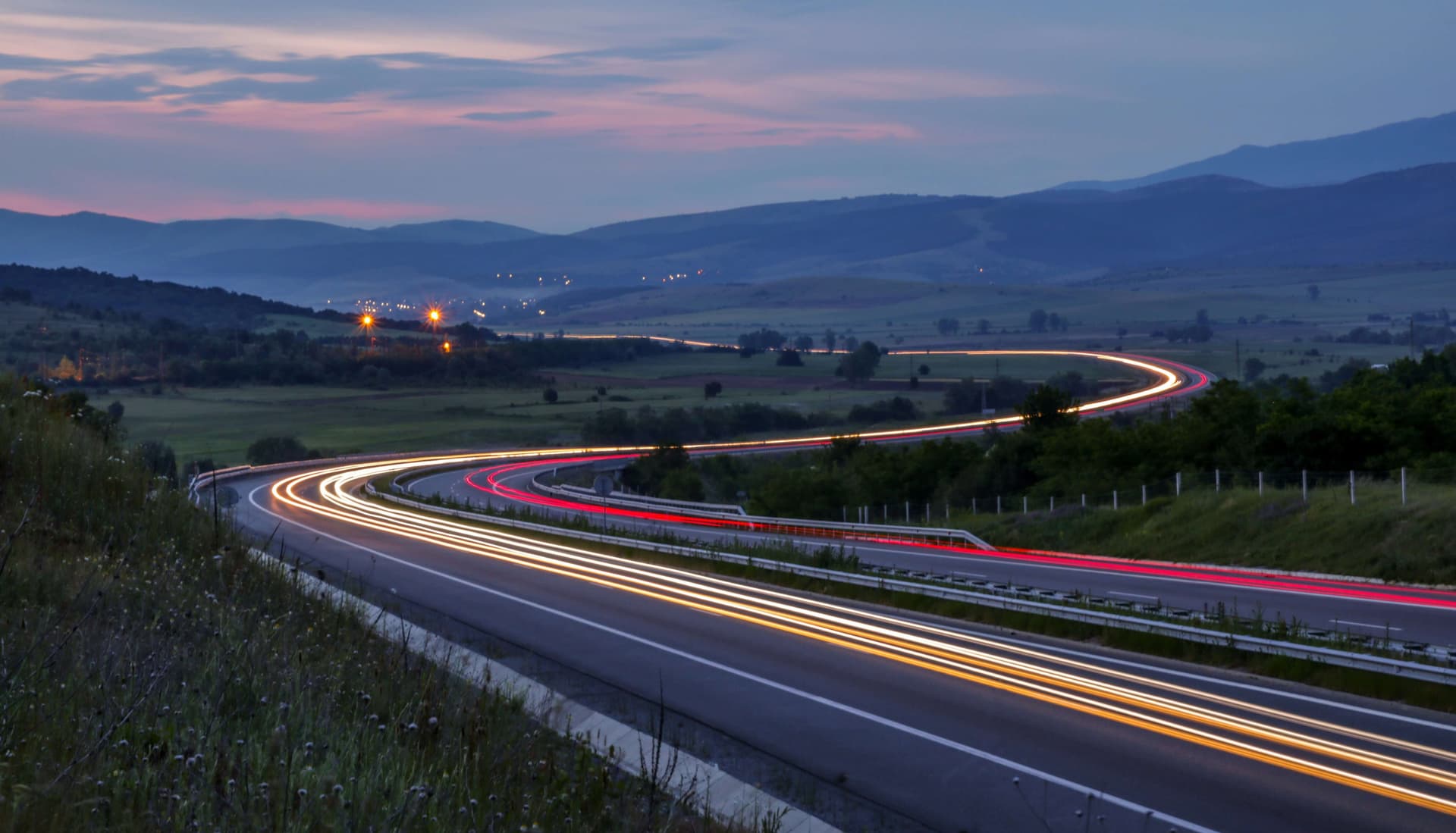
The best route to Burgas for Eurovision 2027: direct flights to Burgas Airport (BOJ), the Varna alternative, and trains or buses from Sofia.
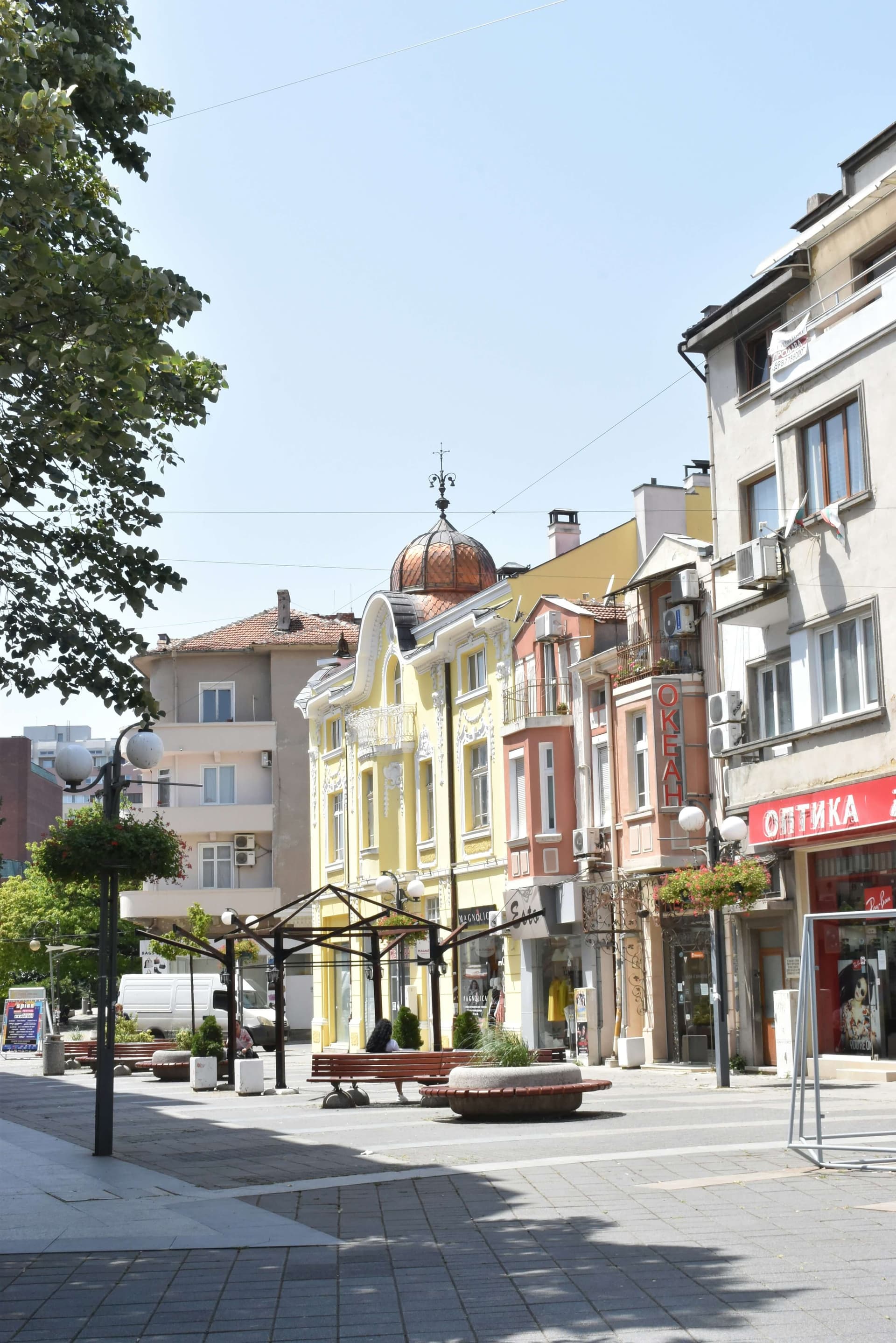
A complete food guide to Burgas by area: the Sea Garden promenade, the pedestrian center, Krasnodar market, authentic Black Sea seafood, prices, and late-night tips.