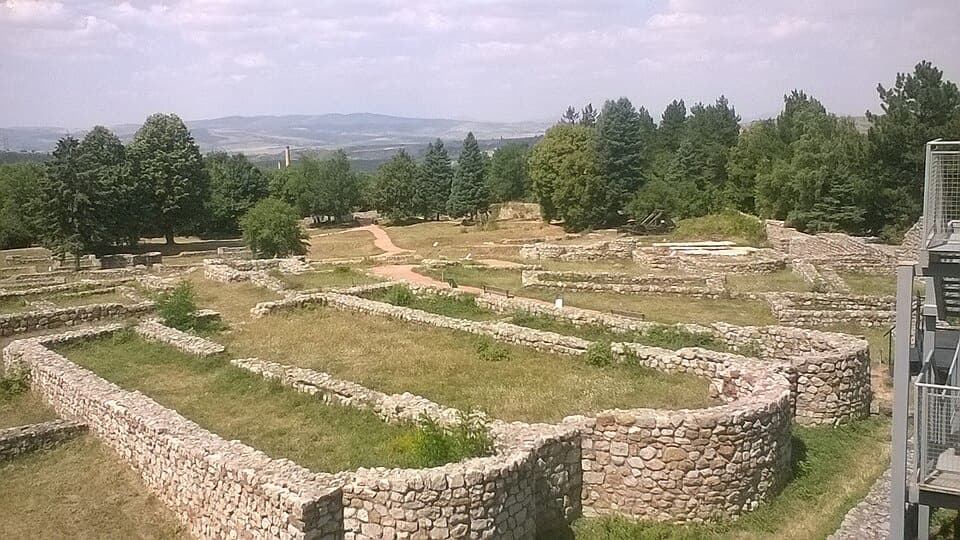
The medieval fortress of Krakra stands on a small rocky plateau in the southwestern part of Pernik — a site chosen purely for strategy. It commands the valley, and the town and its surroundings lie open below. This was one of Bulgaria's major fortresses: the walls enclose roughly 5 hectares, with a perimeter of nearly 800 metres. The fortress carries the name of Krakra of Pernik, a military commander whom Byzantine chronicles describe as an upright and honest man who would not tolerate bribery and was always thoroughly prepared for war. He held a further 35 fortresses in the region and conducted independent military campaigns against the Byzantine Empire. It was his resistance that made Pernik famous. A short history Historians place the fortress's construction after 809 AD, when Khan Krum brought the lands of present-day Sofia and its surroundings into Bulgaria. The site, though, was occupied far earlier — excavations have uncovered a small Thracian settlement beneath the fortress. After the fall of Preslav in 971, the centre of Bulgarian statehood shifted west. The Kometopouloi brothers — David, Moses, Aron and Samuel — established themselves in Skopje and Macedonia, and the region around Pernik was governed by Aron, commander of the defence of Serdica and a participant in the Battle of the Gates of Trajan, where Emperor Basil II's army was routed. From 997, under Tsar Samuel, command of the fortress passed to Krakra. Over the following two decades Basil II the Bulgar-Slayer led repeated campaigns against Bulgaria, but Pernik Fortress held — the most celebrated chapter in its history. Krakra surrendered only after 1018. The fortress remained in use afterwards: the campaigns of Peter Delyan (1040) against Michael IV the Paphlagonian and of Georgi Voyteh and Constantine Bodin (1072) against Michael VII both passed through it. It is thought to have served a defensive role again before the armies of the Third Crusade (1189–1192) crossed these lands. The destruction wrought by Stefan Nemanja's campaign in 1189 ended its life — the fortress was abandoned and never used again. What you'll see today The site has been substantially redeveloped and is far more than a pile of stones on a hilltop. - The corner tower and the West Gate have been reconstructed in contrasting modern materials, so you can read their true scale. - An observation tower built on the site. - Catapults and siege engines — reconstructions of medieval siege machinery, reached by well-built paths. This is the part that usually wins over children. - Panoramic platforms mounted on the fortress walls, giving a bird's-eye view over the whole of Pernik and the surrounding countryside. - All approaches to the fortress have been repaired, and the road up to it fully renovated. Excavations are still ongoing, so there may well be something new on your next visit. Opening hours and prices - Winter hours (1 October – 30 April): Monday to Sunday, 8:30 – 17:00. - Summer hours (1 May – 30 September): Monday to Sunday, 8:30 – 18:00. Entry is free — there is no admission charge. Guided talk: BGN 10.00 / €5.11. The fortress is open every day, weekends included. Practical notes - An hour and a half is enough for an unhurried visit taking in the platforms and reconstructions. With a guided talk, allow about two hours. - The paths are well built, but the ground is still a rocky plateau — wear shoes you can walk in, not sandals. - The wall platforms are the best spot for photographs; come late afternoon, when the light rakes across the town. - There's no shade anywhere on the plateau. In July and August, avoid the middle of the day. - For children, this is one of the most rewarding historical sites in the region — the catapults do work no information board ever could. Nearby - The Underground Mining Museum in Pernik — the only one of its kind in Bulgaria, set in a real mine gallery. - The Surva festival — the international masquerade games festival takes place in Pernik in late January and is the city's biggest event. - Zemen Monastery, with its unique frescoes — about half an hour away.
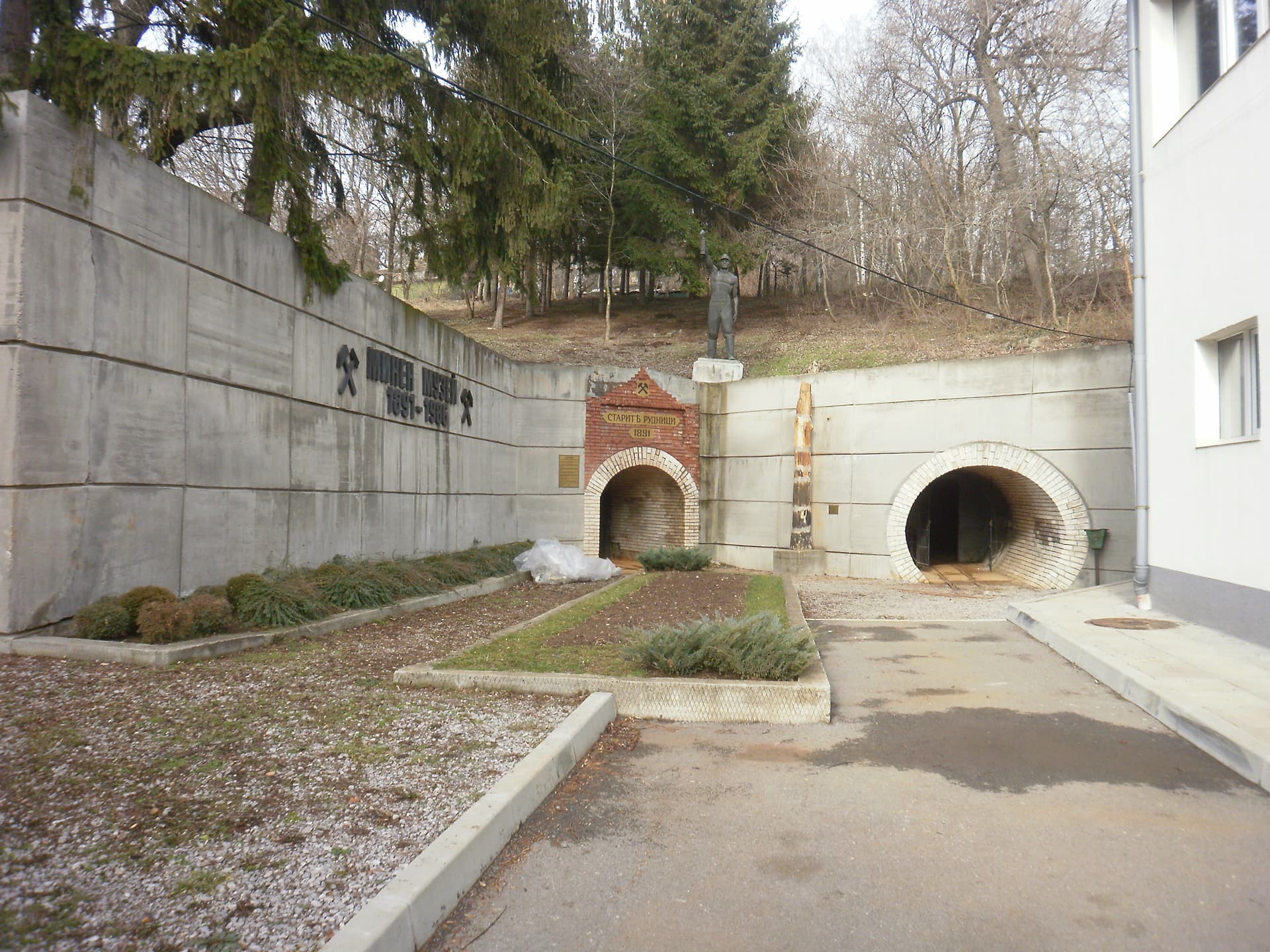
Pernik
2.0 km away
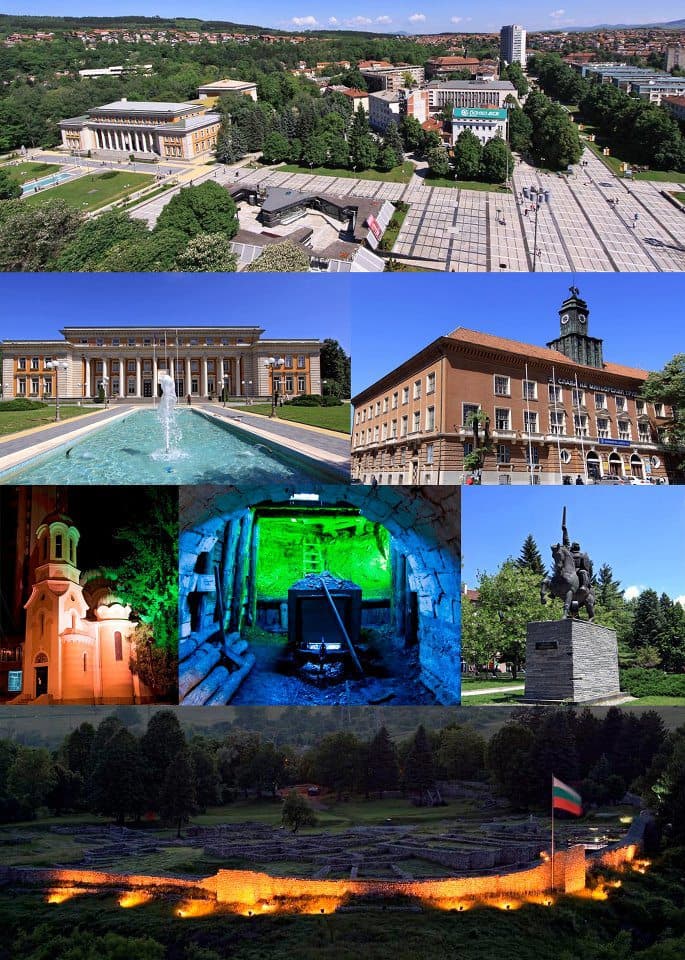
Pernik
2.0 km away

Pernik
10.8 km away
Sofia City
13.5 km away
Krakra Fortress is located in Pernik, Bulgaria.
Krakra Fortress is most easily reached by car. Use the coordinates above to navigate, or open the location in OpenStreetMap or your preferred maps app for turn-by-turn directions. Public transport options vary by region — for remote destinations a rental car gives the most flexibility.
Krakra Fortress can be visited year-round. Spring and autumn offer the most pleasant conditions for exploring, with mild temperatures and fewer crowds. Summer is ideal for photography and longer day trips; winter visits are possible but weather can limit access at some sites.
Most natural landmarks in Bulgaria are freely accessible and open year-round, though some sites have entrance fees or require a guide. Wear sturdy footwear and bring water, as the terrain can be uneven. Respect any protective barriers and stay on marked paths to preserve the site.