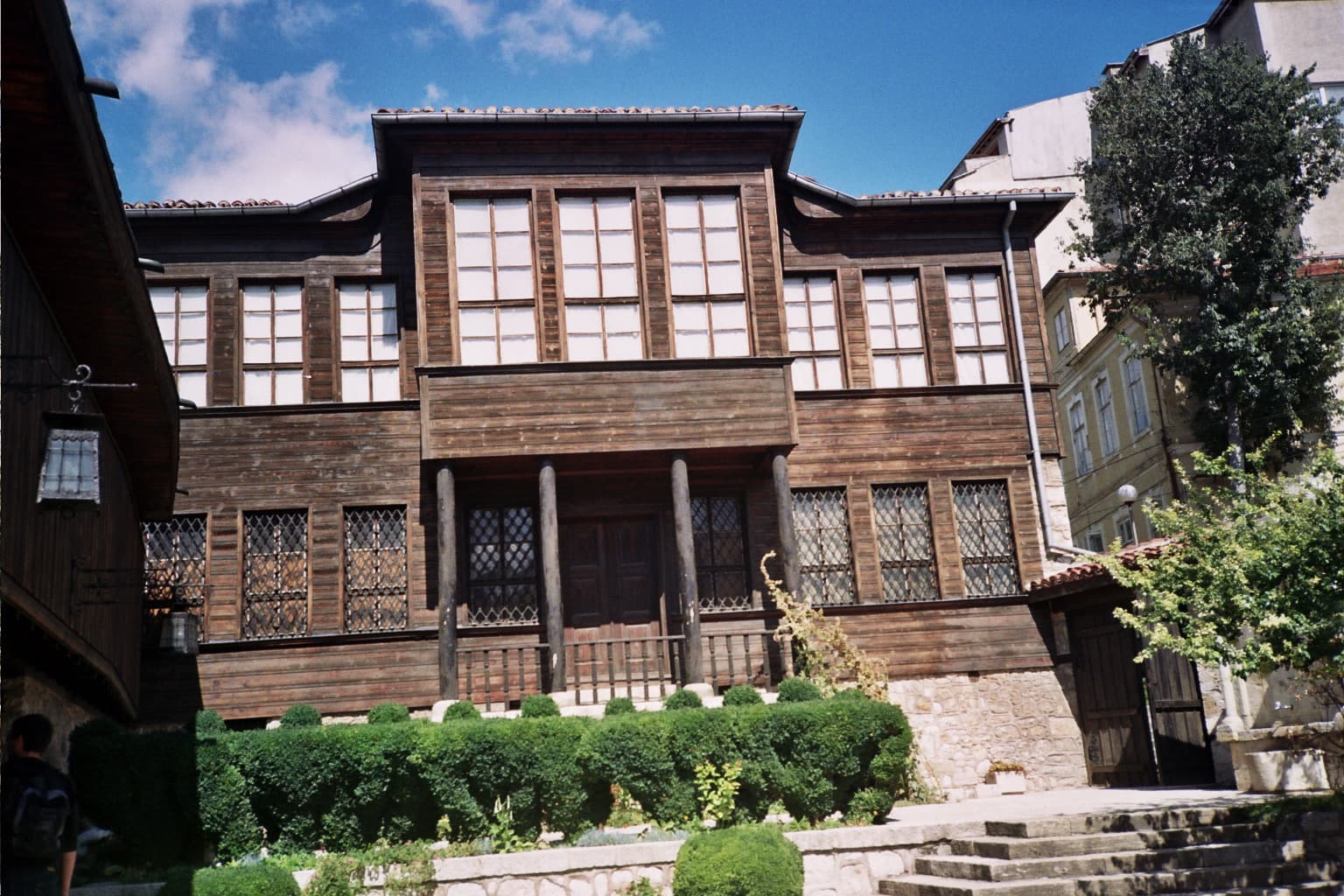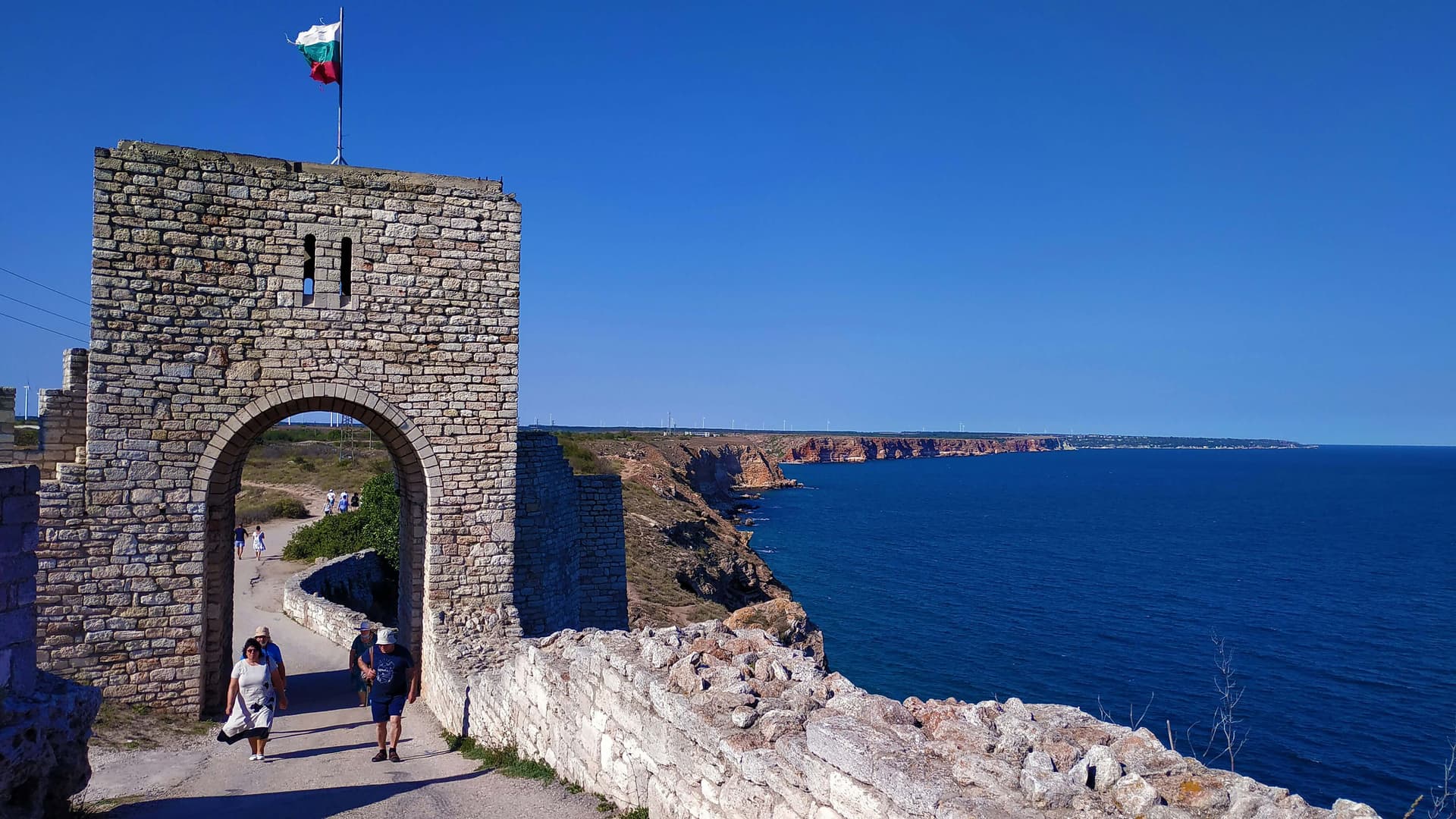
Cape Kaliakra is one of the most dramatic and strategically important headlands on the northern Bulgarian Black Sea coast. Extending 2 km into the open sea, this long, narrow peninsula marks the southeastern edge of the Dobrudja Plateau. Kaliakra is a strictly protected nature and archaeological reserve, listed among the 100 National Tourist Sites of Bulgaria. The cape is an avian sanctuary where the European shag nests, and the surrounding waters are a frequent playground for wild dolphins.
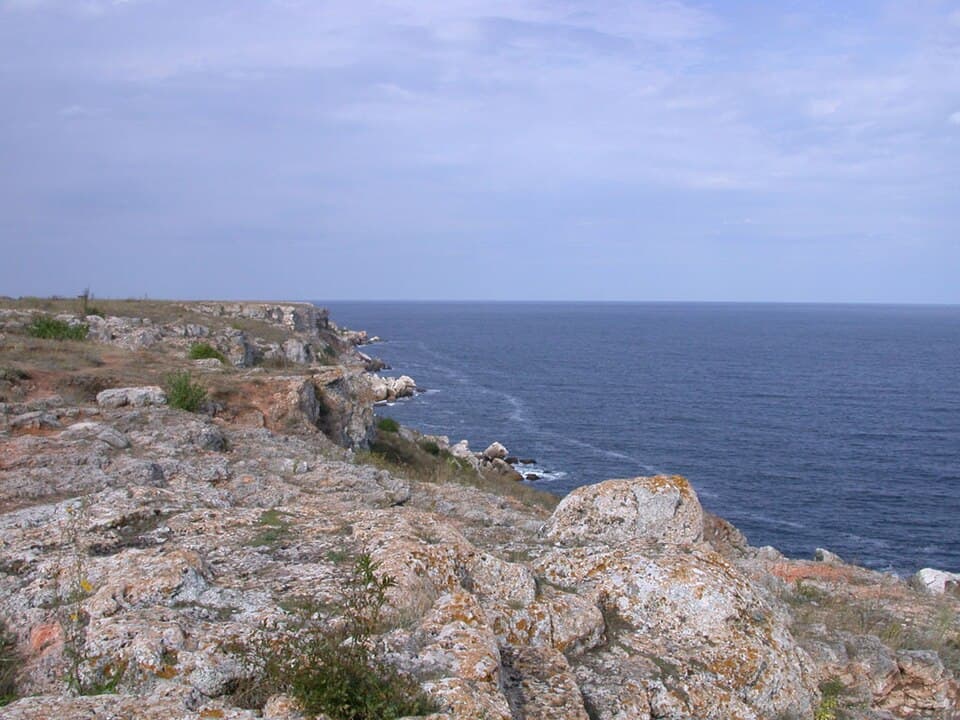
The topography of Cape Kaliakra is defined by its sheer coastal cliffs dropping 70 meters straight down into the sea:
Two powerful tales dominate the folklore of Kaliakra, deeply capturing the imagination of travelers:
Because of its deep thrust into the Black Sea basin, Kaliakra has been essential for maritime navigation since the 13th century:
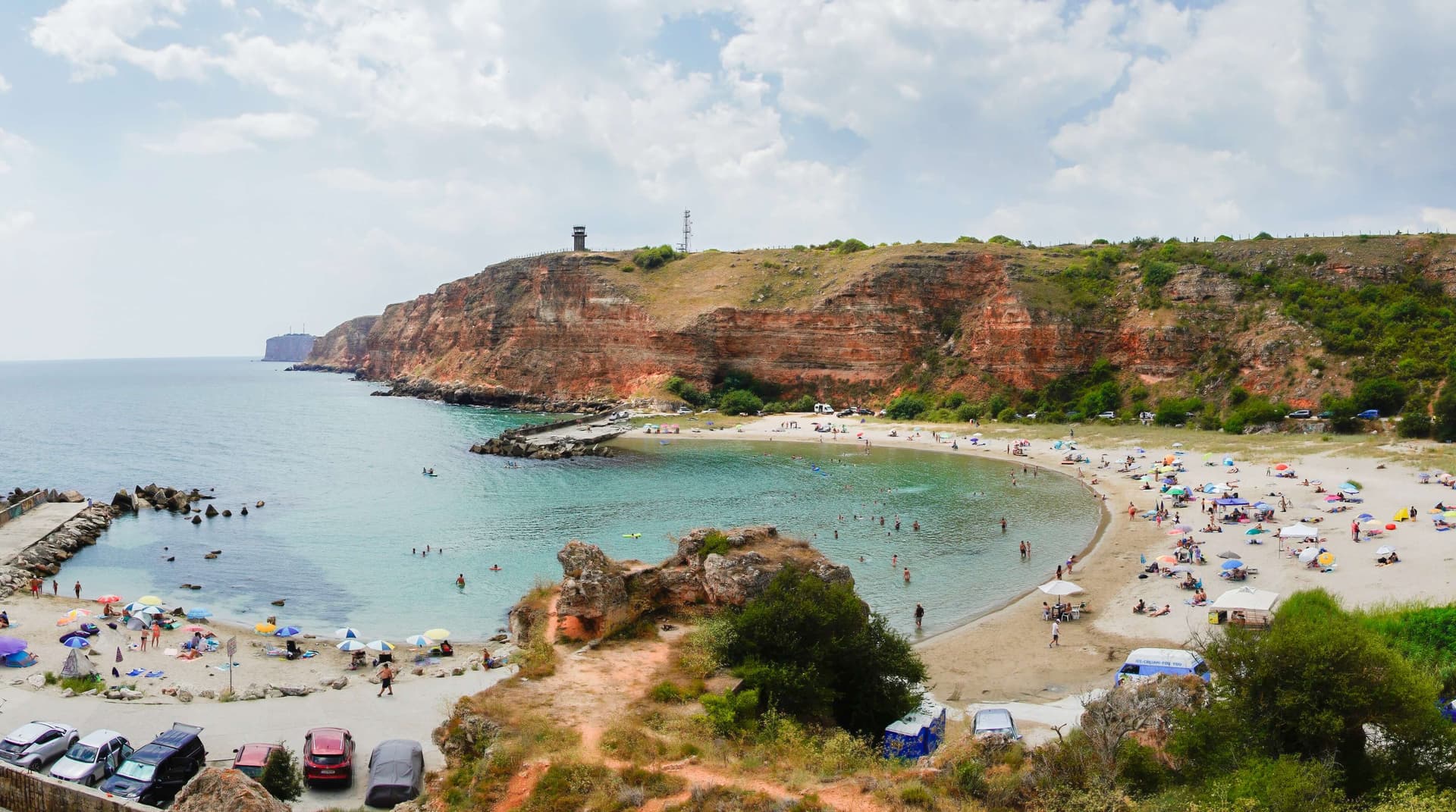
Dobrich region
1.4 km away

Dobrich region
6.8 km away
Dobrich region
9.1 km away

Dobrich region
12.5 km away
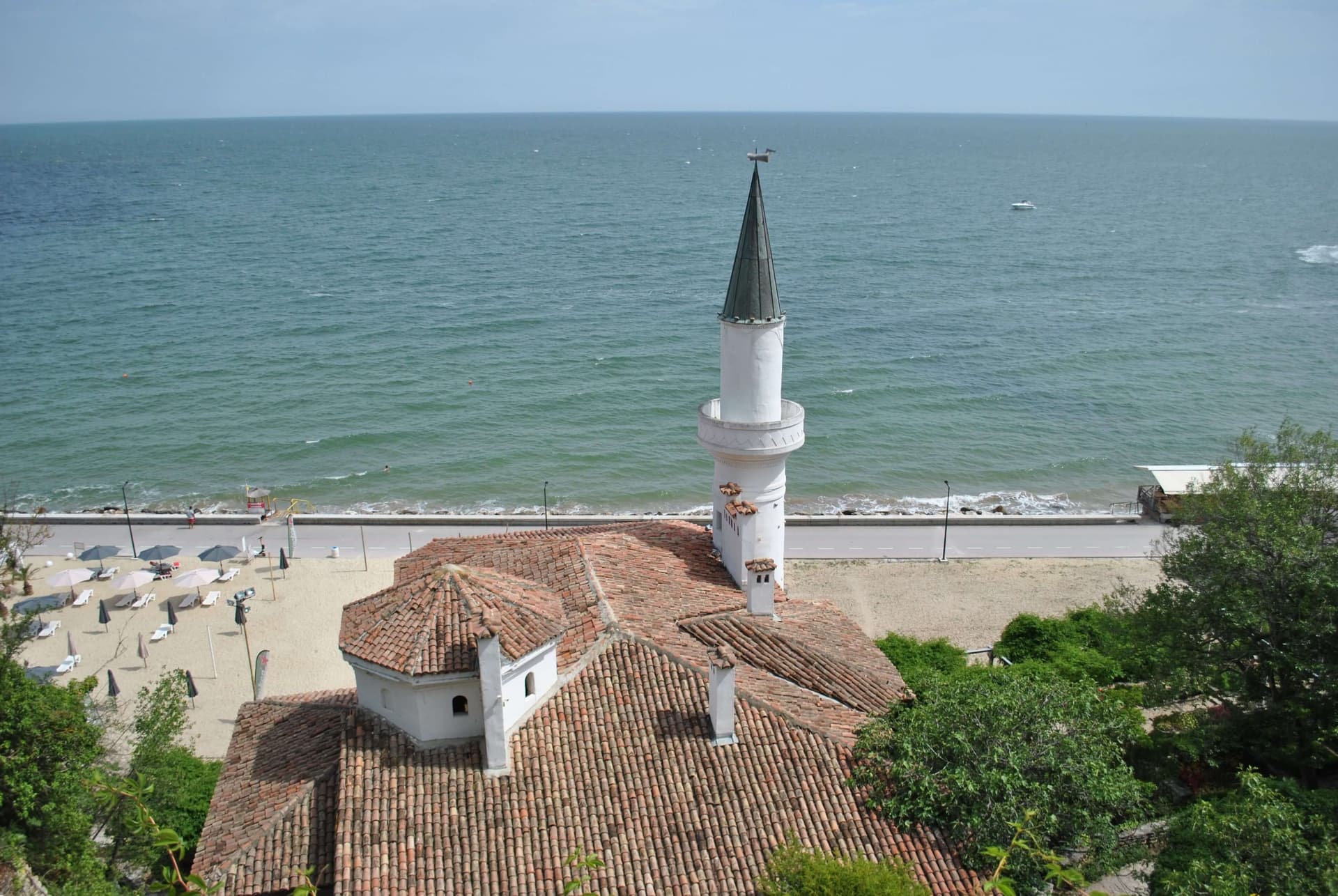
Discover Balchik: Queen Marie's Palace, the famous seaside Botanical Garden and cacti, ticket prices, parking tips, why the beach isn't here, and where to stay.
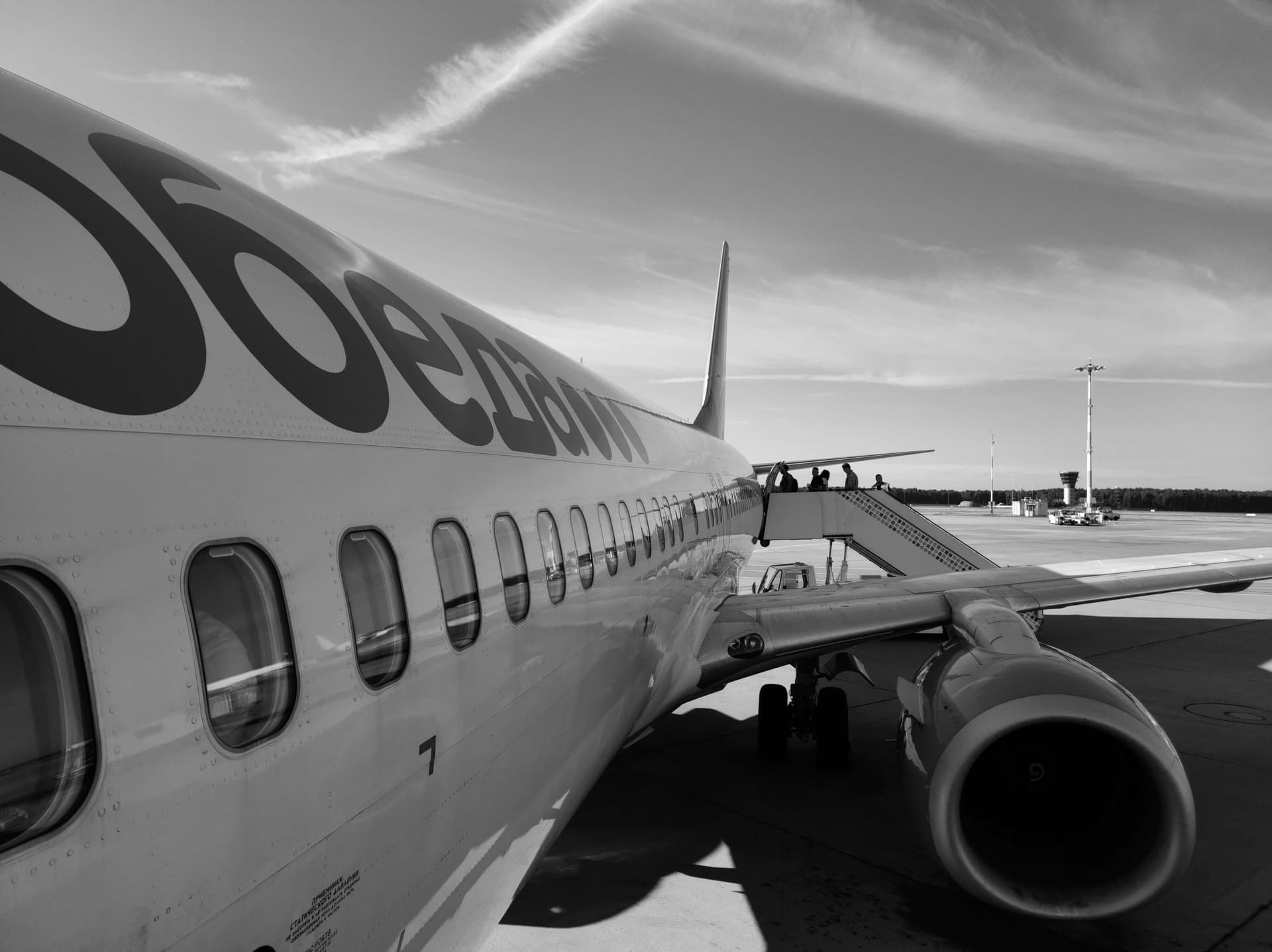
Bus 409 reaches central Varna in 20 minutes for about €1 and Golden Sands in 50. Zoned fares, the two operators to tell apart, and taxi costs.
Planning a day trip from Varna? Discover the best itineraries: Balchik Palace, Cape Kaliakra, Aladzha Monastery, the Madara Rider, Pliska, and Pobiti Kamani.
Kaliakra Reserve is located in Dobrich, Bulgaria.
Kaliakra Reserve is most easily reached by car. Use the coordinates above to navigate, or open the location in OpenStreetMap or your preferred maps app for turn-by-turn directions. Public transport options vary by region — for remote destinations a rental car gives the most flexibility.
Kaliakra Reserve can be visited year-round. Verify current opening hours directly with the museum before your visit, as schedules change seasonally and on public holidays.
Opening hours and admission fees vary, and most Bulgarian museums close one day per week (commonly Monday). Verify current schedules and prices directly with the museum or the local tourist information office before visiting Kaliakra Reserve, especially on public holidays.