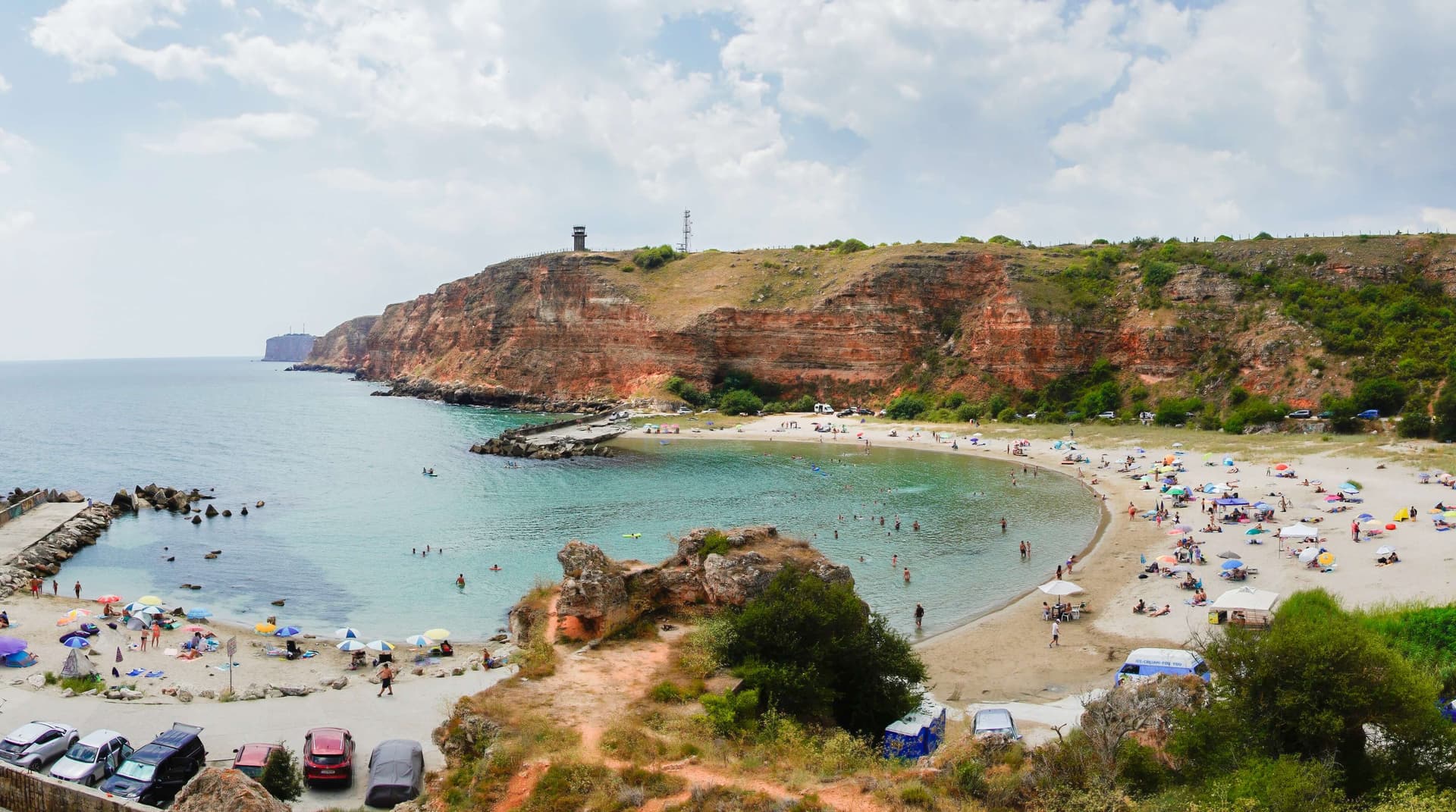
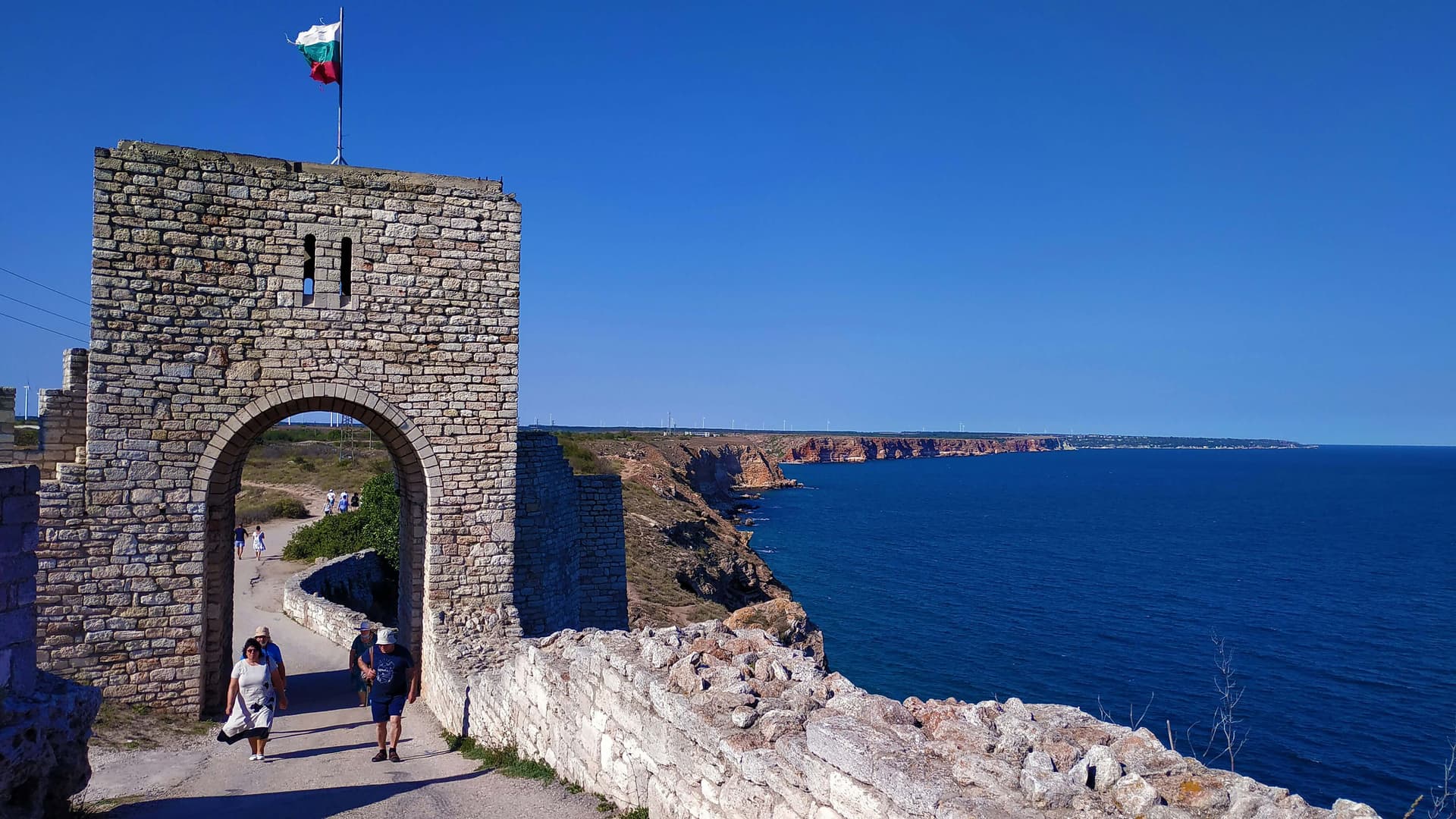
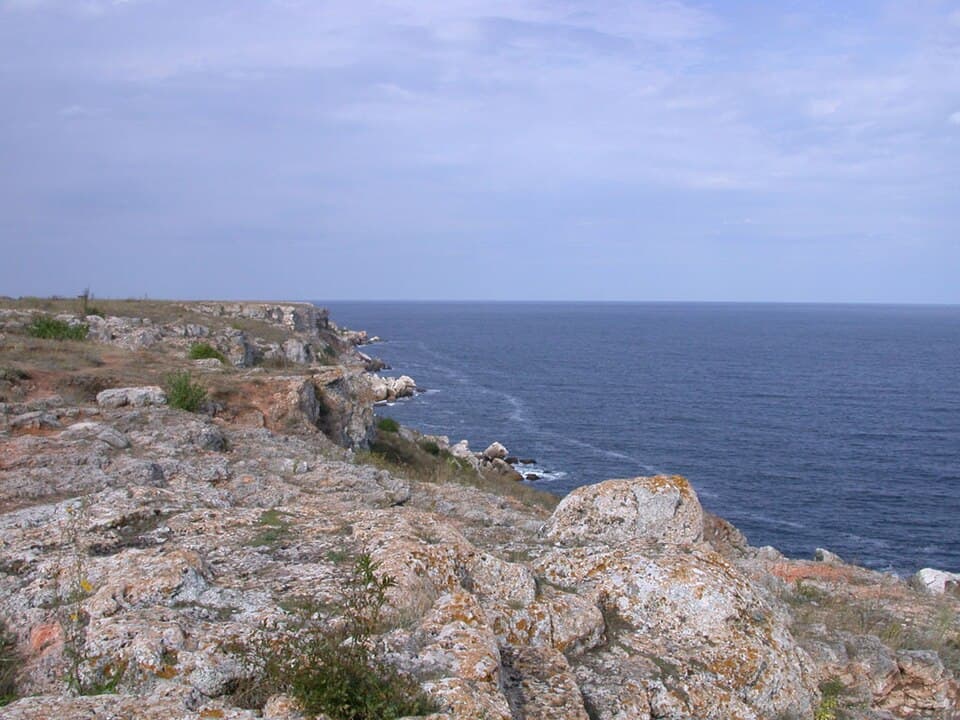
Bolata is an exceptionally beautiful and picturesque locality situated on the shores of the matching marine bay, operating as an official component of the strict Kaliakra Nature Reserve. The site is located in the northern territory of the Bulgarian Black Sea coast, in immediate proximity to the village of Balgarevo, Kavarna Municipality, and near the perimeter of a former military station. The locality represents a specialized wetland holding immense international importance for the conservation of several dozen rare and endangered flora and fauna species. The sandy beach here is of entirely natural origin, standing out as a unique natural phenomenon against the high, vertical limestone cliffs characterizing the entire coastline of Cape Kaliakra. Hydrological System and Geological Formations In geographical terms, a minor mountain stream carves a narrow, deep canyon before draining directly into the Bolata Swamp, widely recognized across scientific circles as the Bolata Lake. This unique wetland extends across a total land area of 23 hectares and is heavily enveloped by a massive belt of marsh reeds. The monumental limestone cliffs surrounding the entire bay amphitheatrically exhibit a distinct and pronounced crimson to rusty color. This coloration stems from the high concentration of iron oxides within the ancient clay matrices filling the deep tectonic fissures of the massif. Due to its outstanding ecological value, the entire bay and its adjacent marine waters are integrated within the boundaries of the Complex Kaliakra Protected Area, tracking the European ecological network NATOURA 2000. Distinct Biodiversity Profile and the Via Pontica Ornithological Highway The rich flora and fauna profile of Bolata transforms the canyon into a true open-air museum of wilderness: - Herbaceous Flora Species: Across the sandy spit and the canyon floor, travelers discover Aurinia saxatilis, Poa bulbosa, Phragmites australis, and an array of specialized wild grasses. - Shrub Vegetation: Highly characteristic of the rocky hillsides are wild Cornus mas, Euonymus europaeus, Paliurus spina-christi, and fragrant Jasminum fruticans. - Amphibians and Reptiles: The wetland accommodates habitats for numerous legally protected species, including Pelobates syriacus, Bufo bufo, and Testudo hermanni. - Avian Fleet: The Via Pontica flies directly over the mirror-like surface of the lake, operating as one of the largest and most critical aerial highways for migratory birds across all of Europe. Consequently, dozens of passing or nesting waterfowl species are routinely observed inside the bay, incorporating Ixobrychus minutus, Tachybaptus ruficollis, Alcedo atthis, Phalacrocorax carbo, Sterna hirundo, the globally threatened Aythya nyroca, alongside diverse species of wild ducks and geese. - Mammals: The deep rock fissures and niches serve as vital habitats for various bat species and regional small steppe mammals, including Crocidura leucodon, Crocidura suaveolens, and Microtus arvalis. Within the clear marine waters immediate to the bay entrance, travelers frequently catch glimpses of migrating individuals of Delphinus delphis. Archaeological Heritage and Cultural History Inside the natural rock caves cutting through the cliffs of the Bolata canyon, systematic archaeological surveys unearthed precious remnants of an ancient settlement and clear written and material evidence tracking organized human life back to 400 BC. Among the most valuable artifacts discovered is an authentic Maltese Cross, which functions as a strong historical testament to the active maritime commerce driving the medieval Second Bulgarian Kingdom alongside the great Italian maritime republics of Venice and Genoa. Excavators working the territory also exposed ancient stone circles, pagan sacrificial stones, and well-designed rock caves that served as early human dwellings. Ecological Tourism and Legal Conservation Regulations Today, the Bolata Bay is a globally recognized phenomenon, formally admitted as a full member into the elite international club The Most Beautiful Bays in the World. The sandy beach is highly popular among underwater sports enthusiasts as a premium destination for diving, snorkeling, and spearfishing. A steep ecological pedestrian trail situated along the northern slope allows hikers to safely ascend to the absolute summit of the rock wall, unlocking panoramic views over the entire canyon, the sandy spit, and the marine horizon. It is critical to note that since the locality is an official component of the strict Kaliakra Reserve, a specialized legal regime applies to the territory under the Protected Areas Act of the Republic of Bulgaria. Unlike commercial mass beaches, wild camping, erecting tents, and unregulated parking of motor vehicles, motorhomes, and caravans on top of the sand or within green buffer zones are strictly prohibited to protect the fragile ecosystem. Public access for organized hiking, sunbathing, and cycling remains free, with the complete disposal and removal of personal waste being absolutely mandatory following each individual visit.
Dobrich
1.4 km away

Dobrich
8.2 km away
Dobrich
10.4 km away

Dobrich
11.9 km away
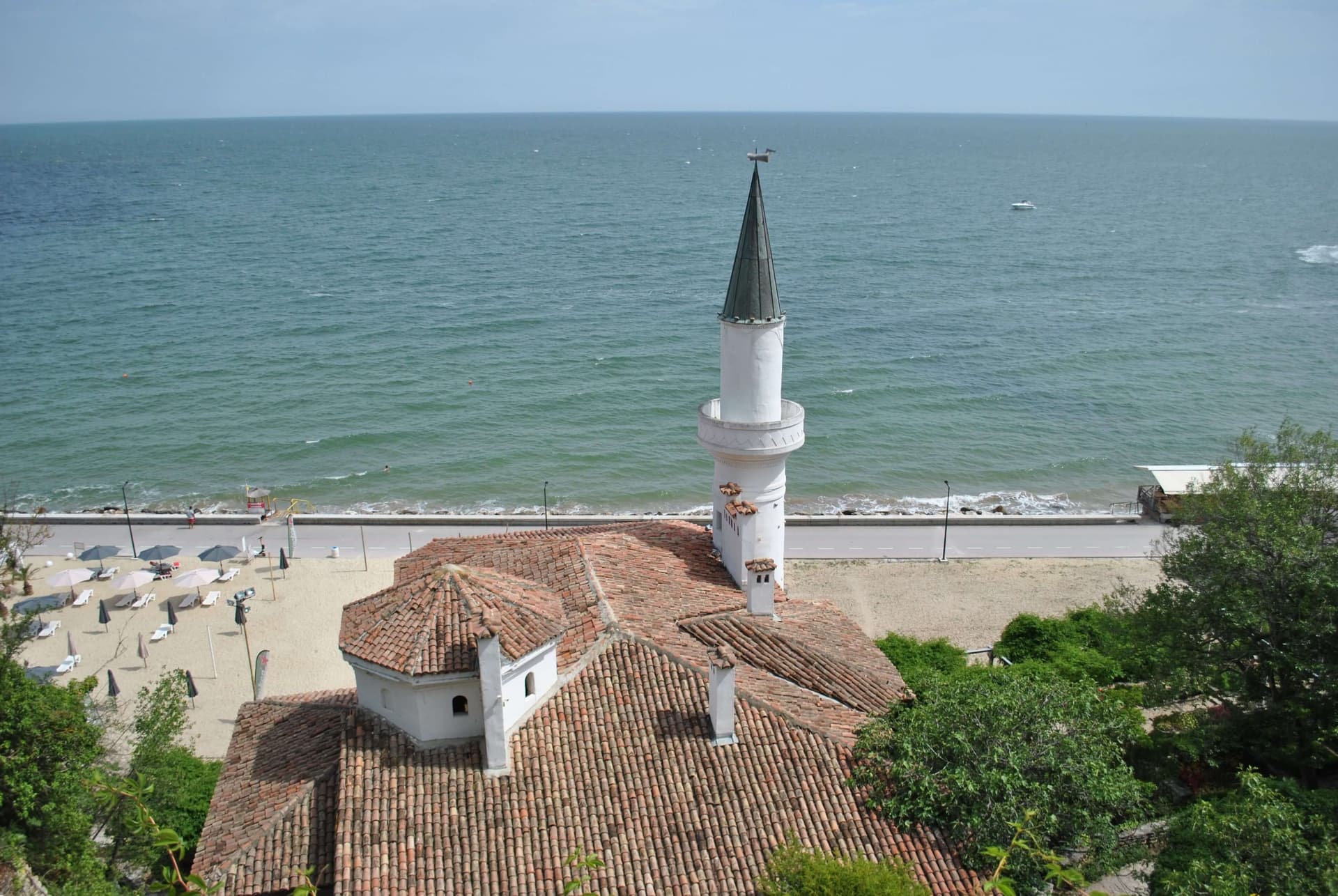
Discover Balchik: Queen Marie's Palace, the famous seaside Botanical Garden and cacti, ticket prices, parking tips, why the beach isn't here, and where to stay.
Planning a day trip from Varna? Discover the best itineraries: Balchik Palace, Cape Kaliakra, Aladzha Monastery, the Madara Rider, Pliska, and Pobiti Kamani.
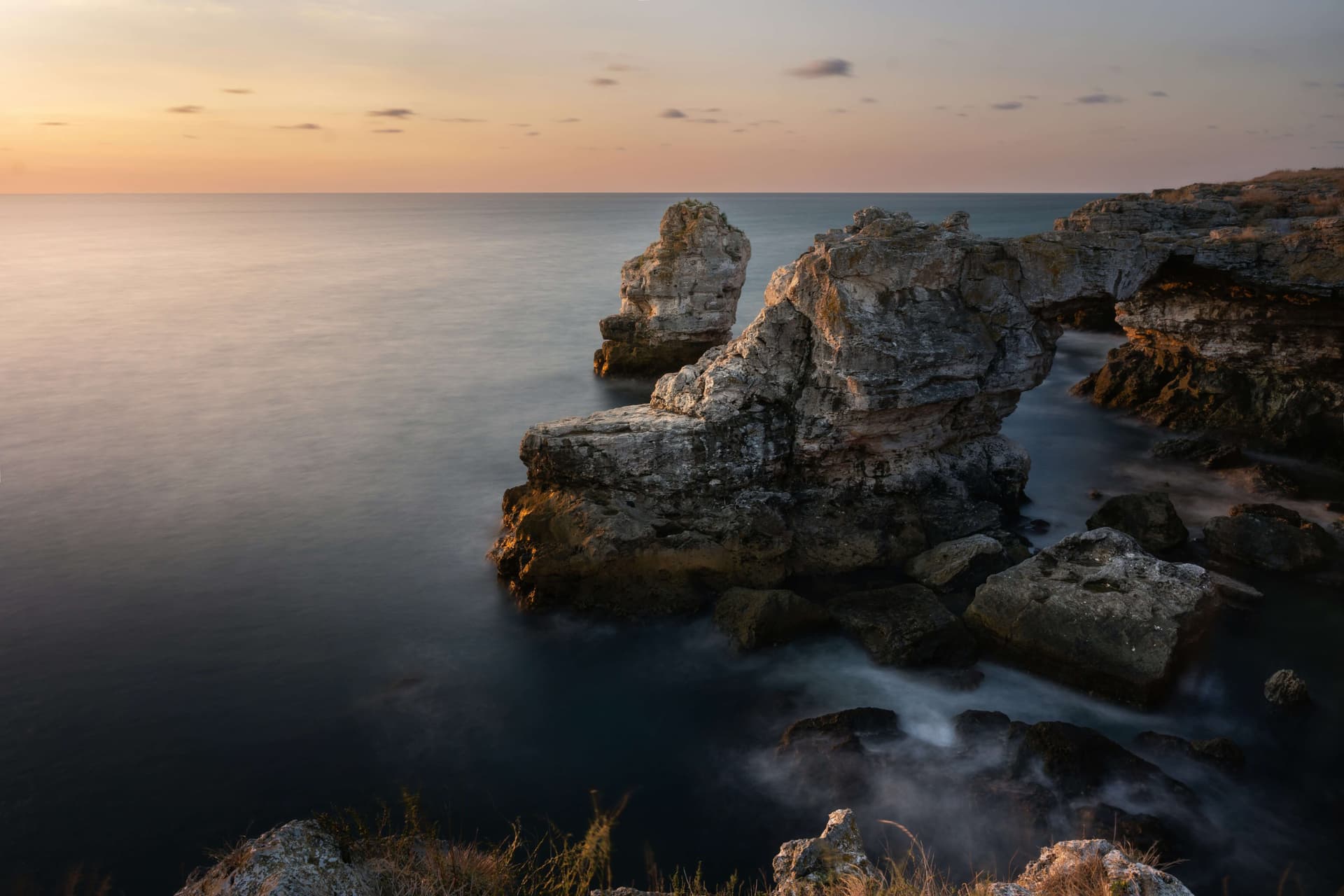
Planning a coastal drive in Bulgaria? The full route from Durankulak to Rezovo: Tyulenovo, Cape Kaliakra, Nessebar, Sozopol and the Veleka mouth.
Bolata Beach is located in Dobrich, Bulgaria.
Bolata Beach is most easily reached by car. Use the coordinates above to navigate, or open the location in OpenStreetMap or your preferred maps app for turn-by-turn directions. Public transport options vary by region — for remote destinations a rental car gives the most flexibility.
Bolata Beach can be visited year-round. Spring and autumn offer the most pleasant conditions for exploring, with mild temperatures and fewer crowds. Summer is ideal for photography and longer day trips; winter visits are possible but weather can limit access at some sites.
Most natural landmarks in Bulgaria are freely accessible and open year-round, though some sites have entrance fees or require a guide. Wear sturdy footwear and bring water, as the terrain can be uneven. Respect any protective barriers and stay on marked paths to preserve the site.