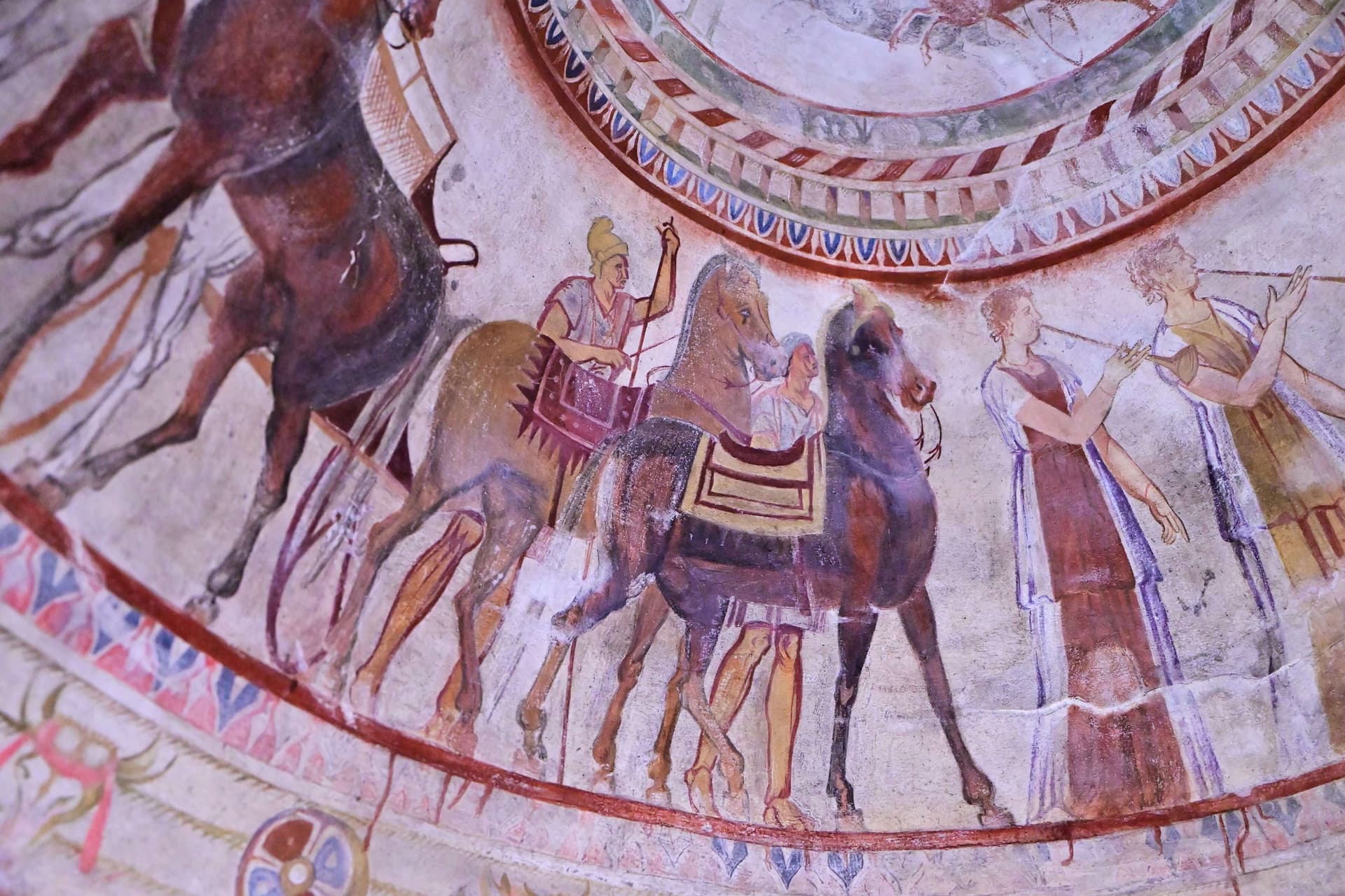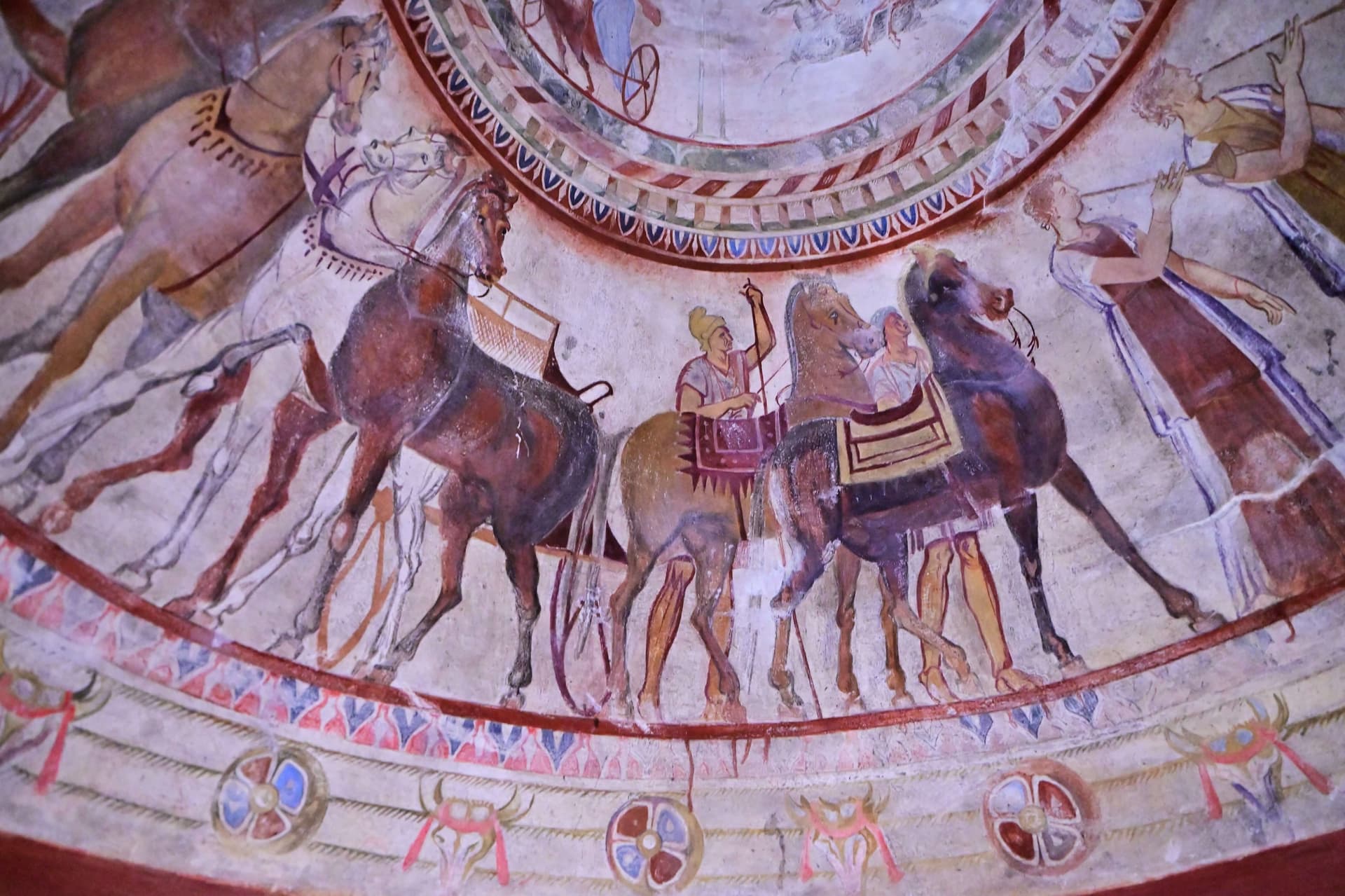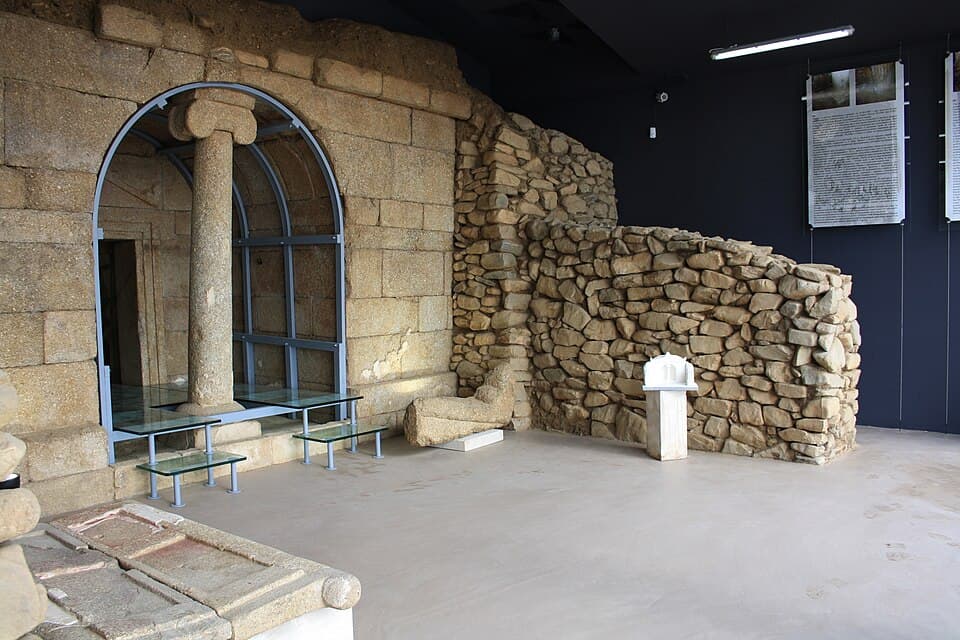
The Shushmanets Mound conceals within its earthen layers one of the most significant, unique, and exquisite Thracian cult structures discovered across the territory of the Republic of Bulgaria. This sub-mound temple positions immediate to the town of Shipka, Stara Zagora Province, nesting within the geographical parameters of the celebrated Valley of the Thracian Rulers. Within academic circles, Shushmanets is recognized as a genuine temple masterpiece of ancient Thracian architecture due to its incomparable spatial configuration, the simultaneous blending of two distinct classical architectural orders, and the presence of unique structural elements that lack any direct analogue among other Thracian tombs.
The internal configuration of this sub-mound temple comprises two primary sectors - a large rectangular antechamber and a circular burial vault, both engineered utilizing perfectly processed megalithic stone blocks.
The core structural specifications defining the complex incorporate the following parameters:
Practically all columns, wall faces, and floor layers across both the circular vault and the entry antechamber were completely coated during antiquity with an exceptionally thin and fine layer of pure lime plaster. Due to prolonged exposure to subterranean moisture and earth displacement, this plaster coating is not well-preserved today. Nonetheless, according to detailed structural evaluations compiled by the primary excavator, traces of three sequential and distinct historical plasterings are monitored along the stone walls. This vital parameter explicitly confirms the existence of at least three separate construction and functional phases tracking the Thracian utilization of the sacred complex.
Beyond the skeletons of the sacrificed animals documented over the antechamber floor, no official data documenting other mobile inventory has been published within scientific literature, including a complete deficit of direct datable materials such as coins or personal ornaments. Nevertheless, based on the architectural style and structural comparisons to matching monuments, excavator Doctor Georgi Kitov hypothesizes that the Shushmanets tomb-temple was constructed at the absolute close of the 5th century BC and was actively utilized throughout the 4th century BC.
Following decades of isolation and critical structural degradation threatening the stability of the monument, the complex was completely salvaged. Since 2013, the Thracian temple has been officially open to receive the public and international travelers. This milestone was achieved due to the successful and comprehensive execution of a large-scale infrastructure project managed by the Ministry of Culture under the Operational Programme Regional Development, fully oriented toward the total technical restoration, structural reinforcement, conservation, and socialization of the monument, which is currently equipped with a contemporary protective protective enclosure and pedestrian facilities.
Shushmanets Thracian Tomb is located in Stara Zagora, Bulgaria.
Shushmanets Thracian Tomb is most easily reached by car. Use the coordinates above to navigate, or open the location in OpenStreetMap or your preferred maps app for turn-by-turn directions. Public transport options vary by region — for remote destinations a rental car gives the most flexibility.
Shushmanets Thracian Tomb can be visited year-round. Spring and autumn offer the most pleasant conditions for exploring, with mild temperatures and fewer crowds. Summer is ideal for photography and longer day trips; winter visits are possible but weather can limit access at some sites.
Most natural landmarks in Bulgaria are freely accessible and open year-round, though some sites have entrance fees or require a guide. Wear sturdy footwear and bring water, as the terrain can be uneven. Respect any protective barriers and stay on marked paths to preserve the site.