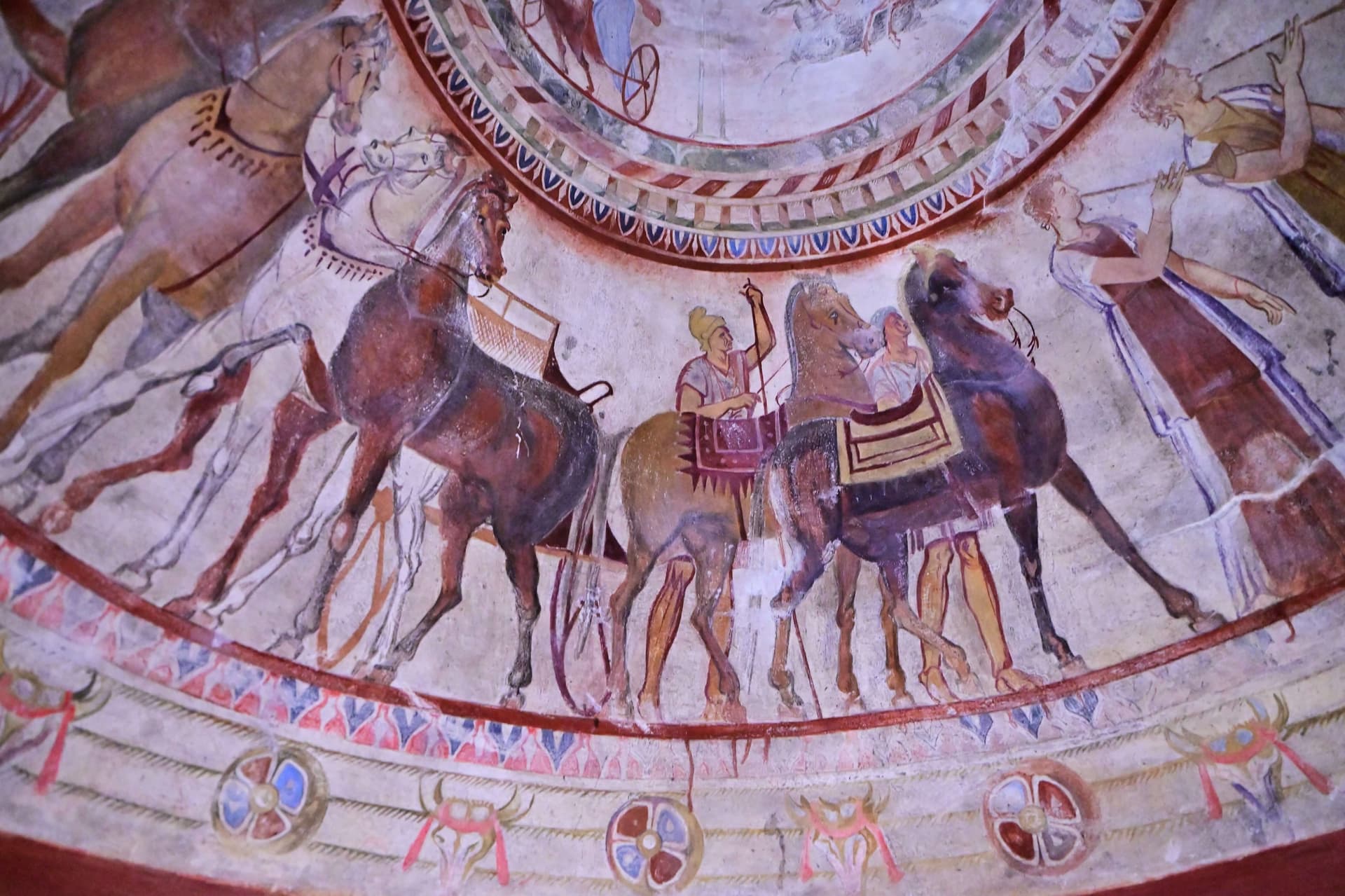
The Helvetia Mound conceals within its earthen layers one of the most significant, representative, and monumental Thracian cult structures mapped across Bulgarian territories. This sub-mound temple was officially unearthed on July 26, 1996, during the rescue archaeological excavations executed by the Expedition for Thracian Mounds in Chelopech and Kazanlak Region (TEMP), coordinated under the direction of the prominent Bulgarian scholar Associate Professor Georgi Kitov. The archaeological site operates as an inseparable structural component of the extensive and wealthy Shushmanets mound necropolis, positioned in immediate geographical proximity to the town of Shipka, Stara Zagora Province, within the boundaries of the celebrated Valley of the Thracian Rulers.
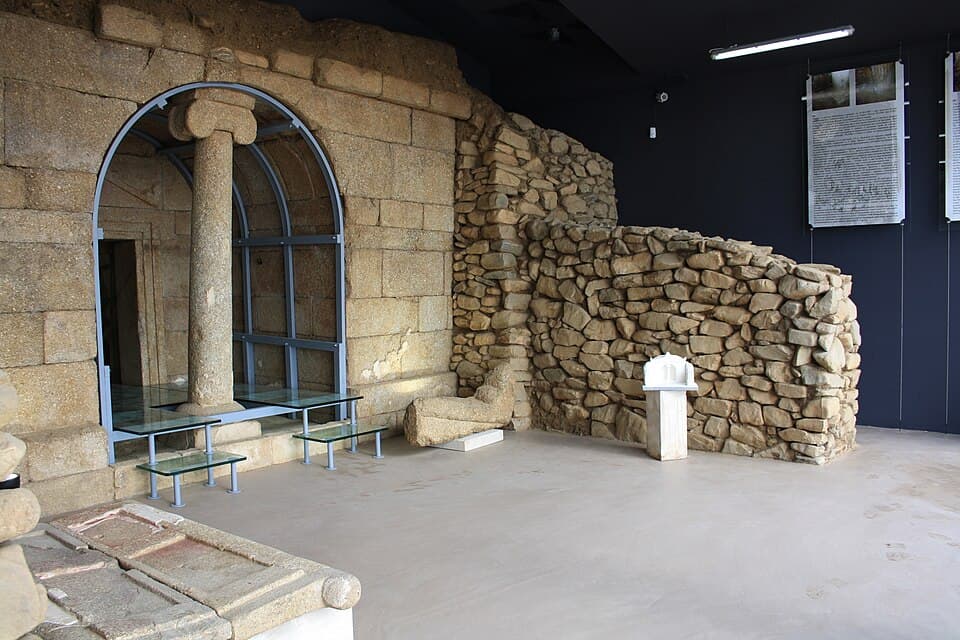
The cult complex inside the Helvetia Mound was engineered entirely within the southern periphery of the burial mound structure, guaranteeing continuous pedestrian entry. The spatial layout of the temple incorporates three sequential structural zones: an elongated entrance corridor (dromos), an antechamber, and a rectangular burial vault.
The core structural and engineering specifications defining the complex incorporate the following parameters:
The internal masonry walls across both the burial chamber and the antechamber were completely coated during antiquity with an exceptionally thin and fine layer of premium stucco plaster. The ancient craftsmen treated this surface to mimic a regular ashlar stone masonry pattern (rustication) in relief. Within sectors where this top plaster layer has been compromised or peeled away, older, multicolored, and richly painted wall layers are exposed underneath. According to primary investigator Georgi Kitov, this vital detail explicitly confirms the existence of at least two separate historical and functional periods tracking the Thracian utilization of the sacred complex. The floors of both primary chambers, alongside the floor of the entrance corridor, are coated with a thin and uniform layer of pure lime plaster.
Throughout the excavation of the complex interior, archaeologists unearthed indisputable material evidence confirming the execution of complex Thracian funeral rites and blood sacrifices:
Based on detailed scientific comparisons made with matching archaeological artifacts and burial complexes excavated near the village of Orizovo, Chirpan Municipality, Associate Professor Georgi Kitov dates the execution of the primary interment within Helvetia to the absolute close of the 5th century BC or the very opening of the 4th century BC. Concurrently, the evolution of the masonry faces and construction strata indicates that the initial erection of the monumental stone complex occurred several decades earlier, during the golden era of the Odrysian Kingdom.
Helvetia Thracian Tomb is located in Stara Zagora, Bulgaria.
Helvetia Thracian Tomb is most easily reached by car. Use the coordinates above to navigate, or open the location in OpenStreetMap or your preferred maps app for turn-by-turn directions. Public transport options vary by region — for remote destinations a rental car gives the most flexibility.
Helvetia Thracian Tomb can be visited year-round. Spring and autumn offer the most pleasant conditions for exploring, with mild temperatures and fewer crowds. Summer is ideal for photography and longer day trips; winter visits are possible but weather can limit access at some sites.
Most natural landmarks in Bulgaria are freely accessible and open year-round, though some sites have entrance fees or require a guide. Wear sturdy footwear and bring water, as the terrain can be uneven. Respect any protective barriers and stay on marked paths to preserve the site.