The Stob Pyramids are among the most popular and spectacular rock phenomena in Bulgaria, listed in the country's Red Data Book as a critically endangered natural habitat. Located above the charming village of Stob, in the western foothills of the Rila Mountains, they form a complex and majestic composition of sharp, needle-like, conical, and pyramidal earth structures. Officially declared a natural landmark in 1964, these unique formations were sculpted out of ancient, thick fluvioglacial deposits up to 40 meters deep.
The average height of the individual towers ranges from 6 to 10 meters, with some reaching an impressive 12 meters. Most of the pyramids are connected at their base, creating highly diverse sculptural groups whose colors shift magically from pale yellow to dark brown and deep red. Many of these natural towers are topped with dramatic "stone caps" measuring up to a meter wide, making them look like giant mushrooms. Because the pyramids are mostly situated on the sunny southern slope, the terrain is largely devoid of dense forests, allowing rare, drought-resistant sub-Mediterranean plants like sessile oak, Oriental hornbeam, flowering ash, and Eurasian smoketree to thrive among the eroded rocks.
The whimsical shapes of the rocks have inspired the imagination of the local people for centuries, giving rise to fascinating legends about their origin. The most popular tale speaks of two young lovers whose wedding was cursed by the bride's mother, who strongly disapproved of the marriage. The mother drove a large cross deep into the ground, wishing that the moment the bride kissed her new father-in-law, all the guests would turn to stone. The powerful curse struck the joyful wedding procession out in the valley, freezing them forever into the fairytale stone structures seen today. Another legend told by the residents of Stob speaks of a wedding party traveling down from the mountain village of Bozovaya toward the local church. The bride was so breathtakingly beautiful that the best man could not resist temptation; he looked at her and leaned in to steal a kiss. Angered by this sin, God instantly turned the entire procession into stone, and their bodies can still be seen forming a beautiful row of pyramids along the opposite slope.
The entire region is also steeped in rich ancient history. The ancient city of Stobi was widely celebrated in old chronicles for its massive fortress walls, defense towers, mines, and advanced aqueducts. The town reached its peak of prosperity during the IX century and was later explicitly mentioned in the famous Kraysovul (gold-sealed royal charter) granted by Tsar Ivan Shishman to the Rila Monastery in 1378. In this historic document, the Bulgarian ruler defined the borders of the monastery lands by mentioning "the two stones of Saint Prokopiy" and strictly decreed that the city of Stobi would hold no administrative power over the monastic people. In the late XIX century, the prominent historian Konstantin Jireček visited the area and described the ruins of the ancient stronghold rising above the village, known as Peter's Tower, noting its complete inaccessibility due to the crumbling clay terrain.
Today, accessing this natural and historical wonderland is simple and pleasant — a well-maintained trail leads from the local church in the village of Stob straight to the top of the pyramids, offering a scenic 40-minute walk that remains open and beautiful throughout all seasons of the year.

Kyustendil region
6.7 km away
Blagoevgrad region
9.2 km away
Blagoevgrad region
9.4 km away
Kyustendil region
14.4 km away
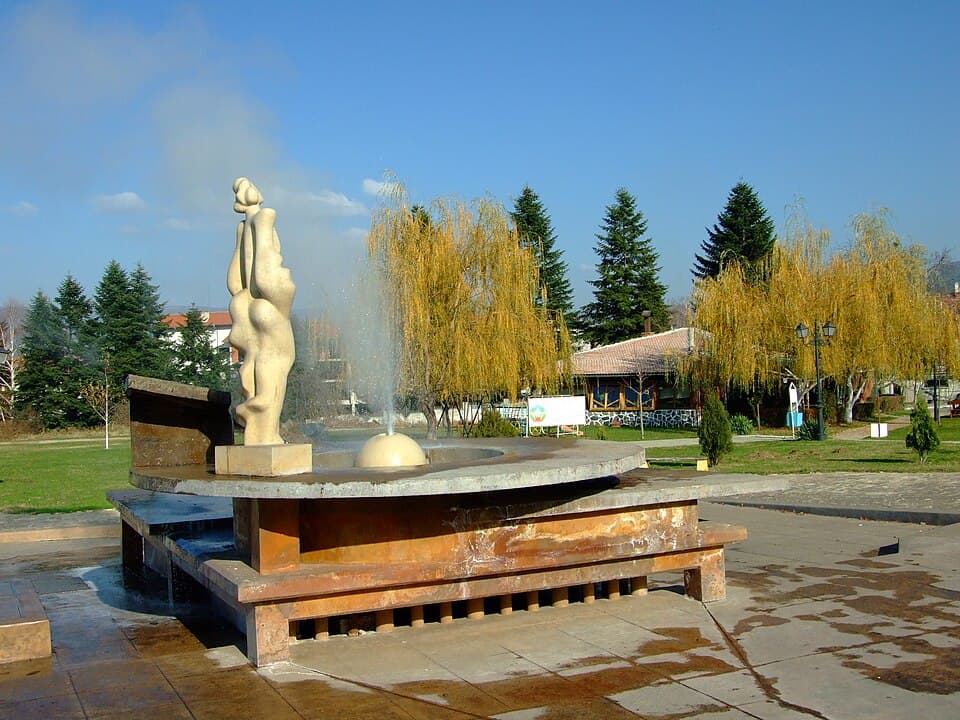
A weekend in Sapareva Banya and Panichishte: the geyser with 103 °C water, mineral pools in winter, Panichishte as the snowy side, and the way up to the Seven Rila Lakes.
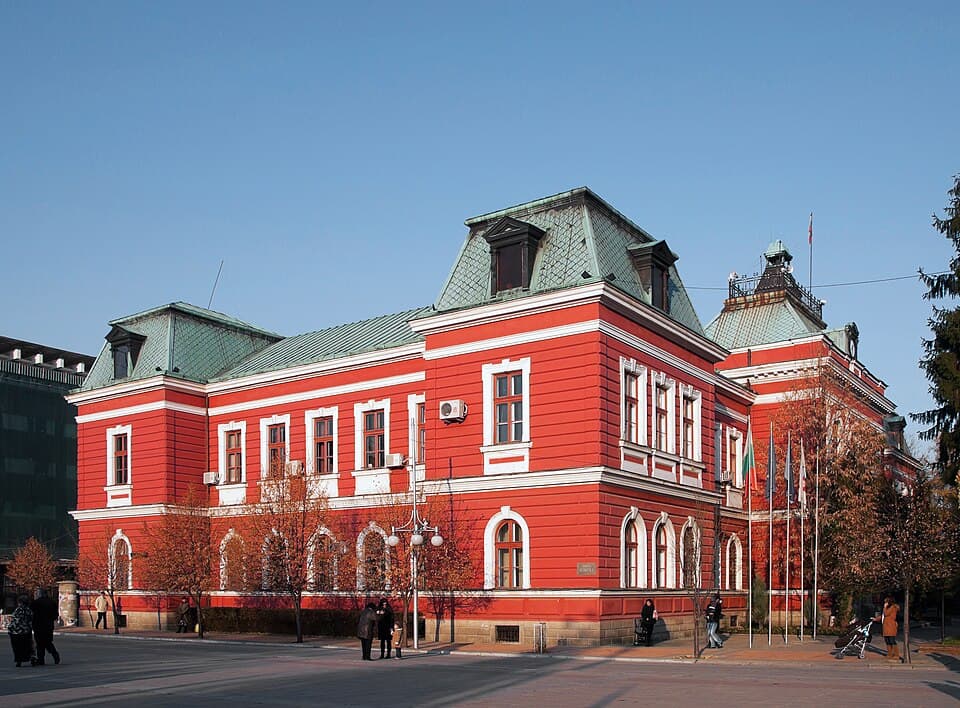
A weekend in Kyustendil: soaking in the Chifte Banya bathhouse, the Vladimir Dimitrov – Maystora gallery, Roman Pautalia, Hisarlaka fortress, Osogovo and what's nearby — getting there from Sofia.
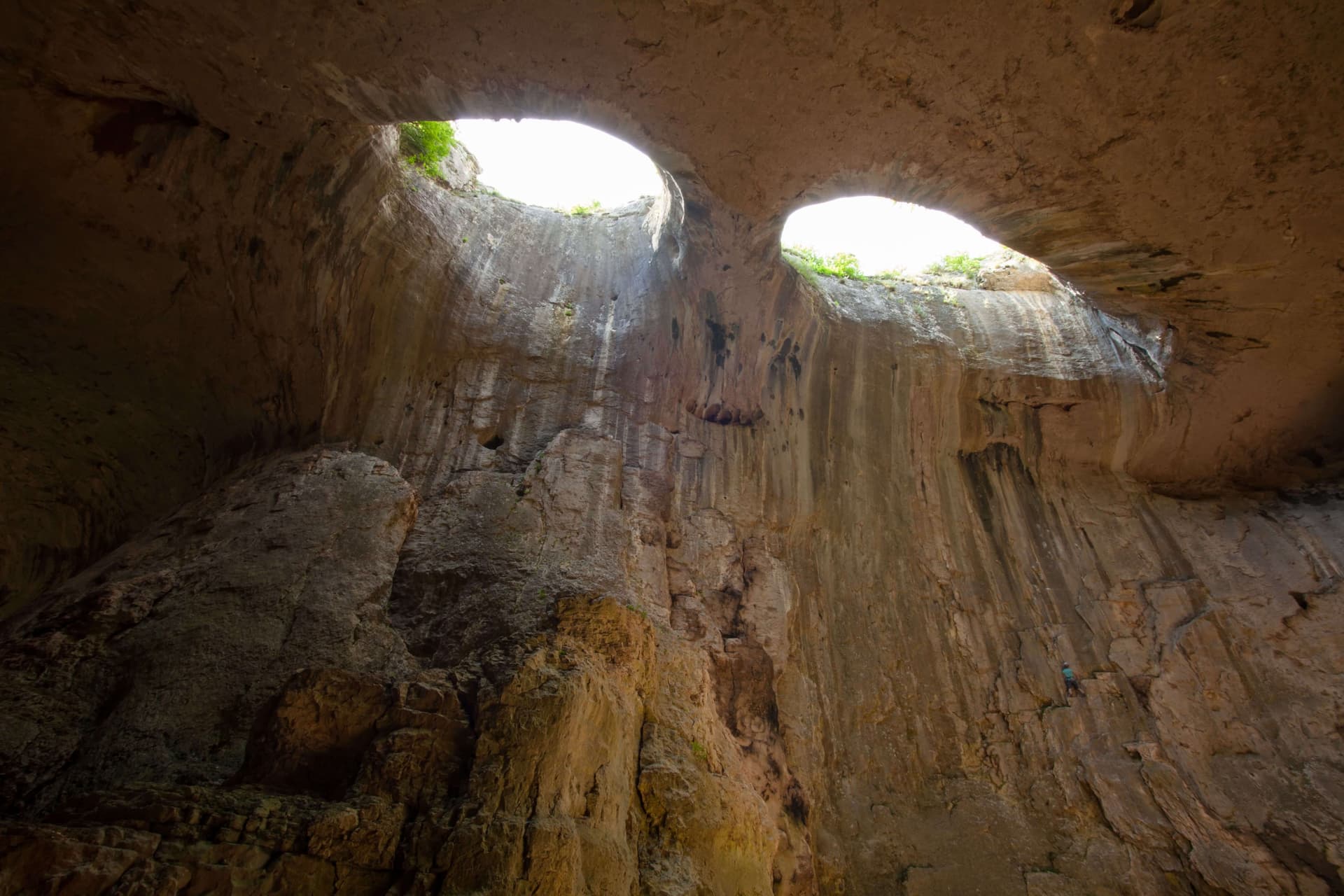
Discover Bulgaria's top natural wonders: Prohodna Cave ('God's Eyes'), Krushuna Waterfalls, Belogradchik Rocks, earth pyramids, and Pobiti Kamani.
Stob Pyramids is located in Kyustendil, Bulgaria.
Stob Pyramids is most easily reached by car. Use the coordinates above to navigate, or open the location in OpenStreetMap or your preferred maps app for turn-by-turn directions. Public transport options vary by region — for remote destinations a rental car gives the most flexibility.
Stob Pyramids can be visited year-round. Spring and autumn offer the most pleasant conditions for exploring, with mild temperatures and fewer crowds. Summer is ideal for photography and longer day trips; winter visits are possible but weather can limit access at some sites.
Most natural landmarks in Bulgaria are freely accessible and open year-round, though some sites have entrance fees or require a guide. Wear sturdy footwear and bring water, as the terrain can be uneven. Respect any protective barriers and stay on marked paths to preserve the site.