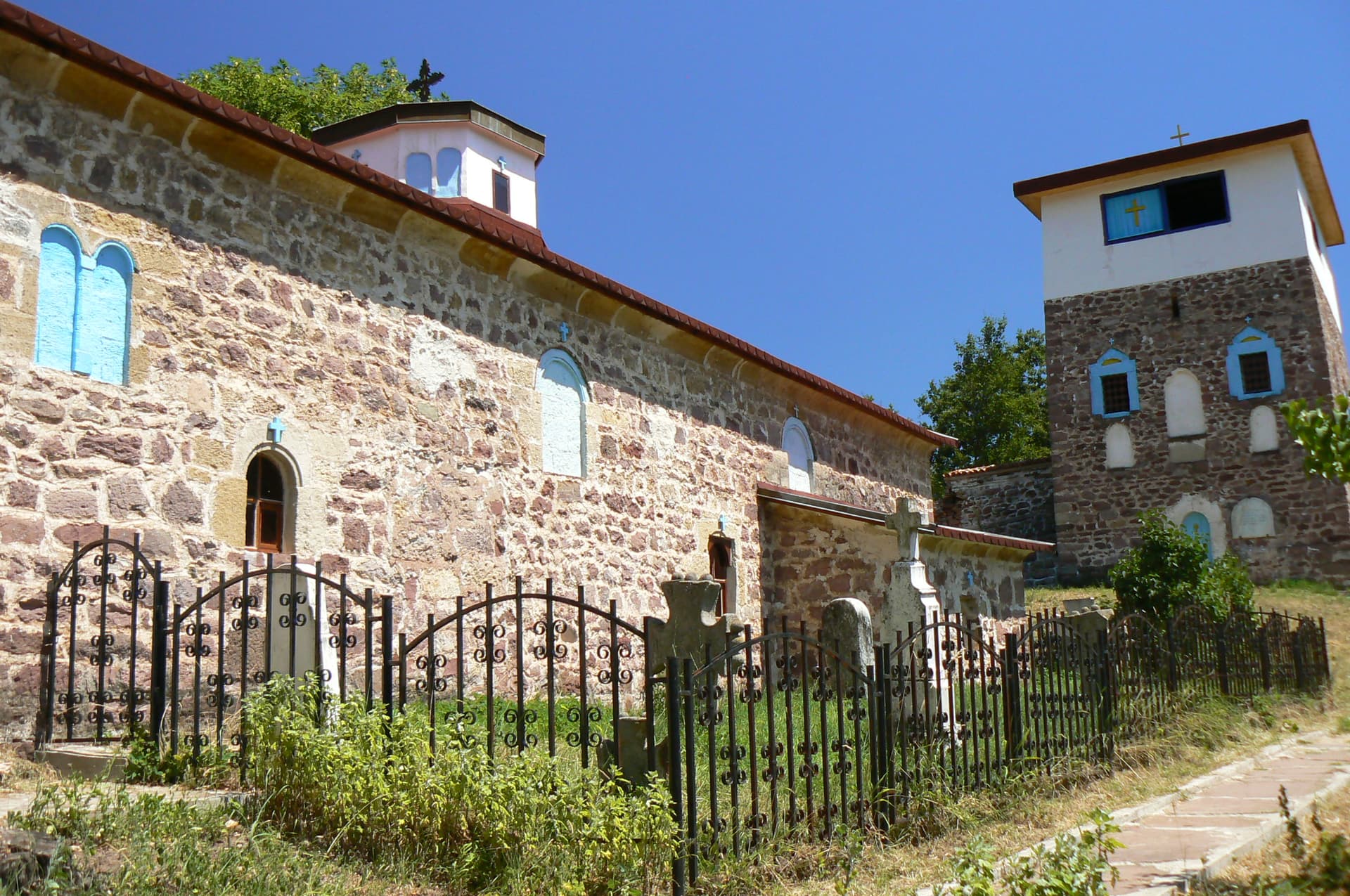
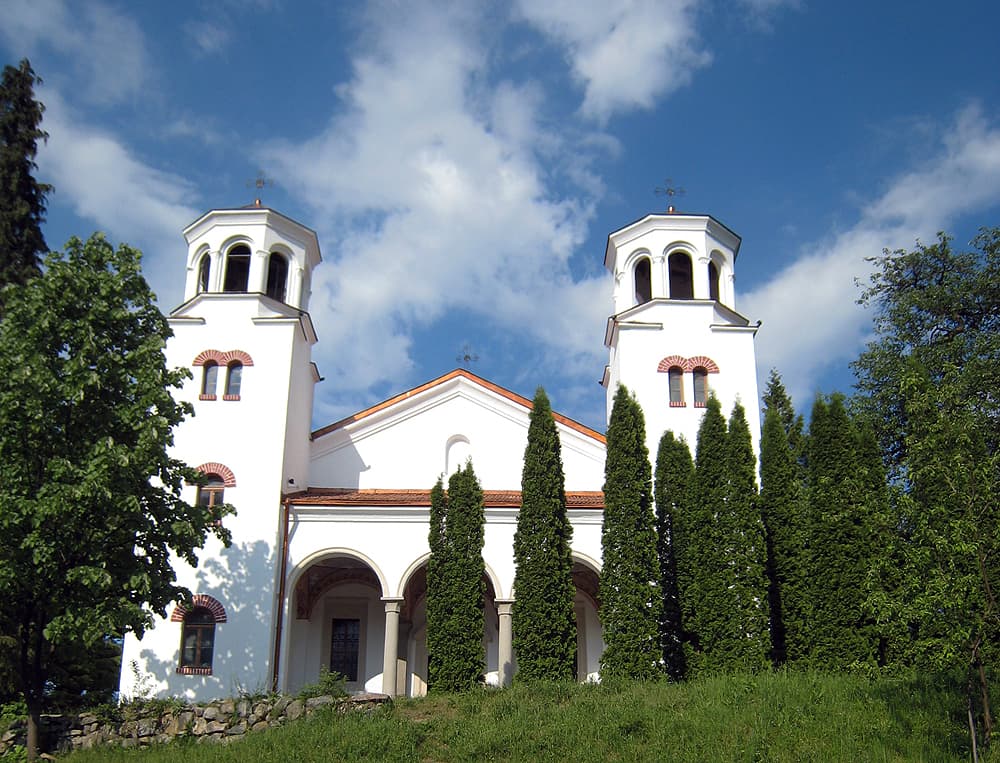
Ascending to an elevation of 1,409 meters above sea level in the heart of the Western Balkan Mountains, Petrohan Pass (historically known as Ginski, Berkovski, or Klisurski Pass) stands as one of Bulgaria's most vital and scenic mountain passes. It serves as the shortest, most direct transport link connecting the capital city of Sofia with Northwestern Bulgaria (Berkovitsa, Montana, and Vidin).
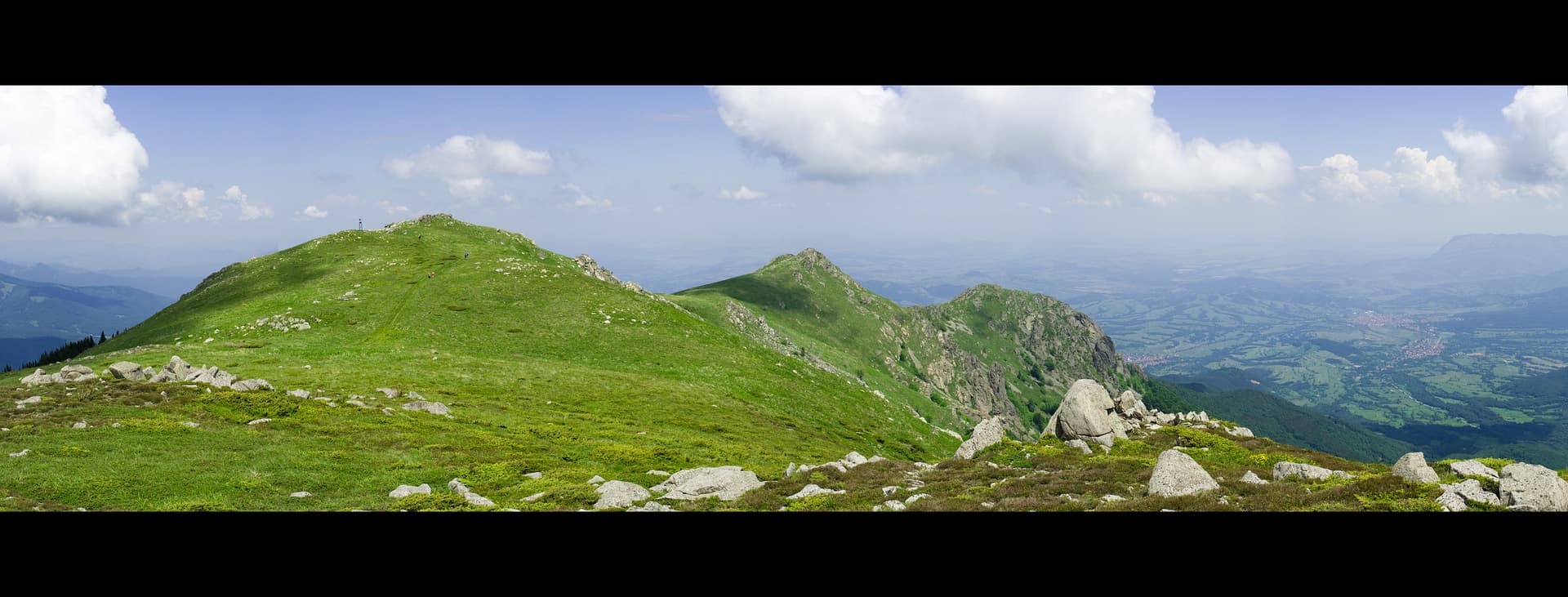
Traversing the ridge between the Koznitsa and Berkovitsa mountain ranges, Petrohan crosses one of the most rugged yet enchanting gaps in the Balkan Range.
The northern approach from the town of Berkovitsa features a dramatic elevation gain characterized by a series of tight hairpin turns and steep gradients.
The pass owes its name to the historic Petrov Han (Peter's Inn), constructed at the summit by Petar Angelov back in 1868 to shelter merchants, horses, and travelers crossing the mountains.
Today, the summit features:
While the dense beech canopy obscures wide open vistas, it provides a cozy, sheltered feel. However, mountain weather at Petrohan can turn severe very rapidly:

Montana region
5.4 km away
Montana region
6.0 km away
Sofia region
6.2 km away
Montana region
6.6 km away
A guide to Montana and Berkovitsa in north-west Bulgaria: the Ogosta reservoir, Berkovitsa's pottery and Ivan Vazov connection, Klisura Monastery, and Kom Peak at the western end of the Kom–Emine trail.
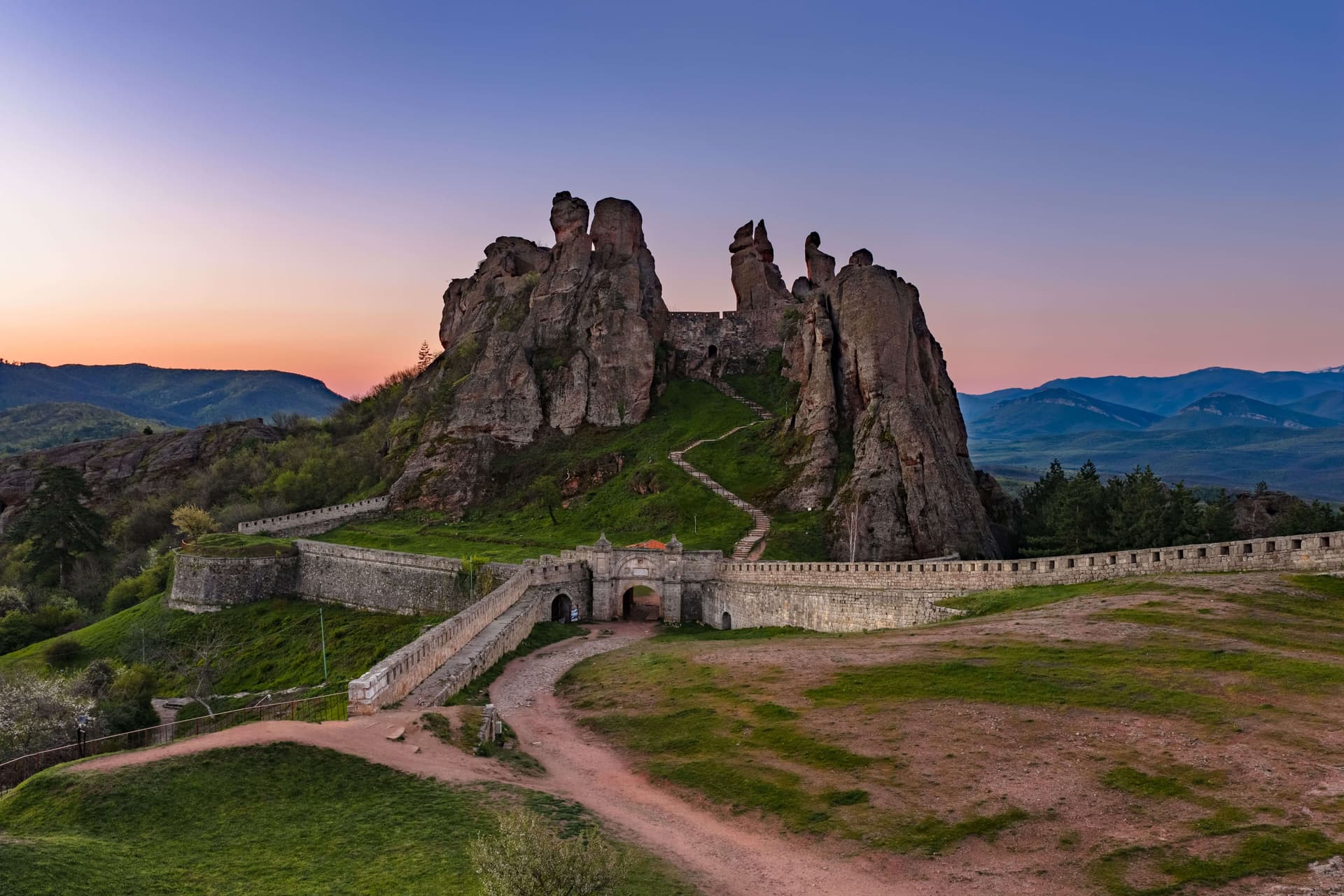
A complete 4-day road trip itinerary through Bulgaria's least-visited region: Iskar Gorge, Vratsa, God's Bridge, Chiprovtsi, Belogradchik Rocks, Magura Cave, and Vidin.
A guide to the Kom–Emine trail, Bulgaria's ~600 km E3 traverse of the Balkan Mountains from Kom Peak to the Black Sea: route, stages, water, huts and season.
Petrohan Pass is located in Montana, Bulgaria.
Petrohan Pass is most easily reached by car. Use the coordinates above to navigate, or open the location in OpenStreetMap or your preferred maps app for turn-by-turn directions. Public transport options vary by region — for remote destinations a rental car gives the most flexibility.
Petrohan Pass can be visited year-round. Spring and autumn offer the most pleasant conditions for exploring, with mild temperatures and fewer crowds. Summer is ideal for photography and longer day trips; winter visits are possible but weather can limit access at some sites.
Most natural landmarks in Bulgaria are freely accessible and open year-round, though some sites have entrance fees or require a guide. Wear sturdy footwear and bring water, as the terrain can be uneven. Respect any protective barriers and stay on marked paths to preserve the site.