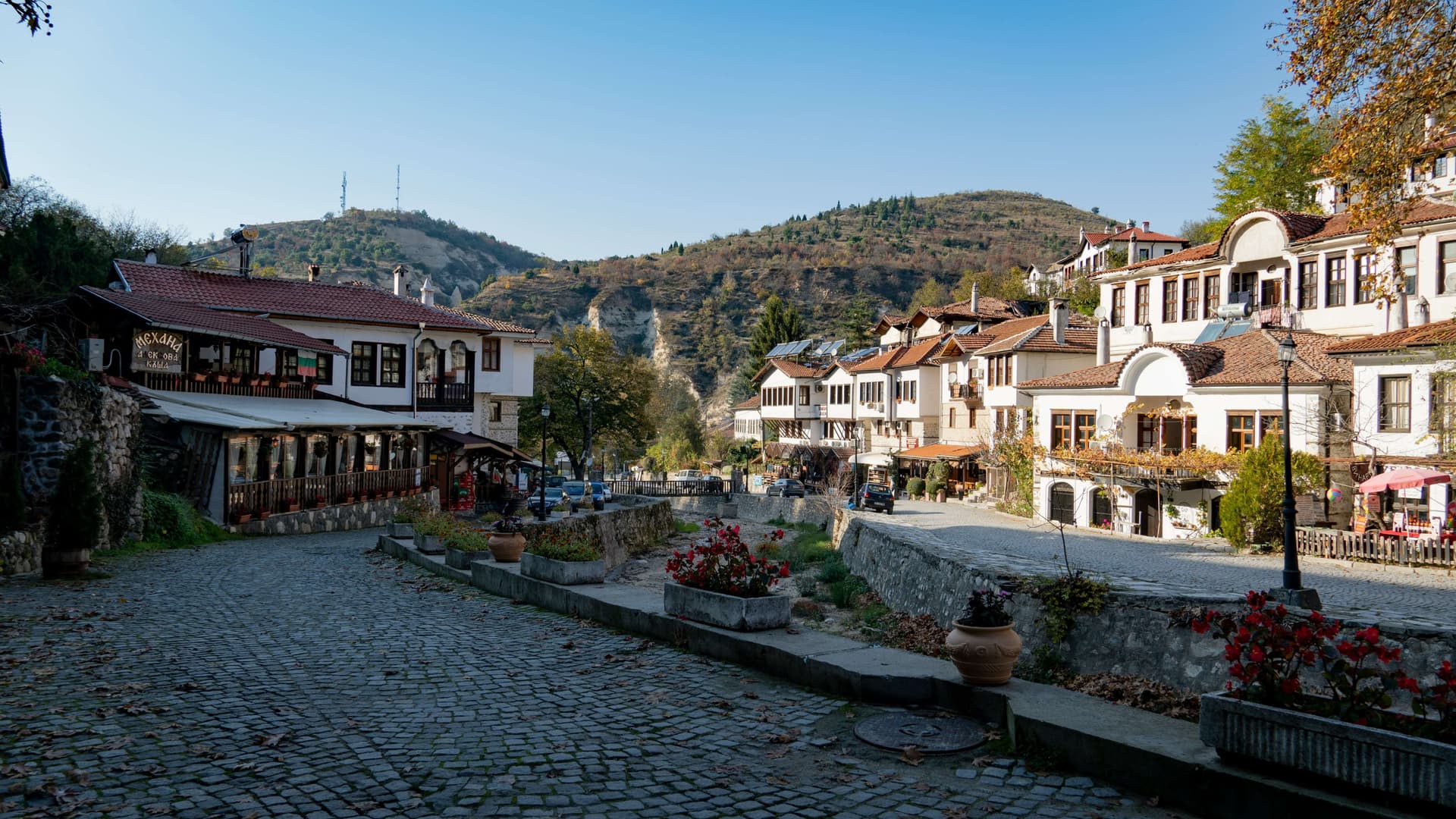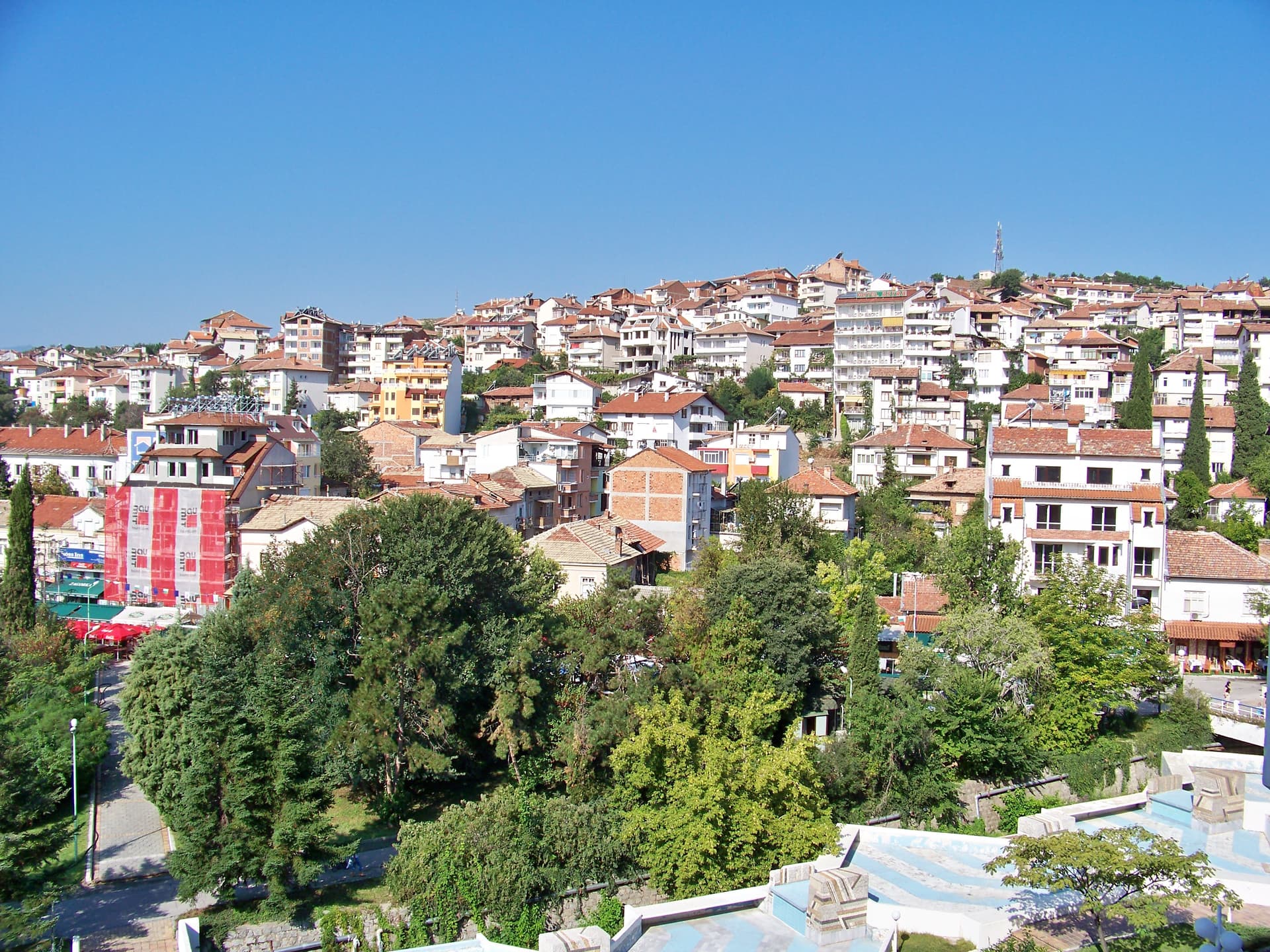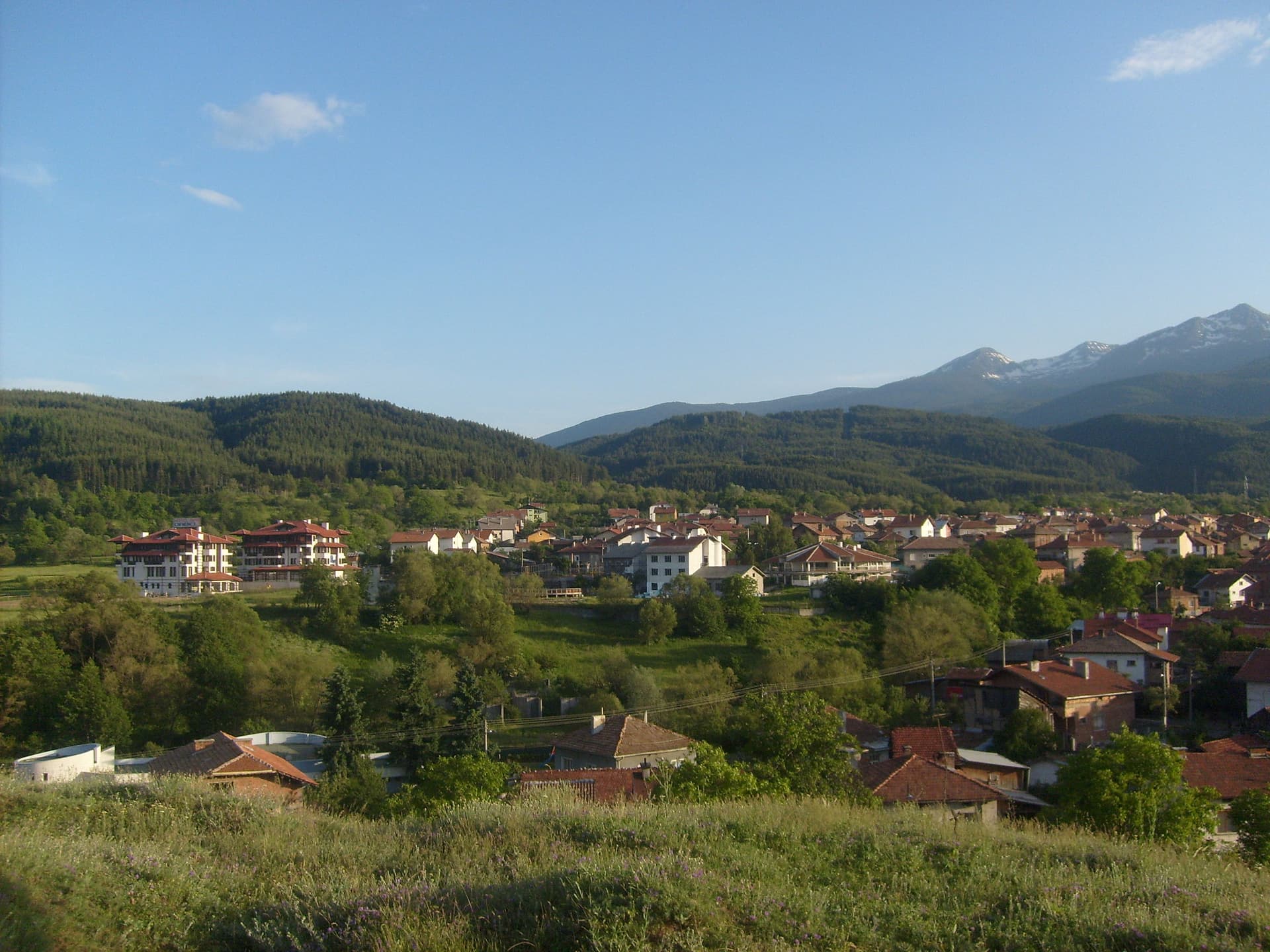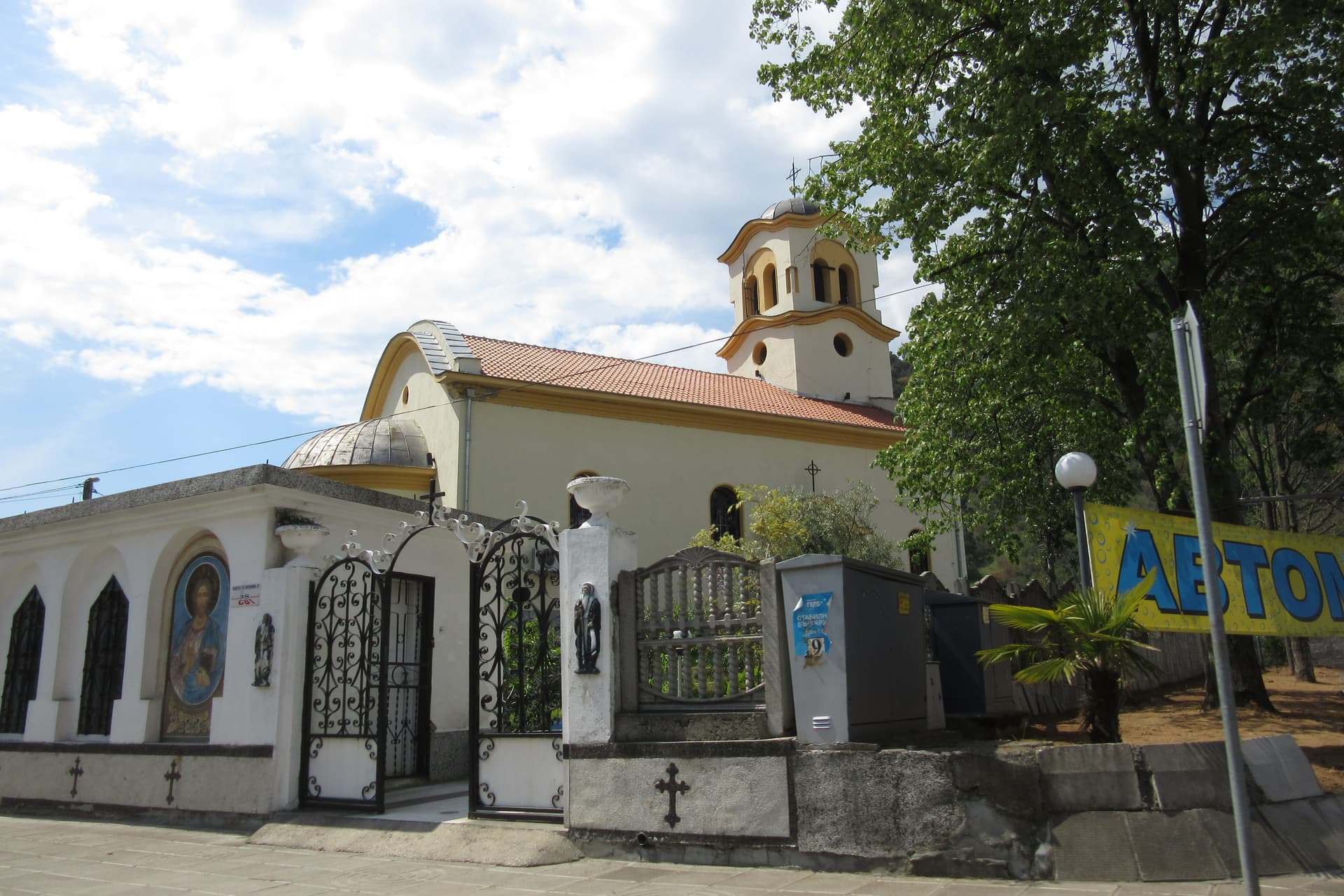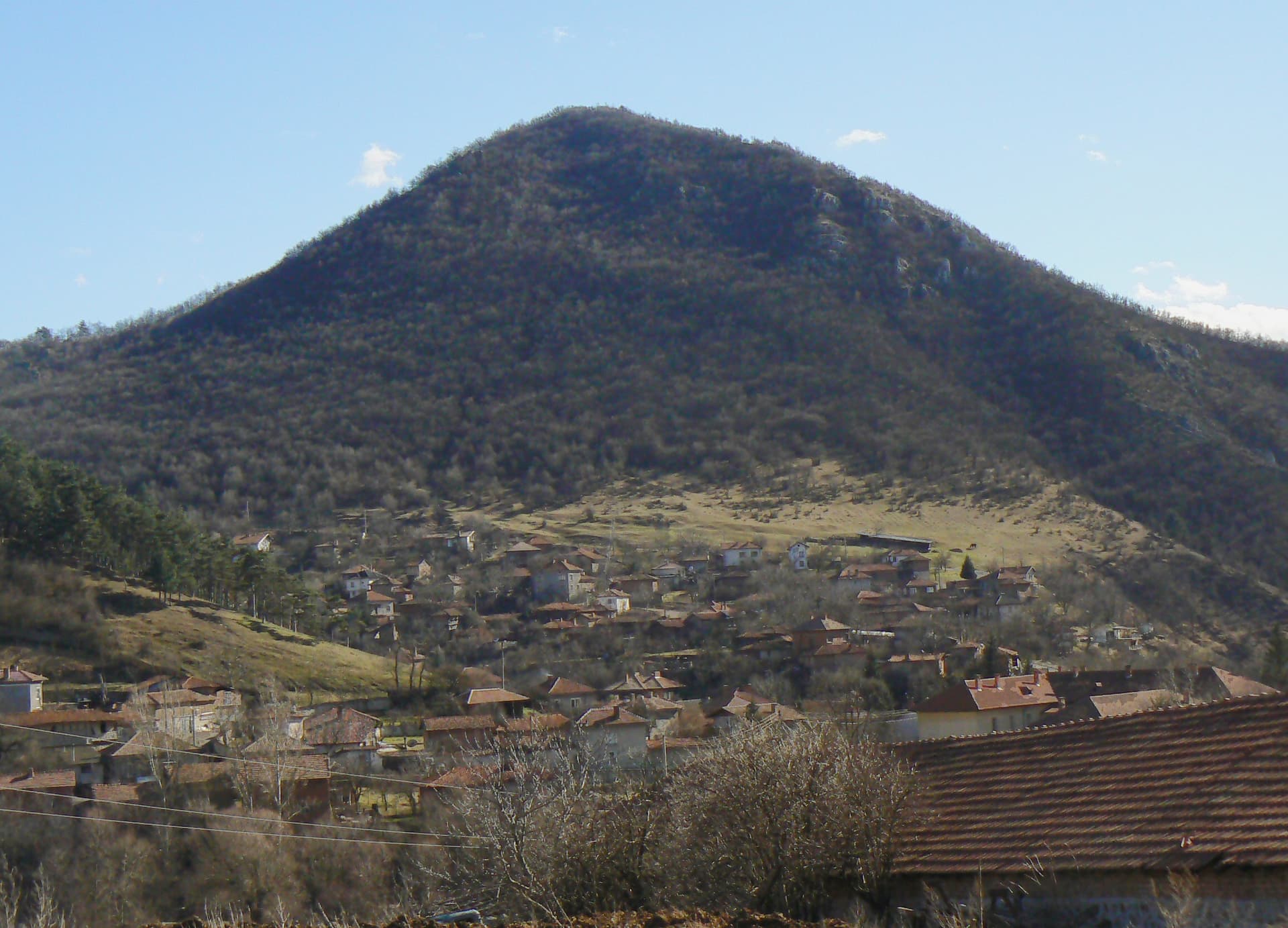
Petrich is a town in the southern part of the Sandanski–Petrich valley, at the northern foot of the Belasitsa mountain. With about 25,900 residents it is the second-largest town in Blagoevgrad province. It lies 81 km from Blagoevgrad and 180 km from Sofia, close to the borders with Greece and North Macedonia.
The climate is transitional Mediterranean, one of the warmest in Bulgaria. The mean annual temperature is 13.7 °C; January averages above freezing (1.6 °C) and July 25.6 °C. Winters are mild and wet, summers hot and dry. The Luda Mara river, a tributary of the Strumeshnitsa, flows through town.
The Petrich area joined Bulgaria in 837 under Khan Presian. Petrich was liberated in October 1912. Today the town's economy is closely tied to cross-border trade with Greece and North Macedonia.

Blagoevgrad region
5.6 km away
Blagoevgrad region
17.5 km away
Petrich is located in Blagoevgrad, Bulgaria.
Petrich is most easily reached by car. Use the coordinates above to navigate, or open the location in OpenStreetMap or your preferred maps app for turn-by-turn directions. Public transport options vary by region — for remote destinations a rental car gives the most flexibility.
Petrich can be visited year-round, but late spring (May–June) and early autumn (September–October) offer the most pleasant weather and fewer tourists. Summer is the busiest season; winter is the quietest, with shorter daylight and possible cold weather.
Bulgarian settlements typically reward unhurried walking — historic centres, churches and monasteries, local markets, and family-run restaurants serving regional dishes. Larger towns often have museums and seasonal cultural events. The local tourist information centre is a good first stop for current opening hours and what's on.