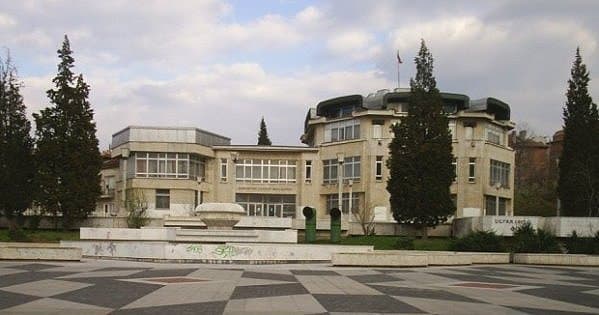
The House Museum of Baba Vanga (Vangeliya Gushterova) in the town of Petrich is one of the most visited and spiritually charged landmarks in Bulgaria. Officially inaugurated as a museum in 2008, the property is preserved in its absolute authentic state—nothing has been rearranged or altered. Completed in 1947, six years after Vanga's marriage to Dimitar Gushterov, this is the very house where she spent the cornerstone of her life. The site transports domestic and international tourists into the private world of the famous mystic, leaving an incredible impression of stepping into a living home. Architecture and Floor Exhibitions - The First Floor (The Heart of the House): This floor features the modest kitchen where Vanga received crowds of people seeking her guidance. In the past, the lines outside were so massive that a police officer was stationed to maintain order. A separate reception room packed with personal items and gifts is located in the first-floor annex. - The Second Floor (The Private Quarters): The upper floor consists of the bedroom, a cozy veranda, and the White Salon (the living room). The White Salon was reserved strictly for hosting high-profile dignitaries and prominent guests, featuring furniture carefully handpicked according to Vanga's personal taste. Spirituality, Mysticism, and the Miraculous Icon - Vanga’s Private Chapel: A highlights of the first floor is Vanga's prayer room—her most sacred sanctuary where she prayed every single morning and evening. Although the Bulgarian Orthodox Church does not officially recognize her clairvoyance, Vanga was a deeply devout Christian who considered her abilities a pure gift from God. The room is heavily adorned with icons and fine tapestries. - The Miraculous Virgin Mary: The centerpiece of the prayer room is a unique icon of the Holy Mother of God, widely believed to possess miraculous healing powers. The museum curator shares its compelling history with visitors, and countless people who made heartfelt wishes before it have returned over the years to express their gratitude. - The Link to Rupite: During the final 15 years of her life, Vanga travelled to the nearby Rupite area during the day to consult believers but invariably returned to her Petrich home every evening to rest and pray in her private chapel. Life History and Practical Information - The Fateful Storm: Born in 1911 in the town of Strumica, at the age of 12, Vanga was caught in a violent storm and swept away by a powerful tornado. Found far away in a field, buried under soil and stones, she tragically lost her eyesight; however, it was this exact event that unlocked her extraordinary prophetic capabilities. - Visitor Information: The museum is open year-round for both individual and group tours. A special feature for tourists is that admission to the museum is completely free of charge every Monday.
Blagoevgrad
0.2 km away
Blagoevgrad
4.6 km away
Blagoevgrad
5.4 km away
Blagoevgrad
8.7 km away
Kashta-muzey "Baba Vanga" is located in Blagoevgrad, Bulgaria.
Kashta-muzey "Baba Vanga" is most easily reached by car. Use the coordinates above to navigate, or open the location in OpenStreetMap or your preferred maps app for turn-by-turn directions. Public transport options vary by region — for remote destinations a rental car gives the most flexibility.
Kashta-muzey "Baba Vanga" can be visited year-round. Verify current opening hours directly with the museum before your visit, as schedules change seasonally and on public holidays.
Opening hours and admission fees vary, and most Bulgarian museums close one day per week (commonly Monday). Verify current schedules and prices directly with the museum or the local tourist information office before visiting Kashta-muzey "Baba Vanga", especially on public holidays.