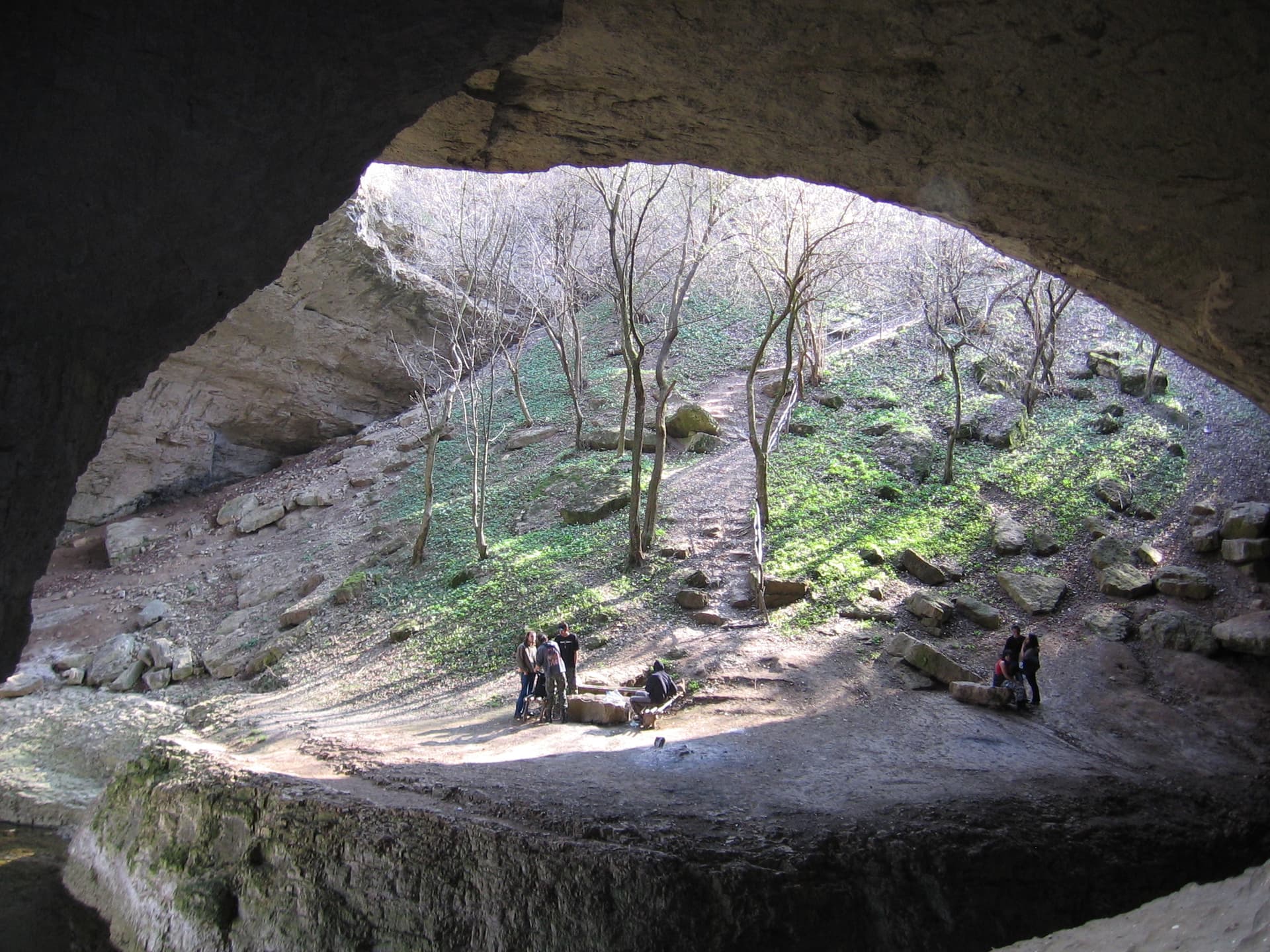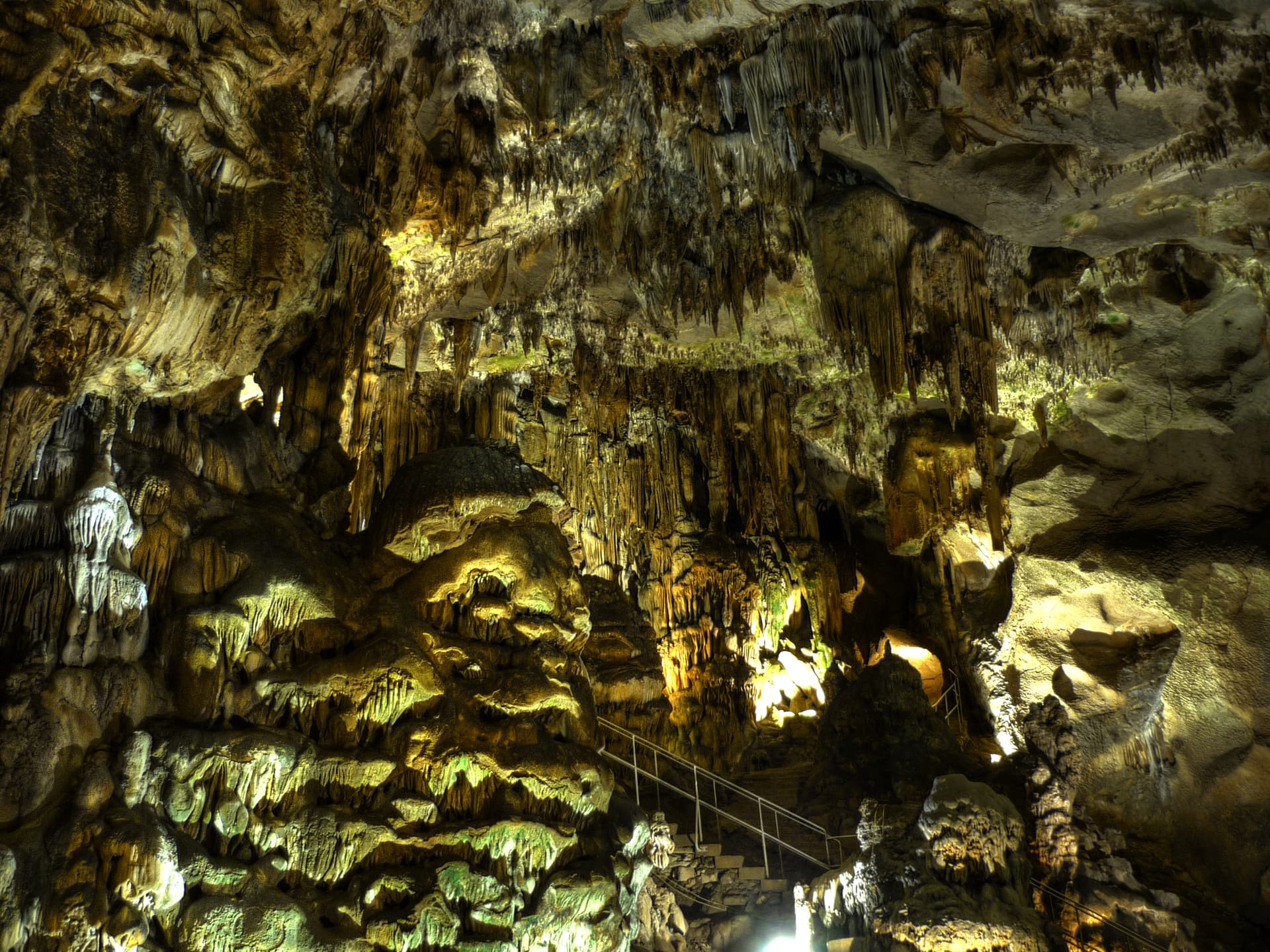
Situated 16 km from the city of Vratsa at an altitude of 840 meters in the Stresher ridge of the Balkan Mountains, Ledenika Cave ("The Icy Cave") stands as one of Bulgaria's most celebrated and visually striking subterranean attractions. Recognized as a protected Natural Landmark and featured on the 100 Tourist Sites of Bulgaria registry (Site No. 16), it mesmerizes visitors with dramatic calcite structures and seasonal ice formations.
The cave earned its name (Ledenika stems from the Bulgarian word for "ice") due to the massive, translucent ice pillars, stalagmites, and icy curtains that freeze inside its entrance chambers during winter and spring when temperatures drop below freezing.
Stretching approximately 320 meters in length with a vertical displacement of 37 meters, Ledenika guides visitors through an enchanted underground realm composed of 10 distinct chambers:
Beyond its mineral beauty, Ledenika serves as a delicate biological habitat. The cave provides winter roosting shelter for 4 species of bats (including the protected Greater and Lesser Horseshoe bats). Furthermore, Ledenika is the exclusive home to Ledenikus (Svetlomrazets), an endemic troglobitic beetle found nowhere else on Earth.

Vratsa region
2.5 km away

Vratsa region
3.3 km away

Montana region
4.4 km away
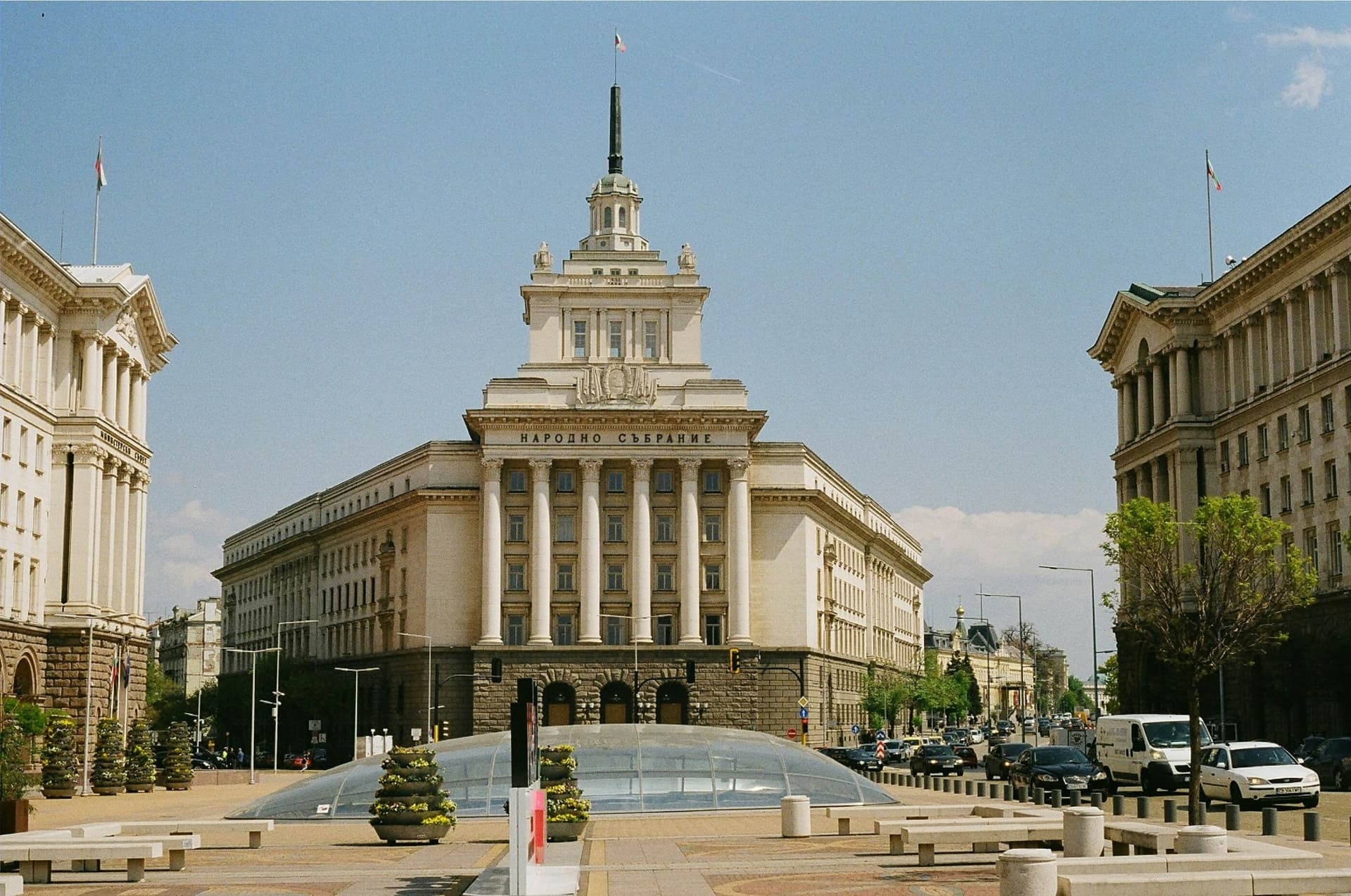
10 overnight weekend getaways within 2.5 hours of Sofia: mineral baths and spa towns, guest-house villages, winter walks and ski — with distances and transport.
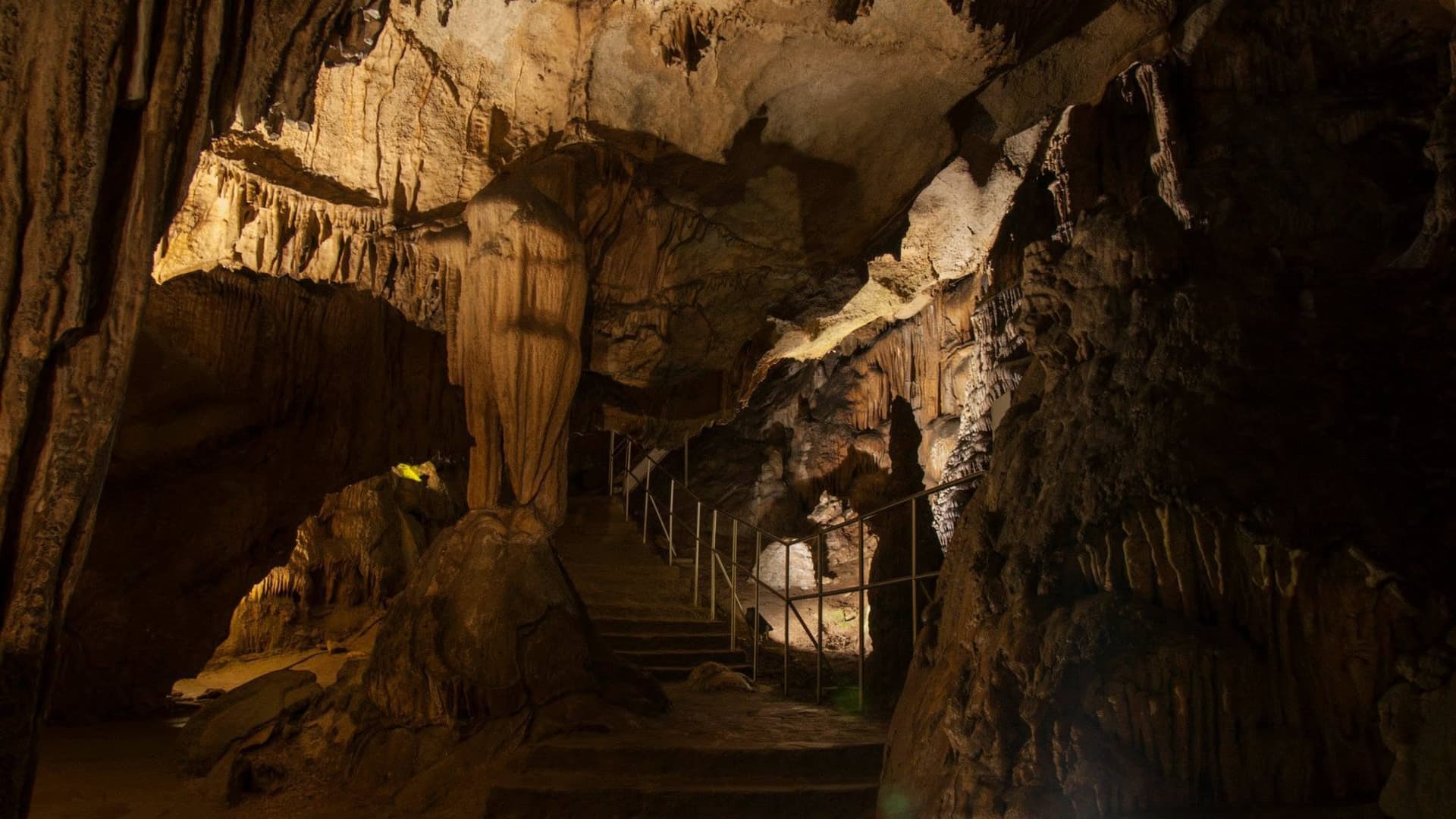
A guide to Bulgaria's show caves — Prohodna, Devetashka, the Devil's Throat, Ledenika, Bacho Kiro, Magura, Yagodina, Saeva Dupka and Snezhanka — with what each one is actually for and how to pair them.
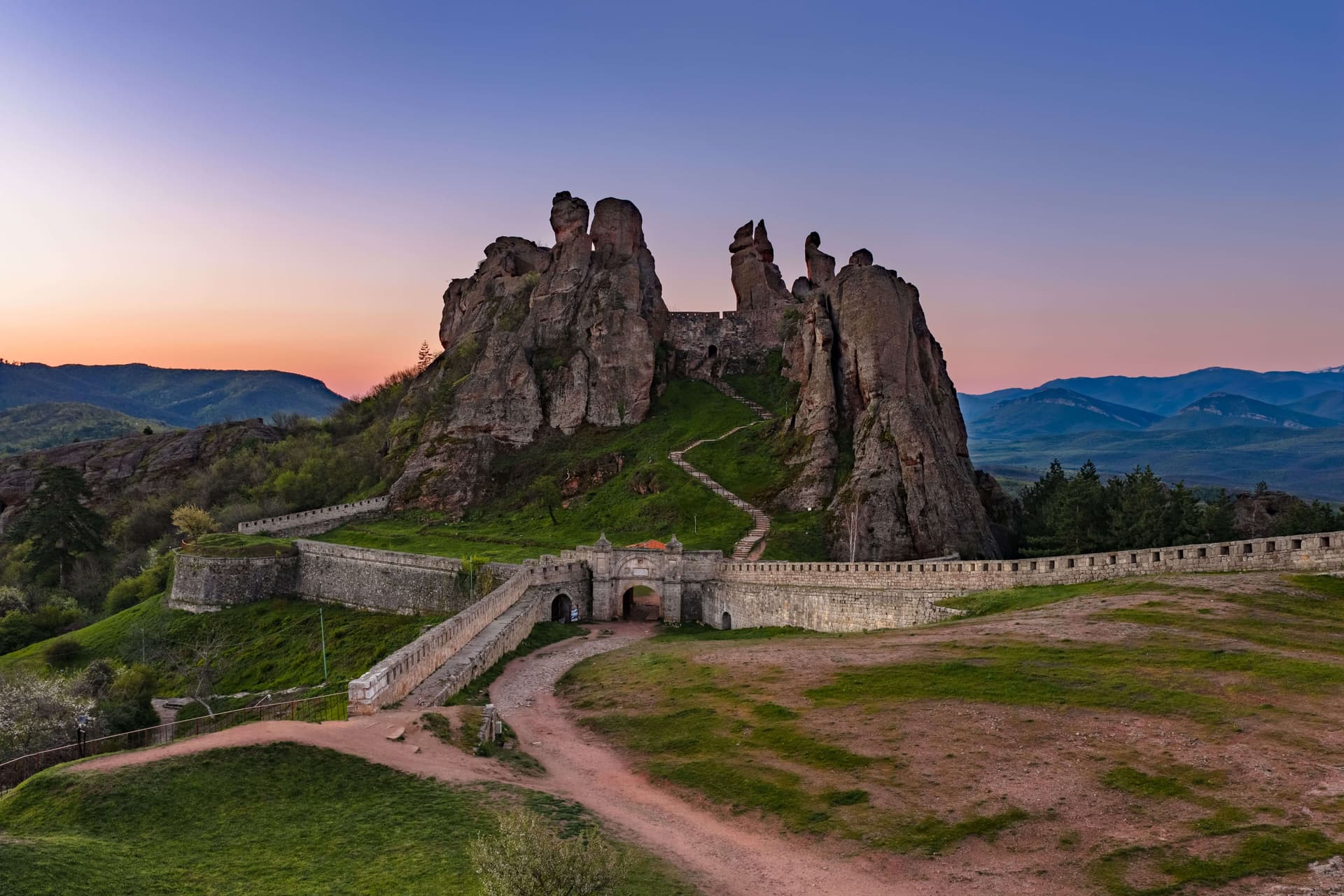
A complete 4-day road trip itinerary through Bulgaria's least-visited region: Iskar Gorge, Vratsa, God's Bridge, Chiprovtsi, Belogradchik Rocks, Magura Cave, and Vidin.
Ledenika Cave is located in Vratsa, Bulgaria.
Ledenika Cave is most easily reached by car. Use the coordinates above to navigate, or open the location in OpenStreetMap or your preferred maps app for turn-by-turn directions. Public transport options vary by region — for remote destinations a rental car gives the most flexibility.
Caves can be visited year-round — the temperature inside stays roughly 10–12°C regardless of season. Spring and autumn are quieter than peak summer. Bring a warm layer and sturdy footwear; some caves close in winter when access roads become impassable.
Access to caves varies. Show caves typically run guided tours during posted opening hours; wild caves require proper equipment and experience. Inside, the temperature stays cool year-round (~10–12°C) — bring a warm layer, sturdy non-slip footwear, and a torch even on guided tours.