MestalaMestala
HomePlacesMapTripBlogAboutFAQ
EN|БГ

Discover Bulgaria with Mestala.

AboutFAQLicensePrivacy
Baba Vida Fortress
LandmarksVidin

Baba Vida Fortress

HomePlacesLandmarksBaba Vida Fortress
Coordinates: 43.99297, 22.88608
View on OpenStreetMapGet directions

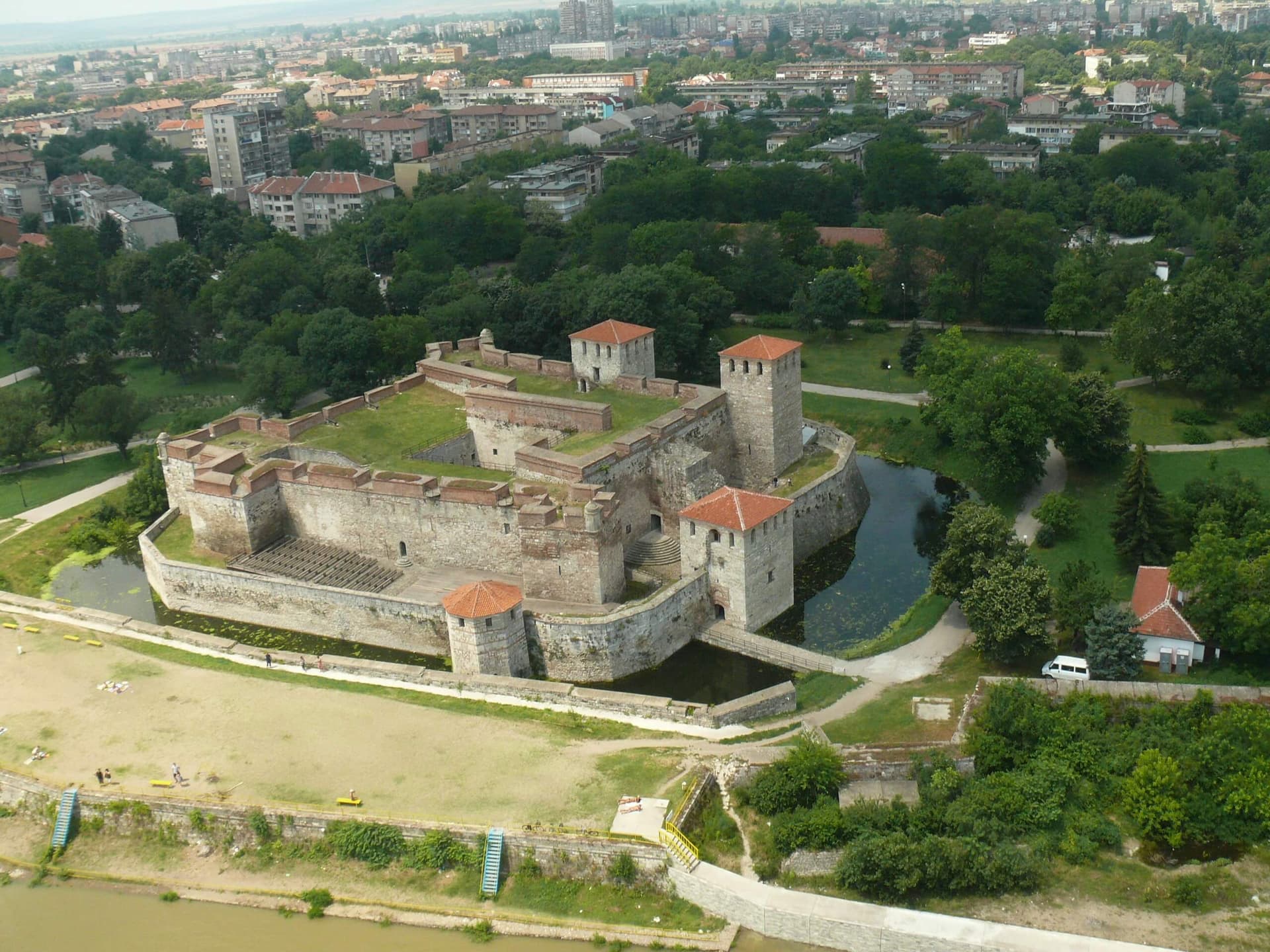
Spanning an area of nearly 7 square kilometers along the banks of the Danube River, the Vidin City Fortress (comprising the modern-day Kaleto Quarter) stands as the second-largest fortification system in Bulgaria, trailing only the early medieval capital of Pliska. Dubbed by the Ottomans as the "Virgin Fortress" (Kaz Kale) because it was never taken by direct military force, this monumental structure remains an enduring symbol of military architecture along the Danube. The fortress was erected over the remains of the ancient Thracian/Celtic settlement Dunonia and the subsequent Roman legionary stronghold of Bononia in Upper Moesia, continuously upgraded through the Second Bulgarian Empire and the Ottoman era. The Three Defensive Rings Finalized in 1735 based on designs by Austro-Hungarian engineer Gezar Mustafa and constructed by Bulgarian master builders Gigo, Nikola, and Tanas, the Vidin City Fortress encompasses three concentric defensive circuits: - Inner Ring (The Citadel): Features the remarkably preserved medieval castle (Baba Vida), positioned directly on the riverbank and encircled by a deep moat. - Middle Ring (Stone Walls & Gates): Situated 500–1,000 meters outside the citadel, this ring includes heavy stone curtain walls, an 18-meter-wide and 5-to-6-meter-deep moat filled with river water, and 13 fortified stone gates (kapias)—6 facing the river and 7 facing land. - Preserved Gates: Famous surviving gates include the main city entrance Stambol Kapia (on Bdintsi Square), Telegraf Kapia in the Danube Park, Top Kapia near the castle, Yenichar Kapia, and Pazar Kapia. - The "Rova" Park: The filled southern section of the moat has been converted into the green "Rova" City Park, separating the old city from modern districts. - Outer Ring (The Redoubt): Situated 1 km further out, this line consists of an earthen rampart system with redoubts completed around 1838. An Invincible Military History The fortress's legacy is defined by legendary sieges where its walls proved unyielding: - The Crusade of Varna (1443): The combined crusader armies of Władysław III and John Hunyadi attacked the fortress perimeter but failed to breach the main stronghold. - Osman Pazvantoğlu's Rebellion (1792): The rebellious Ottoman governor successfully repelled imperial siege forces behind its formidable stone walls. - Russo-Turkish War (1877–1878): During the Romanian siege, the fortress withstood heavy artillery bombardments, only surrendering after receiving explicit imperial orders from the Sultan following the Armistice of Adrianople. - Serbo-Bulgarian War (1885): Captain Atanas Uzunov ordered river water diverted from the Danube into the surrounding moats, completely flooding the perimeter and turning Vidin into an impenetrable island that repelled all Serbian assaults. - Second Balkan War (1913): In July 1913, the garrison and local defenders successfully endured and repelled a comprehensive Serbian siege. Useful Visitor Information - Location: City of Vidin, Kaleto District (central city area along the Danube River). - Accessibility: Open access for walking tours around the historic gates, Danube Park, and "Rova" Park. - Key Highlights: Stambol Kapia main gate, Telegraf Kapia, the riverside promenade, and Baba Vida Castle. - Trip Tip: Take a walking tour starting at Bdintsi Central Square, pass through the imposing arch of Stambol Kapia, stroll through the riverside Danube Park past Telegraf Kapia, and conclude your tour at Baba Vida Castle.

7-day forecast

Weather data from MET Norway

Nearby Places

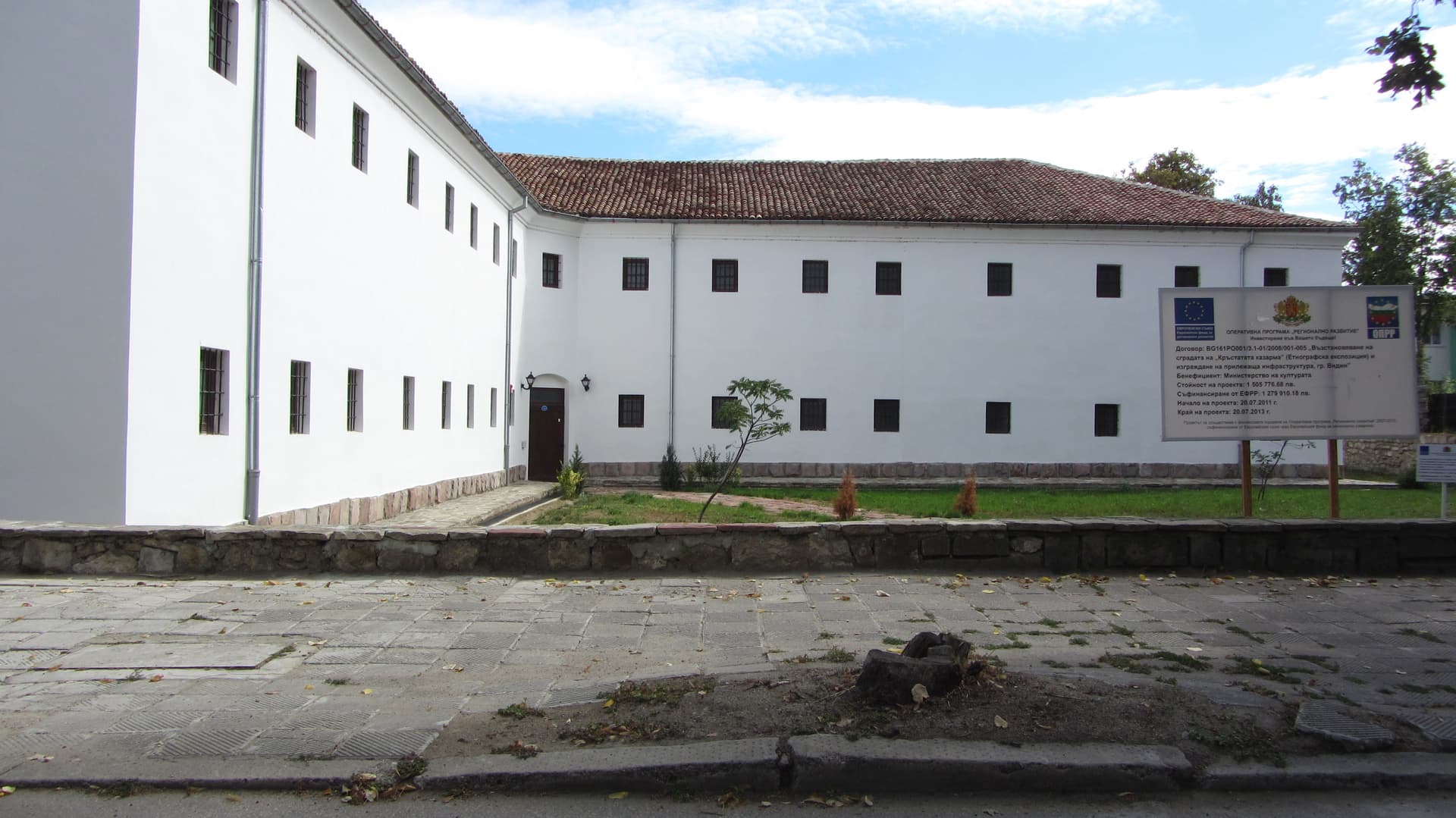
Cruciform barrack
Museums

Cruciform barrack

Vidin

0.5 km away

Vidin
Settlements

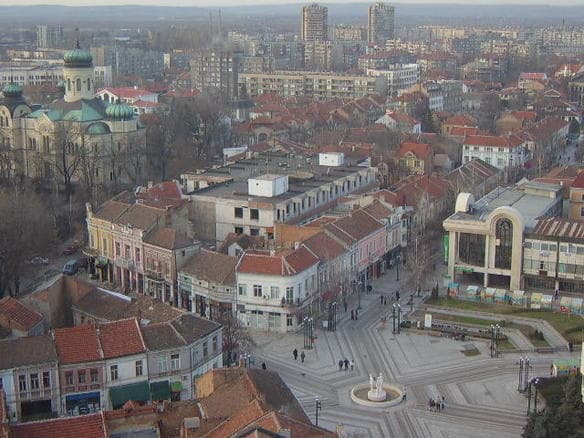
Vidin

Vidin

1.1 km away

House-museum "prof. Aleksandar Poplilov"
Museums

House-museum "prof. Aleksandar Poplilov"

Vidin

31.7 km away

Lom
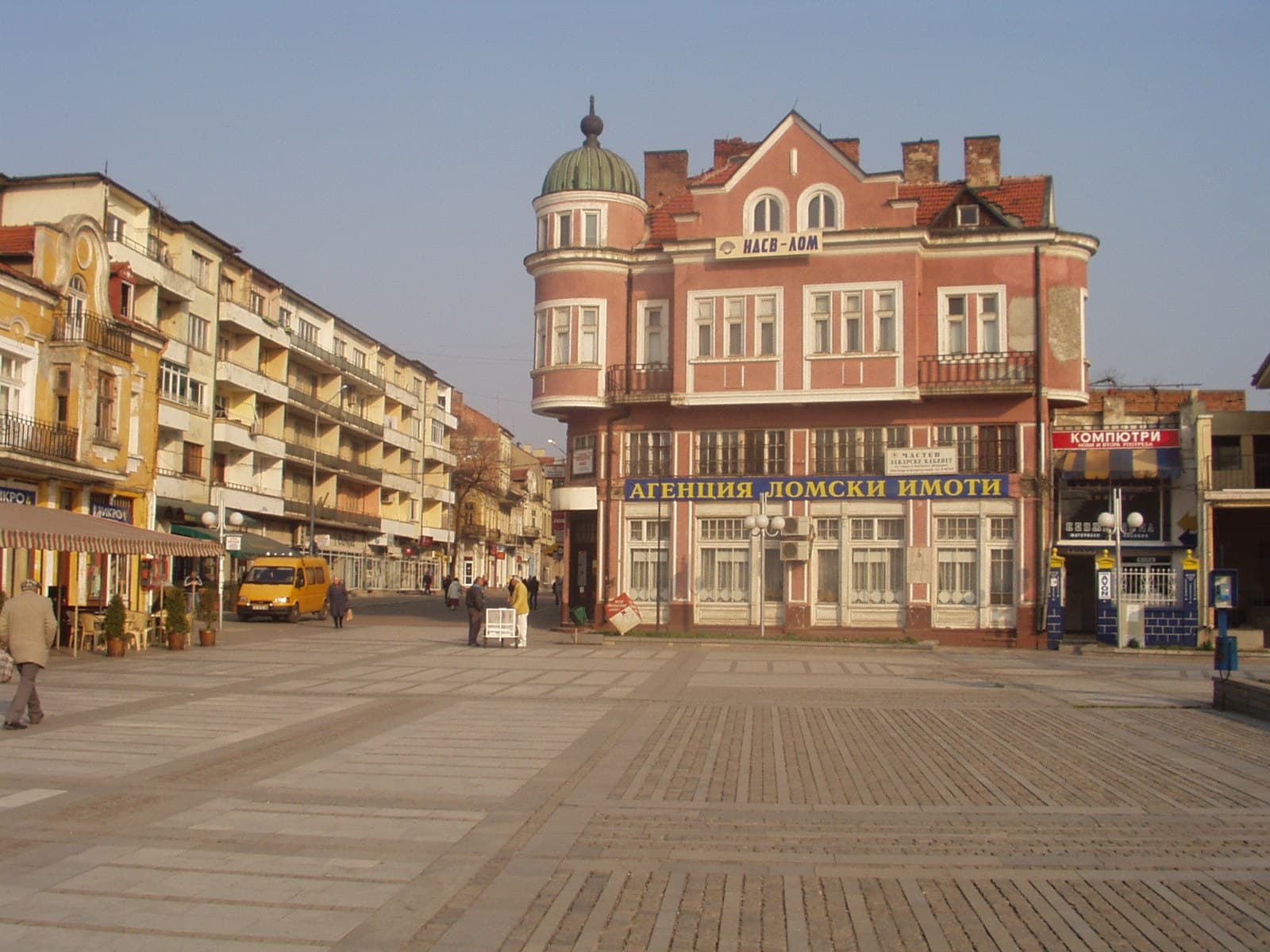
Settlements

Lom

Montana

34.2 km away

More to explore

Belogradchik Rocks
Landmarks

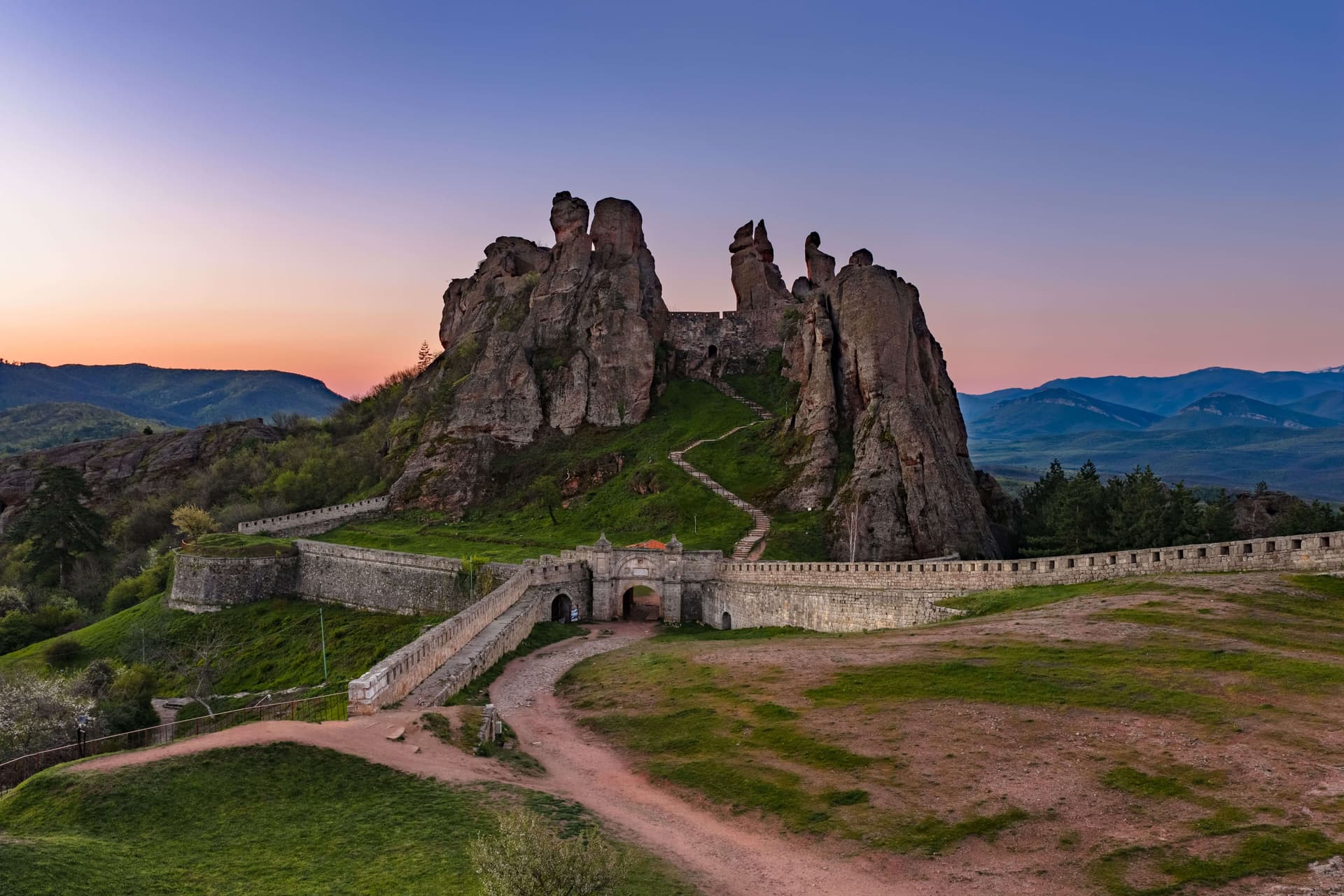
Belogradchik Rocks

Vidin

Belogradchik Fortress
Landmarks

Belogradchik Fortress

Vidin

Tsarevets
Landmarks

Tsarevets

Veliko Tarnovo

Ostrusha Thracian Tomb
Landmarks

Ostrusha Thracian Tomb

Stara Zagora

Read more in our travel guides

North-West Bulgaria Road Trip: 4-Day Itinerary & Driving Guide

North-West Bulgaria Road Trip: 4-Day Itinerary & Driving Guide

A complete 4-day road trip itinerary through Bulgaria's least-visited region: Iskar Gorge, Vratsa, God's Bridge, Chiprovtsi, Belogradchik Rocks, Magura Cave, and Vidin.

9 August 20266 min read
Vidin Travel Guide: Baba Vida Castle & Top Things to Do

Vidin Travel Guide: Baba Vida Castle & Top Things to Do

A complete travel guide to Vidin on the Danube: Explore Baba Vida castle, visit the restored Synagogue (Jules Pascin Center), and pair it with Belogradchik and Magura Cave.

9 August 20265 min read

Frequently asked questions

Where is Baba Vida Fortress located?

Baba Vida Fortress is located in Vidin, Bulgaria.

How do I get to Baba Vida Fortress?

Baba Vida Fortress is most easily reached by car. Use the coordinates above to navigate, or open the location in OpenStreetMap or your preferred maps app for turn-by-turn directions. Public transport options vary by region — for remote destinations a rental car gives the most flexibility.

What is the best time to visit Baba Vida Fortress?

Baba Vida Fortress can be visited year-round. Spring and autumn offer the most pleasant conditions for exploring, with mild temperatures and fewer crowds. Summer is ideal for photography and longer day trips; winter visits are possible but weather can limit access at some sites.

What should I know before visiting Baba Vida Fortress?

Most natural landmarks in Bulgaria are freely accessible and open year-round, though some sites have entrance fees or require a guide. Wear sturdy footwear and bring water, as the terrain can be uneven. Respect any protective barriers and stay on marked paths to preserve the site.