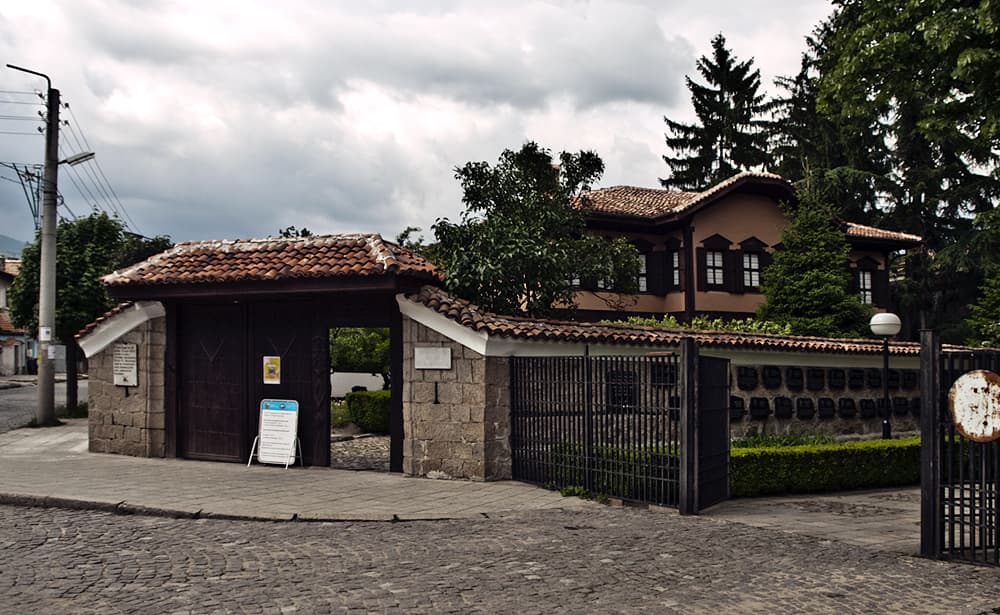
The Isperih History Museum has been an independent museum since 1984 and is one of the 100 National Tourist Sites. It looks after the Sboryanovo historical and archaeological reserve near the town, on the UNESCO World Heritage List for the Thracian Tomb of Sveshtari.
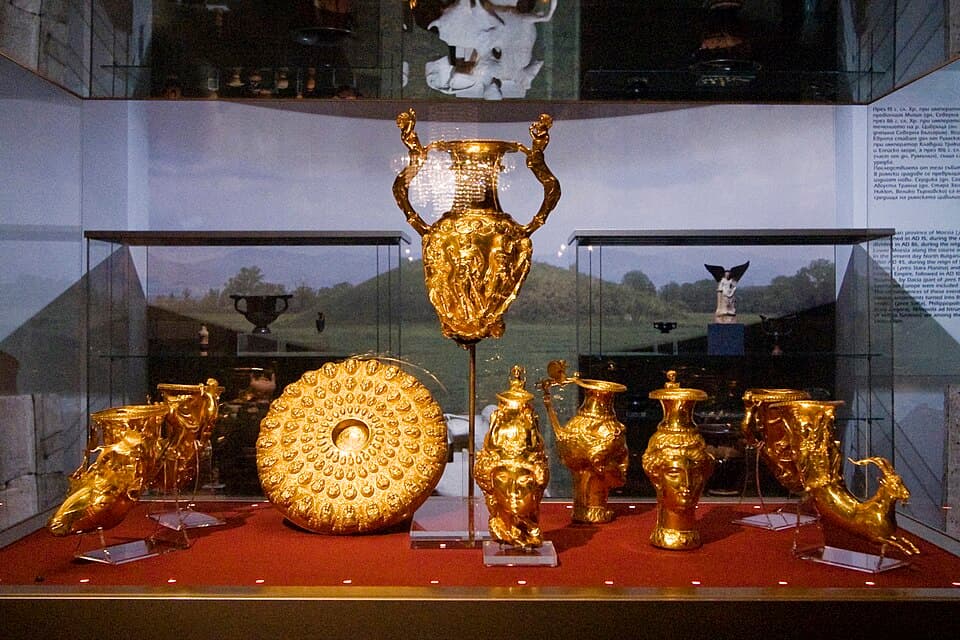
The museum holds more than 30,000 objects in its archaeology, ethnography and modern history departments. The archaeology covers finds from the Neolithic to the Middle Ages from excavations around Isperih. The ethnography shows how the traditions of people who settled here from across the country and from Romanian Dobrudja blended together.
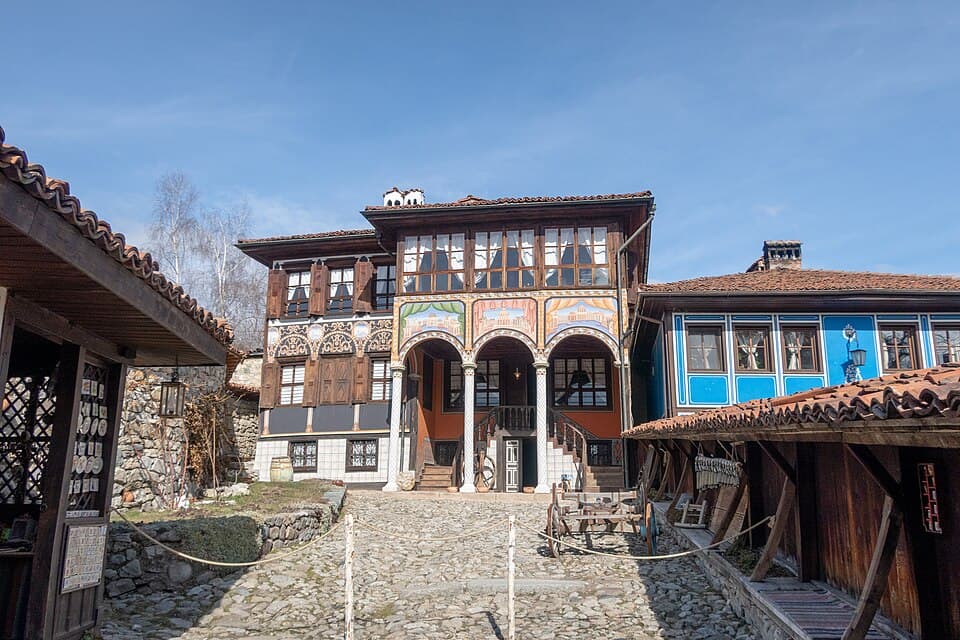
The museum also runs an ethnographic house, an art gallery and a windmill in the village of Belintsi.
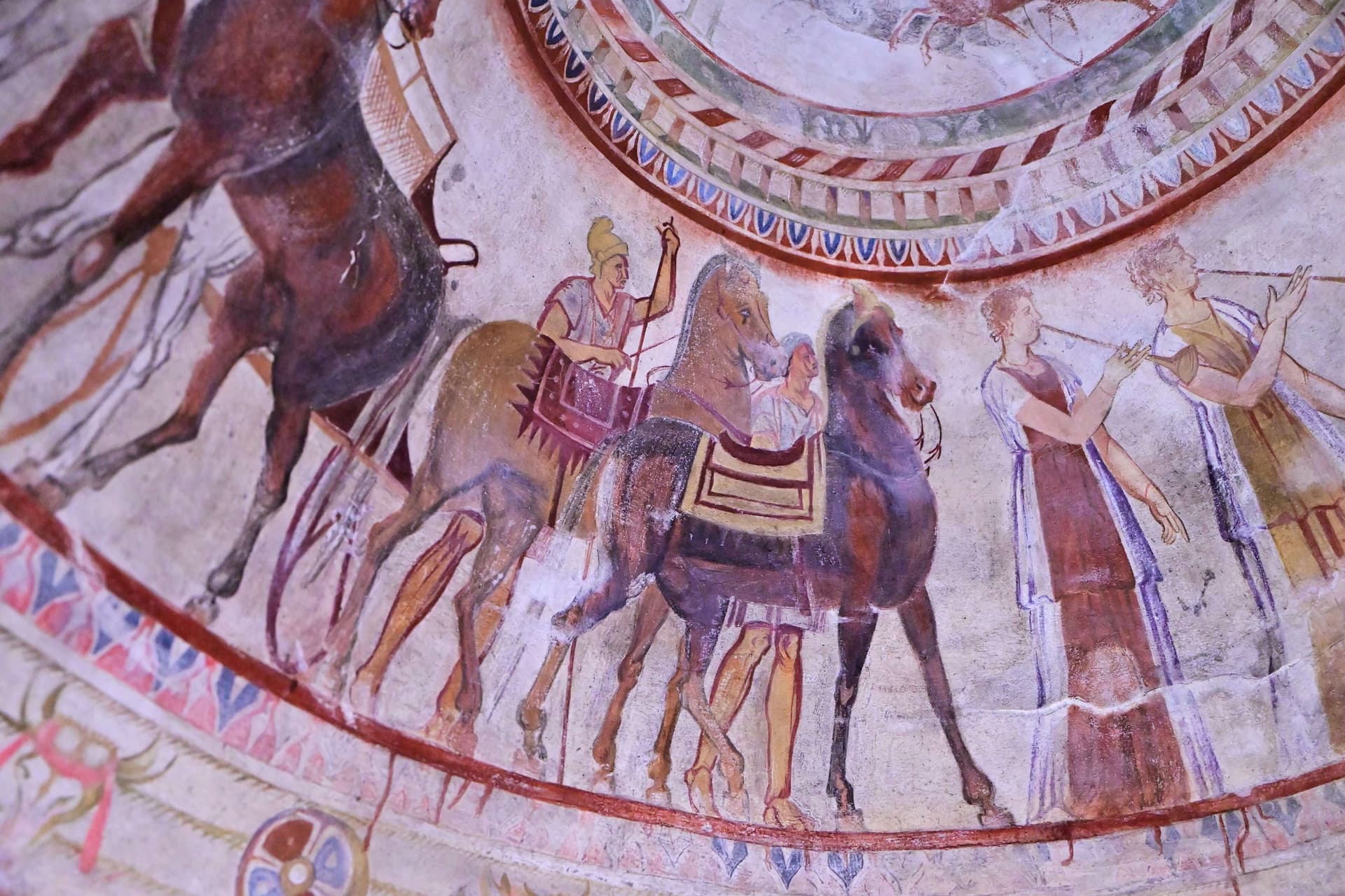
Museum work in the town began in 1927 with the Han Omurtag archaeological society. The collection was long kept in the Saznanie community centre, where a permanent exhibition opened in 1975. After the discovery of the Sveshtari tomb in 1982 the area became the centre of major research. Over 140 archaeological sites are recorded at Sboryanovo, among them the royal Thracian tomb of Sveshtari, the Demir Baba Teke and the Getic capital Helis.
Check the opening hours on the museum’s website before you go.
Combine with: the Sboryanovo reserve and the Sveshtari tomb.
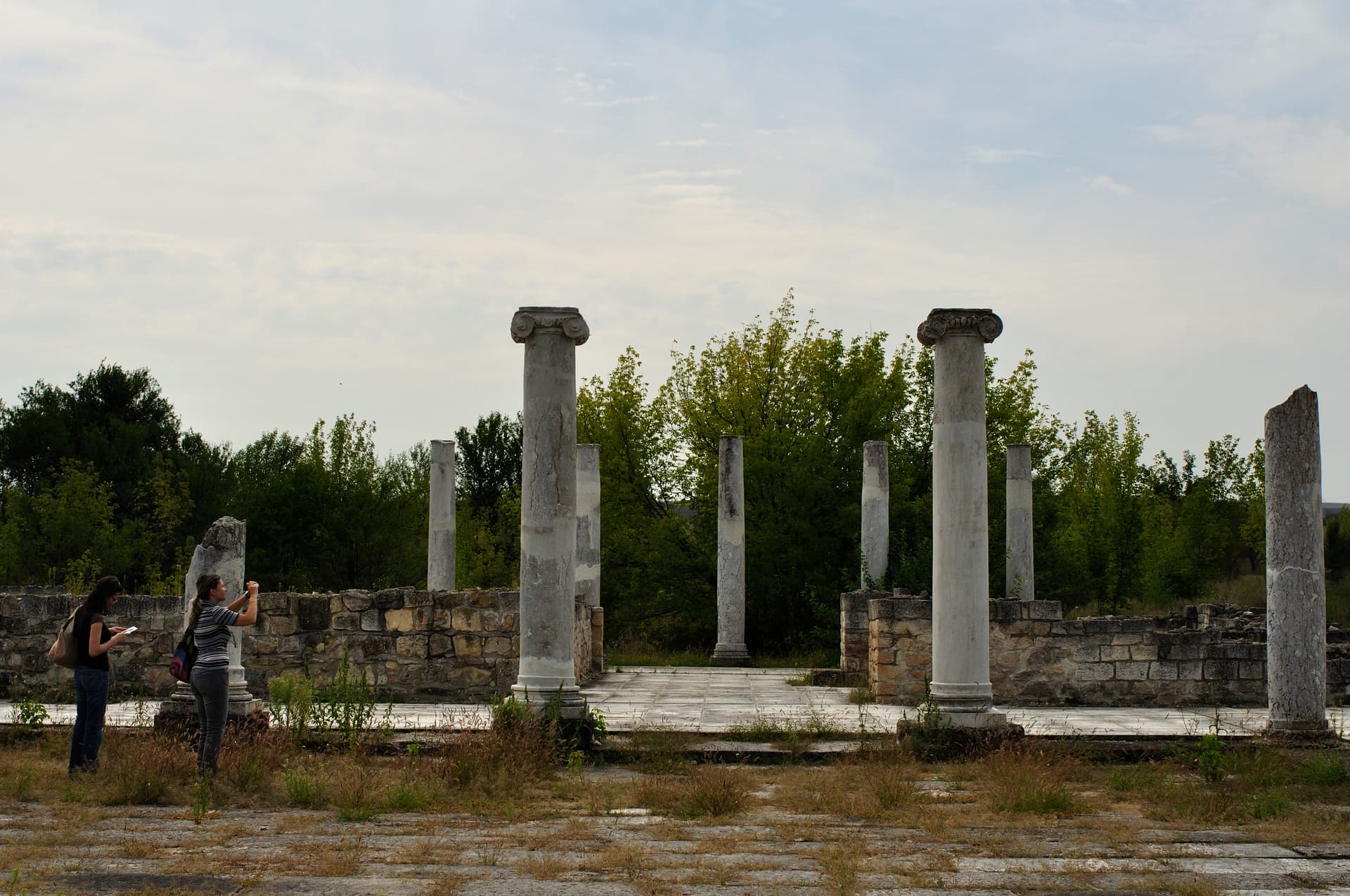
Razgrad region
30.9 km away
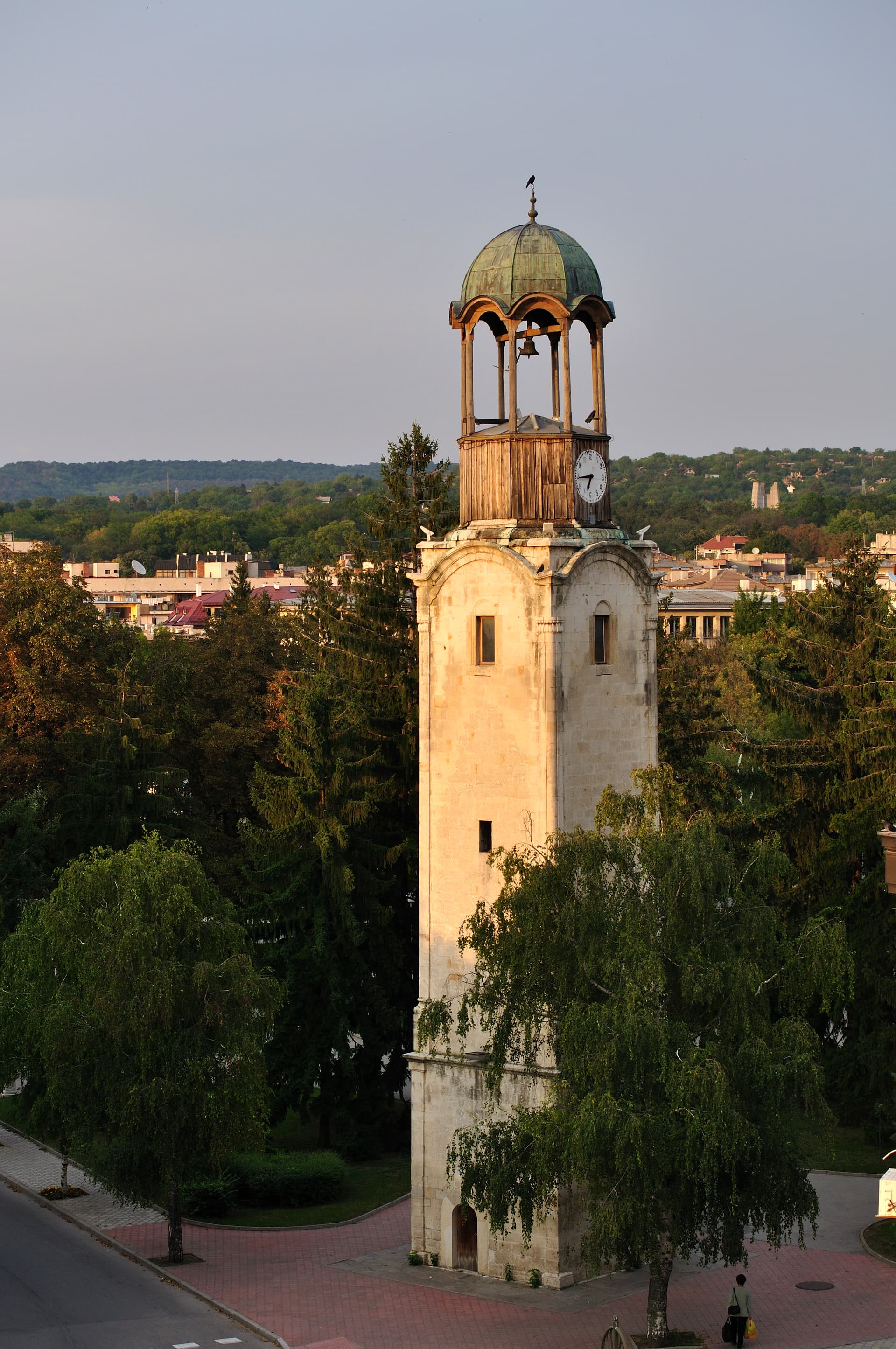
Razgrad region
32.5 km away
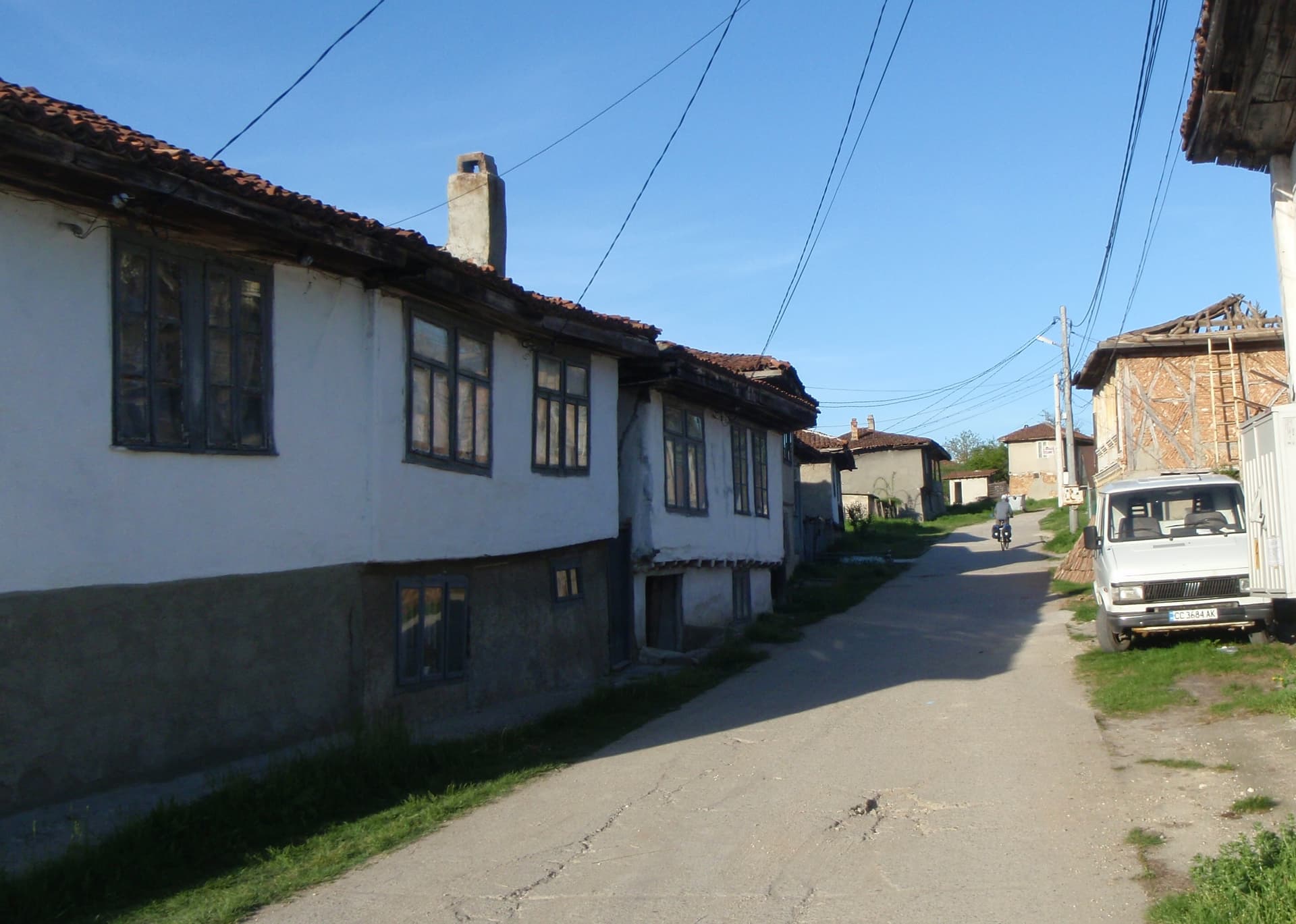
Silistra region
40.4 km away

Razgrad region
44.3 km away
Isperih History Museum is located in Razgrad, Bulgaria.
Isperih History Museum is most easily reached by car. Use the coordinates above to navigate, or open the location in OpenStreetMap or your preferred maps app for turn-by-turn directions. Public transport options vary by region — for remote destinations a rental car gives the most flexibility.
Isperih History Museum can be visited year-round. Verify current opening hours directly with the museum before your visit, as schedules change seasonally and on public holidays.
Opening hours and admission fees vary, and most Bulgarian museums close one day per week (commonly Monday). Verify current schedules and prices directly with the museum or the local tourist information office before visiting Isperih History Museum, especially on public holidays.