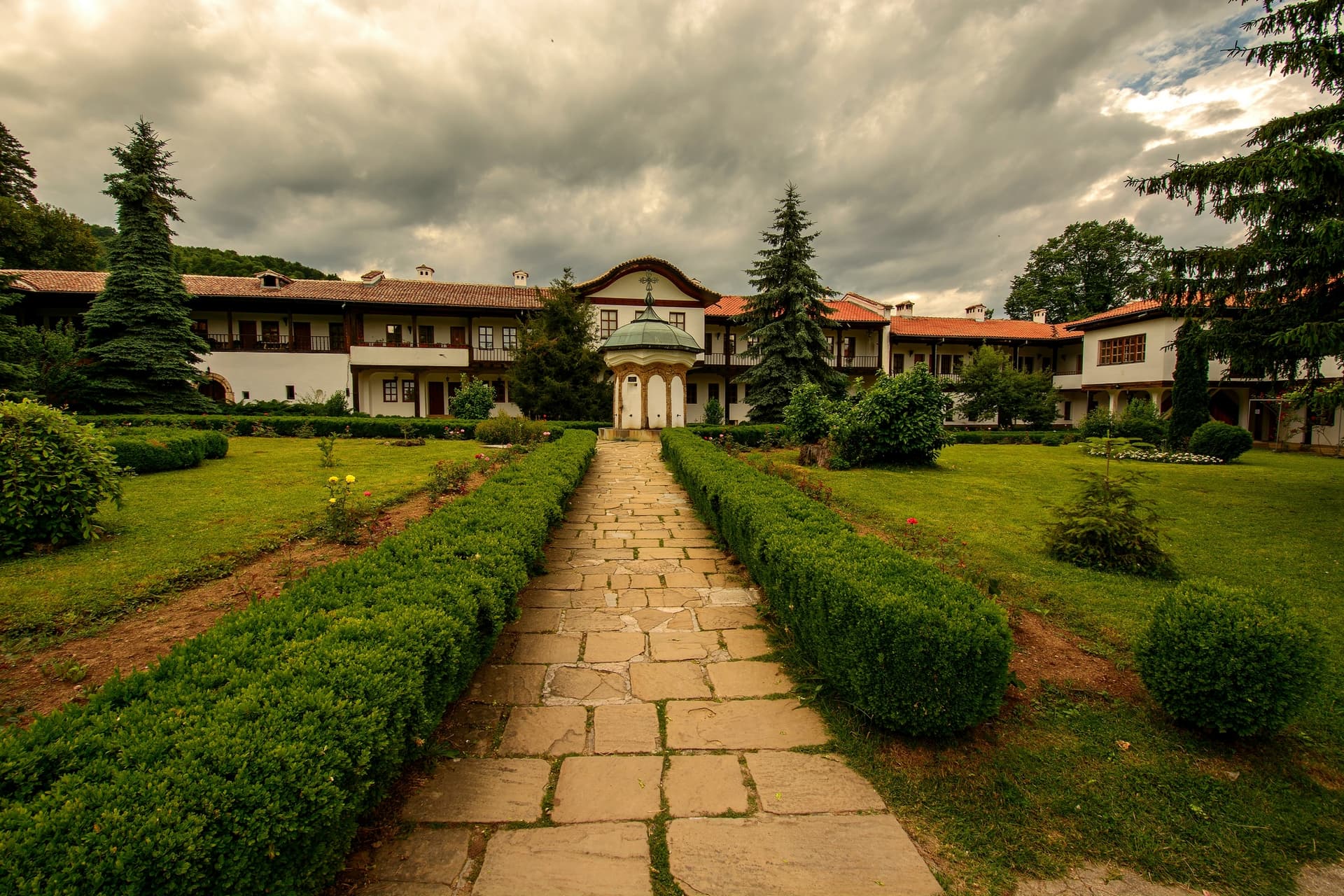
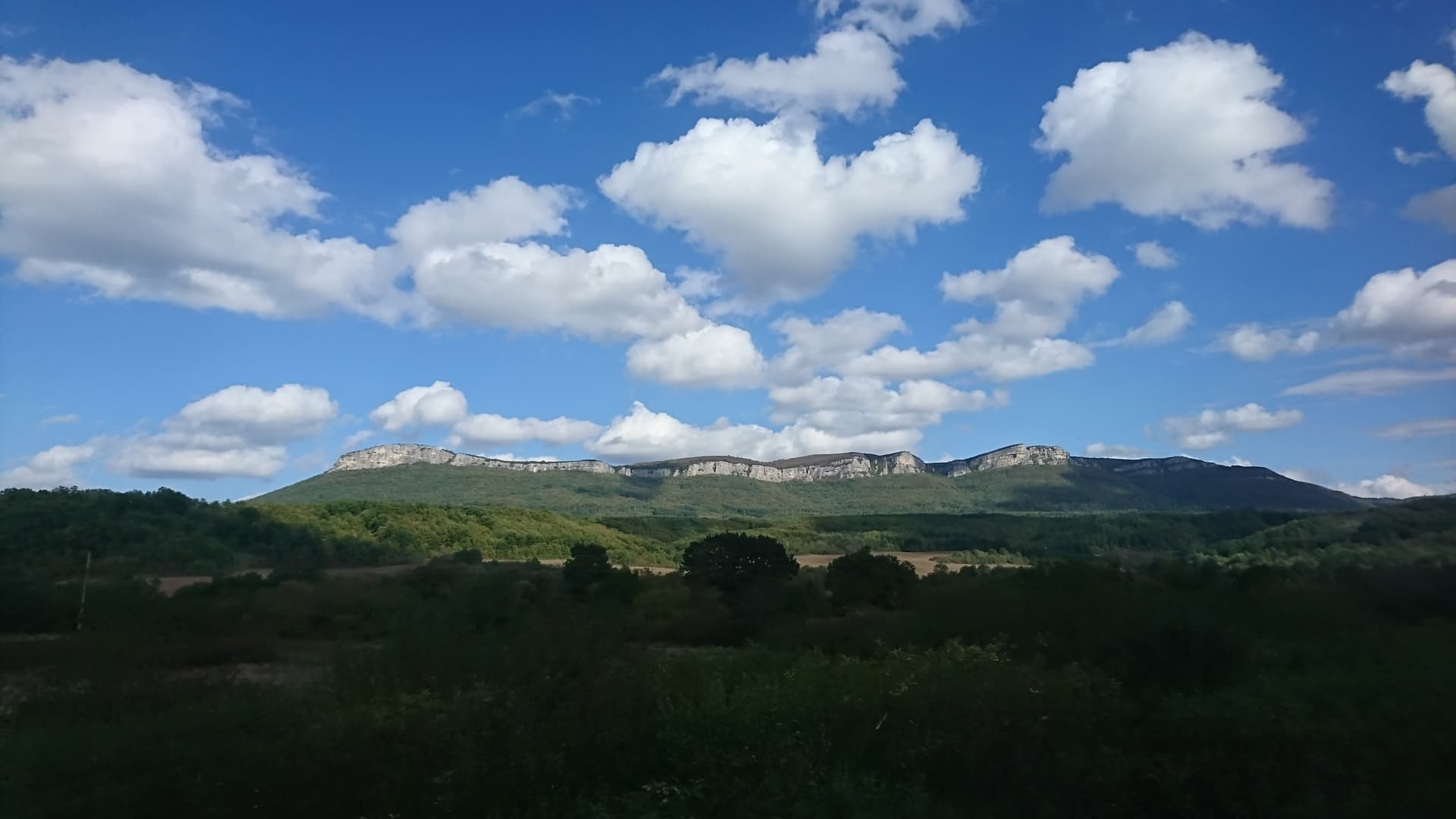
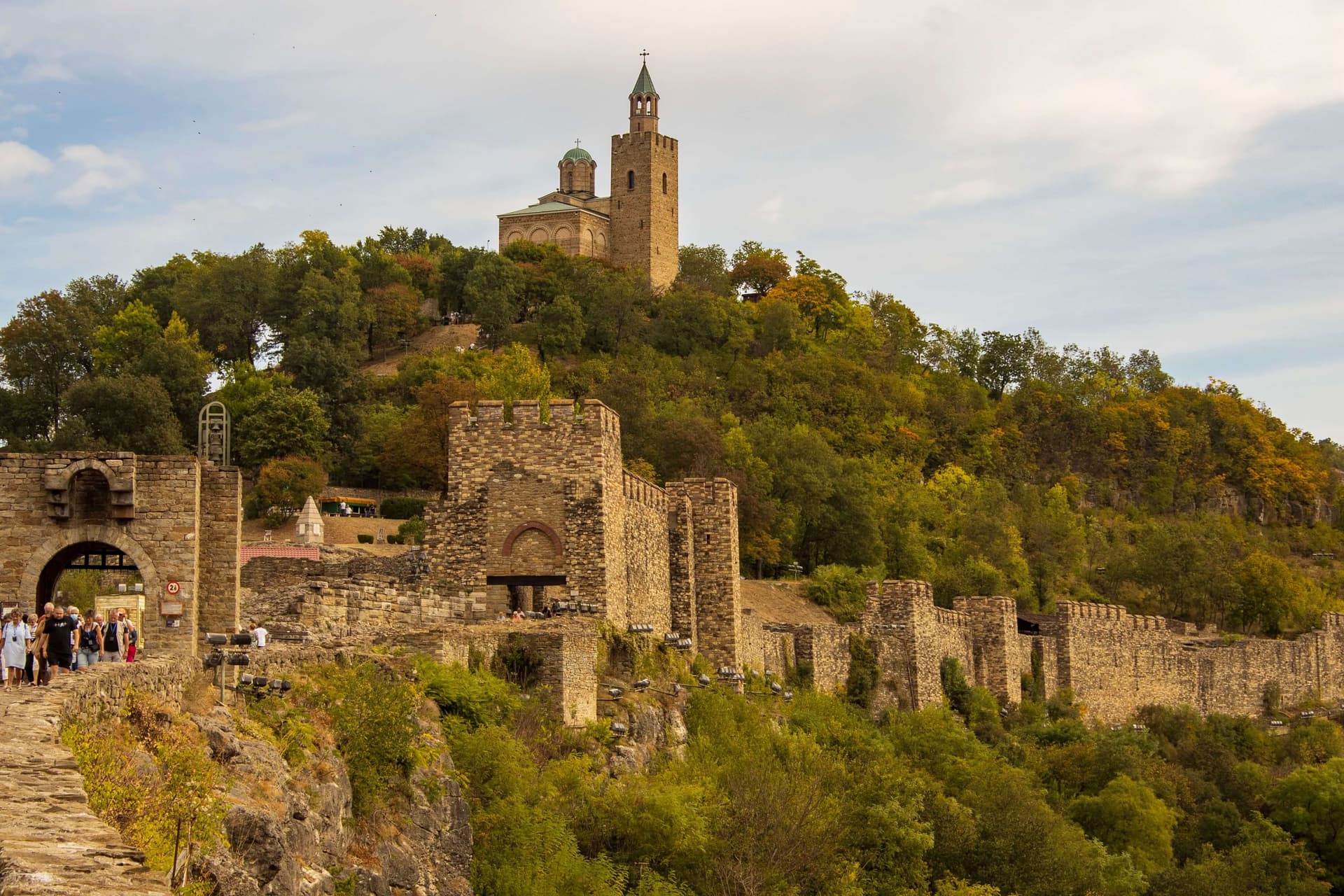
Nestled within the picturesque gorge of the Dryanovska River, just 5 km kilometers southwest of Dryanovo and 15 km from Gabrovo, the Dryanovo Monastery of St. Archangel Michael stands as one of Bulgaria's most revered Orthodox sanctuaries. Encased by the towering limestone cliffs of Boruna and Polichkite, this active male monastery blends centuries of spiritual faith, revolutionary heroism, and ancient prehistoric history.
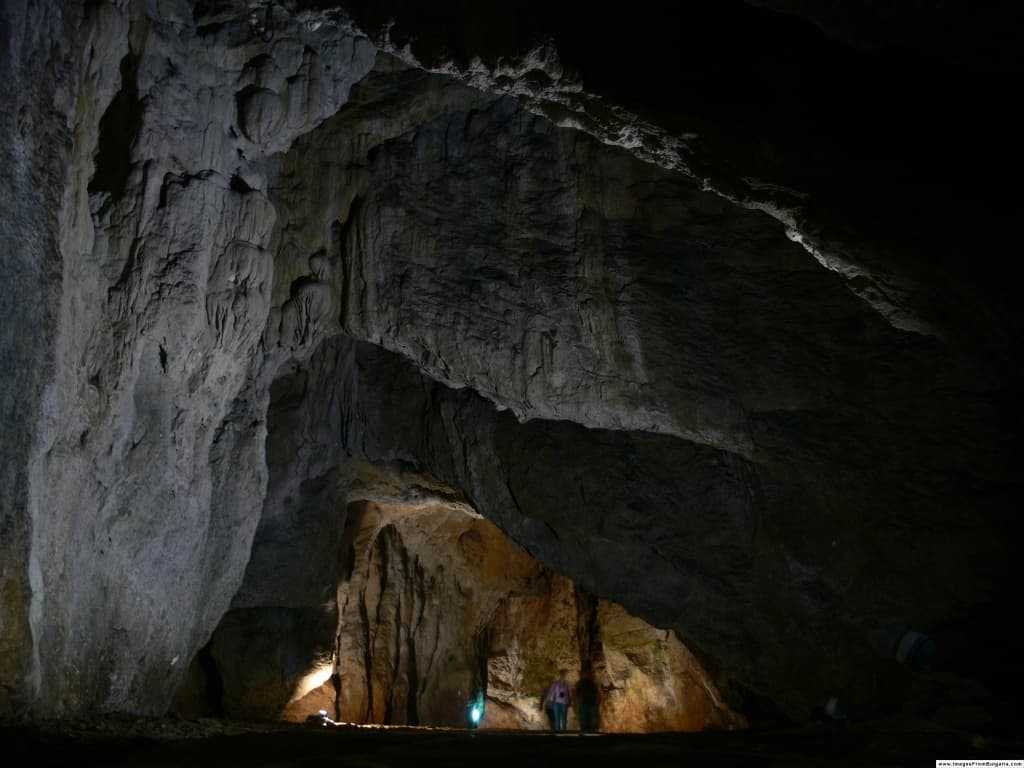
The canyon surrounding the monastery shelters some of the earliest evidence of human habitation in Europe:
Throughout the centuries of Ottoman rule, the monastery served as a vital educational center and safe haven for Bulgarian revolutionaries, including the national hero Vasil Levski.
The monastery's most famous chapter was written during the April Uprising of 1876:
Gabrovo region
0.4 km away

Gabrovo region
3.8 km away
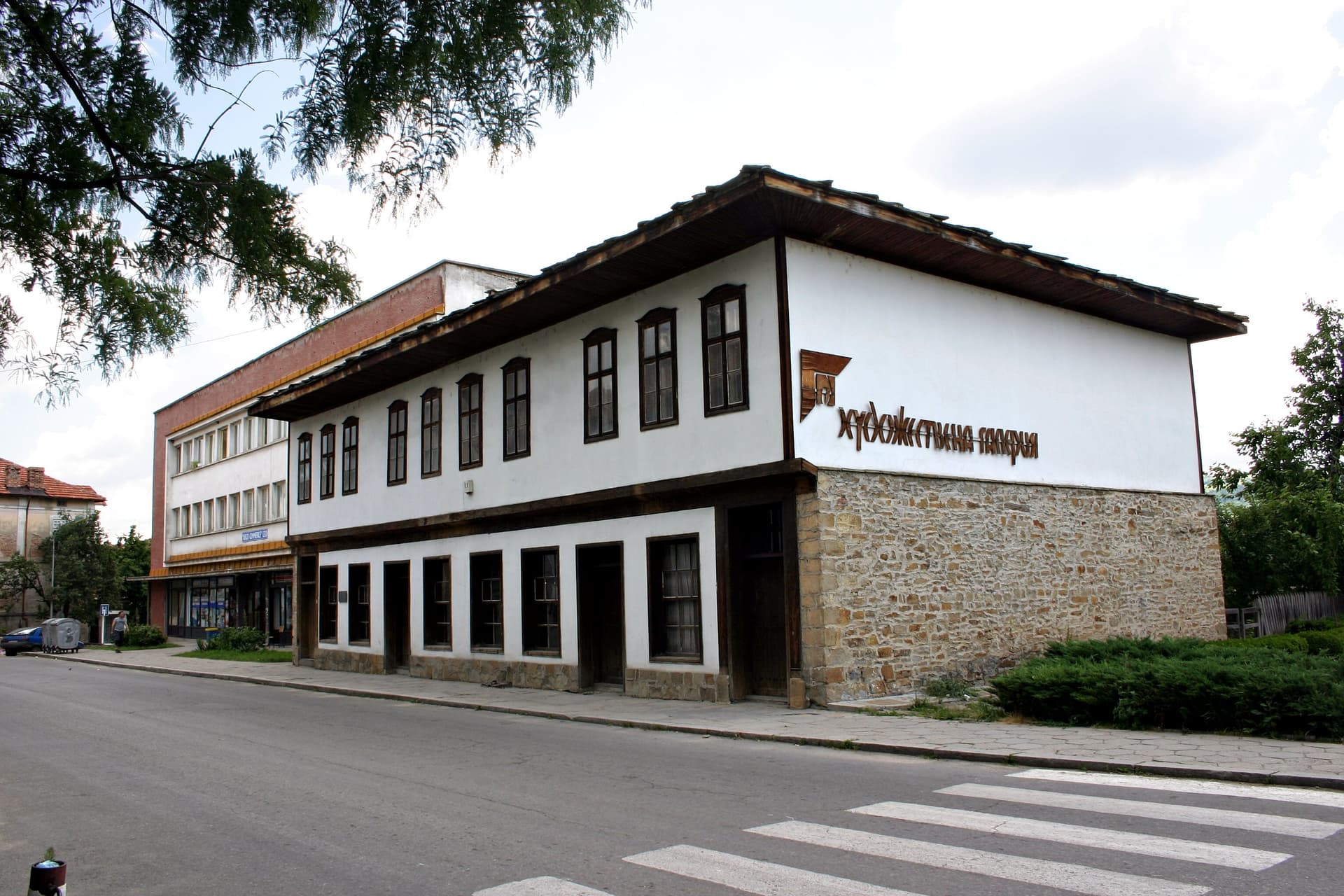
Gabrovo region
4.2 km away
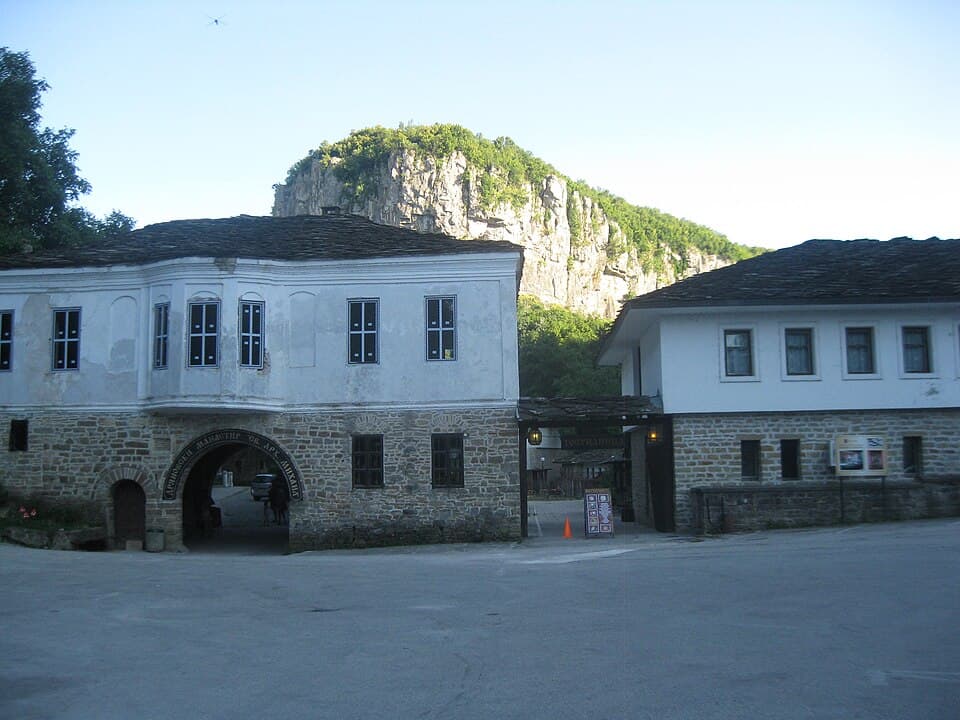
A guide to the Dryanovo Monastery and the Bacho Kiro cave in the Andaka gorge: the nine-day siege of 1876, the cave's two lit routes, the 45,000-year-old human remains found inside, and how to walk the gorge trails.
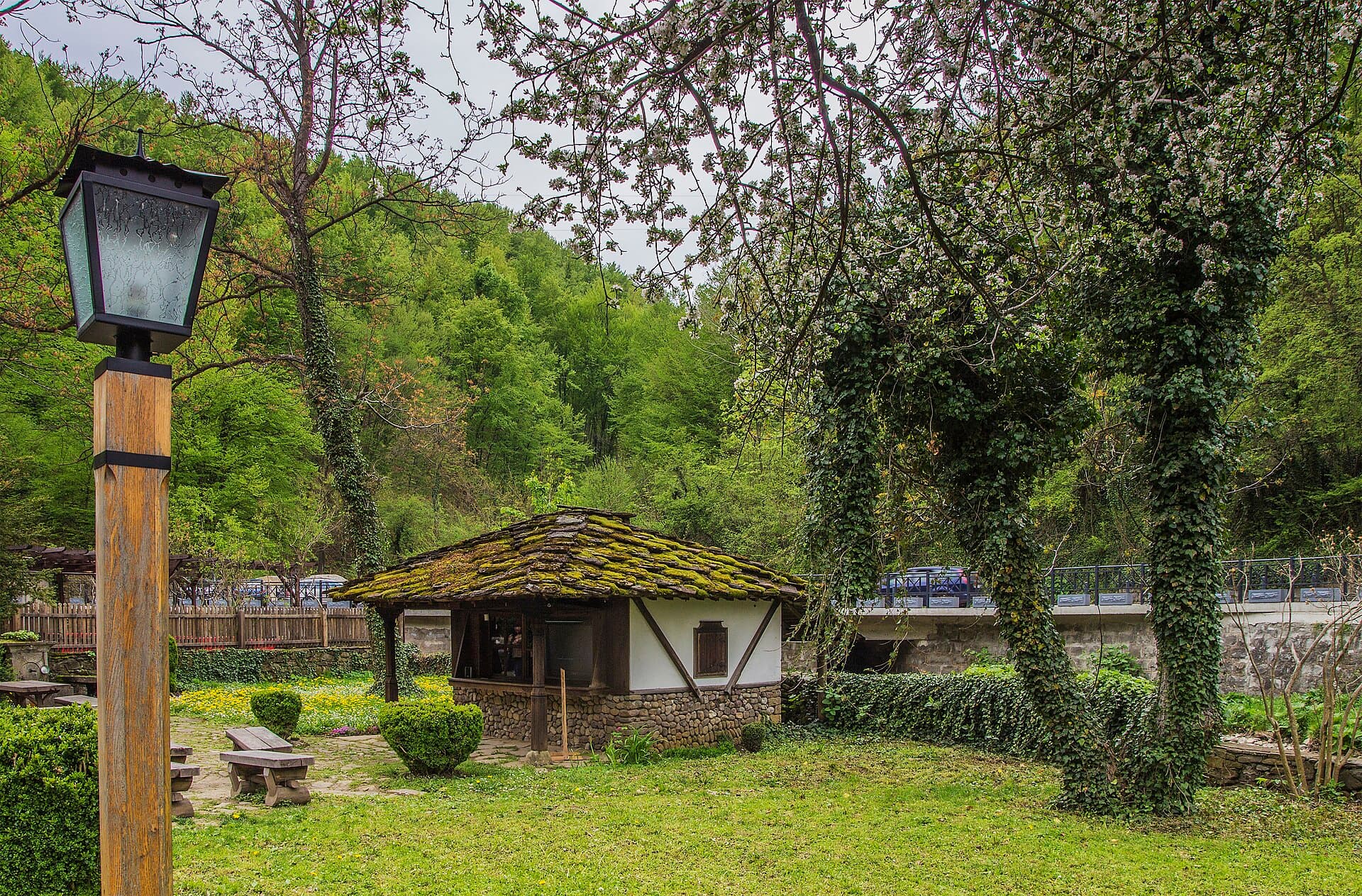
A guide to the Etar Architectural-Ethnographic Complex near Gabrovo: a reconstructed Revival craft street where the workshops still run on water power, what each trade does, how long to allow, and how to combine it with Tryavna and Bozhentsi.
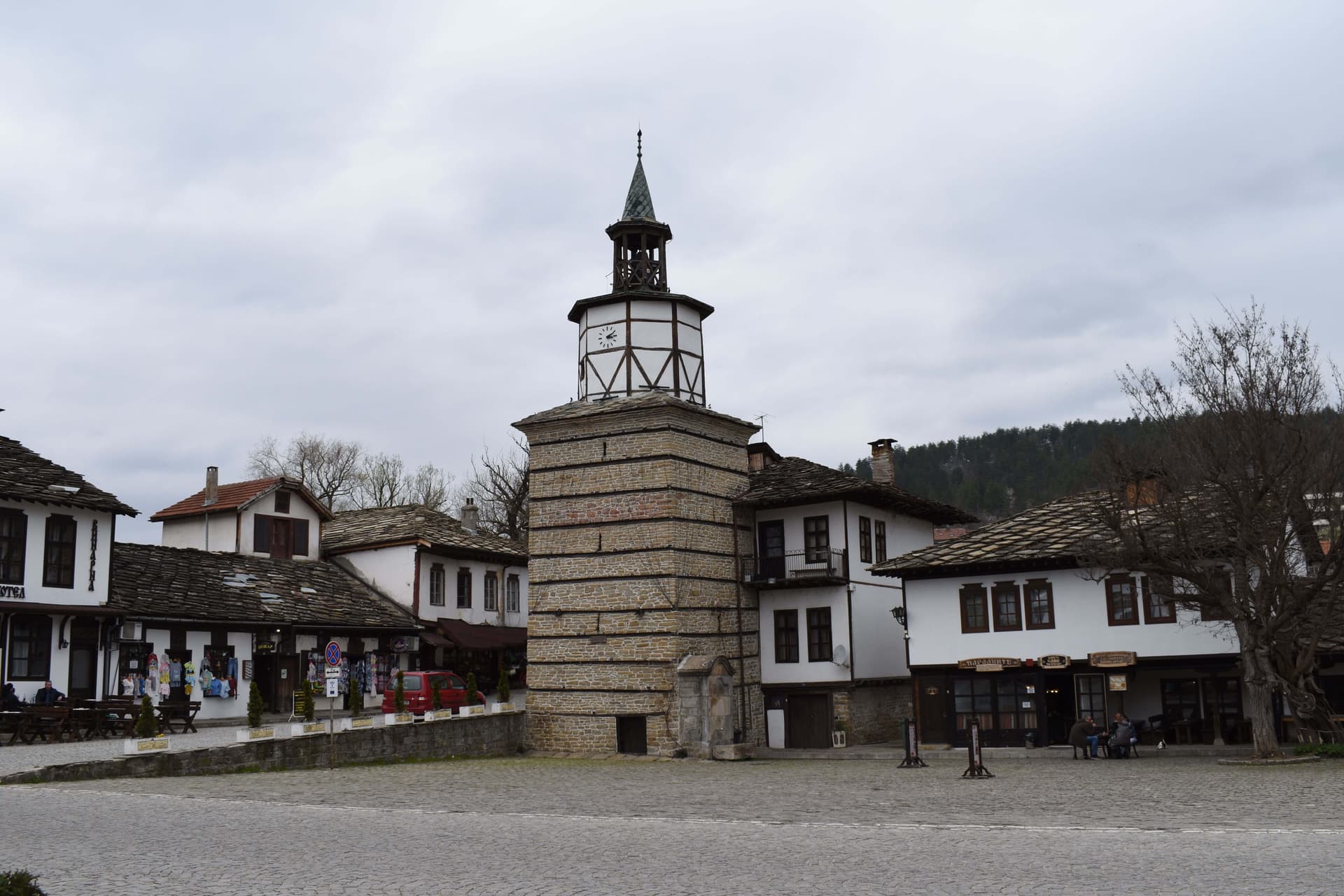
A travel guide to Tryavna in the Balkan Mountains: the oldest preserved Revival square in Bulgaria, the 1814 clock tower, the Daskalov House sun ceilings, the Tryavna woodcarving school, and how to combine it with Bozhentsi and Dryanovo.
Dryanovo Monastery is located in Gabrovo, Bulgaria.
Dryanovo Monastery is most easily reached by car. Use the coordinates above to navigate, or open the location in OpenStreetMap or your preferred maps app for turn-by-turn directions. Public transport options vary by region — for remote destinations a rental car gives the most flexibility.
Dryanovo Monastery can be visited year-round. Spring and autumn offer the most pleasant conditions for exploring, with mild temperatures and fewer crowds. Summer is ideal for photography and longer day trips; winter visits are possible but weather can limit access at some sites.
Most natural landmarks in Bulgaria are freely accessible and open year-round, though some sites have entrance fees or require a guide. Wear sturdy footwear and bring water, as the terrain can be uneven. Respect any protective barriers and stay on marked paths to preserve the site.