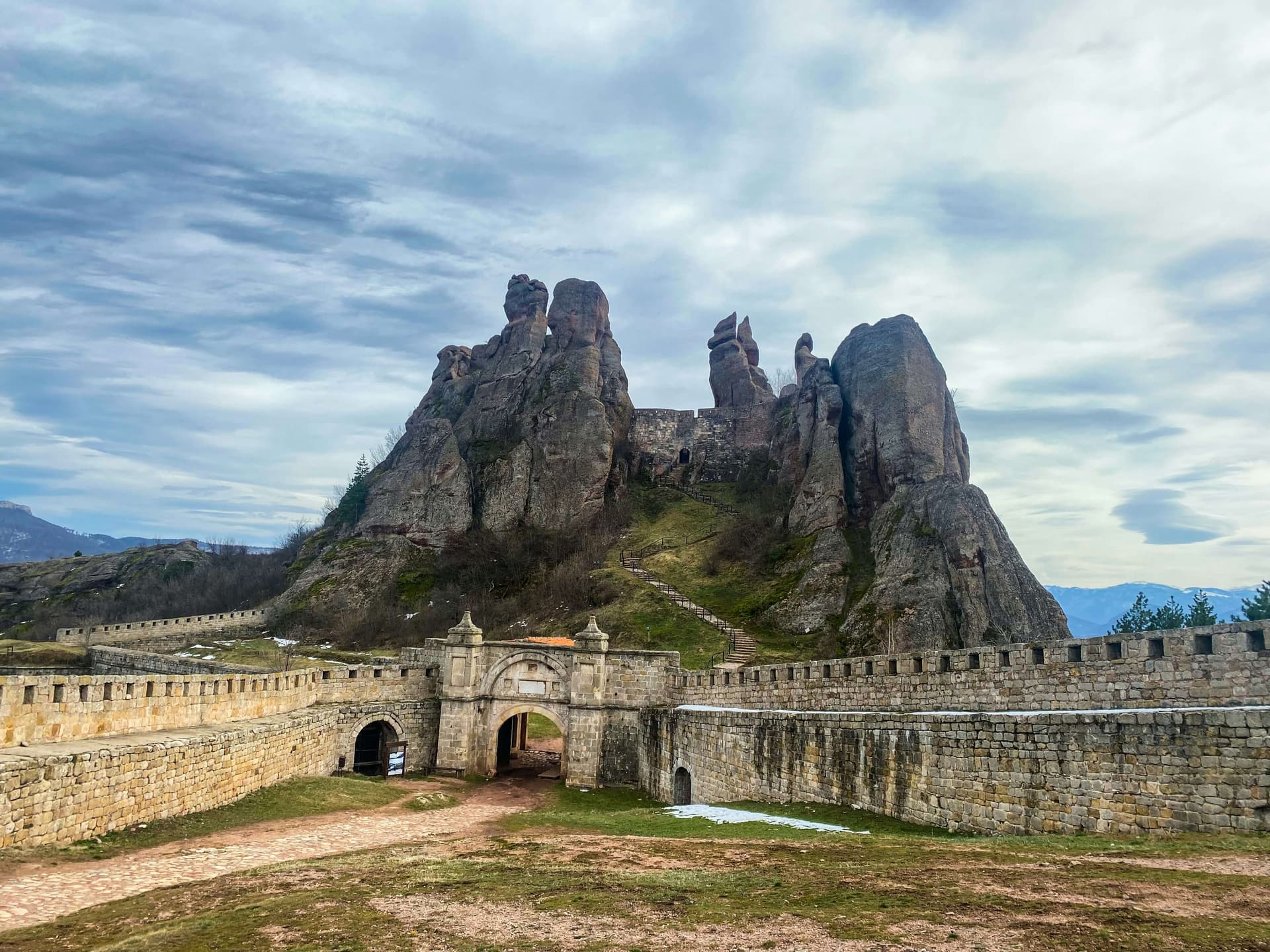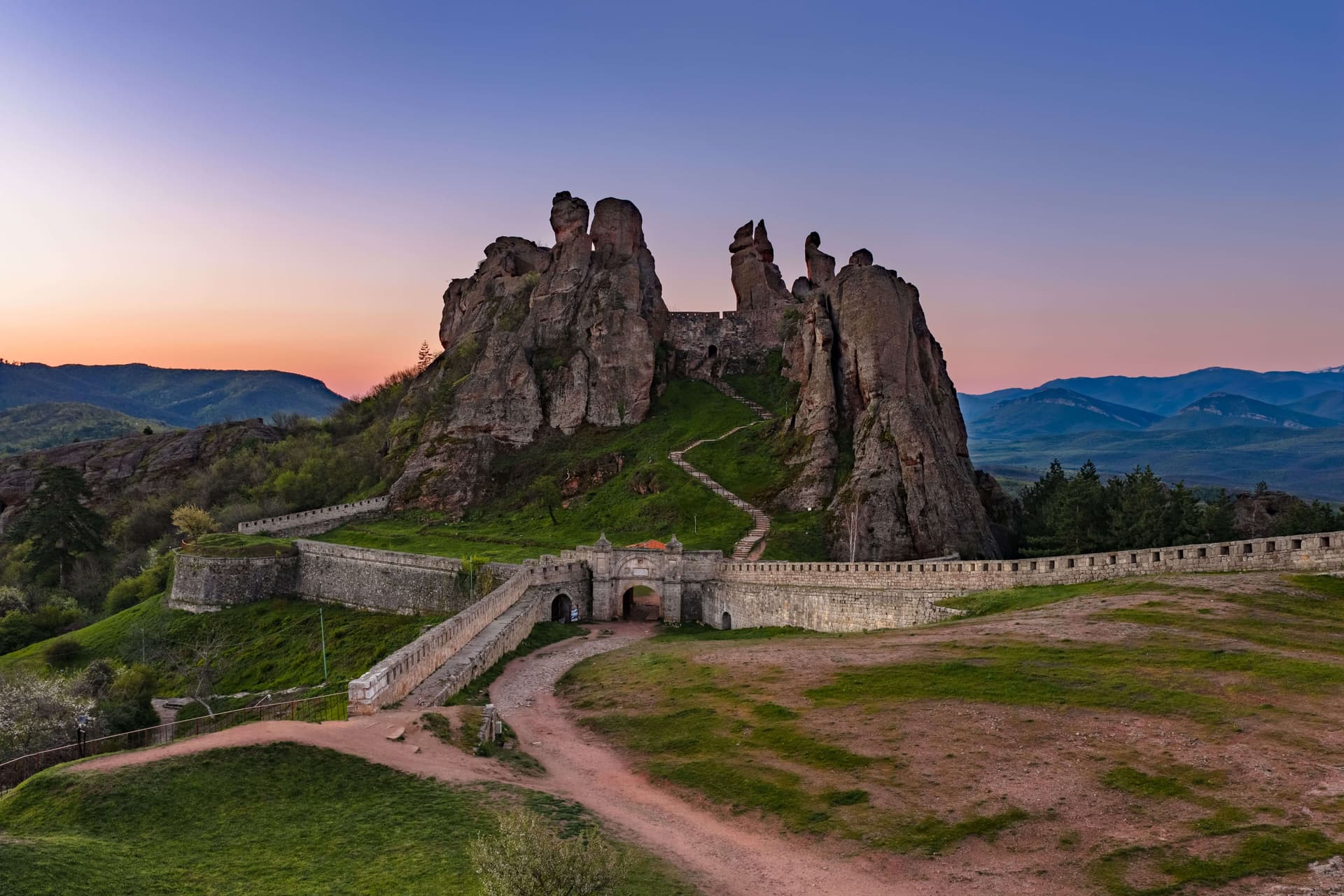
Perched dramatically beside the town of Belogradchik within the sheer crimson spires of the Belogradchik Rocks, the Belogradchik Fortress (Belogradchishko Kale) stands as the premier cultural and historical monument of the region. Recognised as one of Bulgaria's best-preserved ancient strongholds, it is officially classified as a National Cultural Monument. The fortress represents an extraordinary synthesis of human engineering and natural defenses, utilizing vertical sandstone walls over 70 meters high as natural, impenetrable ramparts. Centuries of History: From Roman Legionnaires to Tsar Ivan Sratsimir - Roman Foundations: The initial fortification was constructed between the 1st and 3rd centuries AD when the region was part of the Roman Empire. Initially serving as a watchtower and border post, man-made walls were erected only on the northwest and southeast flanks, with sheer rock walls securing all other sides. - Medieval Expansion: In the 14th century, Tsar Ivan Sratsimir of the Tsardom of Vidin significantly expanded the fortress, constructing garrison quarters in front of the natural stone massifs. During his reign, Kaleto became the second most important stronghold in the realm, trailing only Baba Vida Fortress in Vidin. - Ottoman Era & European Engineers: Captured by the Ottomans in 1396, the garrison was repeatedly reinforced. Major structural overhauls occurred in the early 19th century, designed with the assistance of French and Italian military engineers who incorporated modern European fortification elements into traditional Ottoman castle design. Historic Battles & Military Heritage Belogradchik Fortress played a pivotal role in major regional conflicts: - The 1850 Uprising: The fortress served as the main stronghold for Ottoman forces during the suppression of the massive 1850 Belogradchik Peasant Uprising. - Serbo-Bulgarian War (1885): The fortress saw its final active military usage in 1885, when Bulgarian forces successfully repelled invading Serbian troops from its ramparts. Architecture & Fortress Layout The entire fortress complex encompasses a total area of 10,210 square meters. Its outer defensive walls measure over 2 meters thick at the base and reach heights of up to 12 meters. - The Three Courtyards: The fortification is divided into 3 distinct walled courtyards connected through fortified arched gates. Each courtyard served as a self-contained defense zone. - The Upper Citadel: Accessible via steep stone and iron staircases, the highest rock platform offers breathtaking 360-degree panoramic views across the red rock towers stretching to the main Balkan crest. Useful Visitor Information - Location: Town of Belogradchik, Vidin Province (easily reachable on foot from the town center). - Management: Managed by the Belogradchik Historical Museum. - Tourist Stamp: Featured on the 100 Tourist Sites of Bulgaria registry (official stamp available at the ticket counter). - Facilities: Well-maintained walking paths, protective railings, informative signboards, and souvenir kiosks at the entrance parking area. - Trip Tip: Visit in the early morning or late afternoon when golden-hour sunlight highlights the fiery hues of the sandstone cliffs. Pair your fortress tour with a walk through the surrounding Belogradchik Rocks, the History Museum, and the local Astronomical Observatory.
Vidin
0.3 km away

Vidin
0.7 km away

Vidin
1.2 km away
Vidin
1.4 km away

A complete 4-day road trip itinerary through Bulgaria's least-visited region: Iskar Gorge, Vratsa, God's Bridge, Chiprovtsi, Belogradchik Rocks, Magura Cave, and Vidin.
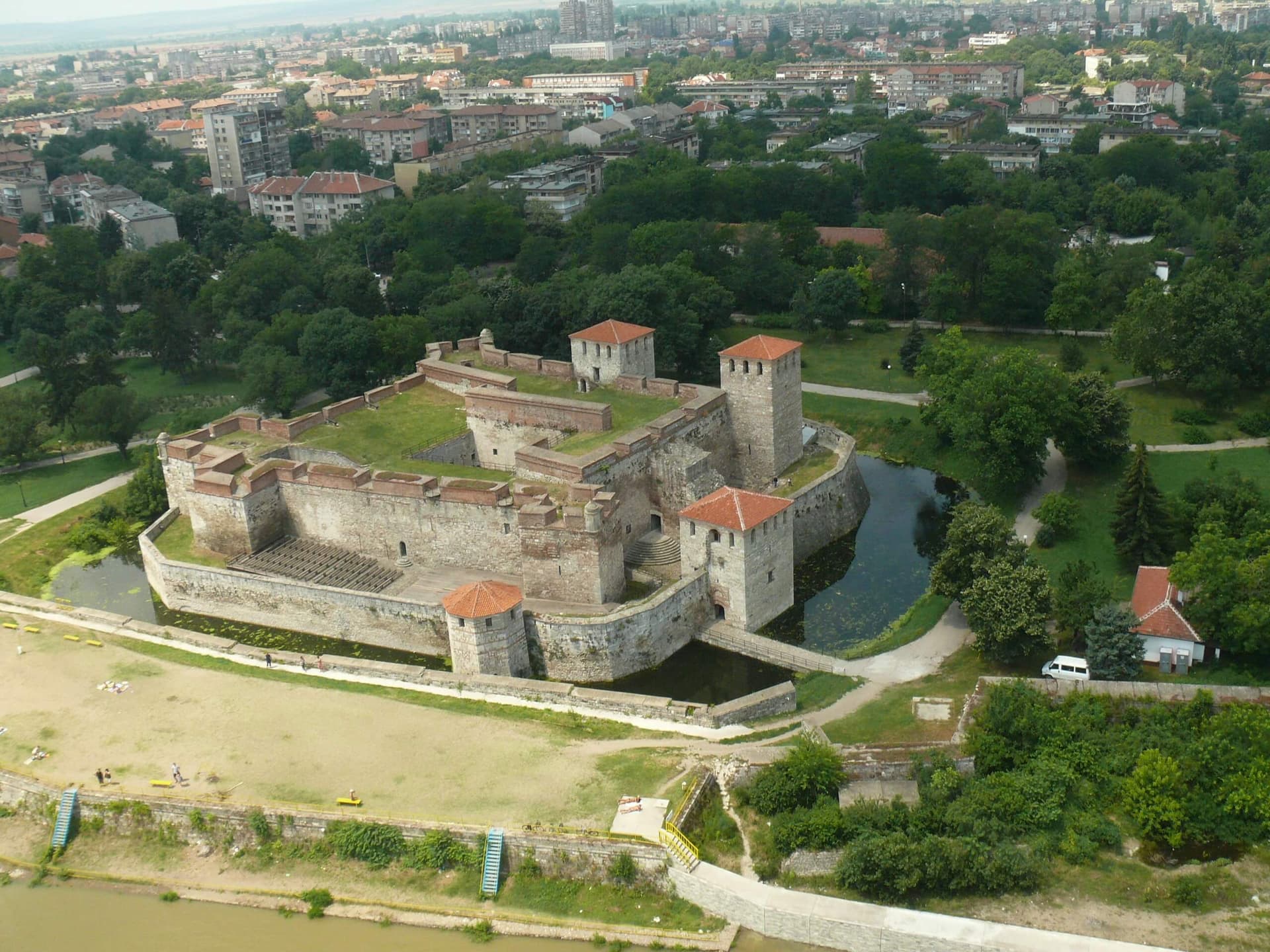
A complete travel guide to Vidin on the Danube: Explore Baba Vida castle, visit the restored Synagogue (Jules Pascin Center), and pair it with Belogradchik and Magura Cave.
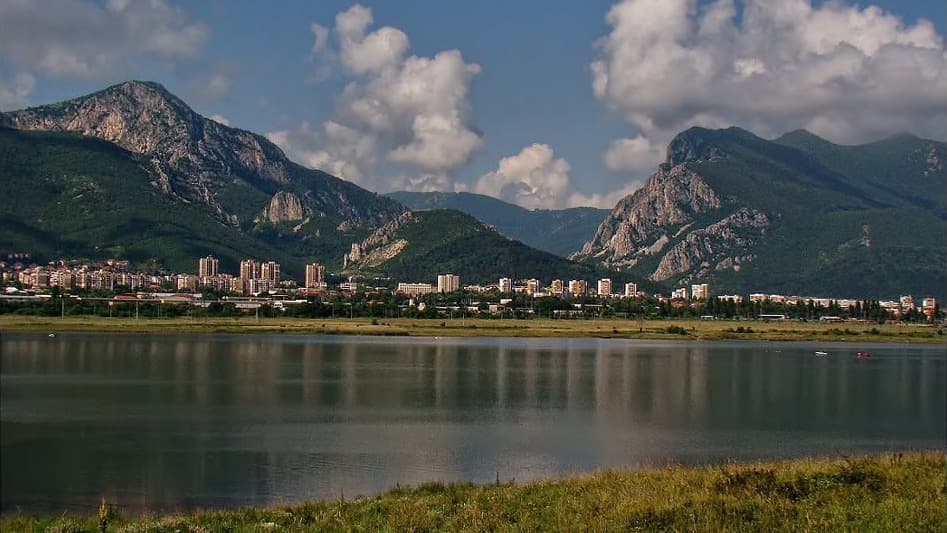
A travel guide to Vratsa: the Vratsata gorge and its 400-metre rock face, the Ledenika show cave, the Rogozen Treasure of 165 silver vessels, and the Botev memorial at Okolchitsa — an hour and a half from Sofia.
Belogradchik Fortress is located in Vidin, Bulgaria.
Belogradchik Fortress is most easily reached by car. Use the coordinates above to navigate, or open the location in OpenStreetMap or your preferred maps app for turn-by-turn directions. Public transport options vary by region — for remote destinations a rental car gives the most flexibility.
Belogradchik Fortress can be visited year-round. Spring and autumn offer the most pleasant conditions for exploring, with mild temperatures and fewer crowds. Summer is ideal for photography and longer day trips; winter visits are possible but weather can limit access at some sites.
Most natural landmarks in Bulgaria are freely accessible and open year-round, though some sites have entrance fees or require a guide. Wear sturdy footwear and bring water, as the terrain can be uneven. Respect any protective barriers and stay on marked paths to preserve the site.