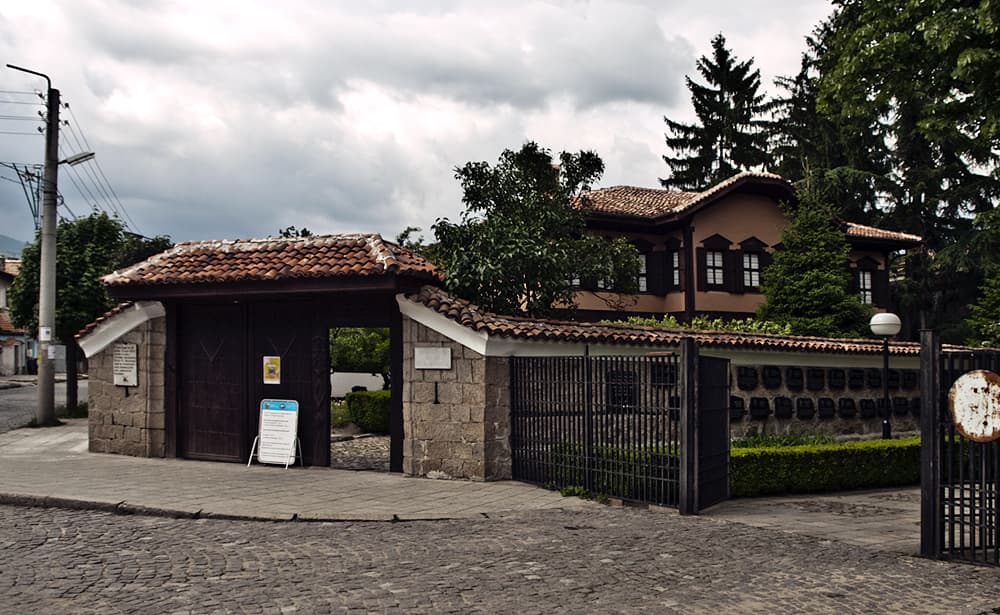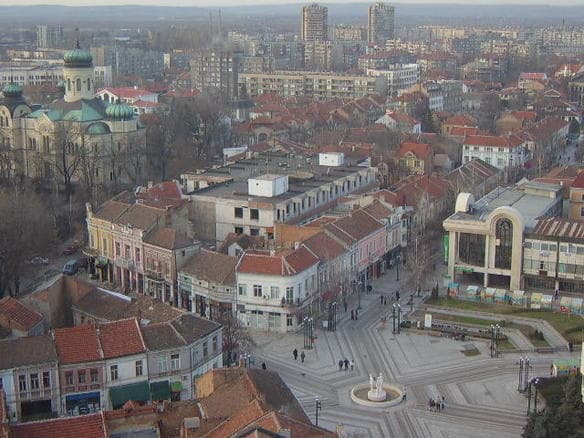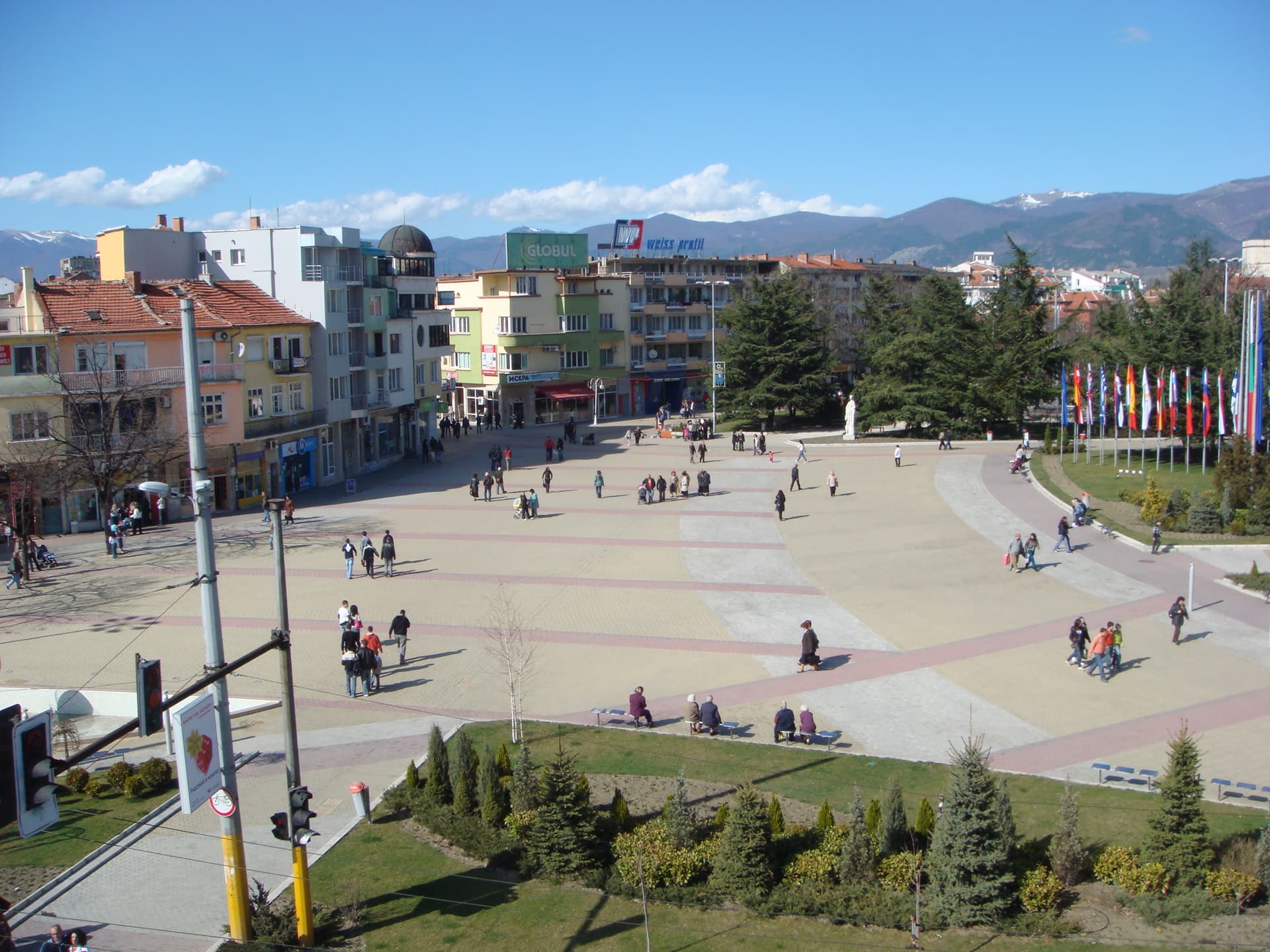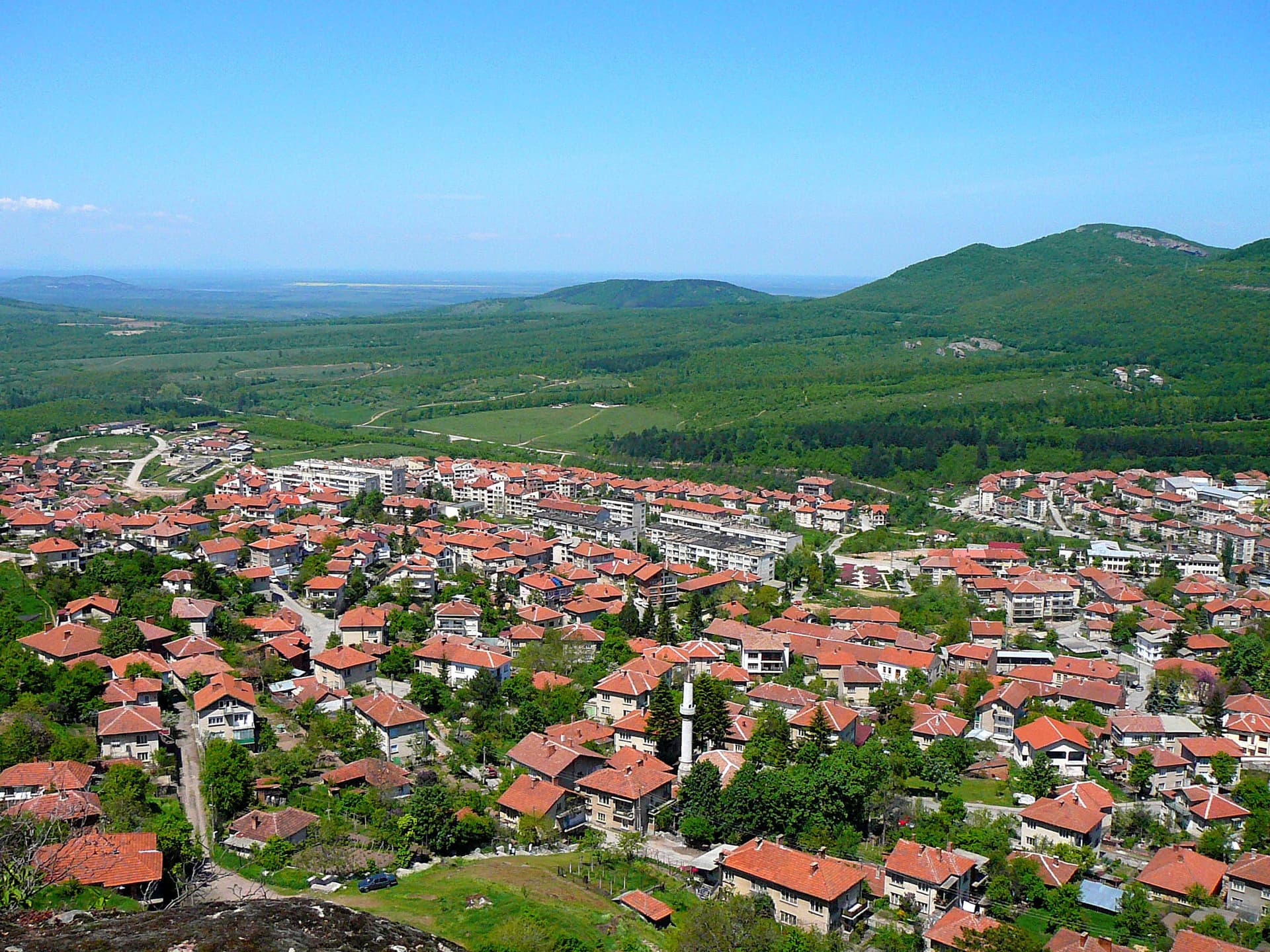
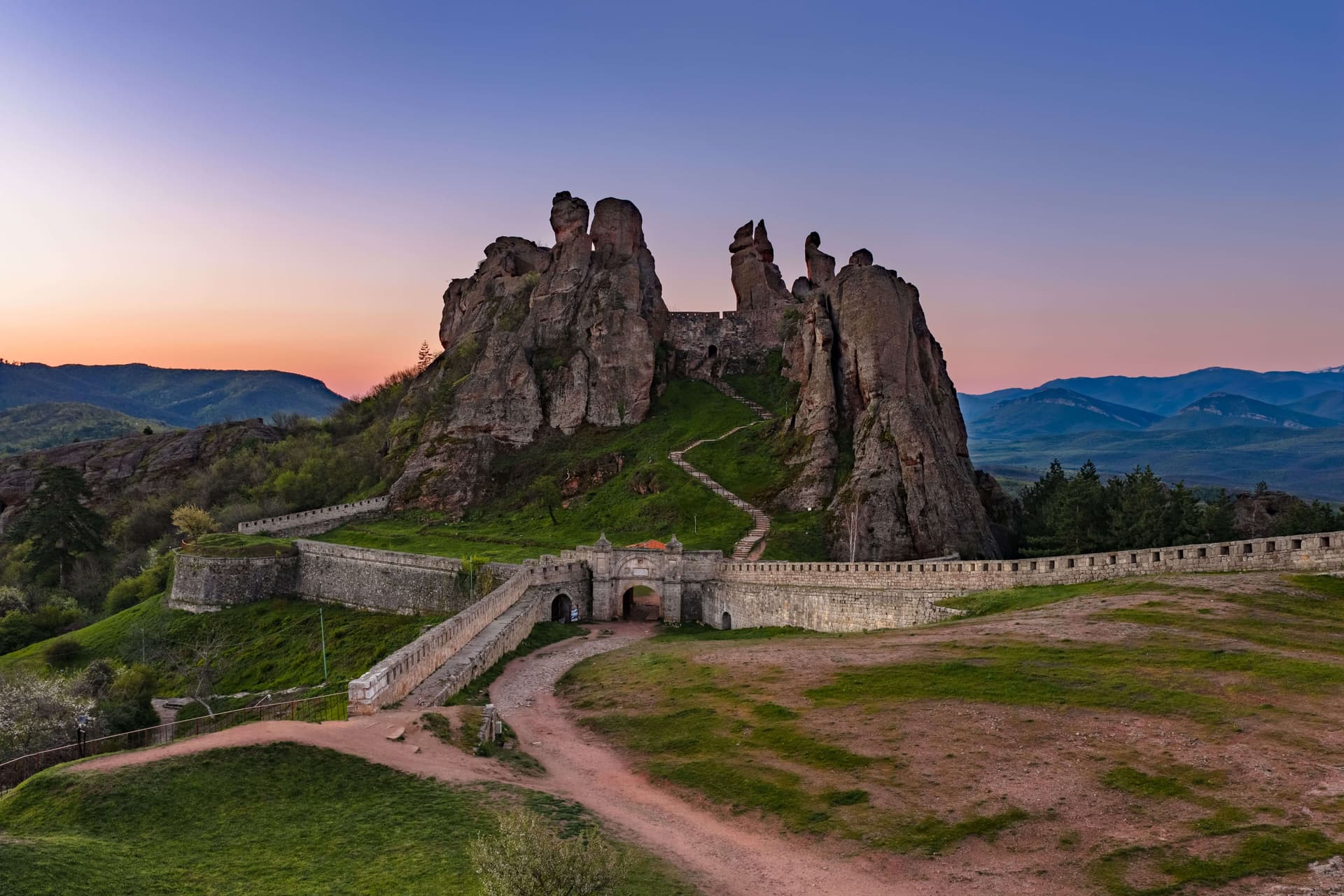
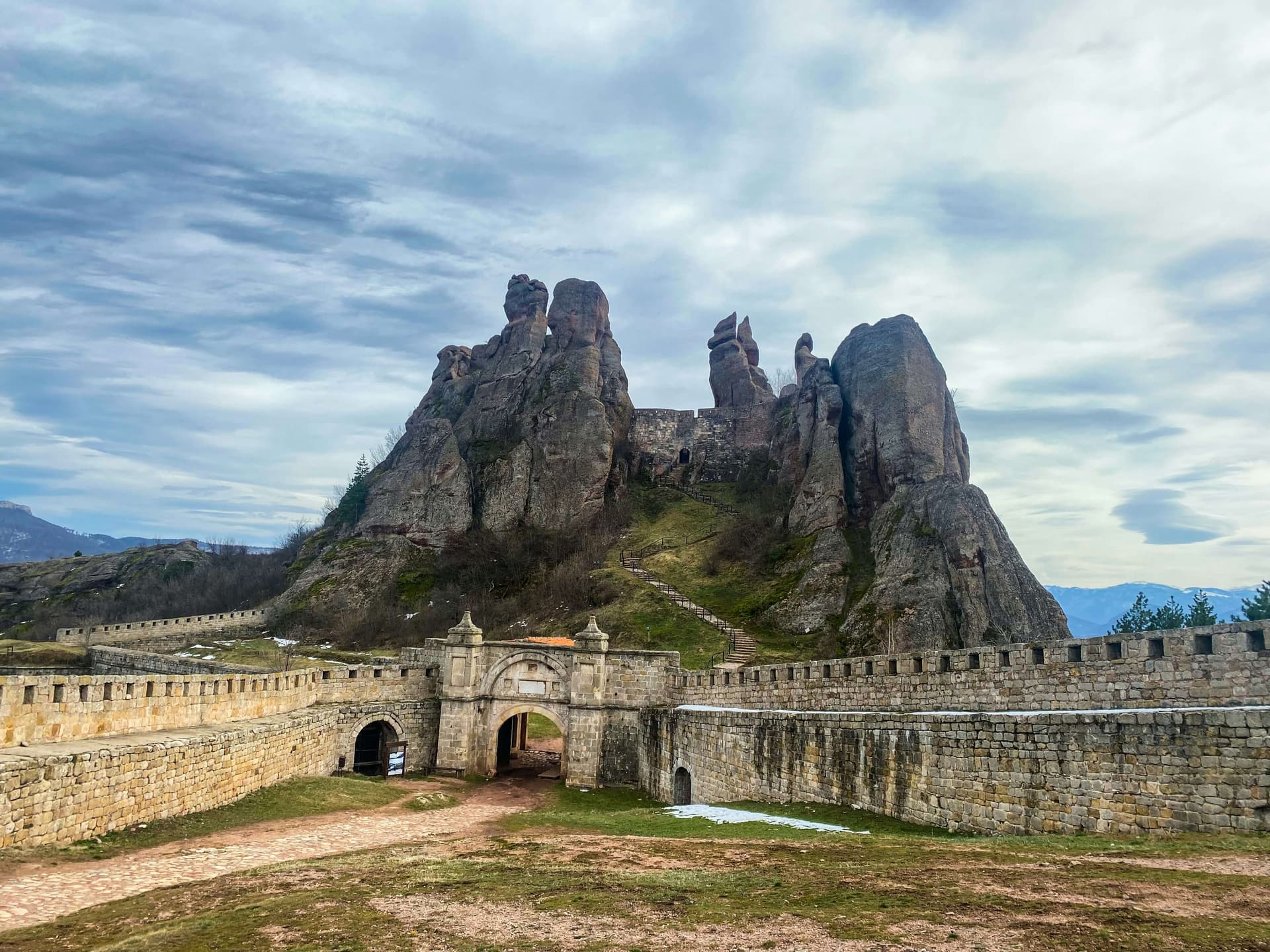
Picturesquely nestled at the southwestern foot of the Belogradchik Ridge in the Western Balkan Mountains, Belogradchik is one of Bulgaria's most iconic and spellbinding travel destinations. Set in Vidin Province, this historic town carries the motto "Everlasting and Young", captivating travelers with its towering red rock pillars, deep-rooted heritage, and crisp mountain air.
The town's name derives from its historical appearance—during the Ottoman period, the town's white-plastered timber houses stood out brilliantly against the backdrop of dark red sandstone cliffs, earning it the moniker Belgrad ("White Town") and later Belogradchik ("Little White Town") to distinguish it from Belgrade, Serbia.
The creation of the world-famous Belogradchik Rocks began over 230 million years ago during the late Paleozoic era. Over millennia, layers of red sandstone and conglomerates were topped by limestone beds, forming the surrounding ridges.
When the Balkan Mountain range tectonic uplift occurred, exposure to water, wind, and temperature shifts gradually eroded the softer sandstones at unequal rates. This millenary erosion sculpted thousands of bizarre rock figures alongside more than a hundred caves across the plateau:
Belogradchik's dramatic topography made it a natural stronghold since antiquity:
Vidin region
0.7 km away
Vidin region
1.7 km away
A complete 4-day road trip itinerary through Bulgaria's least-visited region: Iskar Gorge, Vratsa, God's Bridge, Chiprovtsi, Belogradchik Rocks, Magura Cave, and Vidin.
A guide to the Belogradchik Rocks and Fortress: how to get there, what to see, the Magura Cave, parking, family tips, distances and where to stay.
The complete 7-day Bulgaria travel itinerary: explore Sofia, Rila Monastery, Plovdiv, Veliko Tarnovo, and the Black Sea coast with distances and travel times.
Belogradchik is located in Vidin, Bulgaria.
Belogradchik is most easily reached by car. Use the coordinates above to navigate, or open the location in OpenStreetMap or your preferred maps app for turn-by-turn directions. Public transport options vary by region — for remote destinations a rental car gives the most flexibility.
Belogradchik can be visited year-round, but late spring (May–June) and early autumn (September–October) offer the most pleasant weather and fewer tourists. Summer is the busiest season; winter is the quietest, with shorter daylight and possible cold weather.
Bulgarian settlements typically reward unhurried walking — historic centres, churches and monasteries, local markets, and family-run restaurants serving regional dishes. Larger towns often have museums and seasonal cultural events. The local tourist information centre is a good first stop for current opening hours and what's on.