MestalaMestala
HomePlacesMapTripBlogAboutFAQ
EN|БГ

Discover Bulgaria with Mestala.

AboutFAQLicensePrivacy
Yoghurt Museum
MuseumsPernik

Yoghurt Museum

HomePlacesMuseumsYoghurt Museum
Elevation: 0 mCoordinates: 42.79197, 22.59660View on OpenStreetMap

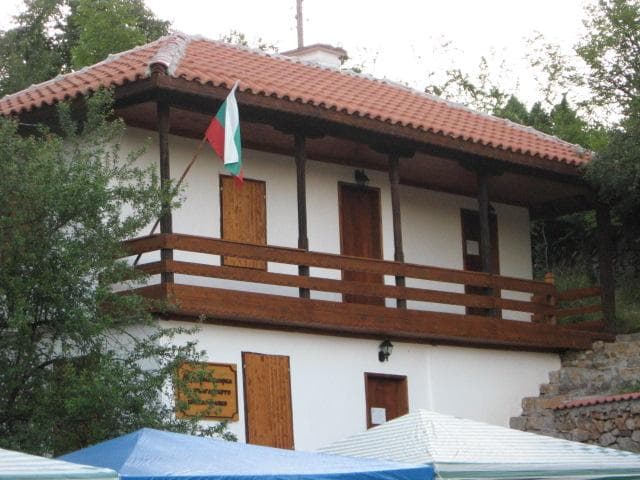
The Yogurt Museum is a unique and one-of-a-kind cultural institution in Bulgaria, located in the picturesque mountain village of Studen Izvor (Tran Municipality). The museum complex is housed inside a beautiful, fully restored two-story building right in the heart of the village. The location holds immense historical significance, being situated in close proximity to the birthplace of the great Bulgarian scientist and discoverer, Doctor Stamen Grigorov. Interior Layout and Museum Exhibitions - First Floor (Ethnographic Collection): The entire first floor is designed as an authentic traditional room. It showcases the historical interior arrangement, household items, and artisan tools of a typical Bulgarian house from the mid-19th century, revealing the lifestyle of the local people from the Tran region. - Second Floor (Scientific Library and Exhibition Hall): The second floor hosts a specialized library and a modern exhibition hall dedicated to the scientific triumph of the Bulgarian probiotic. The library preserves a vast collection of diverse informational and archival materials regarding Bulgarian yogurt. The archive tracks the product's history from the very first fundamental scientific publication by Doctor Stamen Grigorov on yogurt, printed in French in 1905, to the latest contemporary research on the unique anti-cancer properties of the live bacteria Lactobacillus bulgaricus, conducted by Professor Akiyoshi Hosono at Shinshu University in Japan. The exhibition hall features a detailed three-dimensional scale model that thoroughly demonstrates the entire journey of the product: from sourcing high-quality raw milk at local farms, through modern industrial yogurt processing, to its final distribution and sale within commercial retail networks. The walls are equipped with rich educational boards illustrating: - The ancient history and origins of yogurt across Bulgarian lands. - Traditional home inoculation and historical artisan production methods. - Modern industrial technologies used to process the product. - The exceptionally high nutritional and biological value of authentic Bulgarian yogurt. Official Opening and the Bulgarian Yogurt Festival The museum was solemnly opened to the public on June 29, 2007. To celebrate the grand opening of the facility, the neighboring town of Tran organized the first official Bulgarian Yogurt Festival. This event has since become an annual tradition, featuring a rich folklore program, youth drawing and essay contests on the topic Yogurt – The Bulgarian Name for Longevity, and a popular competition for the best home-prepared inoculated yogurt. Scientifically Proven Health and Biological Properties Bulgarian yogurt is highly esteemed in Japan, Europe, and across the globe due to its phenomenal wellness benefits: - Anti-Aging Effects: It is scientifically proven that regular consumption slows down the natural aging processes of the human body and improves overall vitality. - Source of Calcium: It stands as the best, cleanest, and most easily absorbable natural source of calcium for the skeletal system, which is vital for building and maintaining the strength of bones and teeth. This provides excellent prevention against osteoporosis and dental cavities. - Anti-Cancer Properties: The lactic acid strains of Lactobacillus bulgaricus possess a powerful anti-cancer effect. They actively inhibit the synthesis of hazardous carcinogenic substances in the body, limit cellular mutations, and block the formation of cancer cells. - Powerful Probiotic: The product delivers a strong probiotic effect, exerting an exceptionally beneficial and healing influence on the stomach and intestinal tract. Utilizing these specific bacteria in 1959, the Research Institute for Anti-Cancer Antibiotics in Sofia developed the highly effective formula of the first Bulgarian probiotic, Normoflor. It is widely used to treat ulcers, gastritis, and to rapidly normalize gut flora following heavy antibiotic therapies, remaining one of the most potent probiotics produced globally to this day. - Immunity and Detoxification: The lactic acid cultures stimulate the immune system, aiding the body in its defense against infections and viruses. The product possesses excellent antitoxic properties, supports the prevention of cardiovascular diseases, and is highly recommended for children, teenagers, the elderly, and adults working in stressful or polluted environments. Bulgarian yogurt has remained an indispensable, defining, and globally recognized cornerstone of the nation's culinary heritage and cultural identity for centuries.
Nearby Places

Museum of Businska keramika
Museums

Museum of Businska keramika

Pernik

2.6 km away

Tran
Settlements

Tran

Pernik

6.6 km away

Historical Museum - Tran
Museums

Historical Museum - Tran

Pernik

6.7 km away

Konski peak
Mountains

Konski peak

Pernik

8.1 km away

More to explore

Rose Museum
Museums

Rose Museum

Stara Zagora

Historical Museum Panagyurishte
Museums

Historical Museum Panagyurishte

Pazardzhik

House-Museum "Dimcho Debelyanov"
Museums

House-Museum "Dimcho Debelyanov"

Sofia Province

Oslekovata house
Museums

Oslekovata house

Sofia Province

Frequently asked questions

Where is Yoghurt Museum located?

Yoghurt Museum is located in Pernik, Bulgaria.

How do I get to Yoghurt Museum?

Yoghurt Museum is most easily reached by car. Use the coordinates above to navigate, or open the location in OpenStreetMap or your preferred maps app for turn-by-turn directions. Public transport options vary by region — for remote destinations a rental car gives the most flexibility.

What is the best time to visit Yoghurt Museum?

Yoghurt Museum can be visited year-round. Verify current opening hours directly with the museum before your visit, as schedules change seasonally and on public holidays.

What are the opening hours and entrance fee for Yoghurt Museum?

Opening hours and admission fees vary, and most Bulgarian museums close one day per week (commonly Monday). Verify current schedules and prices directly with the museum or the local tourist information office before visiting Yoghurt Museum, especially on public holidays.