The history museum in Tran is relatively new and makes no attempt to be a large museum complex — which is exactly why it works. It's a museum about one specific corner of the country, told by the people who live in it.
The permanent display is ethnographic, presenting the character of the local population through tools, crafts, authentic costumes and household objects. The museum room holds litatsi (traditional sleeveless dresses), stockings, aprons, pillows and cloths — the textiles by which every village in Znepole could be told apart. Photographs fill in the rest, showing what the Tran region looked like before it emptied out.
The historical material was assembled by the museum's own team. The artefacts found here make it safe to say that the Tran region was inhabited as far back as the Neolithic.
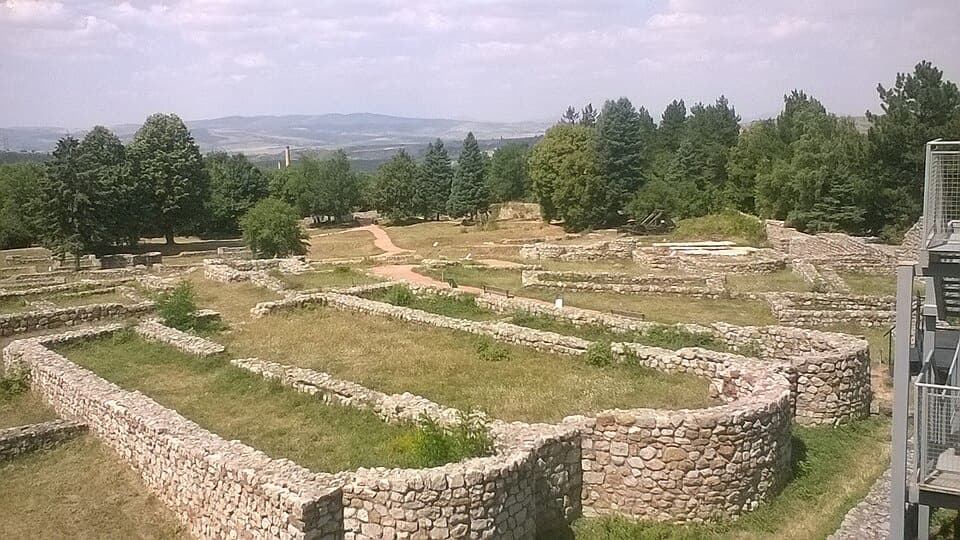
Later the area carried real economic weight for Rome: the lead-silver and gold mines south of Znepole, near the villages of Busintsi and Milkyovtsi, were valuable enough to be guarded by a fortress. That explains a great deal about this place — mountainous, on the frontier, and important all the same.
This is the key thing to know before you set out: the Tran Municipal History Museum manages three further sites across the municipality, each worth the journey in its own right.
The Busintsi Ceramics museum complex — the village of Busintsi. One of Bulgaria's oldest pottery schools, with over 1,300 objects in its holdings and the last working workshop still standing across the street.
The Museum of Yoghurt — the village of Studen Izvor. Birthplace of Lactobacillus bulgaricus and of Dr Stamen Grigorov.
A museum in the village of Slishovtsi.
Plan them together. The Tran museum itself takes little time; the three sites combined make a full and satisfying day, and Busintsi and Studen Izvor are what actually draws people to the municipality.
Closed Mondays and Tuesdays — the most common reason people arrive to find the door locked. During festival periods the hours are sometimes extended; around 18–26 May the sites open daily.
Admission prices aren't published online — check by phone or on arrival, and bring cash. Call ahead too if you're planning the branch sites in Busintsi, Studen Izvor and Slishovtsi: they're in different villages.
Since April 2026 the museum has been running an educational programme aimed at visitors of different ages, including workshops on Easter traditions and on the manuscript legacy of Vasil Levski. If you're travelling with children or as a group, ask what's running.
The museum also hosts visiting exhibitions — in early September 2026 a travelling exhibition dedicated to St Petka of Tarnovo opened here. These change, so check in advance.
Pernik region
0.1 km away

Pernik region
3.0 km away
Pernik region
4.8 km away
Historical Museum - Tran is located in Pernik, Bulgaria.
Historical Museum - Tran is most easily reached by car. Use the coordinates above to navigate, or open the location in OpenStreetMap or your preferred maps app for turn-by-turn directions. Public transport options vary by region — for remote destinations a rental car gives the most flexibility.
Historical Museum - Tran can be visited year-round. Verify current opening hours directly with the museum before your visit, as schedules change seasonally and on public holidays.
Opening hours and admission fees vary, and most Bulgarian museums close one day per week (commonly Monday). Verify current schedules and prices directly with the museum or the local tourist information office before visiting Historical Museum - Tran, especially on public holidays.