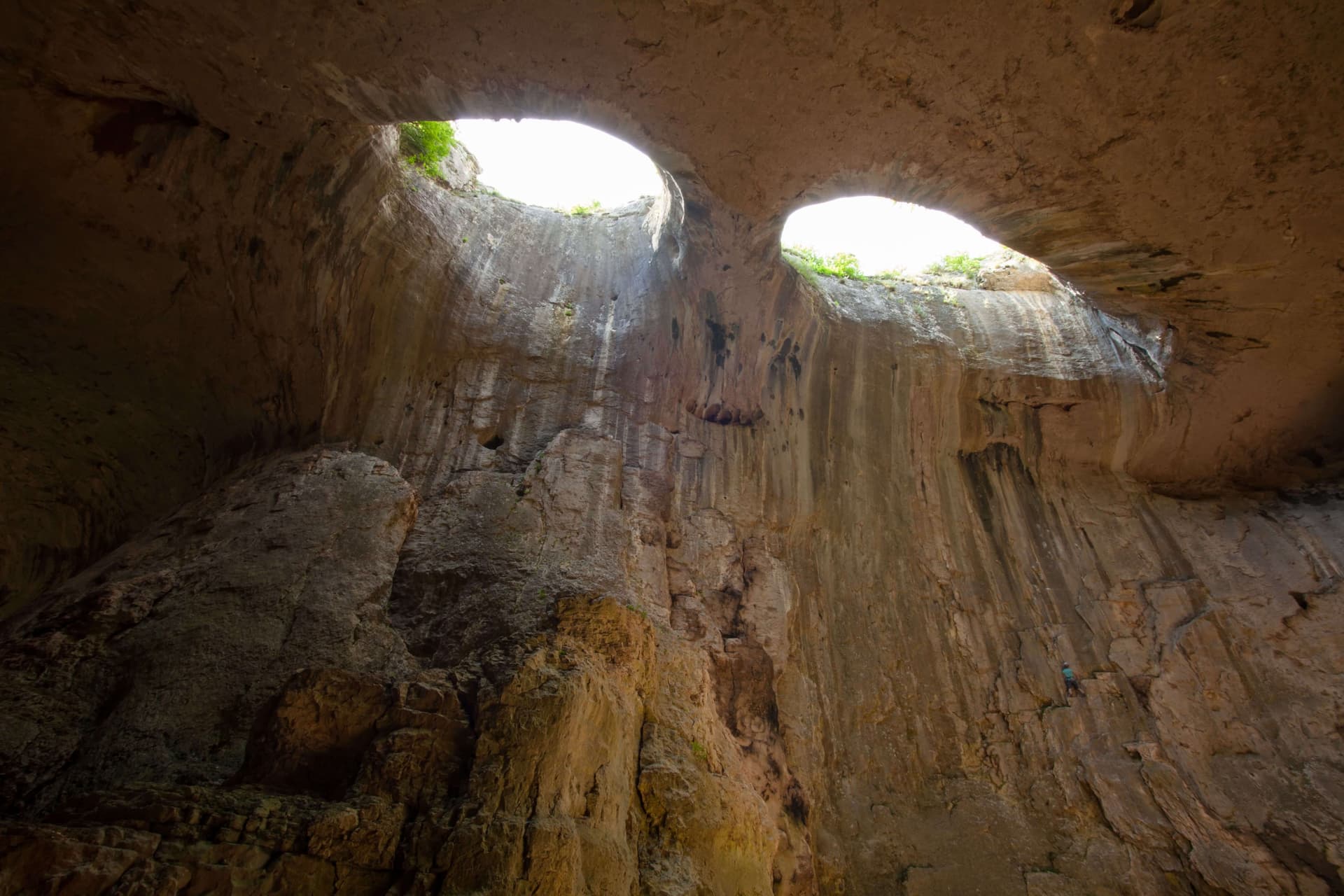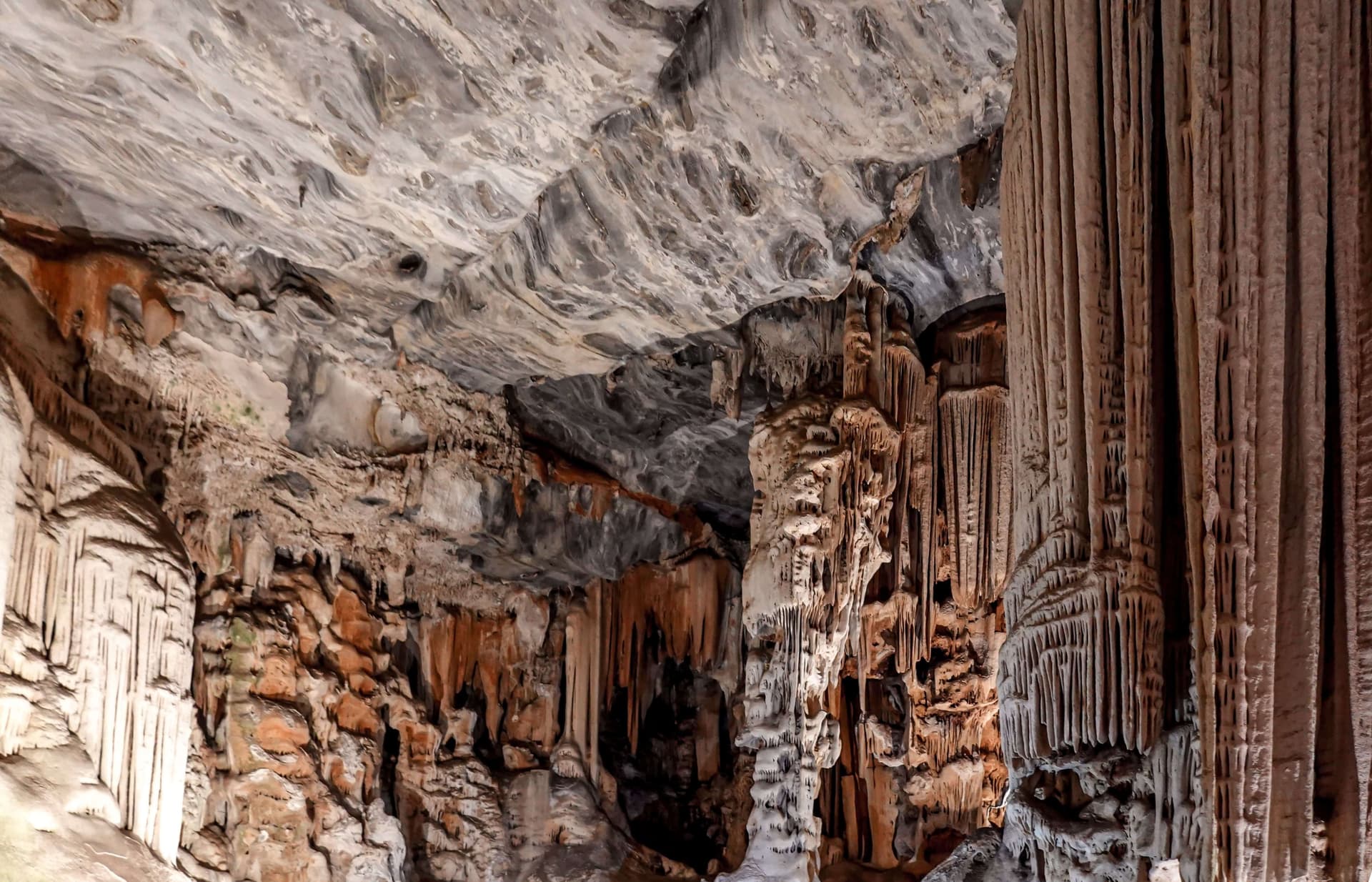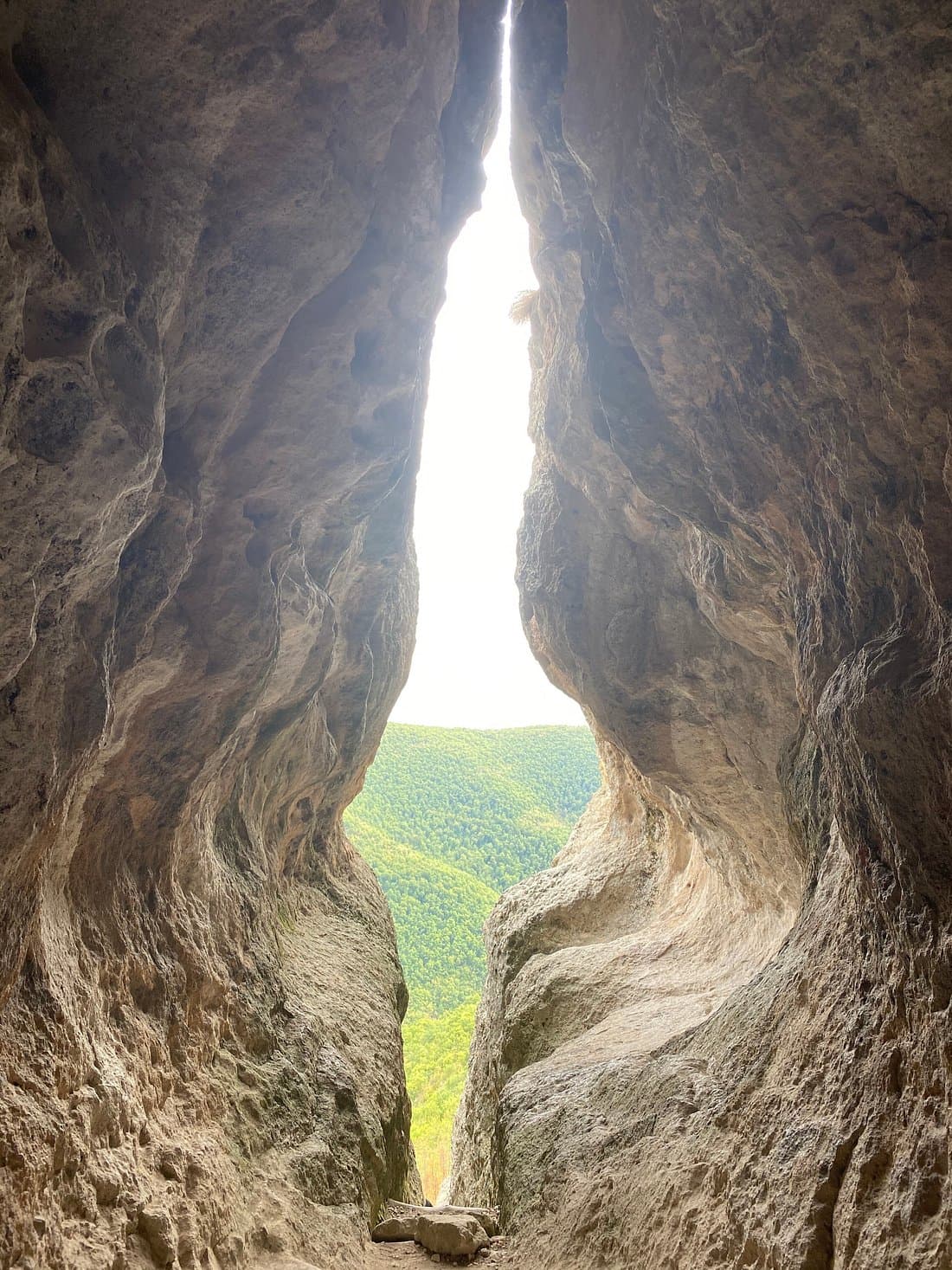
The Womb Cave, also known by its local name Tangardak Kaya, is one of the most extraordinary Thracian rock sanctuaries in Bulgaria. Located in the Rhodope Mountains, approximately 12 km from the town of Kardzhali near the village of Ilinitsa, this site is a unique fusion of a natural karst fissure and precise prehistoric craftsmanship. It was shaped to resemble a womb, symbolizing the ancient cult of the Mother Goddess and the rebirth of life.
The sanctuary is ingeniously designed so that every day at high noon, a solar ray enters through a crack in the ceiling.
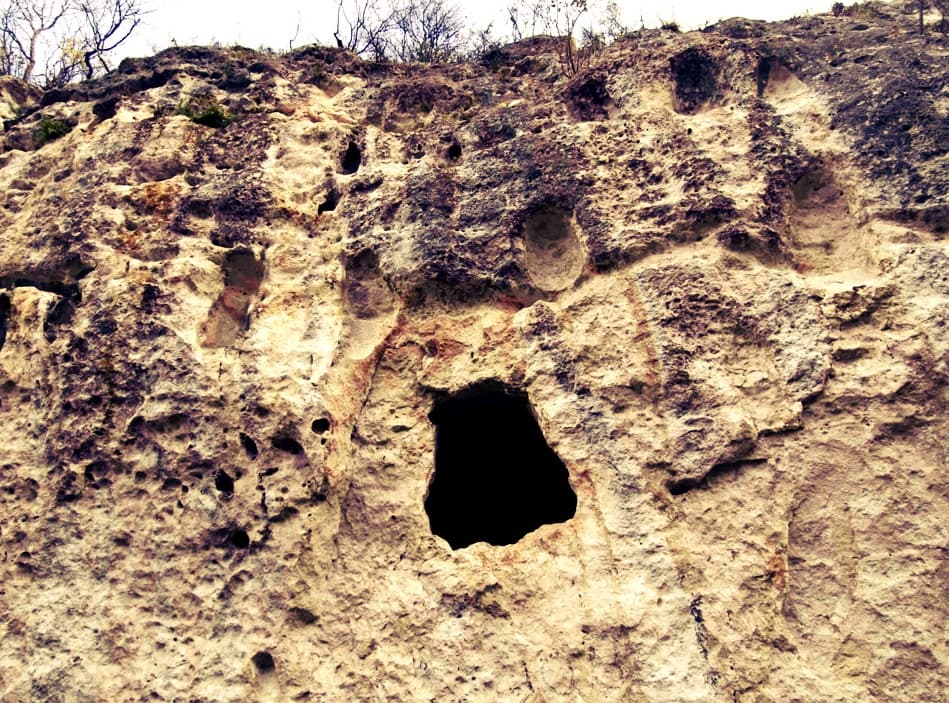
Although local shepherds had known of its existence for generations, the cave was officially introduced to the archaeological community in 2002 by speleologist Mincho Gumarov and subsequently studied by Prof. Nikolay Ovcharov. Near the entrance, visitors can see trapezoidal niches carved into the cliffs, typical of the sacred sites in this region dating back to the Chalcolithic and Bronze Ages.
Utroba Cave is located in Kardzhali, Bulgaria.
Utroba Cave is most easily reached by car. Use the coordinates above to navigate, or open the location in OpenStreetMap or your preferred maps app for turn-by-turn directions. Public transport options vary by region — for remote destinations a rental car gives the most flexibility.
Caves can be visited year-round — the temperature inside stays roughly 10–12°C regardless of season. Spring and autumn are quieter than peak summer. Bring a warm layer and sturdy footwear; some caves close in winter when access roads become impassable.
Access to caves varies. Show caves typically run guided tours during posted opening hours; wild caves require proper equipment and experience. Inside, the temperature stays cool year-round (~10–12°C) — bring a warm layer, sturdy non-slip footwear, and a torch even on guided tours.