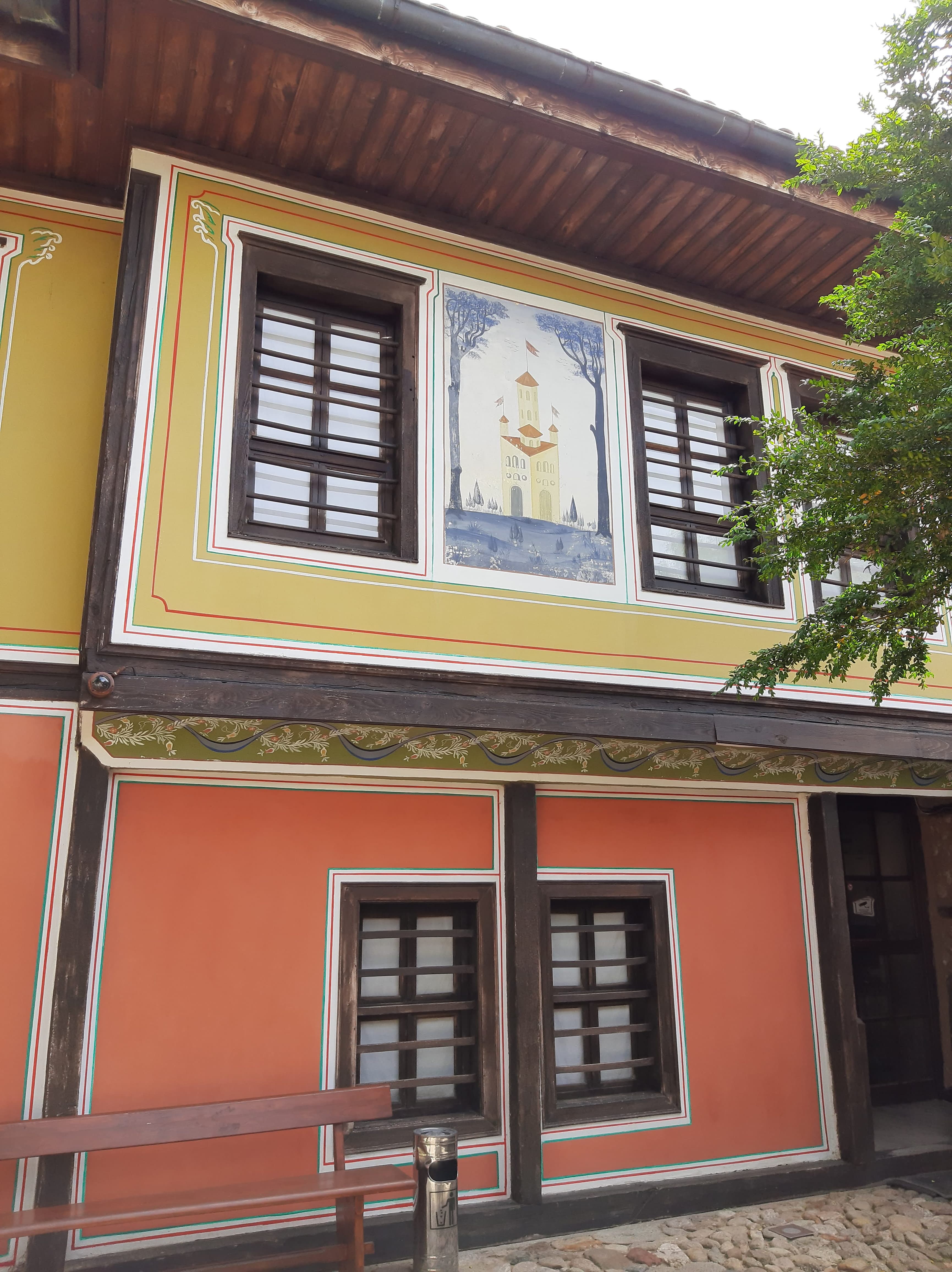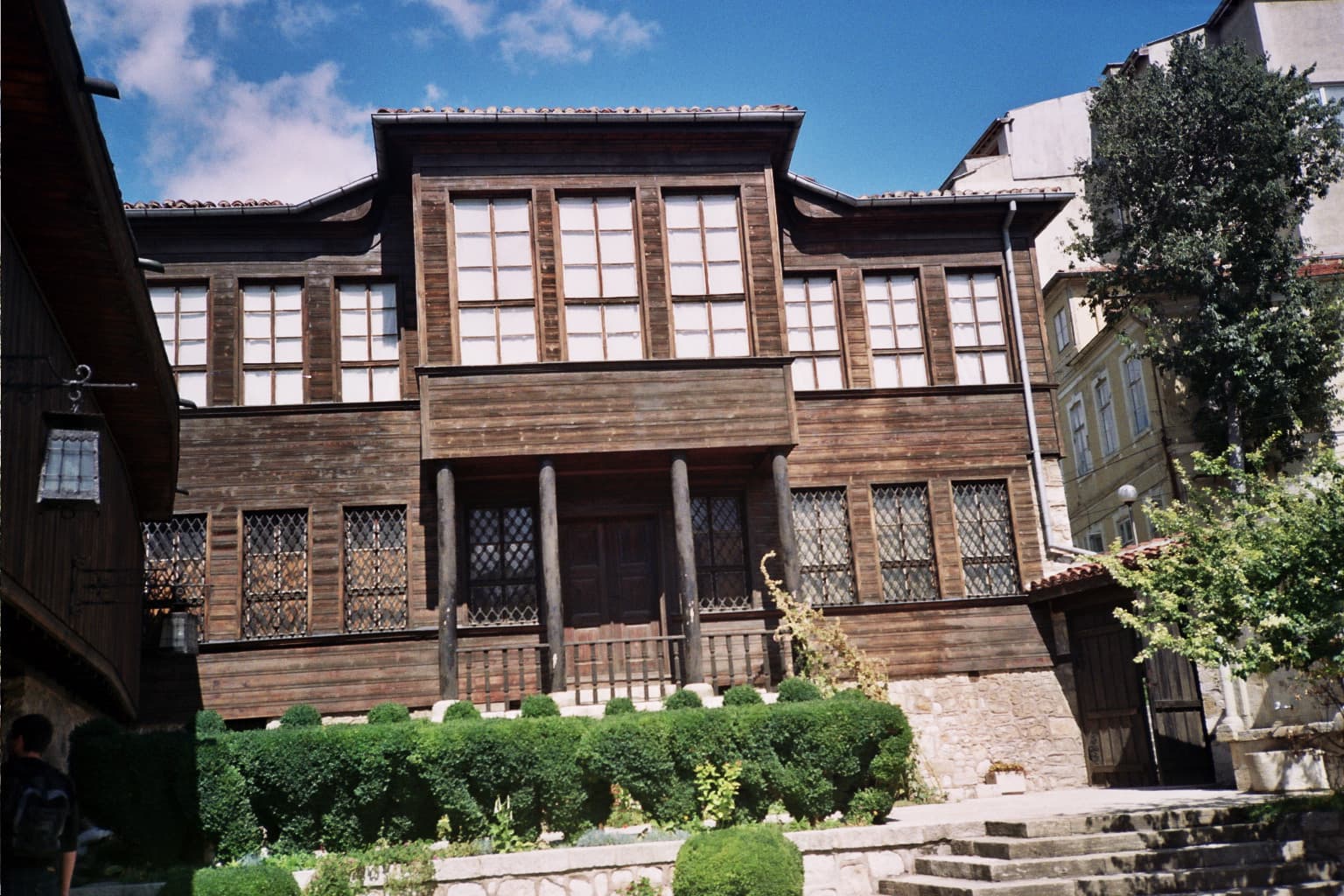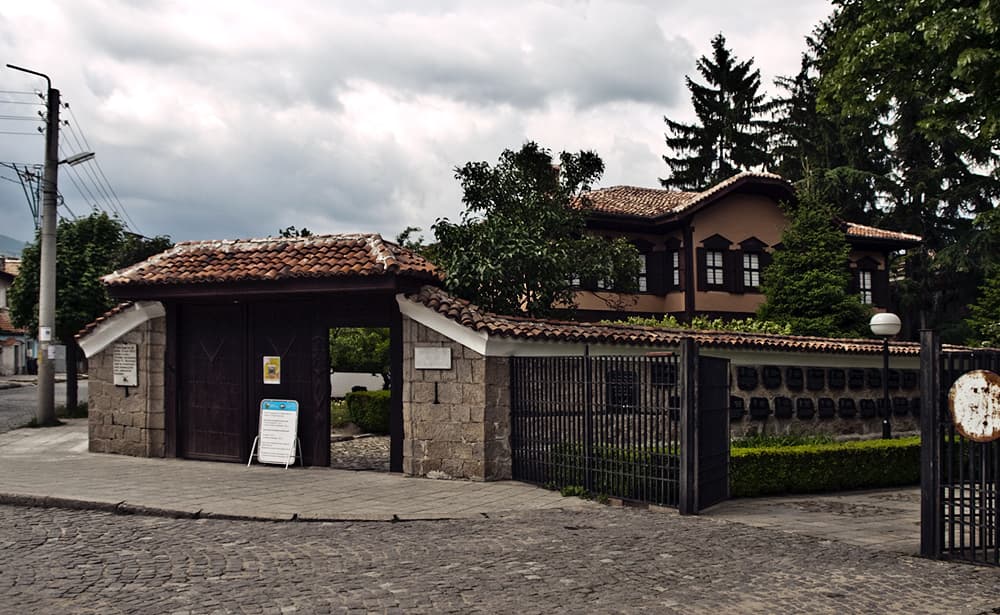
The Historical Museum of Belogradchik is housed inside the iconic Panov House (Panovata Kashta)—a registered cultural monument and a prime example of the Pre-Balkan National Revival architecture. Built in 1810, this architectural gem acts as a beautiful sanctuary, safeguarding the traditional lifestyle, folk culture, and the local population's pursuit of artistry and freedom. The indoor exhibition introduces visitors to the socio-economic evolution of Belogradchik and its surrounding valley during the 18th and 19th centuries, revealing the historic livelihoods that shaped the region. Architectural Features of the Panov House - Layout and Facade: The building is a classic two-story National Revival estate. The first floor is constructed from solid, heavy stone masonry, ensuring core stability and protection. - Verandas and Overhangs: The second floor features a prominent timber-framed overhanging bay window (erker), adding lightness to the traditional design. The exterior walls are framed with natural wooden boards, and the layout is highlighted by two spacious open verandas (chardaks). Lifestyle, Agriculture, and Traditional Machinery - Vintage Farming: The museum displays genuine tools utilized by local peasants to plow the land and harvest crops. Key artifacts include an old wooden scratch plow, grain measures (shinitsi), threshing boards (dikani), and heavy stone rollers used for threshing wheat. - Felix Kanitz's Etchings: A significant highlight of the agricultural section includes two original graphic prints by the renowned Austro-Hungarian traveler and researcher Felix Kanitz, providing an authentic visual record of rural life and grain production in the area. - Key Cultivations: Special attention is dedicated to livestock breeding as the primary economic pillar of the mountain foothills, alongside historical documentation on regional viticulture, cotton production, and other essential crops. The Rise of National Revival Crafts - The museum places a strong emphasis on the golden era of local craftsmanship in Belogradchik, which experienced a major boom throughout the 19th century. Visitors can explore tools, workshops records, and products from various essential trades: - Blacksmithing and Pottery – producing daily household items and agricultural blades. - Shoemaking (Kondurdzhiystvo) – the art of crafting premium leather footwear. - Tailoring and Weaving (Abadzhiystvo, Terziystvo, and Mutafchiystvo) – the production of traditional heavy woolen garments, fine clothing, and the processing of goat hair for durable rugs and sacks.

Vidin
1.2 km away
Vidin
3.4 km away
Vidin
13.9 km away
Vidin
19.5 km away
History Museum is located in Vidin, Bulgaria.
History Museum is most easily reached by car. Use the coordinates above to navigate, or open the location in OpenStreetMap or your preferred maps app for turn-by-turn directions. Public transport options vary by region — for remote destinations a rental car gives the most flexibility.
History Museum can be visited year-round. Verify current opening hours directly with the museum before your visit, as schedules change seasonally and on public holidays.
Opening hours and admission fees vary, and most Bulgarian museums close one day per week (commonly Monday). Verify current schedules and prices directly with the museum or the local tourist information office before visiting History Museum, especially on public holidays.