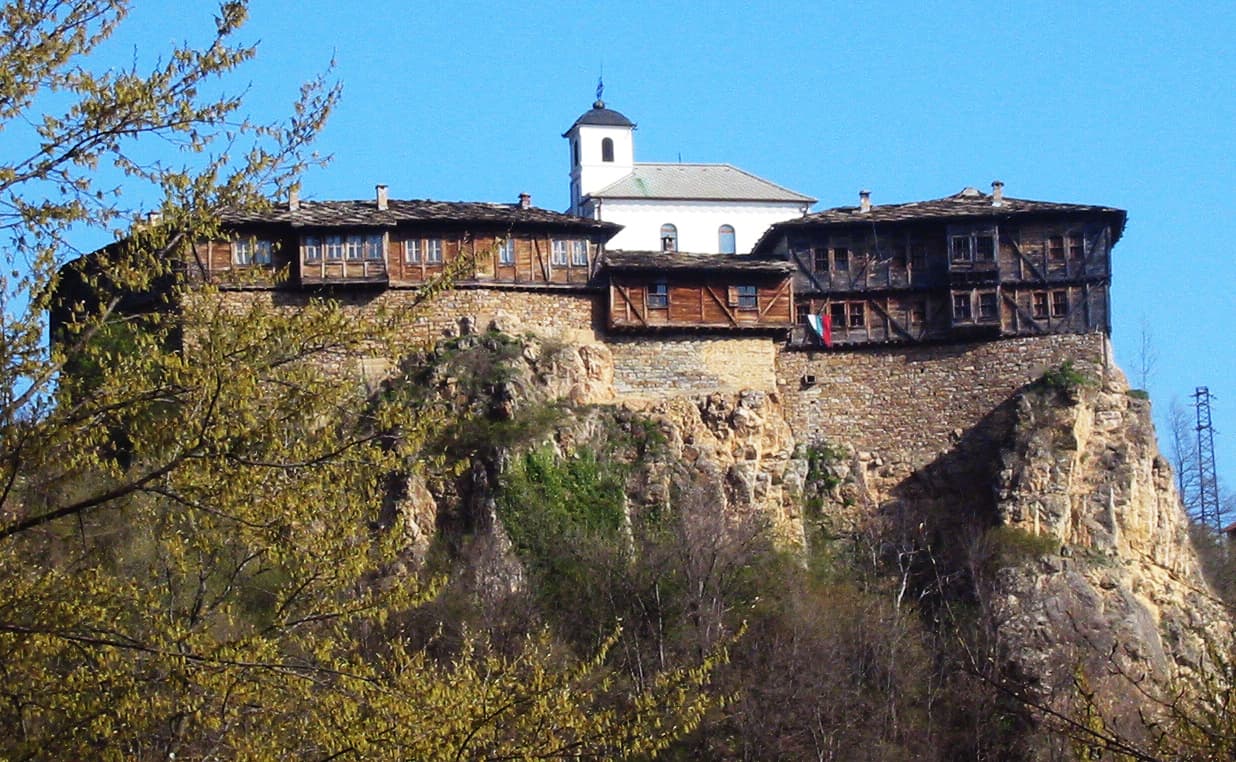
Perched dramatically atop a sheer stone cliff beneath the rugged peak of Kamen Lisets (1,073 m) in the Central Balkan Mountains, Glozhene Monastery of St. George the Conqueror (Glozhenski manastir) is one of Bulgaria's most visually striking Orthodox sanctuaries. Located 12 km from the mountain town of Teteven and near the village of Glozhene, the monastery commands sweeping 360-degree views across the forested valleys below.
Unlike most Bulgarian monasteries built in hidden river valleys during Ottoman times, Glozhene stands high on an exposed rocky promontory, resembling a medieval mountain fortress.
According to centuries-old tradition, the monastery was founded in the early 13th century (around 1223) by Prince Georgiy Glozh, a Kievan noble who sought refuge in Bulgaria fleeing the Mongol invasions. Tsar Ivan Asen II granted him lands in the area, where he founded the village of Glozhene.
Throughout the Ottoman period, the monastery functioned as a major educational and spiritual citadel for the Lovech and Teteven regions:

Lovech region
6.1 km away
Lovech region
8.0 km away
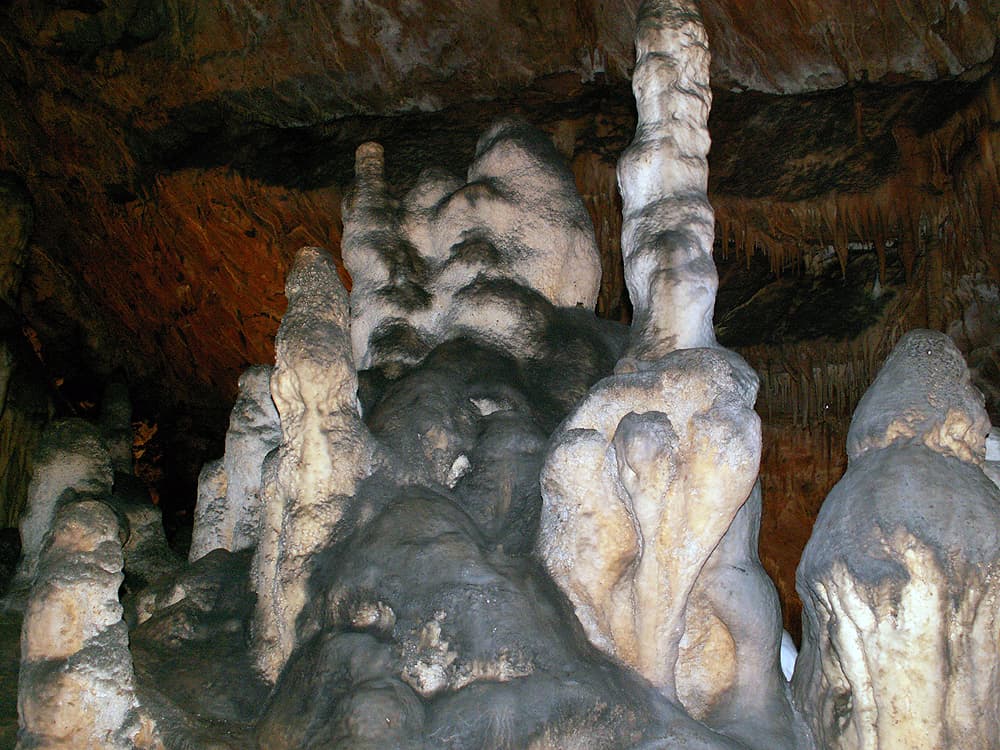
Lovech region
8.0 km away
Lovech region
9.8 km away
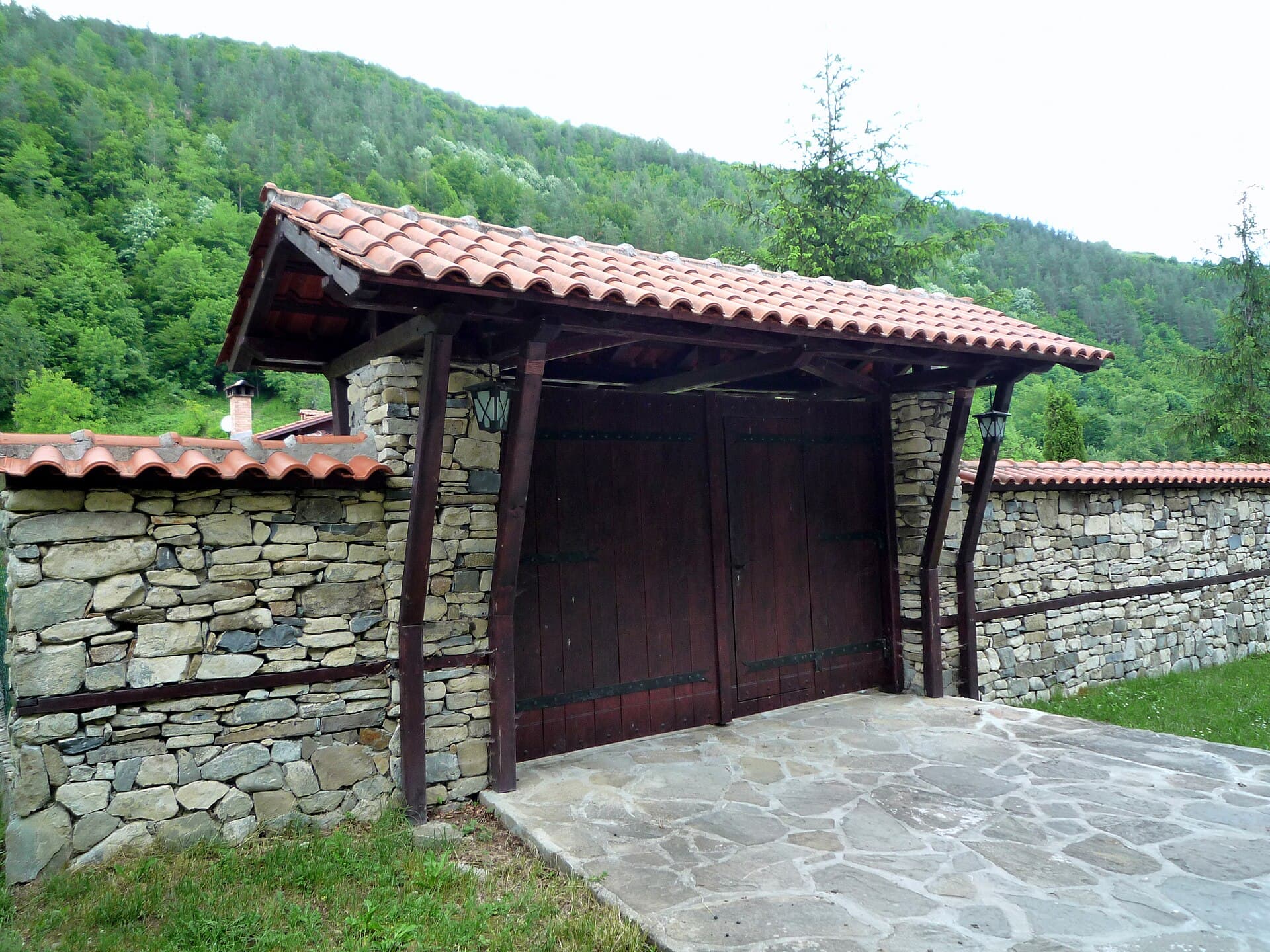
A guide to Teteven and Ribaritsa in the Vit valley: the clifftop Glozhene Monastery, the green cheese of Cherni Vit, access to the Central Balkan reserves, and why this valley stays empty.
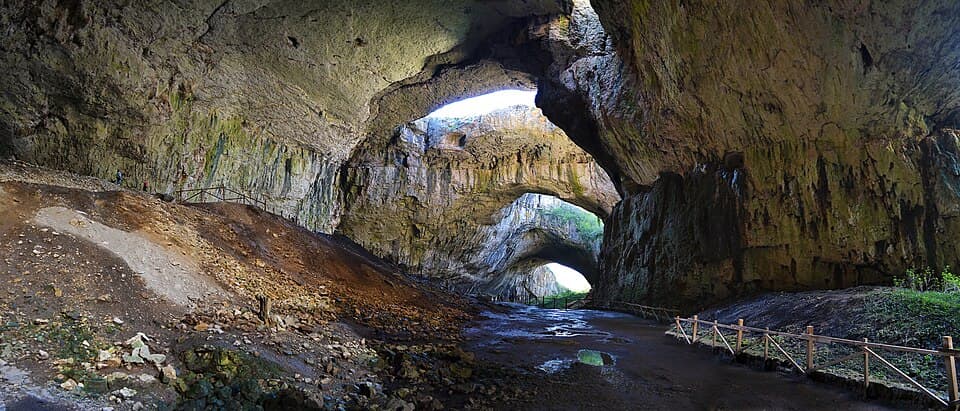
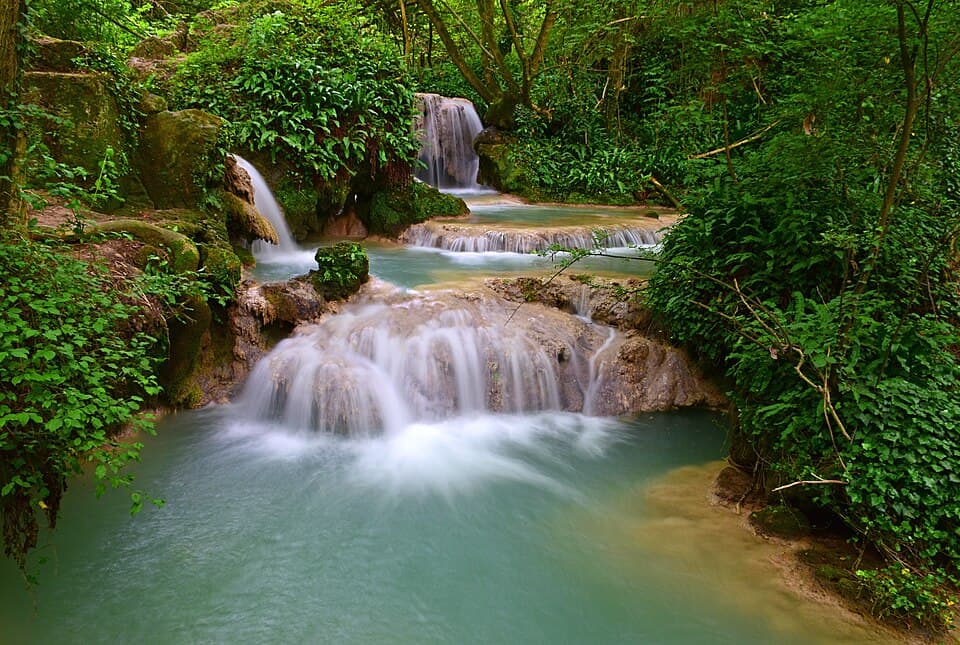
A guide to the karst country around Lovech: the vast film-famous Devetashka Cave, the turquoise Krushuna Falls and the God's-eyes Prohodna Cave — three of Bulgaria's natural wonders in one day trip.
Glozhene Monastery is located in Lovech, Bulgaria.
Glozhene Monastery is most easily reached by car. Use the coordinates above to navigate, or open the location in OpenStreetMap or your preferred maps app for turn-by-turn directions. Public transport options vary by region — for remote destinations a rental car gives the most flexibility.
Glozhene Monastery can be visited year-round. Spring and autumn offer the most pleasant conditions for exploring, with mild temperatures and fewer crowds. Summer is ideal for photography and longer day trips; winter visits are possible but weather can limit access at some sites.
Most natural landmarks in Bulgaria are freely accessible and open year-round, though some sites have entrance fees or require a guide. Wear sturdy footwear and bring water, as the terrain can be uneven. Respect any protective barriers and stay on marked paths to preserve the site.