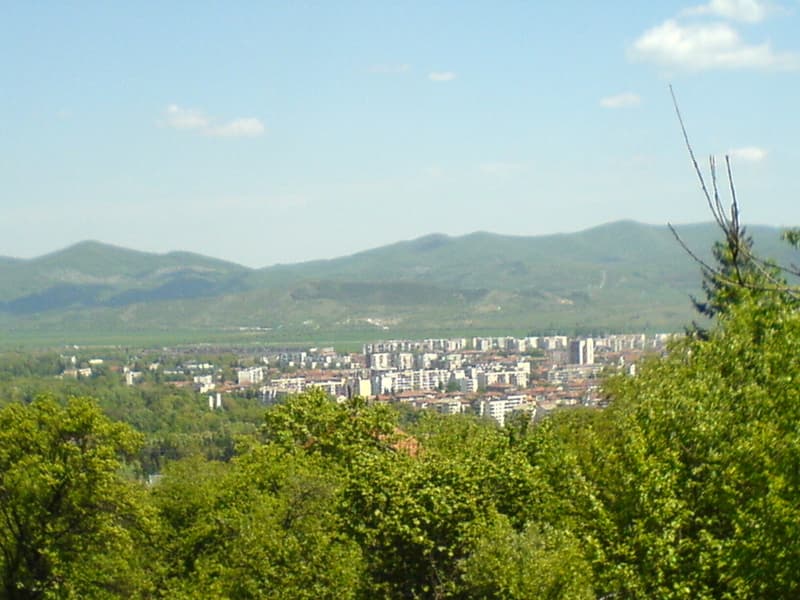
Botevgrad, nestled picturesquely at the foot of the Balkan Mountains, is one of those tranquil Bulgarian towns that offer a perfect blend of history, culture, and natural beauty. Located approximately 60 km northeast of Sofia, it is easily accessible and an excellent destination for a day trip or a longer stay.
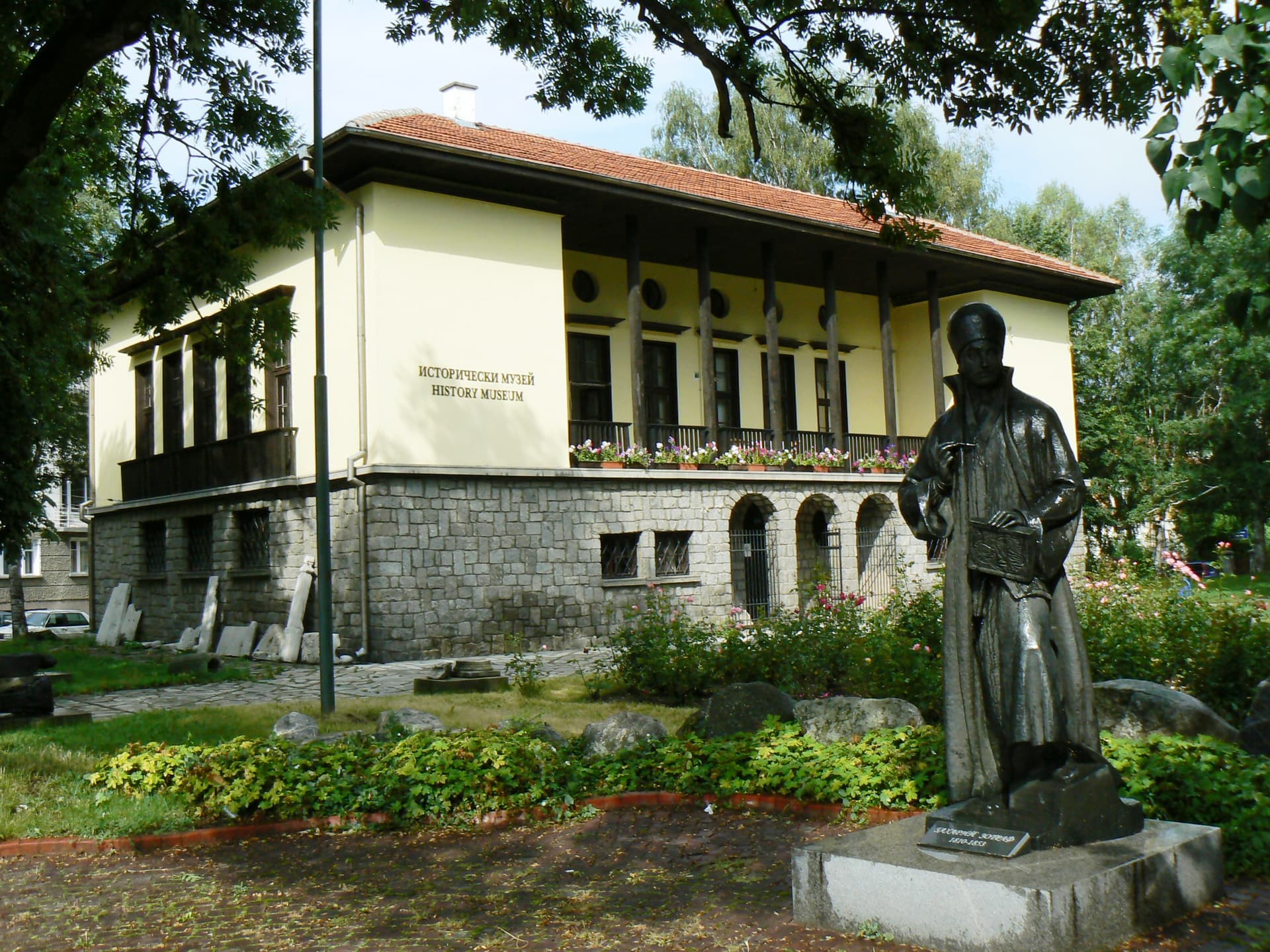
The town, once known as Orhanie, was renamed in honor of the great Bulgarian poet and revolutionary Hristo Botev. This connection to the past is still palpable today, especially in the Historical Museum, which fascinatingly narrates the region's development from antiquity to the present day, as well as the heroic struggle for Liberation.
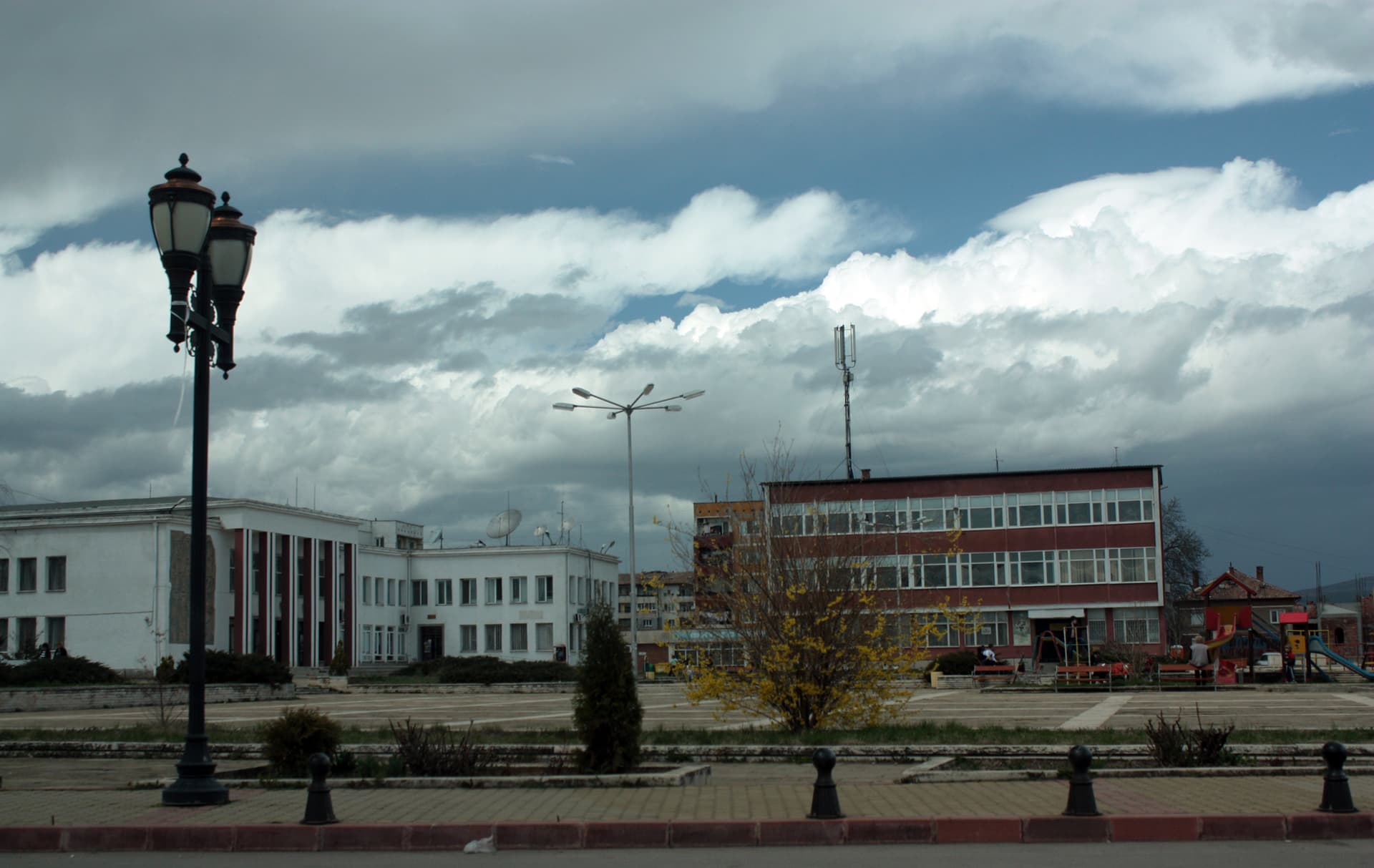
One of Botevgrad's symbols is the Clock Tower – an architectural gem from 1866, declared a cultural monument. Standing proudly in the center, it is not only a beautiful landmark but also a living part of the urban landscape, continuing to mark time. A stroll through the central square and pedestrian streets will immerse you in the local atmosphere, where you can enjoy traditional cafes and restaurants.
For nature lovers, Botevgrad offers numerous opportunities. The surroundings are rich in eco-trails and recreational areas, ideal for picnics, hiking, or cycling. Its proximity to the "Uchilishtna Gora" reserve provides a touch of the pristine Balkan nature. Botevgrad is a place where tradition meets modern life, and the hospitality of the local people will make your stay even more pleasant. Visit this charming town and discover its hidden treasures, which tell the story of Bulgaria.

Sofia region
8.5 km away
Sofia region
12.0 km away
Sofia region
12.1 km away
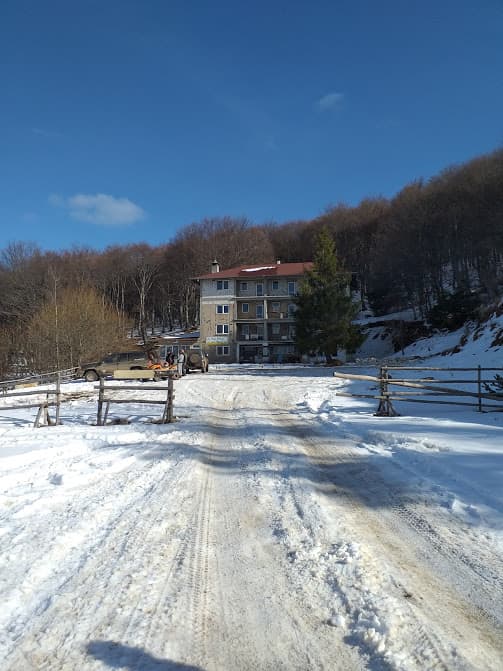
Sofia City region
13.1 km away
Botevgrad is located in Sofia Province, Bulgaria.
Botevgrad is most easily reached by car. Use the coordinates above to navigate, or open the location in OpenStreetMap or your preferred maps app for turn-by-turn directions. Public transport options vary by region — for remote destinations a rental car gives the most flexibility.
Botevgrad can be visited year-round, but late spring (May–June) and early autumn (September–October) offer the most pleasant weather and fewer tourists. Summer is the busiest season; winter is the quietest, with shorter daylight and possible cold weather.
Bulgarian settlements typically reward unhurried walking — historic centres, churches and monasteries, local markets, and family-run restaurants serving regional dishes. Larger towns often have museums and seasonal cultural events. The local tourist information centre is a good first stop for current opening hours and what's on.