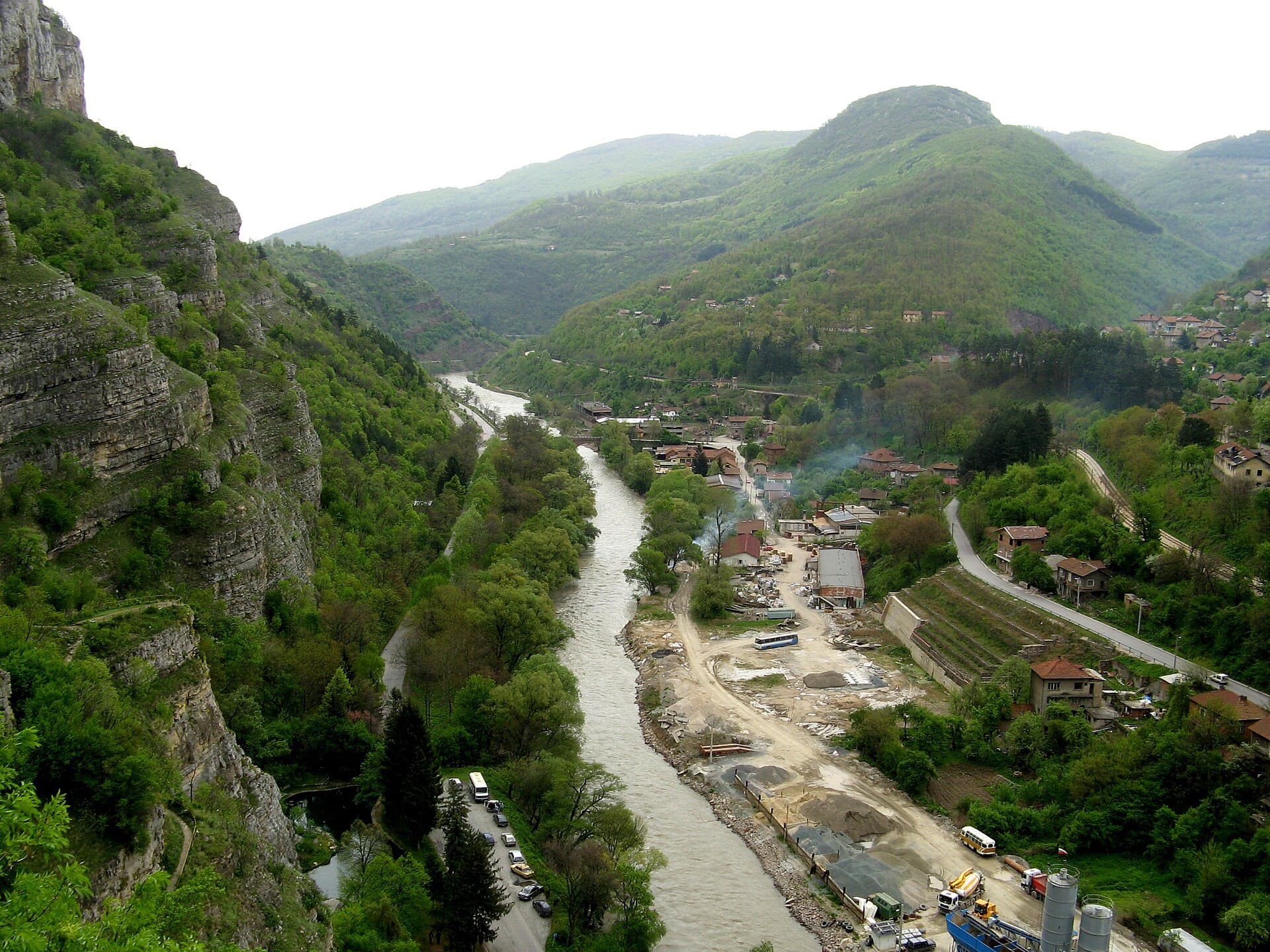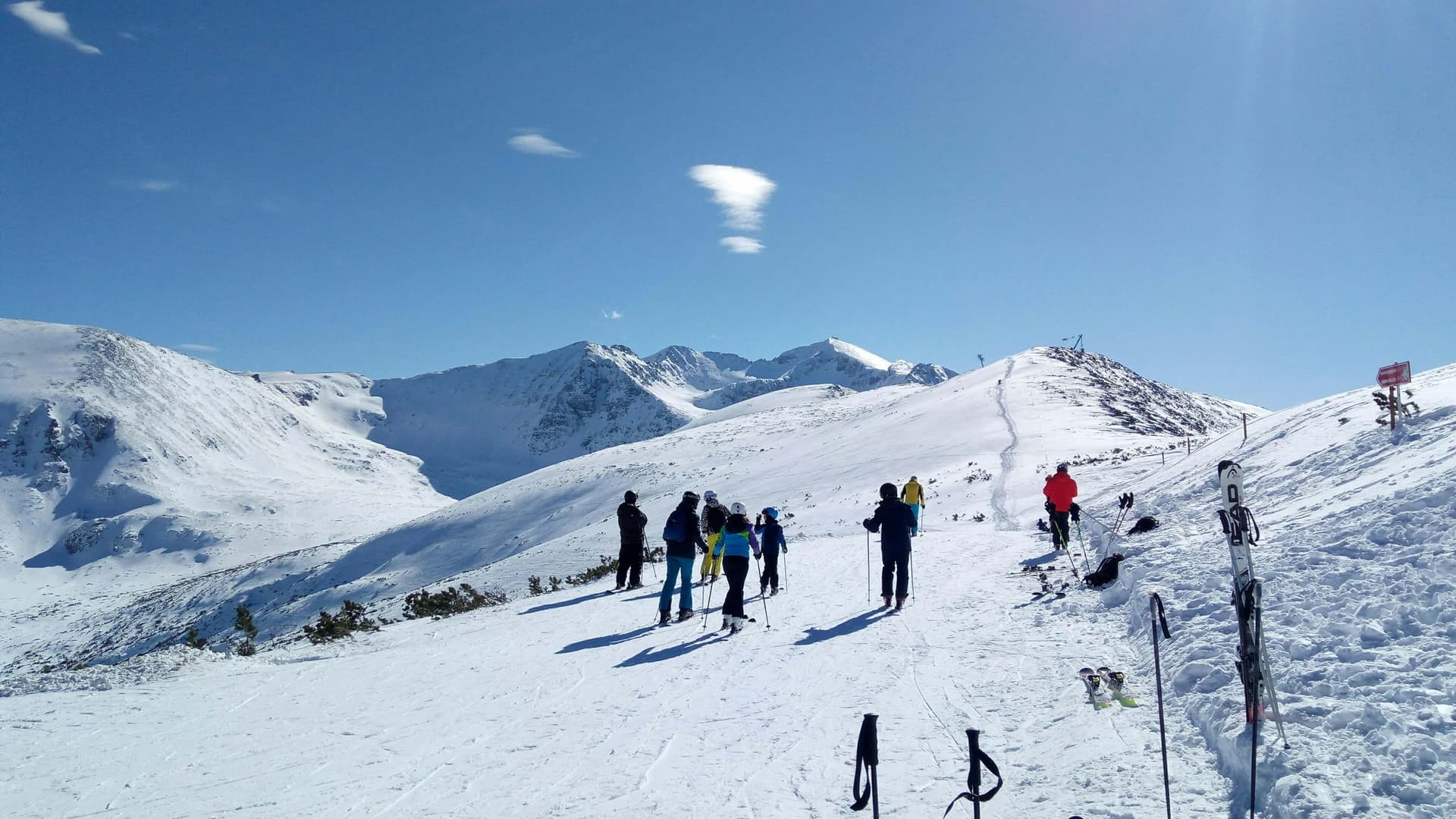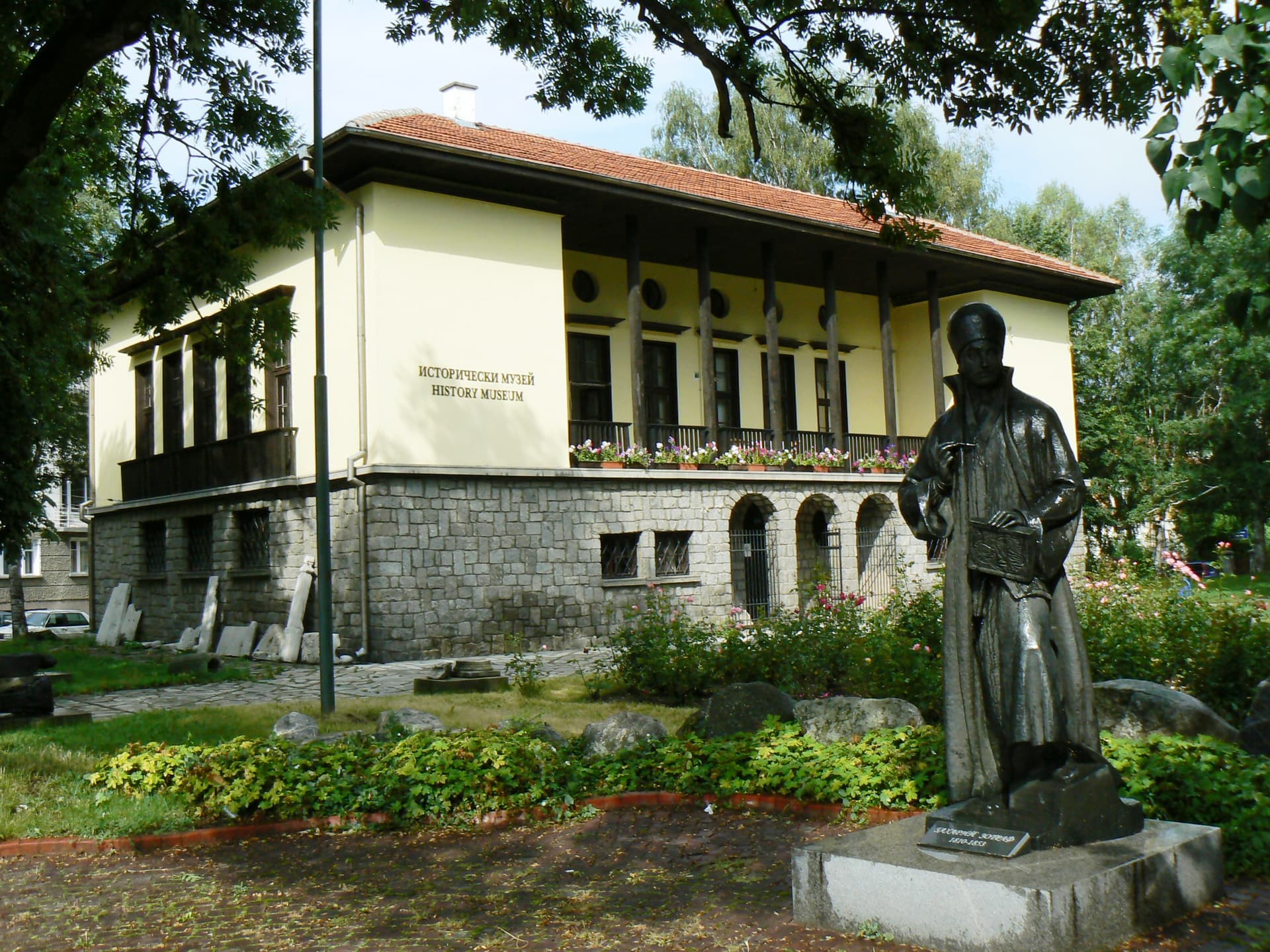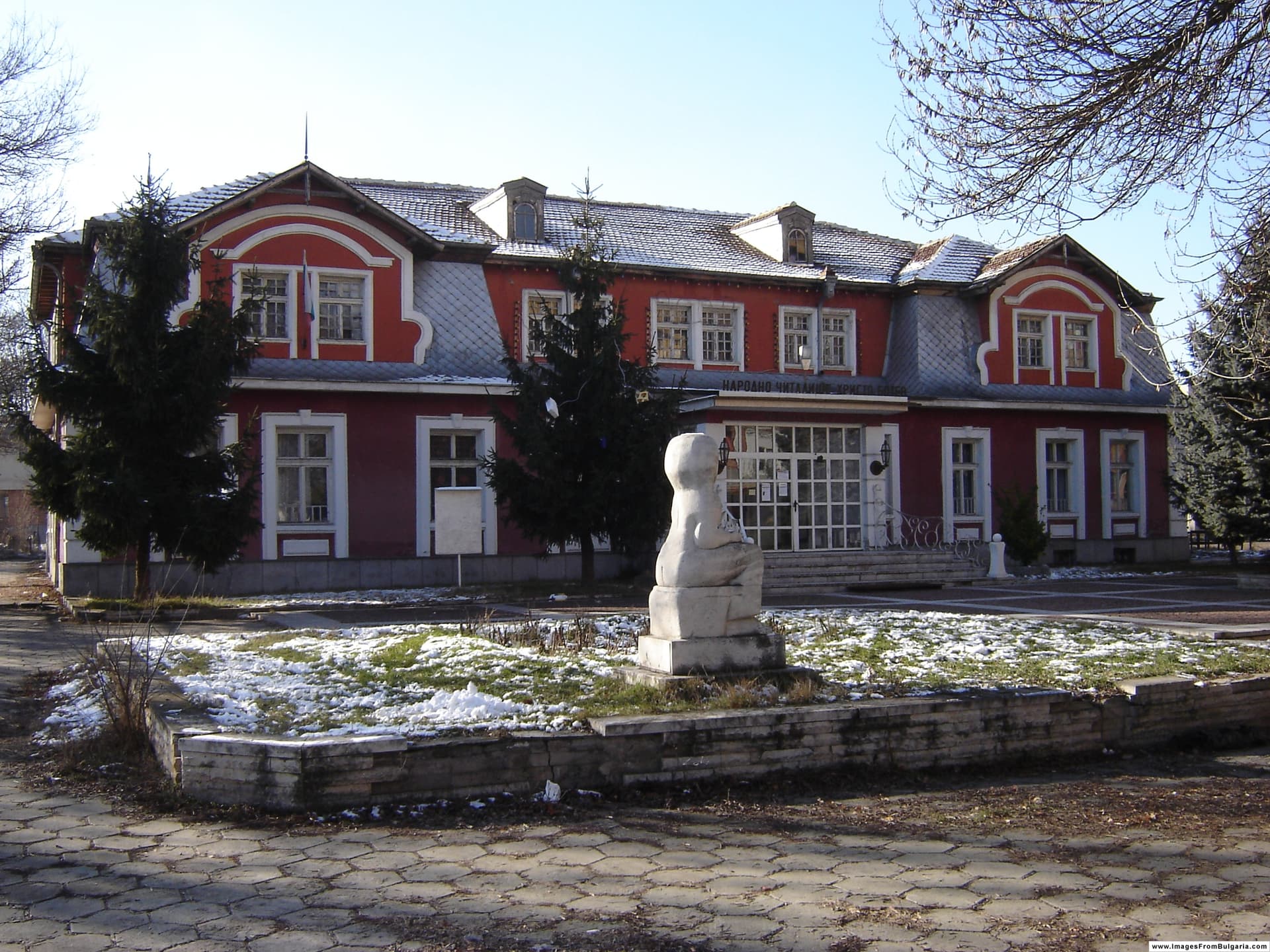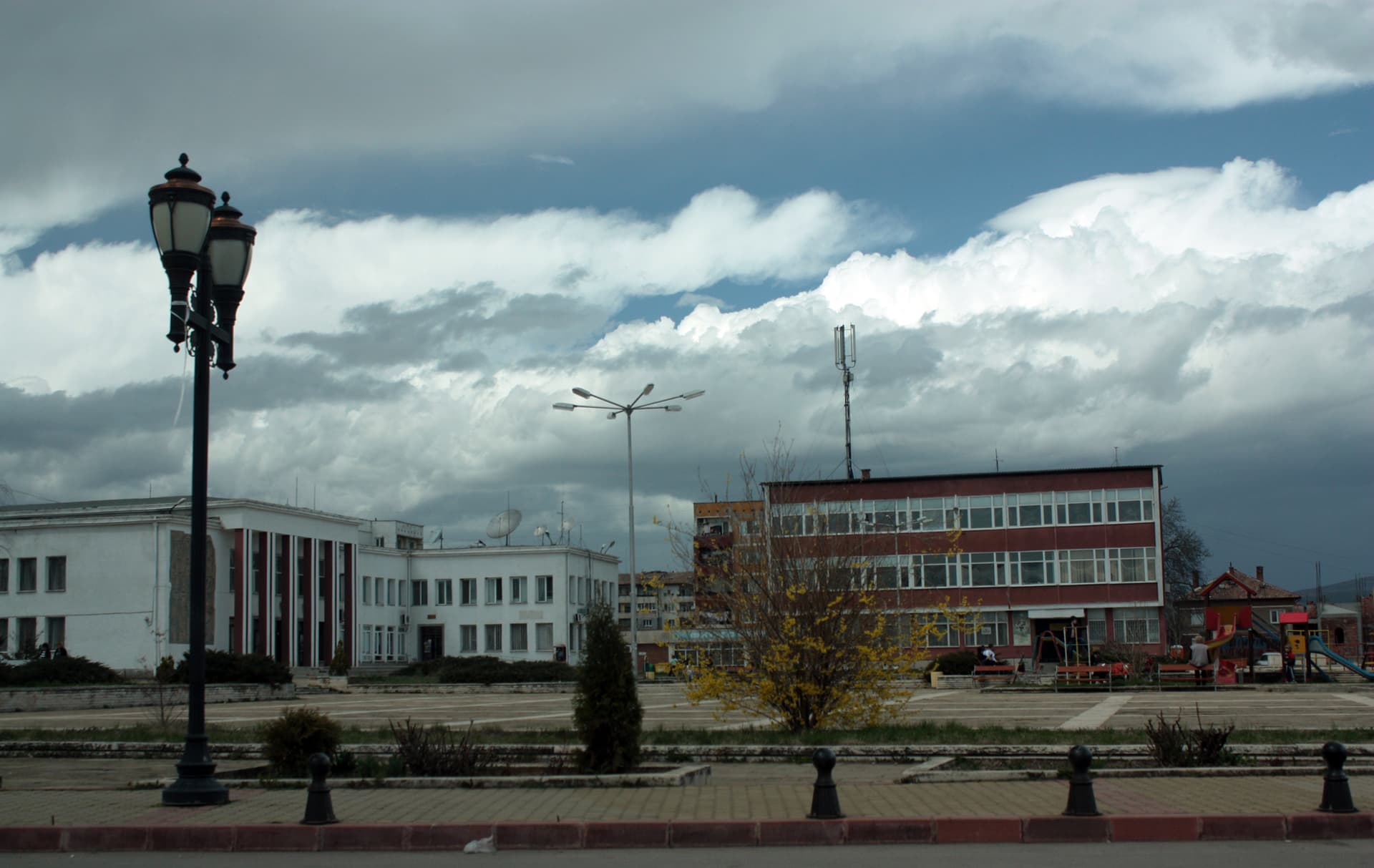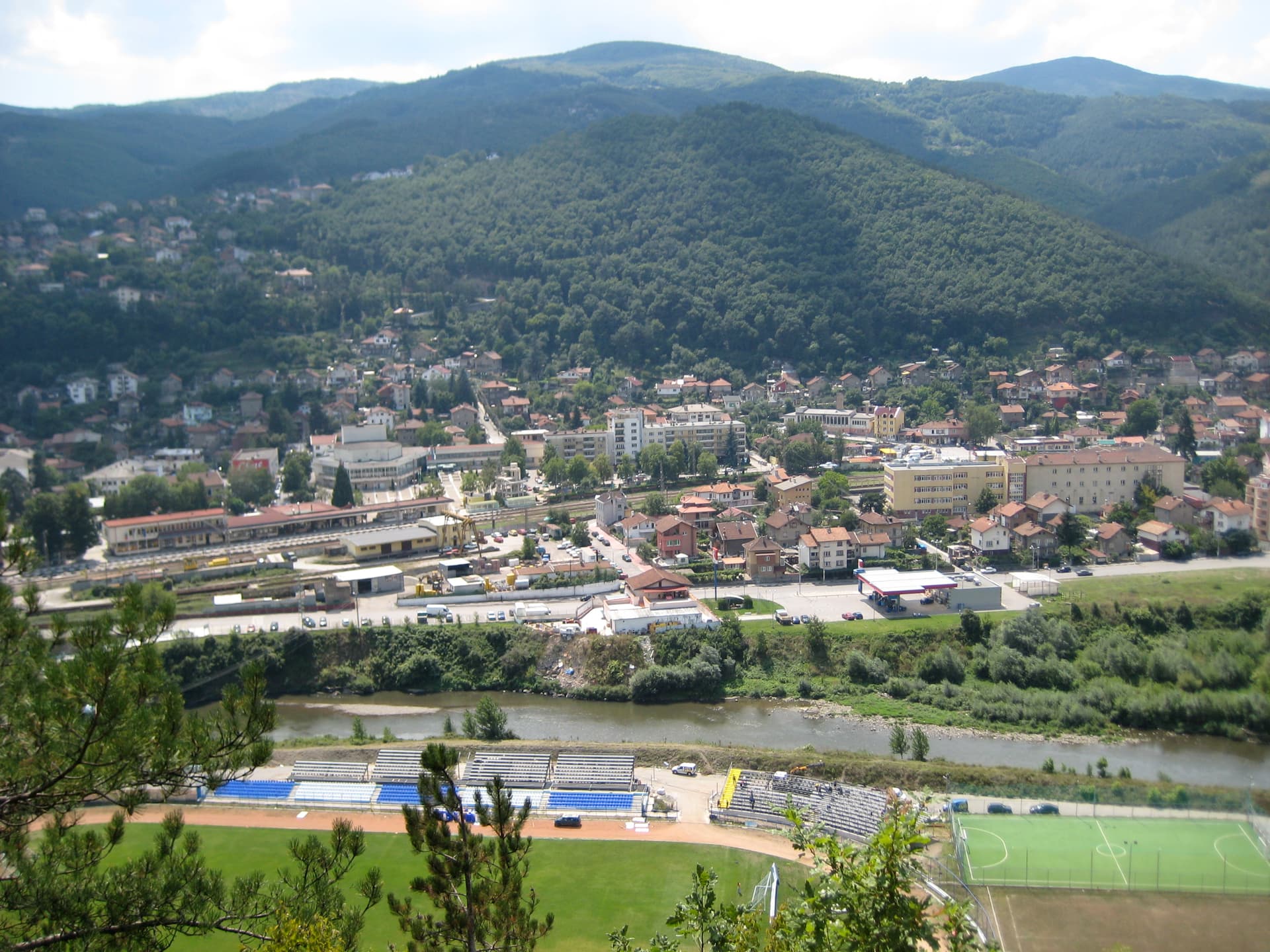
Picturesquely positioned at the meeting point of three Balkan mountain ranges—Mala Planina, Golema Planina, and Ponor—Svoge is a charming town in Sofia Province, located just 42 km north of the capital city of Sofia. Situated where the Iskretsa River meets the Iskar River, the town serves as the administrative and cultural hub of Svoge Municipality, home to nearly 7,000 residents. The town's name derives from the Slavic root word for "arch" (svod), referencing its geographic layout where the two river valleys naturally curve into one another. Ancient History & Folklore The land surrounding modern Svoge holds millennia of historical heritage: - Thracian Foundations: Archaeological finds suggest a ancient settlement of the Thracian Triballi tribe once stood in the Staro Selo district. Local lore holds that the surrounding hills hosted the historic battle between the Triballi and King Philip II of Macedon (father of Alexander the Great). - Fortresses & Medieval Heritage: Ruins of over ten early Byzantine fortresses built during the reign of Emperor Justinian the Great dot the municipality, alongside medieval Bulgarian strongholds on Mount Grohoten. - Historic Churches: Svoge preserves the 14th-century St. Petka Church and a 17th-century church located in the Kirik area. Railway Expansion, Chocolate & Modern Era Svoge experienced rapid economic growth following the construction of the Balkan railway line through the Iskar Gorge in the late 19th century. - The Chocolate Factory: Svoge holds a legendary status in Bulgaria as the country's "Chocolate Capital." In the early 20th century, entrepreneur Velizar Peev established a major confectionery factory here, which continues to manufacture famous Bulgarian chocolates to this day. - Town Status: Svoge was officially proclaimed a town in 1964. Local Culture & Events Svoge maintains active cultural and community traditions: - Town Festivals: The official town holiday is celebrated on St. Peter's Day (July). Every August, a mountain festival takes place atop nearby Mount Grohoten. - Bread Festival: Every summer, the town hosts the colorful "Bread Festivals," highlighting local culinary traditions. - Literary Heritage: The municipality biennially awards the Alexander Vutimski National Literary Prize in honor of the acclaimed poet born in Svoge. Useful Visitor Information - Location: Iskar Gorge, 42 km north of Sofia and 72 km south of Vratsa. - Accessibility: Easily accessible by car via the scenic Sofia–Svoge–Mezdra road or via frequent direct passenger trains from Sofia Central Station. - Nearby Attractions: Located short drives away from the Lakatnik Rocks (20 km), the Seven Altars Monastery (Sedemte Prestola), Iskrets Monastery, and scenic hiking trails. - Trip Tip: Svoge makes an ideal base for day trips, cycling, and hiking up Mount Grohoten. Be sure to stop by a local bakery or cafe to enjoy the town's chocolate heritage before heading into the gorge.
Sofia Province
2.1 km away
Sofia Province
7.7 km away
Sofia Province
8.0 km away
Sofia Province
8.1 km away
Discover the Iskar Gorge north of Sofia: Visit the Lakatnik Rocks, Cherepish Monastery, the Ritlite formation, and ride the scenic Sofia–Mezdra railway.
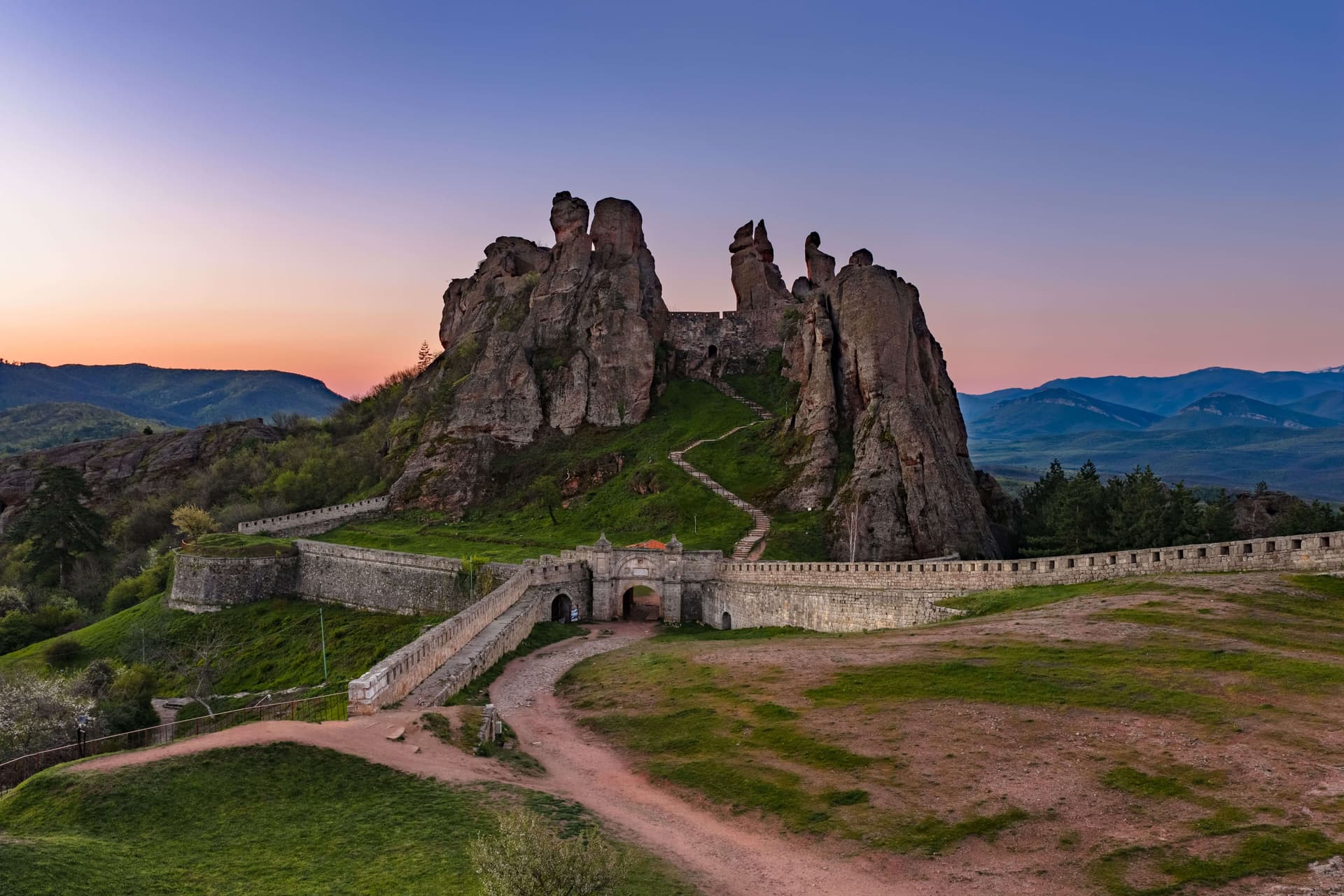
A complete 4-day road trip itinerary through Bulgaria's least-visited region: Iskar Gorge, Vratsa, God's Bridge, Chiprovtsi, Belogradchik Rocks, Magura Cave, and Vidin.
Svoge is located in Sofia Province, Bulgaria.
Svoge is most easily reached by car. Use the coordinates above to navigate, or open the location in OpenStreetMap or your preferred maps app for turn-by-turn directions. Public transport options vary by region — for remote destinations a rental car gives the most flexibility.
Svoge can be visited year-round, but late spring (May–June) and early autumn (September–October) offer the most pleasant weather and fewer tourists. Summer is the busiest season; winter is the quietest, with shorter daylight and possible cold weather.
Bulgarian settlements typically reward unhurried walking — historic centres, churches and monasteries, local markets, and family-run restaurants serving regional dishes. Larger towns often have museums and seasonal cultural events. The local tourist information centre is a good first stop for current opening hours and what's on.