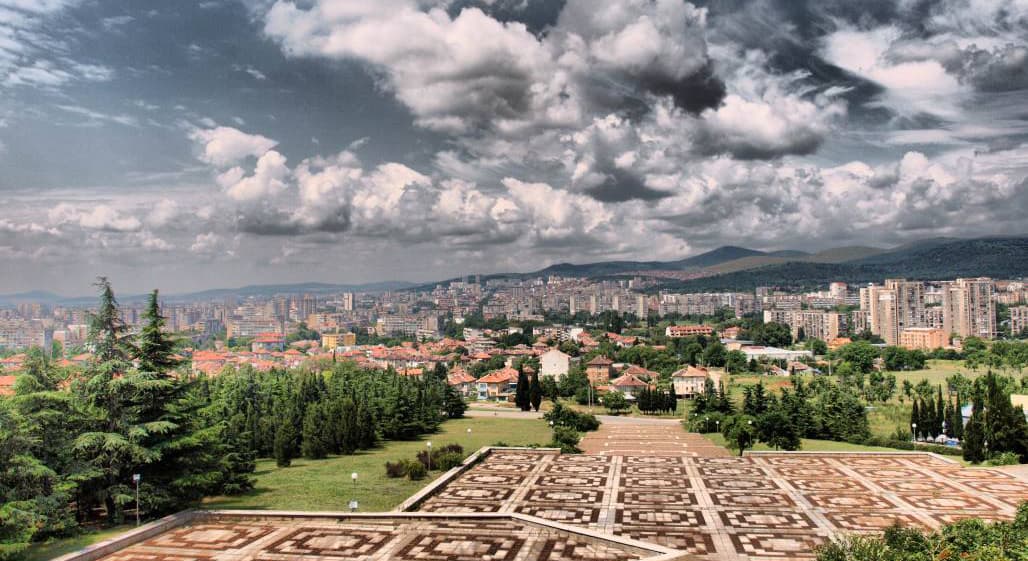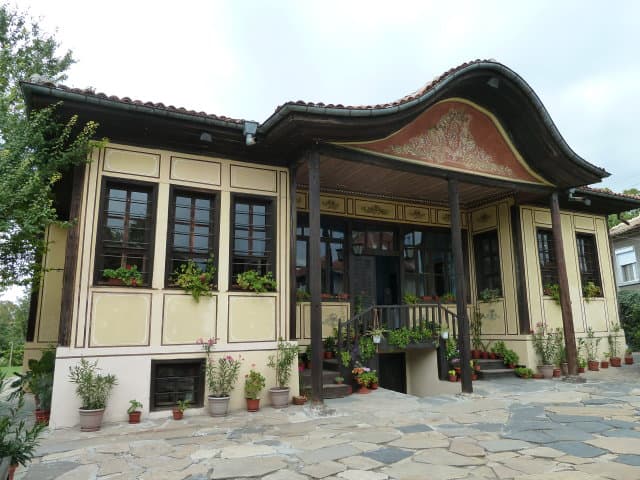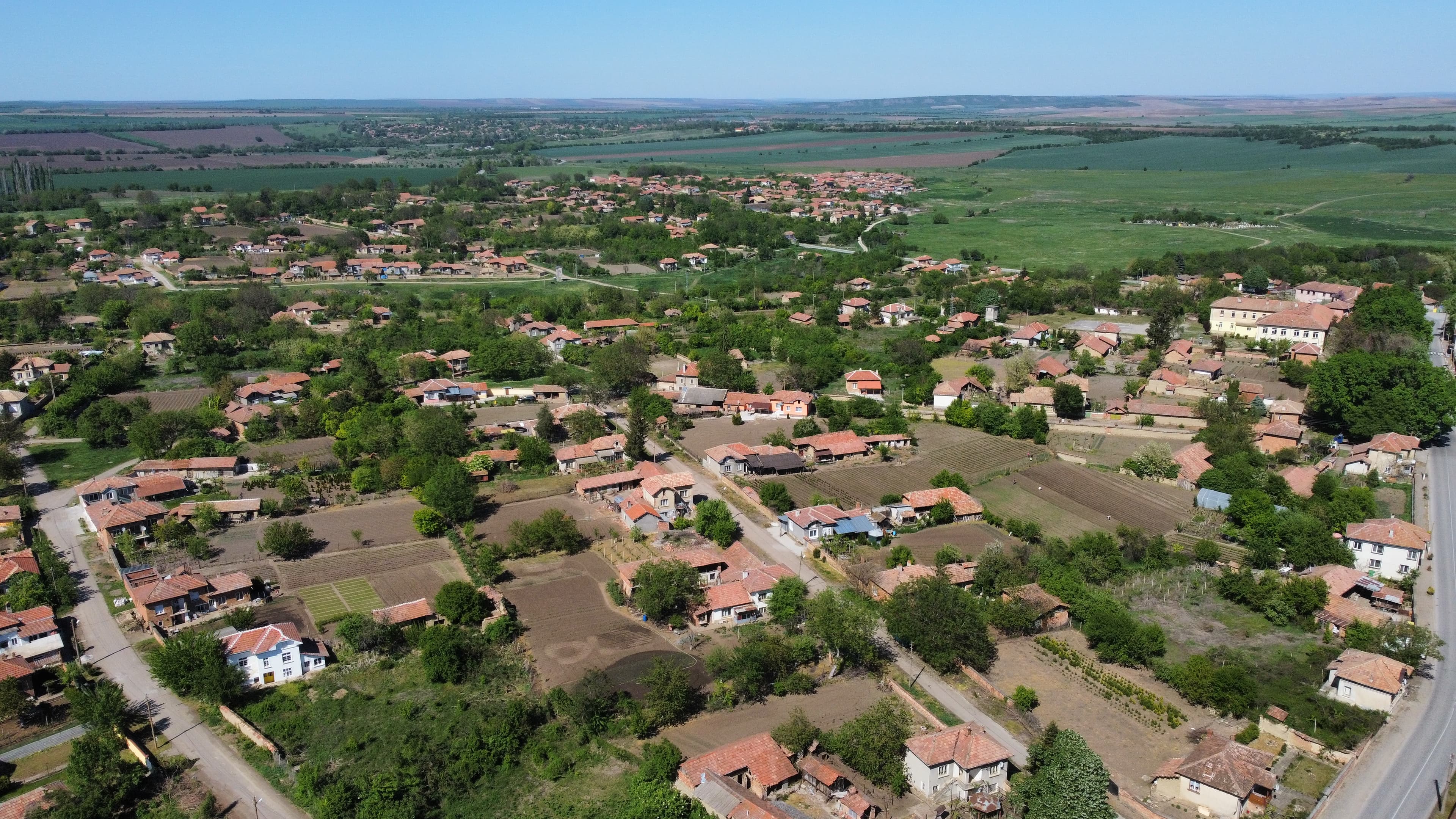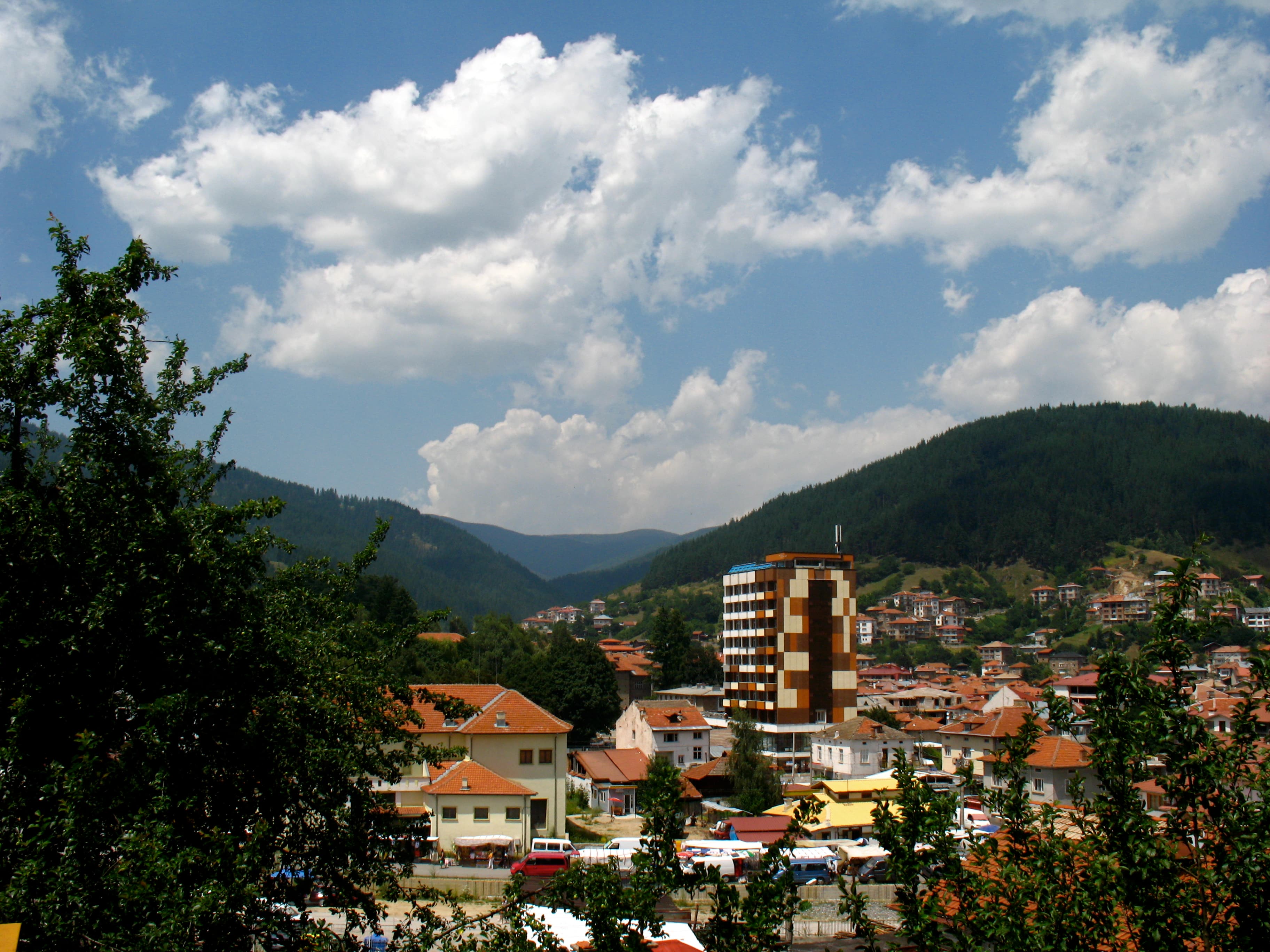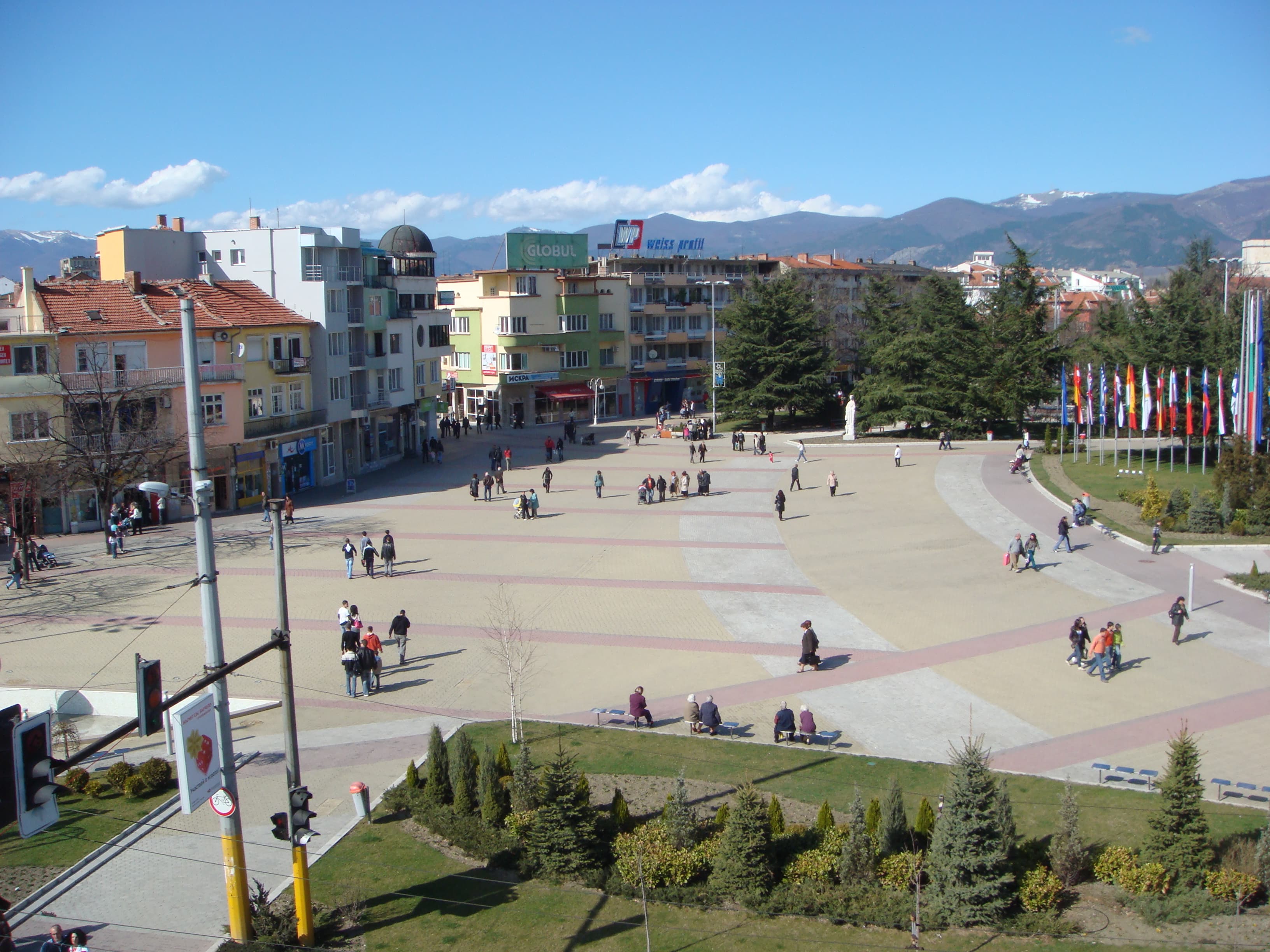
Kazanlak, the heart of the Rose Valley and the realm of Thracian rulers, is a city that enchants visitors with its unique blend of natural beauty, ancient history, and aromatic culture. Nestled at the foot of the Balkan Mountains, in the picturesque Kazanlak valley, the city is world-renowned for its rose cultivation. Every year in June, Kazanlak comes alive with the vibrant Rose Festival, celebrating the harvest of the precious rose oil, Bulgaria's invaluable contribution to global perfumery and cosmetics. The atmosphere during the festival is unforgettable, filled with folklore, music, and dance. But Kazanlak is much more than just roses. It serves as a gateway to the rich Thracian civilization. Here lies the famous Kazanlak Thracian Tomb, a UNESCO World Heritage site, which mesmerizes with its unique 4th-century BC frescoes. The surrounding region, often called the “Valley of the Thracian Kings,” reveals dozens of Thracian mounds, unveiling ancient rituals and artistry. Dive deeper into history at the Museum of Roses, exploring the heritage of rose production, or the Iskra Historical Museum, safeguarding millennia of local history. Stroll through the city's charming center, savor local cuisine, and absorb the spirit of this unique Bulgarian city in the Stara Zagora region. Kazanlak offers an unforgettable experience, combining relaxation amidst the scent of roses with an exciting journey back in time.
Kazanlak is located in Stara Zagora, Bulgaria.
Kazanlak is most easily reached by car. Use the coordinates above to navigate, or open the location in OpenStreetMap or your preferred maps app for turn-by-turn directions. Public transport options vary by region — for remote destinations a rental car gives the most flexibility.
Kazanlak can be visited year-round, but late spring (May–June) and early autumn (September–October) offer the most pleasant weather and fewer tourists. Summer is the busiest season; winter is the quietest, with shorter daylight and possible cold weather.
Bulgarian settlements typically reward unhurried walking — historic centres, churches and monasteries, local markets, and family-run restaurants serving regional dishes. Larger towns often have museums and seasonal cultural events. The local tourist information centre is a good first stop for current opening hours and what's on.