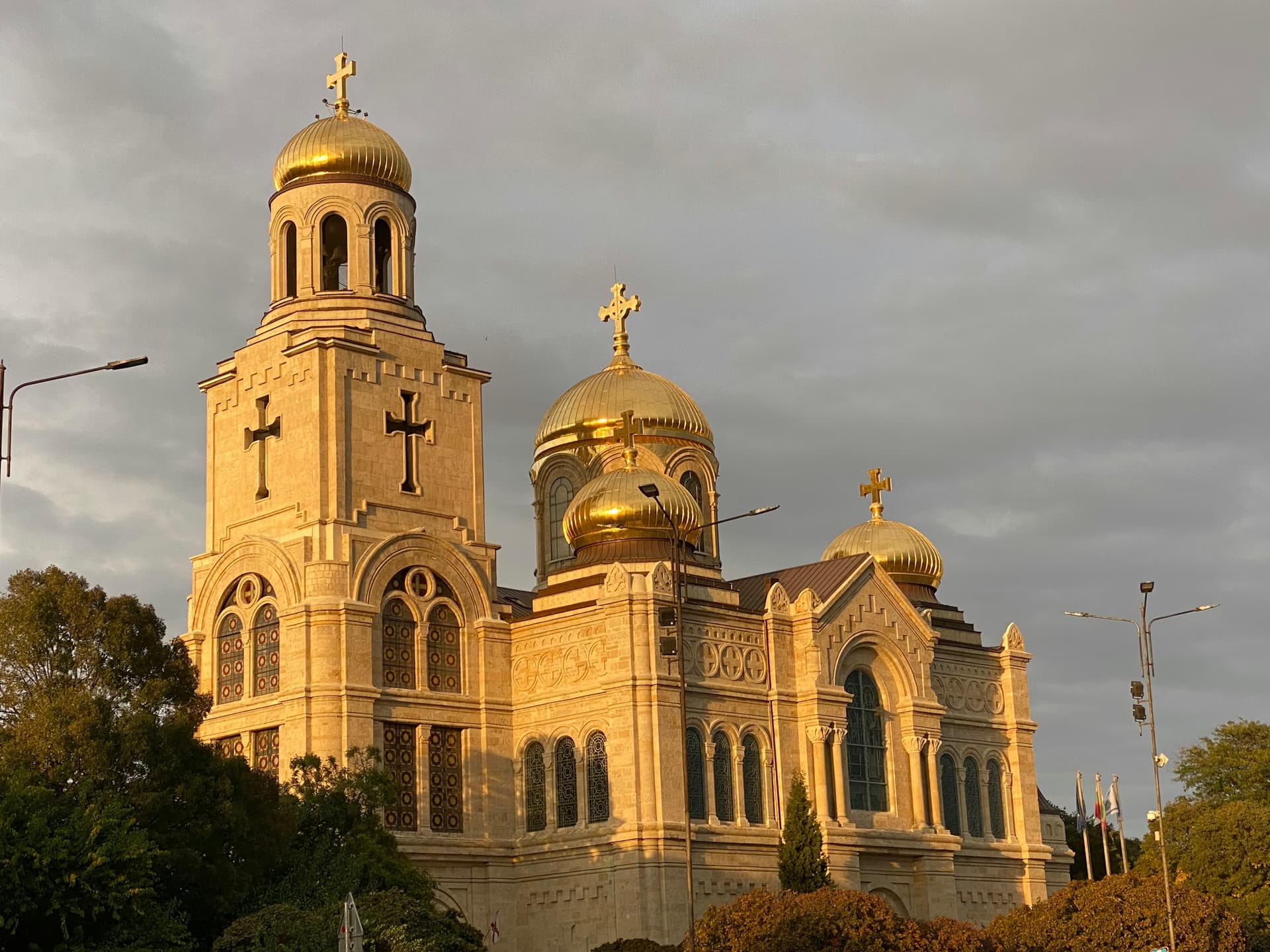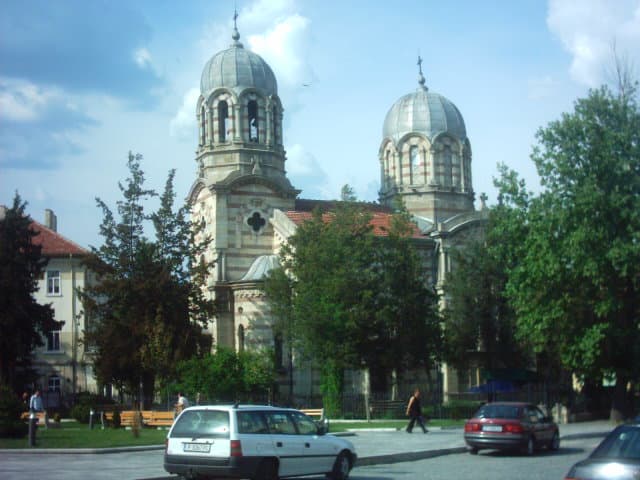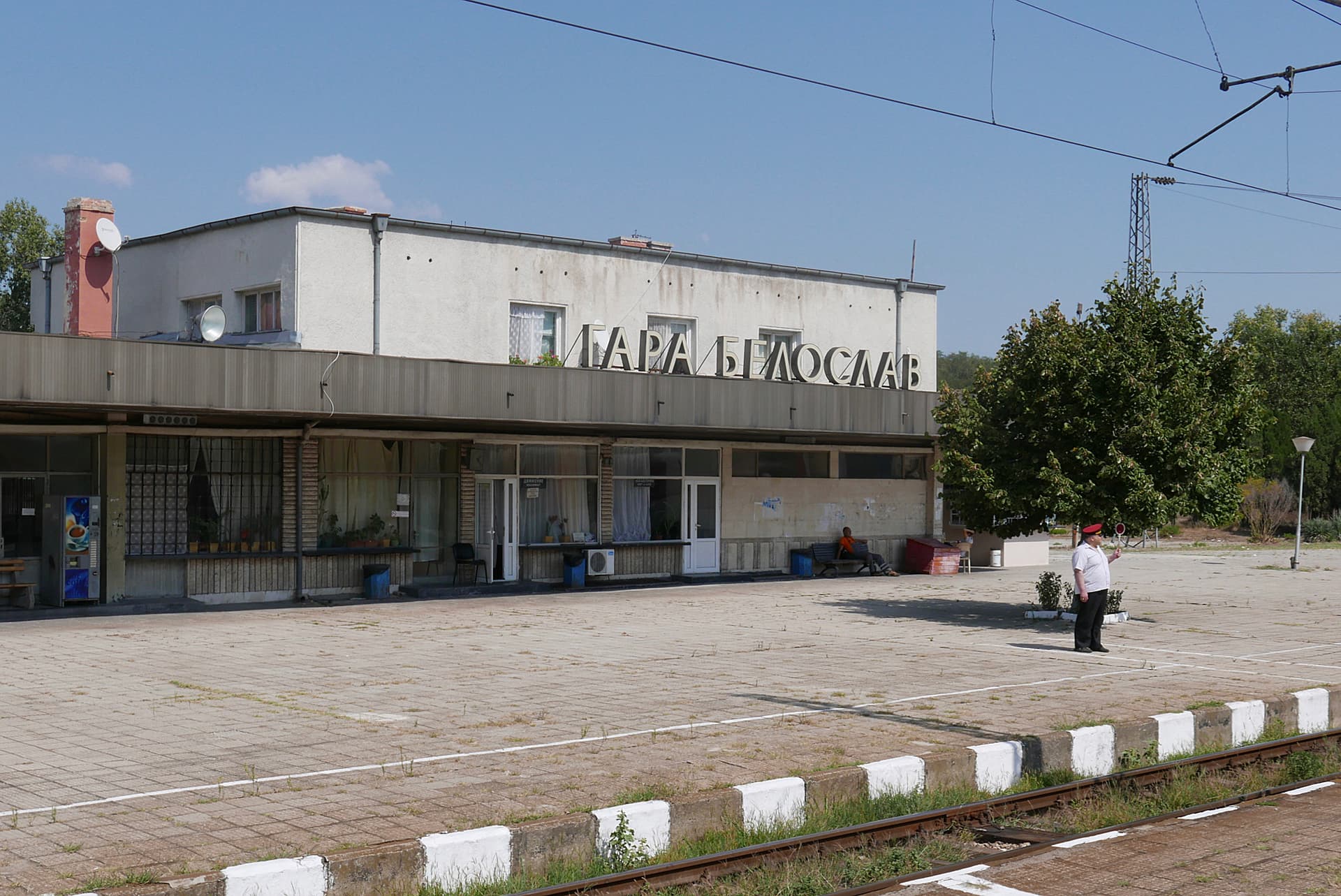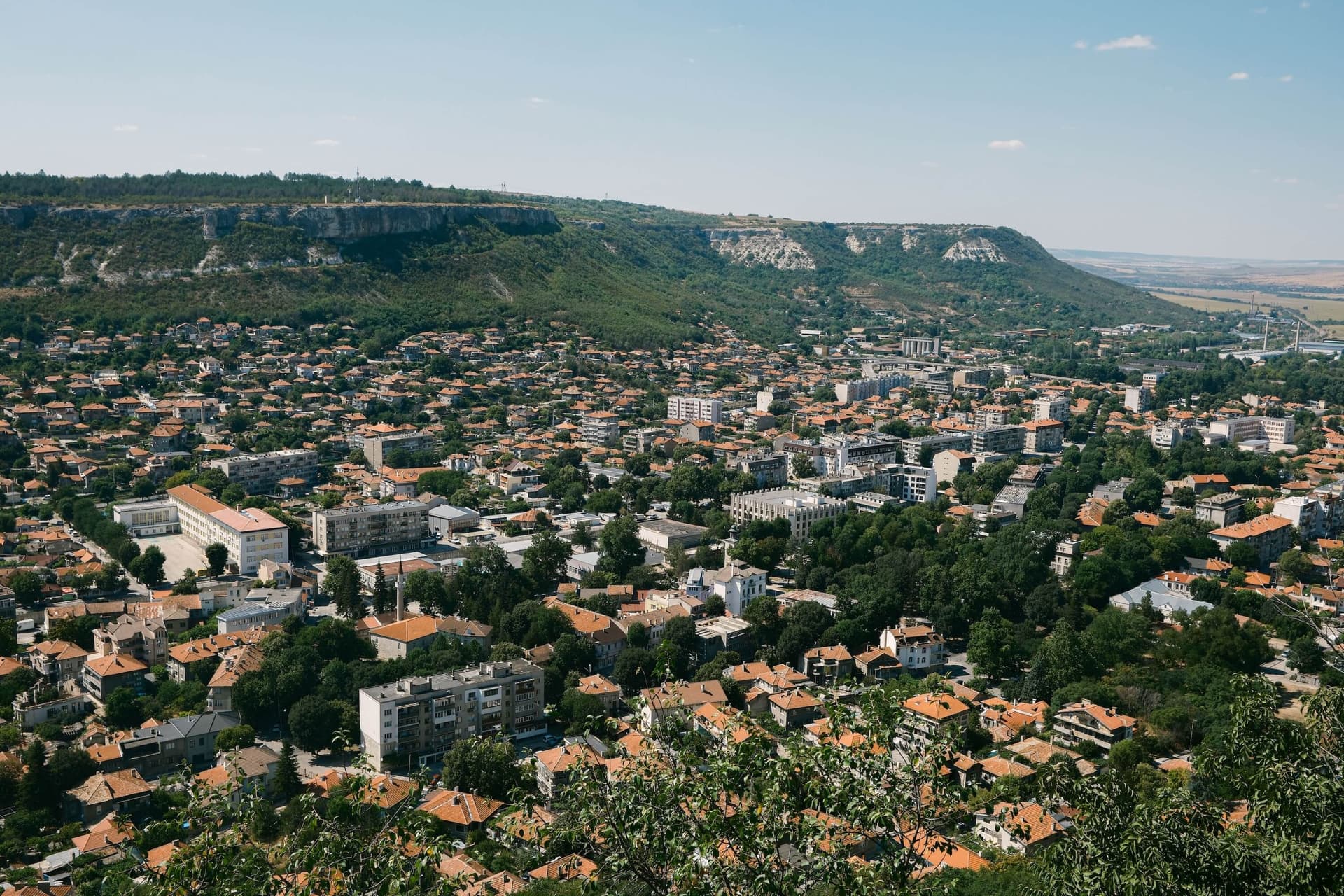
Provadia is a town in Varna province on the Provadiyska river, in a gorge between high cliffs to the east and west. It lies 47 km west of Varna and 53 km south-east of Shumen. With about 9,600 residents it is the second-largest town in the province. The Varna–Sofia and Varna–Ruse railways run through it. The Ovech fortress above the town and the Shashkanite rock monastery are covered in our guides below.
Provadia is called the oldest salt-production and urban centre in Europe. About 5–6 km south-east of town lies the prehistoric complex of Solnitsata. Salt was produced there between 5600 and 4350 BC, and the settlement around the salt works was fortified with stone walls (4700–4350 BC). Salt is still extracted: near Mirovo station is one of Bulgaria's largest rock-salt deposits. Brine from it is piped to the soda plant in Devnya. In 1917 a salt spring was found by the river, and salt baths were later built on it.
Some 30 Thracian rock tombs survive in the Tabiite area, north of the Kaleto plateau.
Provadia's feast day is Palm Sunday, when the spring fair is held.
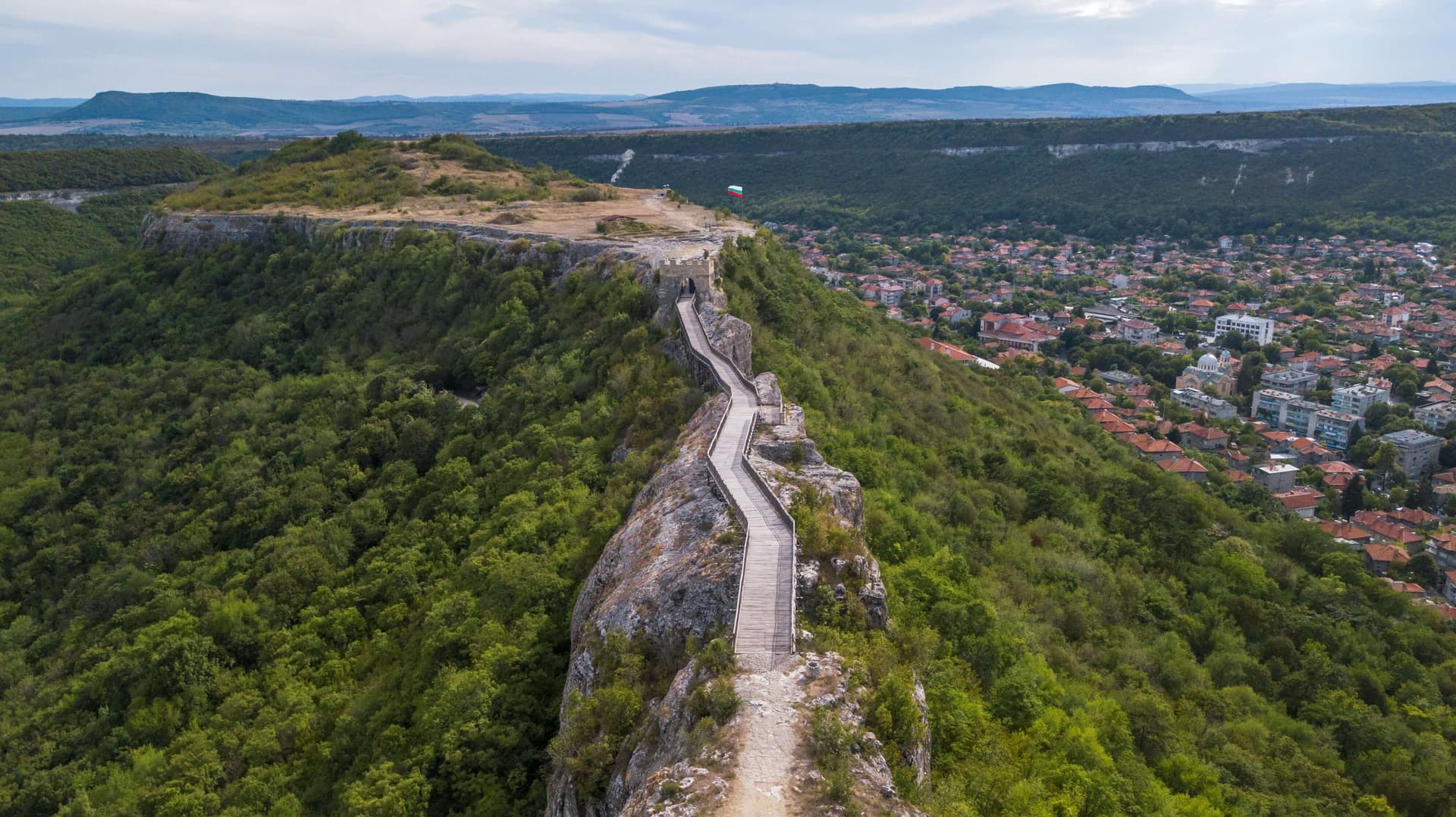
Varna region
0.7 km away

Varna region
1.7 km away
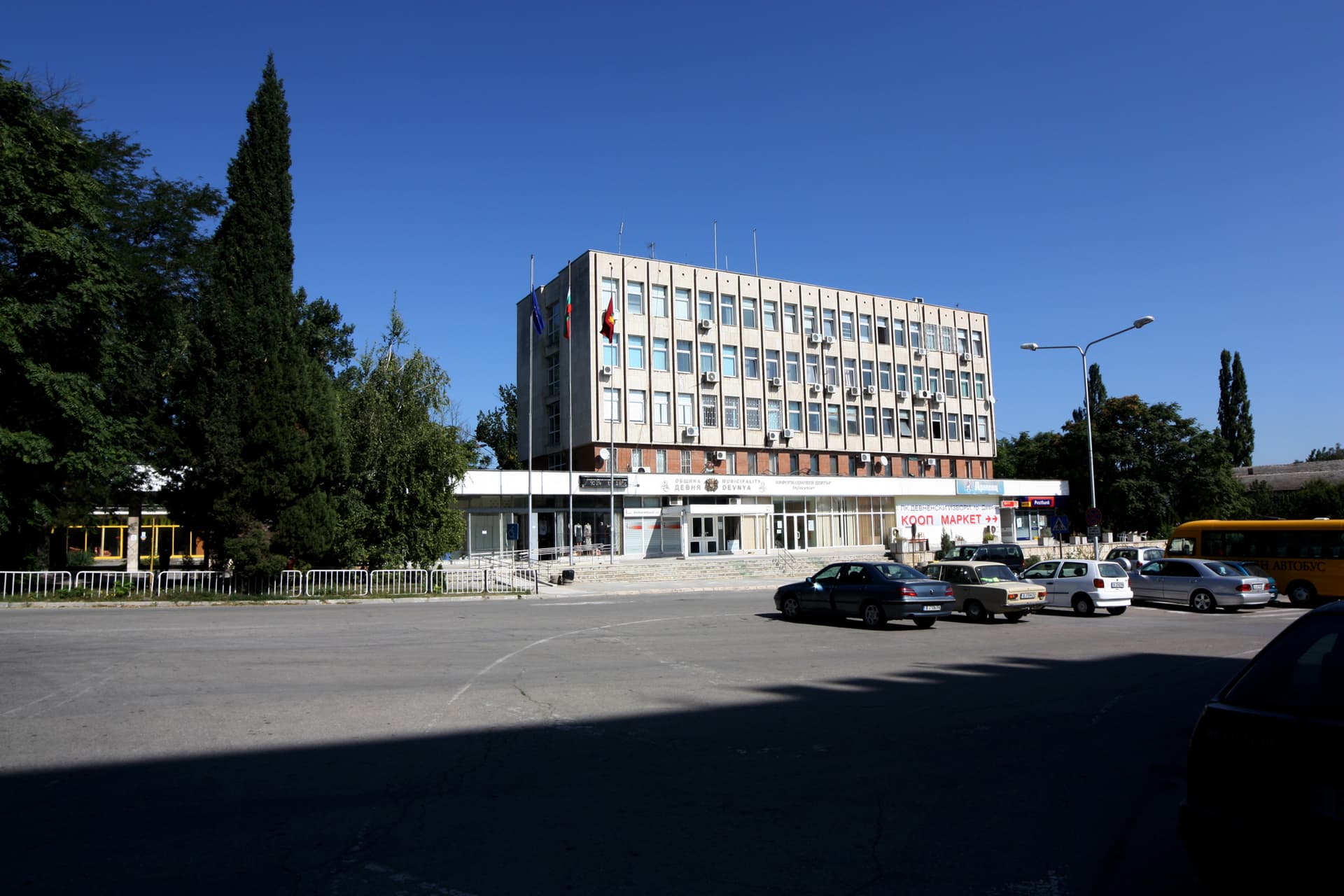
Varna region
10.2 km away
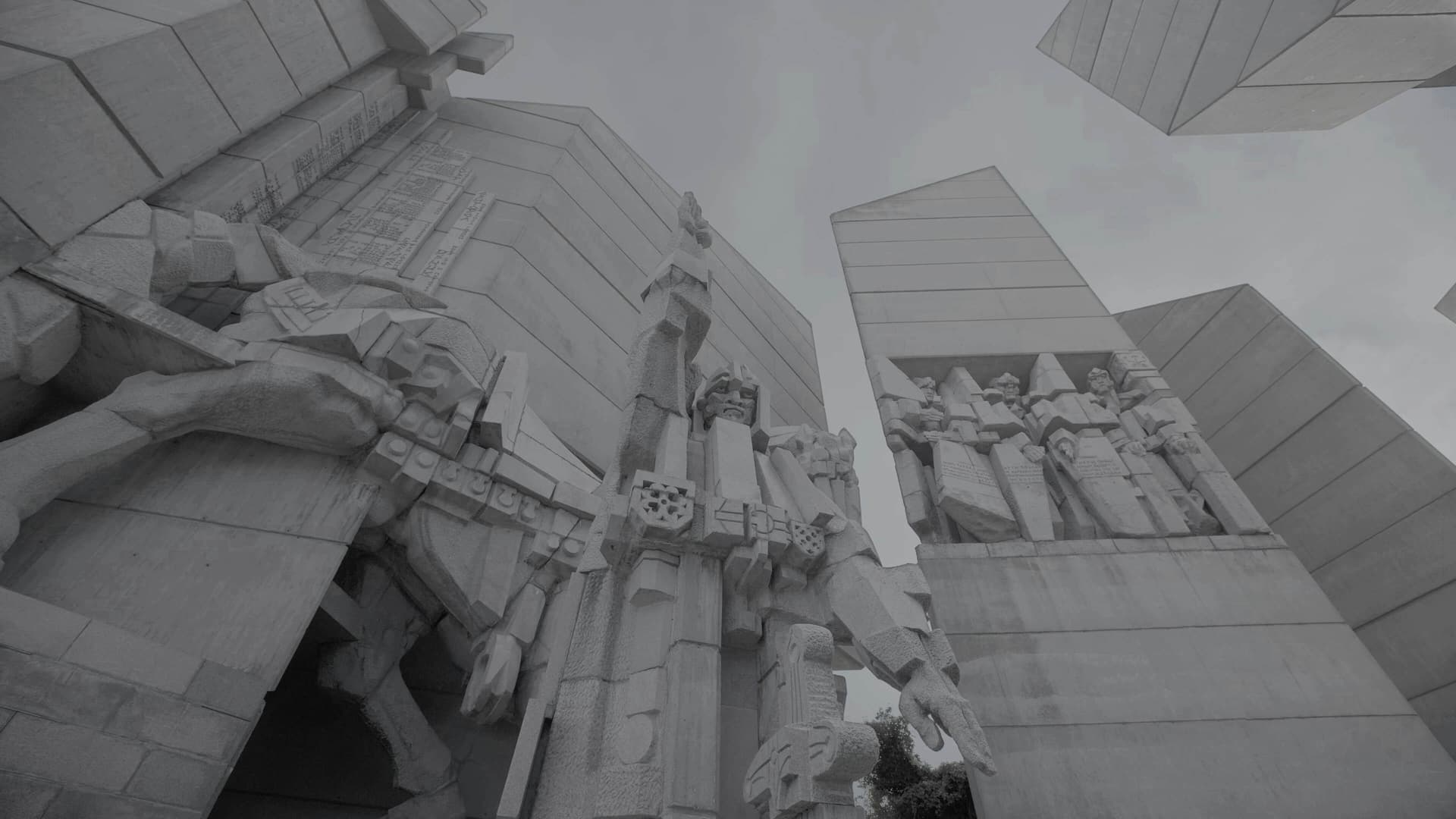
A weekend based in Shumen: the Madara Rider, Pliska, Veliki Preslav, Shumen fortress and the plateau monument — tickets, winter opening hours and a two-day route.
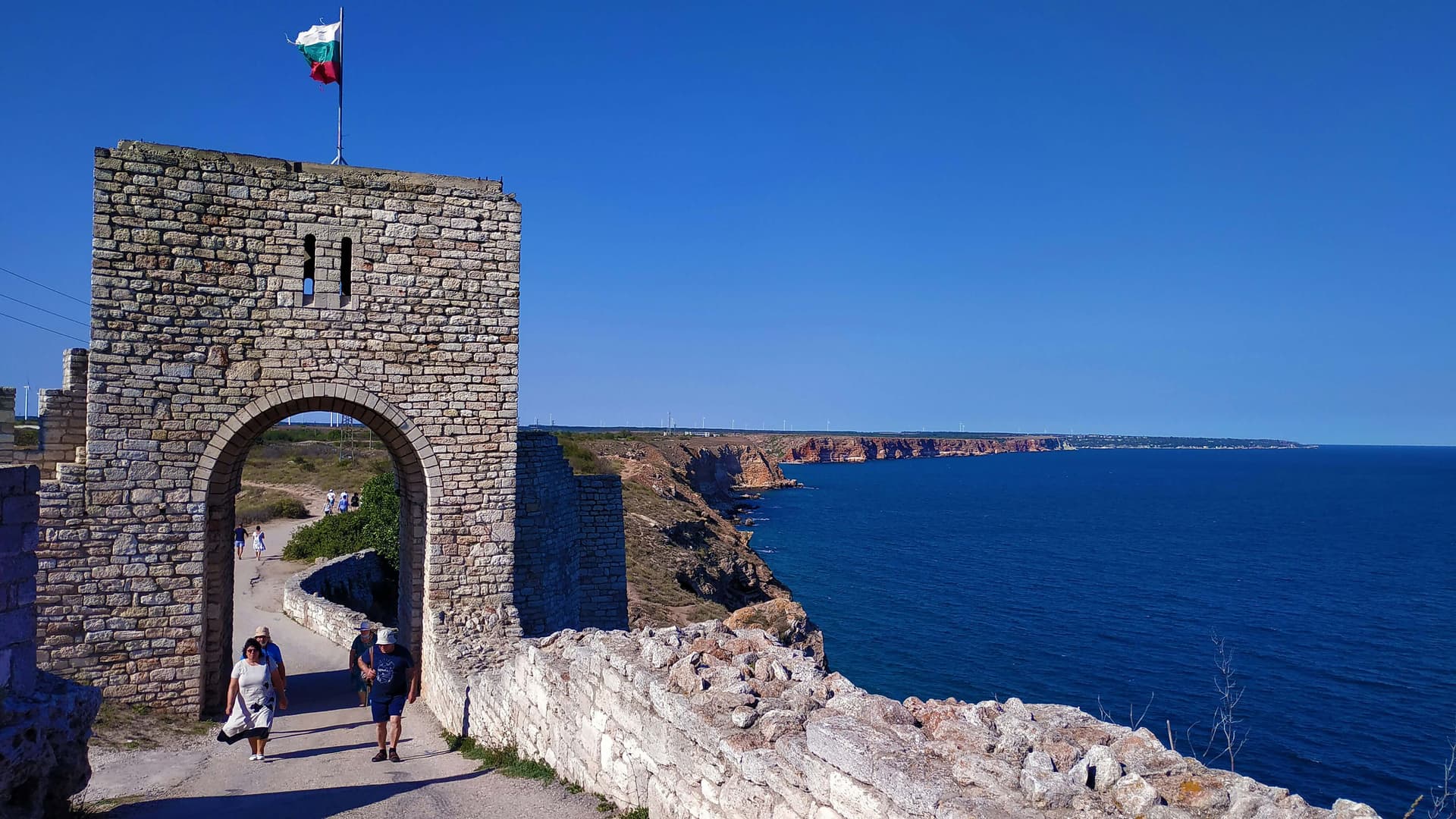
Planning a day trip from Varna? Discover the best itineraries: Balchik Palace, Cape Kaliakra, Aladzha Monastery, the Madara Rider, Pliska, and Pobiti Kamani.
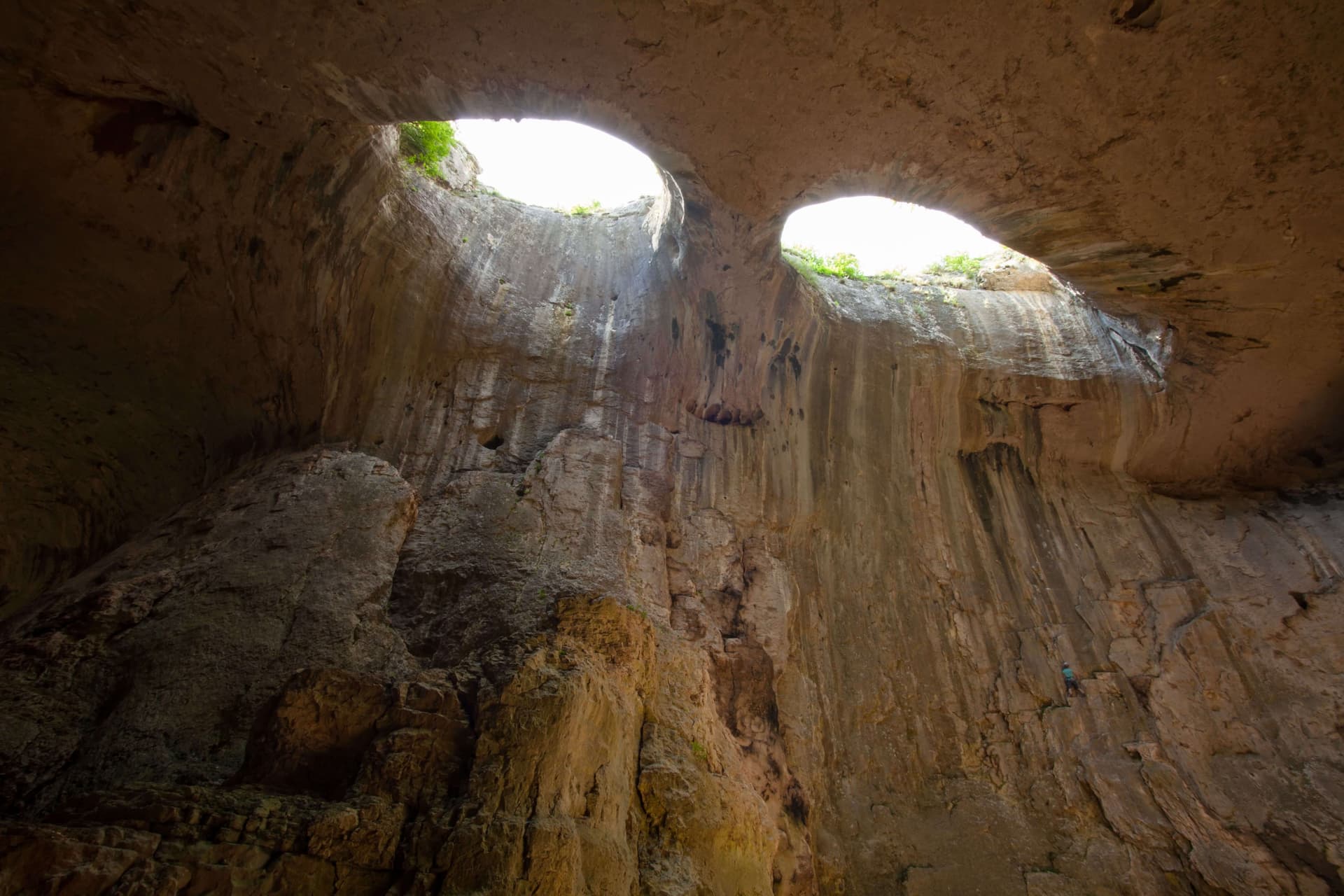
Looking for off-the-beaten-path destinations? Discover the 10 most magical hidden gems in Bulgaria—from the Womb Cave and Prohodna to Emen Canyon and Kosti.
Provadia is located in Varna, Bulgaria.
Provadia is most easily reached by car. Use the coordinates above to navigate, or open the location in OpenStreetMap or your preferred maps app for turn-by-turn directions. Public transport options vary by region — for remote destinations a rental car gives the most flexibility.
Provadia can be visited year-round, but late spring (May–June) and early autumn (September–October) offer the most pleasant weather and fewer tourists. Summer is the busiest season; winter is the quietest, with shorter daylight and possible cold weather.
Bulgarian settlements typically reward unhurried walking — historic centres, churches and monasteries, local markets, and family-run restaurants serving regional dishes. Larger towns often have museums and seasonal cultural events. The local tourist information centre is a good first stop for current opening hours and what's on.