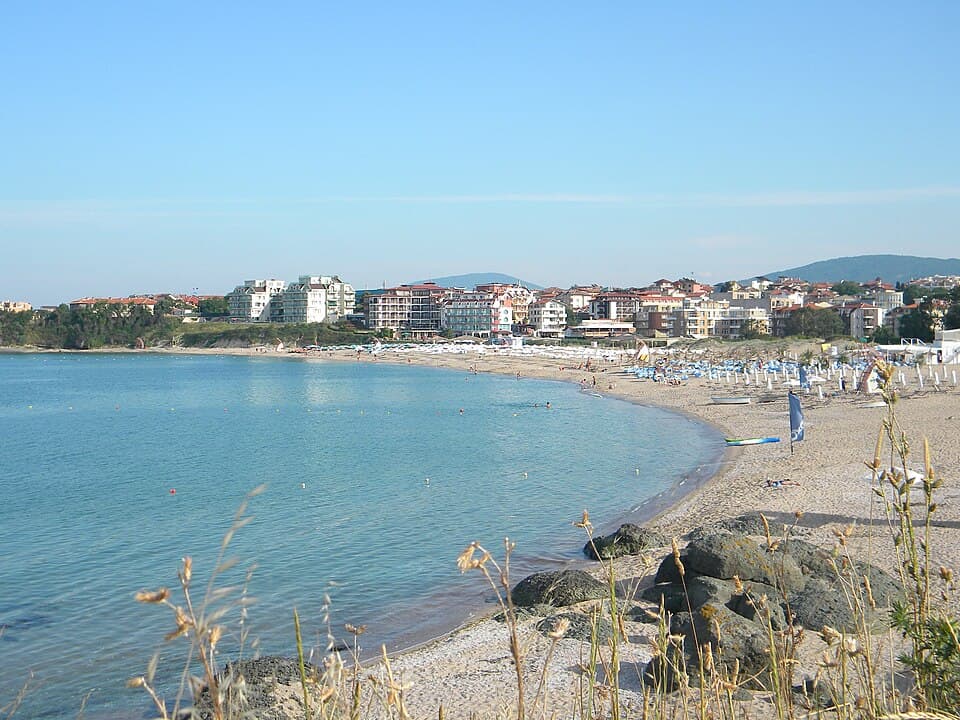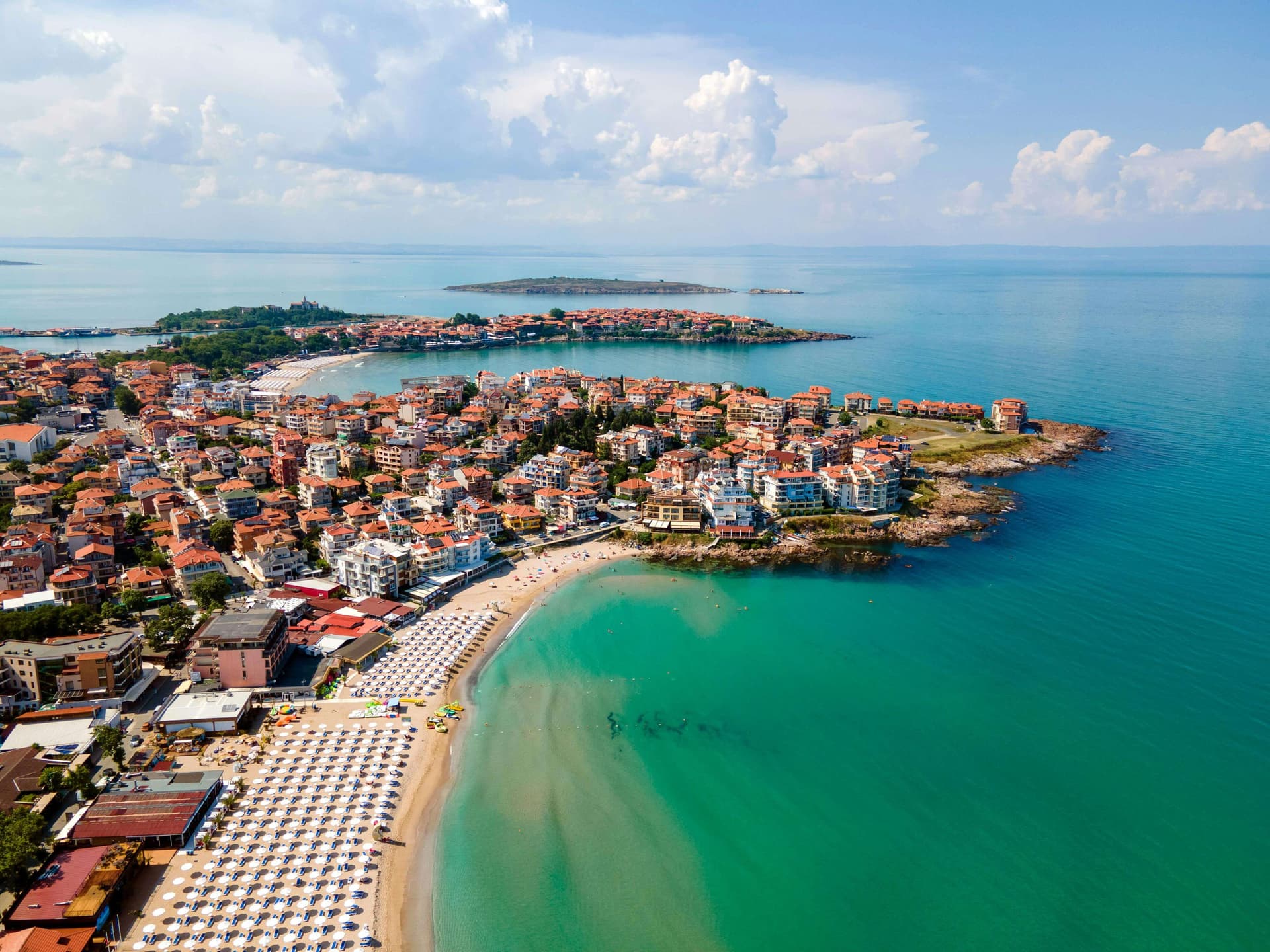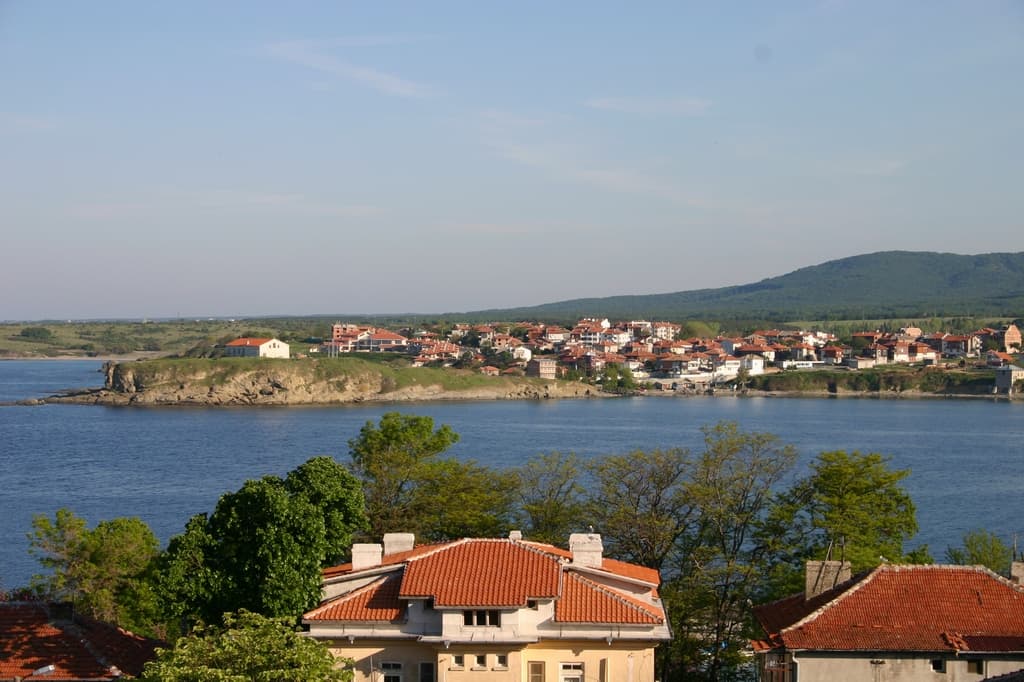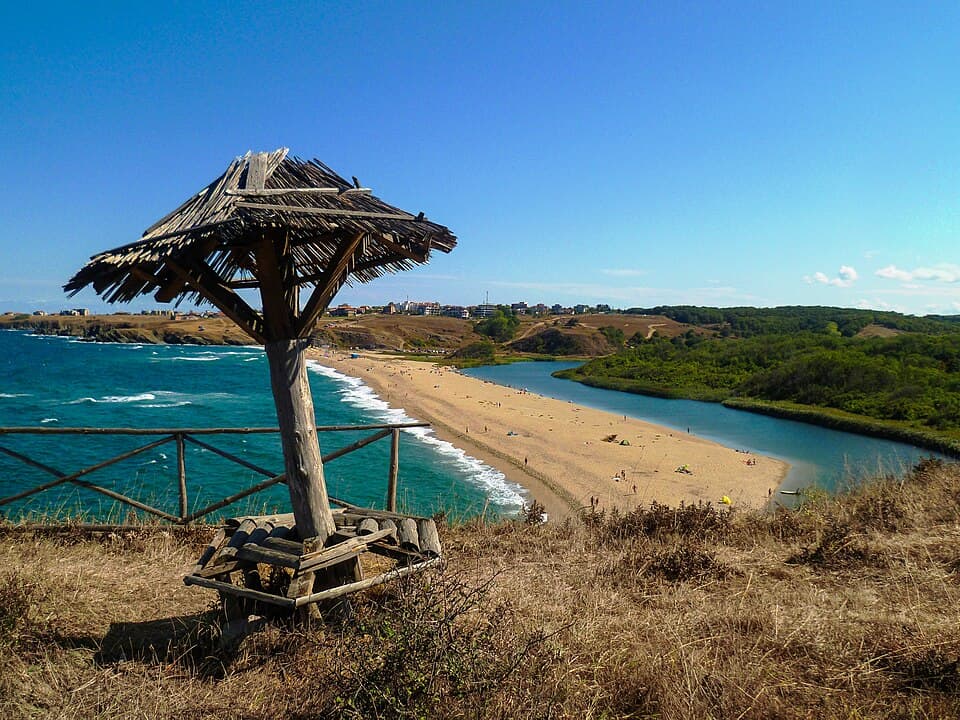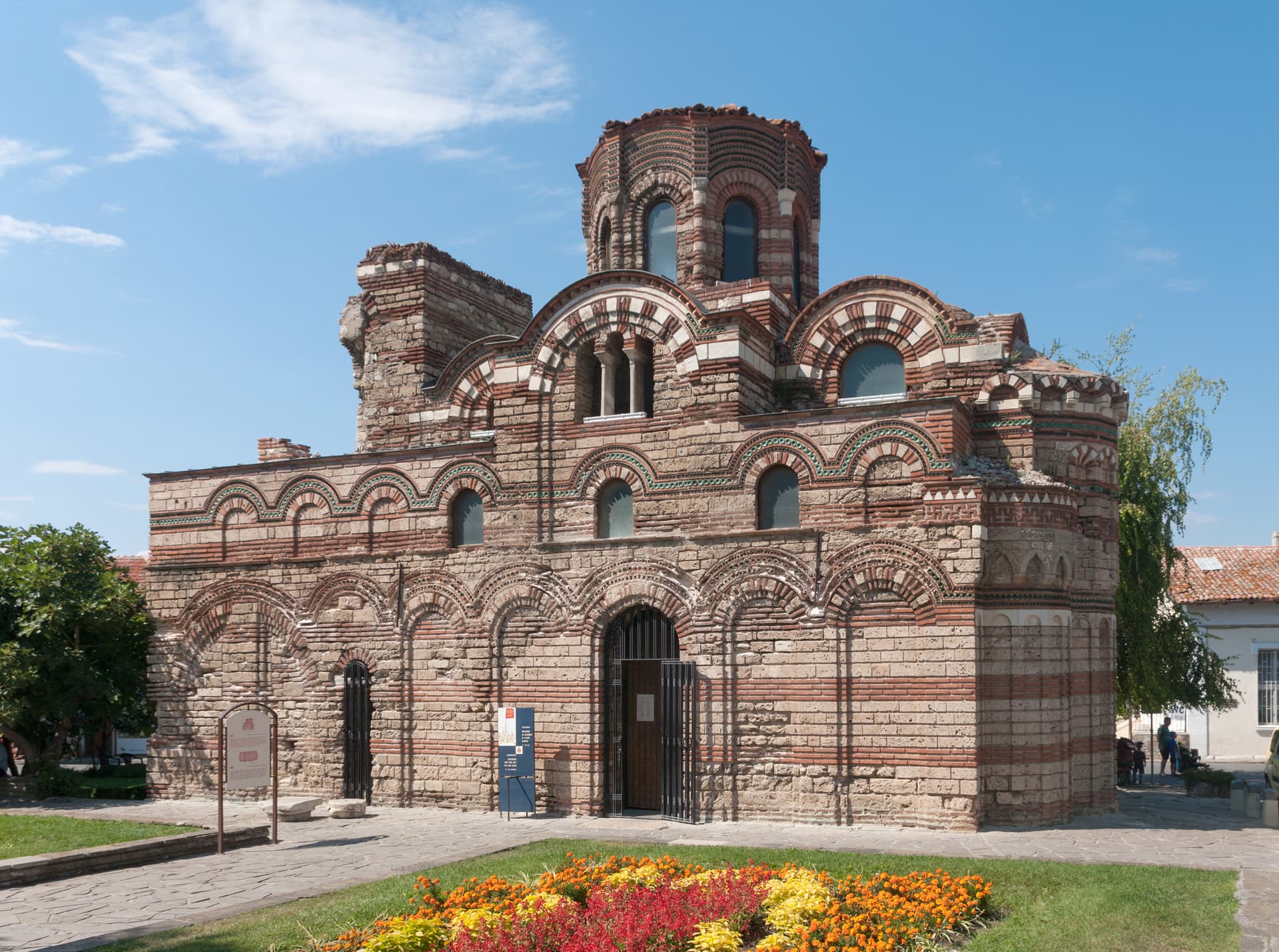
Nessebar is one of the most prominent and beautiful resort cities in Southeastern Bulgaria, situated right on the coast of the Black Sea. Serving as the administrative center of the Nessebar Municipality in the Burgas Province, it borders and almost seamlessly merges to the north with the countrys largest seaside resort - Sunny Beach. Nessebar is one of the oldest cities in Europe, boasting a rich historical baseline that dates back over 3200 years. The total population of Nessebar and the adjacent Sunny Beach area numbers nearly 15 000 residents, ranking it as the third-largest urban center on the Bulgarian Black Sea coast, following the major ports of Varna and Burgas. Geographical Position, Urban Layout, and Mediterranean Climate The city is located 35 km northeast of the regional center of Burgas. The Nessebar Municipality comprises 14 settlements, including three towns: Nessebar, Sveti Vlas, and Obzor. The historic Old Town is uniquely situated on a small, rocky peninsula measuring 850 meters in length and 350 meters in width, connected to the mainland via a narrow, scenic isthmus roughly 400 meters long. West of this isthmus lies the modern New Town, featuring developed residential neighborhoods such as Hristo Kudev, Mladost, Perla, Aurelia, and Cherno More (sections 1, 2, and 3). The coastal location determines a mild Mediterranean climate with noticeable continental and marine influences. During the summer season, average air temperatures range between 28 and 30 degrees Celsius, while the sea water temperature reaches a comfortable 20 to 26 degrees Celsius. A reliable sea breeze brings a refreshing coolness during hot days, and the proximity to the open sea creates high relative air humidity. Cultural Heritage and UNESCO World Heritage Recognition In 1983, during its seventh formal session, the Architectural and Historical Reserve of the Ancient City of Nessebar was officially inscribed as a UNESCO World Heritage Site. Furthermore, Nessebar is listed under number 7 in the movement 100 National Tourist Sites managed by the Bulgarian Tourist Union. Historically, the Old Town peninsula hosted around 42 medieval churches. Today, fewer than half have been unearthed by archaeologists, conserved, and restored. Only one remains an active Orthodox temple, while the rest function as specialized museums or art galleries. Exactly in the middle of the narrow isthmus stands the iconic Old Windmill - a wooden structure that serves as a primary city symbol and a favorite landmark for tourist photography. In the New Town, the authentic old town mill is preserved by being integrated into a modern hotel complex. Museum Collections and the Nessebar Ethnographic Museum The immense historical heritage of the Ancient Nessebar Museum is structured across five major thematic exhibitions, which include: - The Nessebar Archaeological Museum: Showcasing invaluable artifacts from Thracian, Greek, and Roman eras, including a famous decree inscription by the Thracian ruler Sadalas, dating back to the 3rd century BC. - Church of St. Stephen. - Church of the Holy Savior (Ascension of Christ). - Church of St. Paraskeva. - Church of St. John the Baptist. - Church of Christ Pantocrator. The Nessebar Ethnographic Museum - Moskovyani House The exhibition is set inside a stunning National Revival residence built in 1840 on the southern coast of the peninsula. It stands as a textbook example of Nessebar residential architecture from the late Bulgarian Revival period and was originally owned by Panayot Moskovyani, a wealthy local merchant. The building features a two-story layout: the ground floor is constructed from solid, tall stone with large double doors, while the upper residential floor is cantilevered (oriel style), clad in wooden planks, and features numerous tall windows offering panoramic views of the Black Sea. The five rooms are arranged around a central salon boasting an exquisite wood-carved ceiling decorated with a stellar rosette, while the northern rooms feature authentic open fireplaces built for the winter. Chronological Guide to the Great Churches of Nessebar - St. Sophia (The Old Bishopric): The majestic ruins of a 4th-century early Byzantine basilica, located in the heart of the Old Town. - St. Mary Eleusa: An early Christian domed seaside church dating back to the 6th century. - St. John the Baptist: A beautifully preserved cross-in-square medieval church from the 11th century. - St. Demetrius: A small mid-medieval church from the 11th century. - St. Stephen (The New Bishopric): A highly valuable 10th-century architectural monument famous for its pristine frescoes. - Holy Archangels Michael and Gabriel: A 13th-century church featuring remarkable external brick ornamentation. - St. Paraskeva: A single-nave medieval church built in the 13th century. - Christ Pantocrator: One of the best-preserved and most striking 13th-century medieval churches in Bulgaria, a true symbol of old-world architecture. - St. Theodore: A modest Christian temple from the 13th century. - St. John Aliturgetos: Constructed during the 14th century, this grand cathedral church is perched beautifully overlooking the southern coast. - Holy Ascension (St. Spas): A low-profile, partially dug-in church constructed in the 17th century. - St. Clement: A small local church from the 17th century. - Church of the Dormition of the Theotokos: The only active church in the Old Town today, built in 1873, which houses a revered miraculous icon.

Burgas
0.9 km away
Burgas
1.2 km away
Burgas
3.3 km away
Burgas
3.6 km away
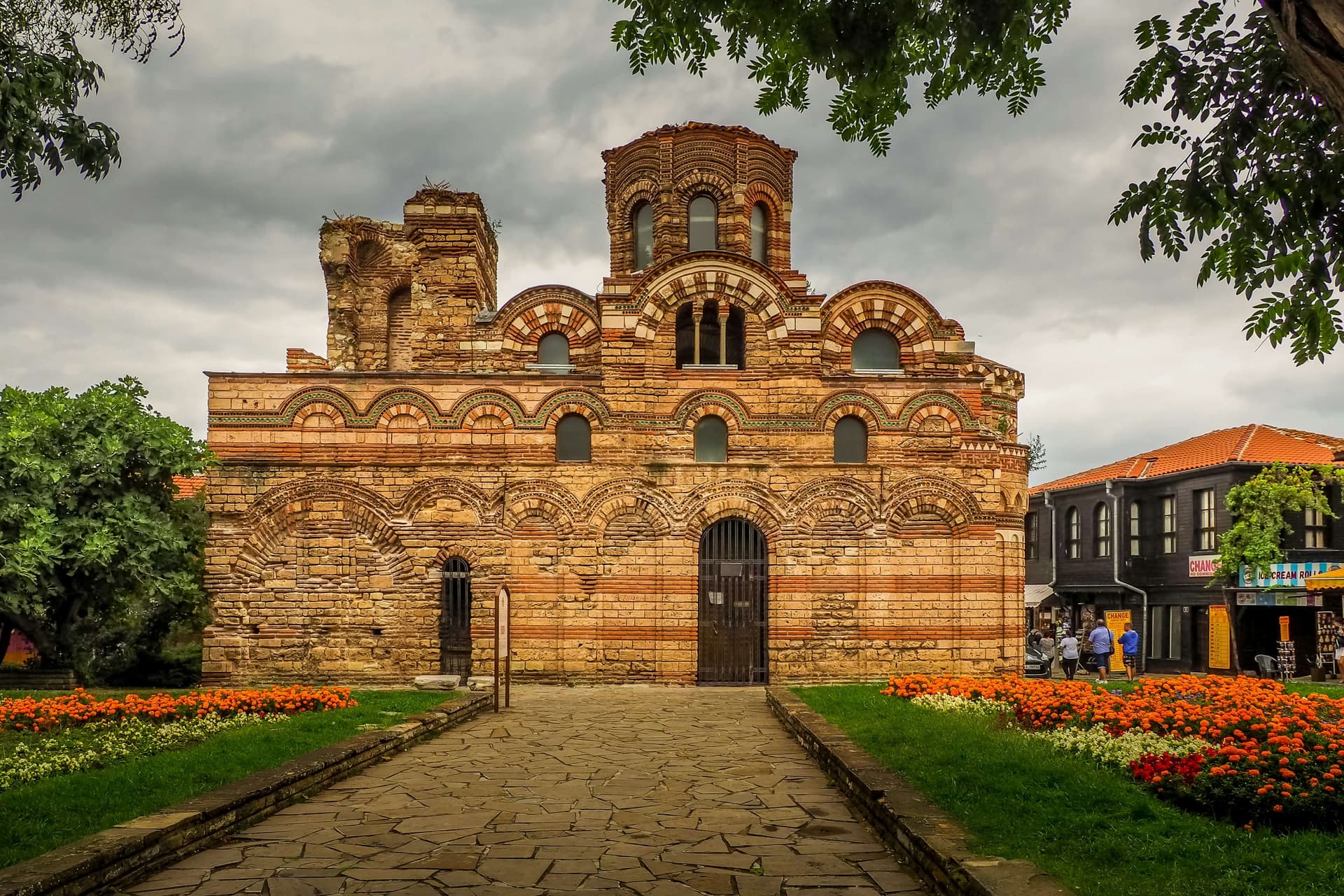
The best day trips from Burgas: Nessebar and Sozopol old towns, the Pomorie salt pans, Ropotamo reserve and Strandzha, with bus and driving tips.
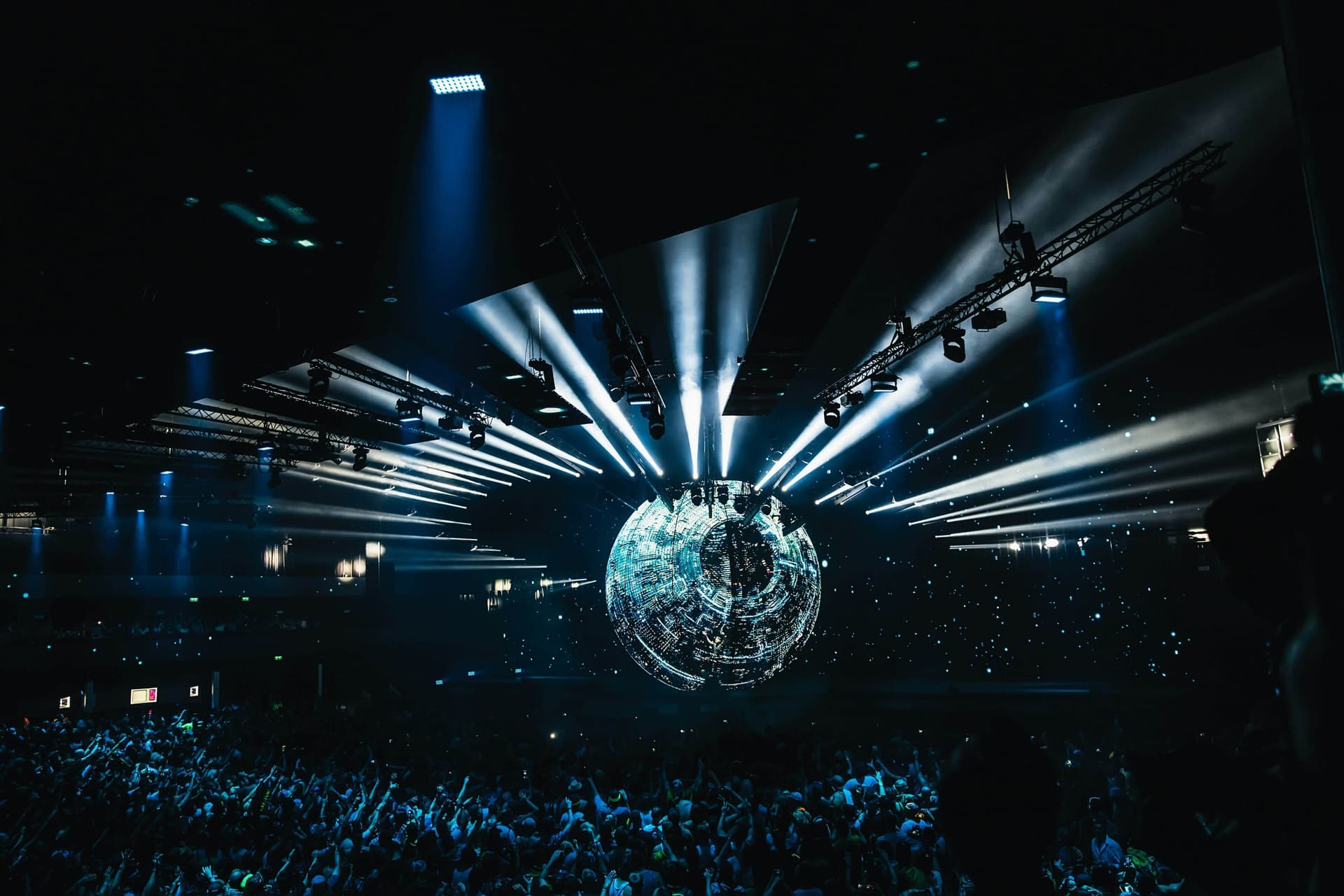
Planning to attend Eurovision 2027 in Burgas (10–15 May)? Discover the official dates, Arena Burgas capacity, ticket release timeline, and expert travel tips.
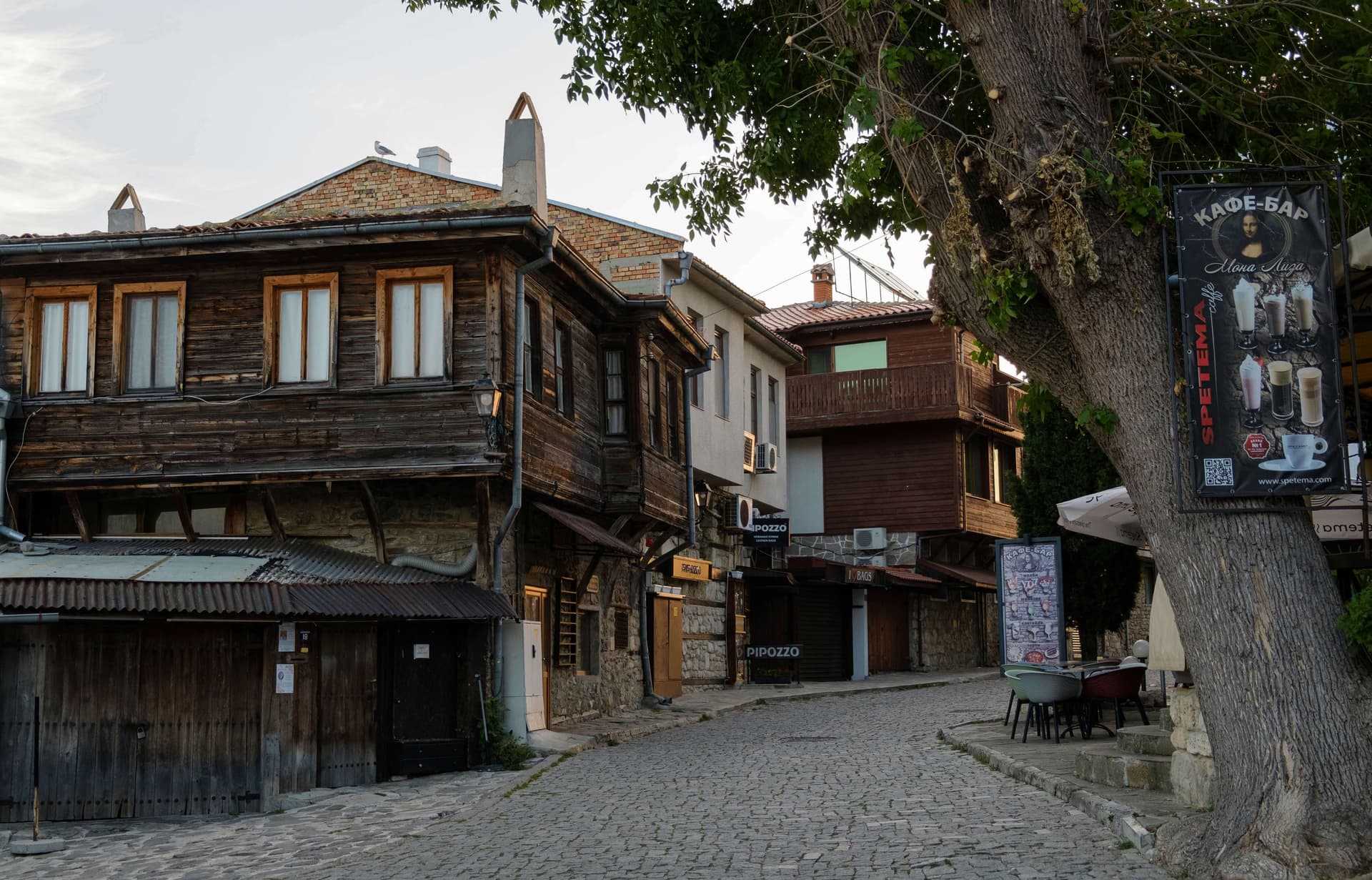
An expert day-by-day plan for Eurovision 2027 week in Burgas: semi-final dates, free-day coastal trips to Nessebar and Sozopol, fan zones, and late-night tips.
Nessebar is located in Burgas, Bulgaria.
Nessebar is most easily reached by car. Use the coordinates above to navigate, or open the location in OpenStreetMap or your preferred maps app for turn-by-turn directions. Public transport options vary by region — for remote destinations a rental car gives the most flexibility.
Nessebar can be visited year-round, but late spring (May–June) and early autumn (September–October) offer the most pleasant weather and fewer tourists. Summer is the busiest season; winter is the quietest, with shorter daylight and possible cold weather.
Bulgarian settlements typically reward unhurried walking — historic centres, churches and monasteries, local markets, and family-run restaurants serving regional dishes. Larger towns often have museums and seasonal cultural events. The local tourist information centre is a good first stop for current opening hours and what's on.